The final moments of The Sopranos remain some of the most debated and analyzed in television history. The 2007 series finale, “Made in America,” concluded with a seemingly abrupt cut to black, leaving audiences questioning whether Tony Soprano, the show’s antihero, had met his end. Fifteen years later, viewers still search for answers about what truly happened when the screen went dark.
Over its six-season run, The Sopranos introduced us to Tony Soprano, a mob boss struggling to juggle his criminal empire and family life. Its complex characters, high-stakes drama, and raw, emotional storylines delighted audiences . From 1999 to 2007, viewers became invested in Tony’s journey, which led to the groundbreaking finale, where Tony’s fate was left uncertain.
In the closing episode, Tony has a family dinner at Holsten’s Diner with his wife Carmela, their son A.J., and their daughter Meadow, who is on her way. As the tension builds, shady figures begin to walk into the diner, with one man in particular drawing Tony’s attention. Just as the scene reaches its peak, the screen suddenly cuts to black. The question remains: did Tony die?
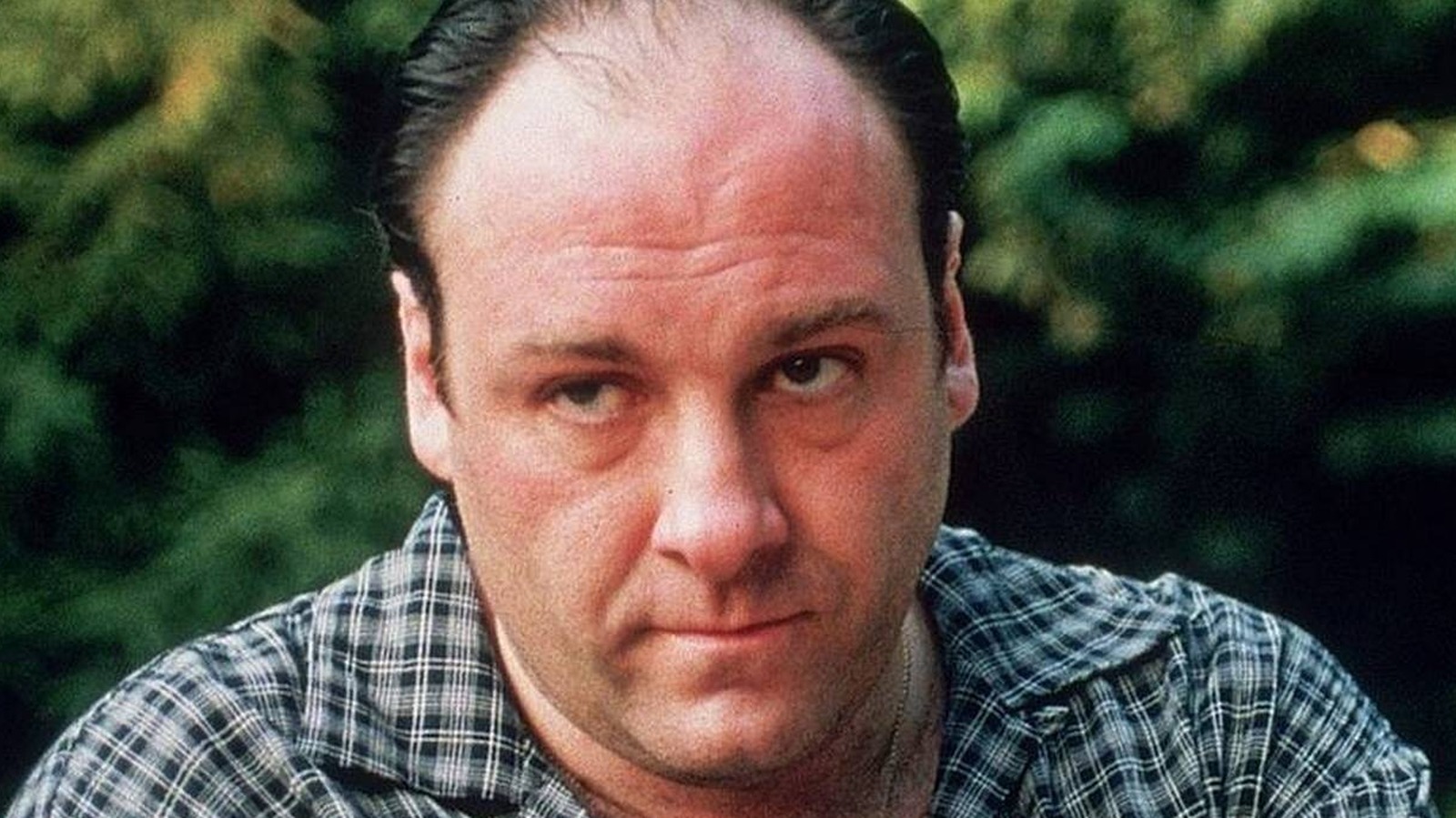
Tony (Image via Getty)
The Sopranos Ending Explained
The finale of The Sopranos sees Tony interacting with various family members and friends, reflecting on his past and his future. The episode carries a profound sense of time and mortality, partly inspired by the 1968 film 2001: A Space Odyssey . In that film, an astronaut witnesses potential future versions of himself, a concept that resonated with creator David Chase when crafting the finale.
Tony’s actions in the final episode are deeply introspective. He visits his sister Janice, who is mourning the death of her husband, Bobby Baccalieri. He also visits his Uncle Junior, who is now in a nursing home, a far cry from the dangerous man Tony once feared. This shift in perspective demonstrates Tony’s internal evolution, as he comes to terms with his past.
Later, Tony organizes a successful hit on his rival, Phil Leotardo. Following this, he heads to Holsten’s Diner to meet his family. As the Soprano family gathers, the presence of various shady characters, including the man in the “Members Only” jacket, raises suspicion. As Don’t Stop Believin’ by Journey plays on the diner jukebox, the tension mounts, leading to the iconic cut to black.
Tony’s Fate: Did He Die?
The biggest question after The Sopranos finale is whether Tony Soprano died when the screen cut to black. Fans have debated this for years, and creator David Chase has given subtle hints but never provided a definitive answer. In a 2019 interview, Chase alluded to Tony’s death, explaining that he had considered a death scene for Tony years before the series ended. However, he chose not to include it.
Chase further expanded on this notion in a 2021 interview, revealing that his original vision for the final scene involved Tony returning from a meeting in New York. This meeting, he said, would have been Tony’s last, implying that Tony would be killed during it. But instead of explicitly depicting Tony’s death, Chase chose the more ambiguous and mysterious cut to black.
Perhaps the clearest indication that Tony’s death was part of the show’s final moments came in the 2024 documentary Wise Guy: David Chase and The Sopranos . During the documentary, Chase referenced a scene from the second season of The Sopranos in which A.J. discusses how the color black represents death. This foreshadowing, coupled with the dramatic cut to black, led many to believe that Tony’s story ended that fateful night.
In the same documentary, Chase stated, “The truth is,” before the screen once again cut to black, mirroring the series finale. The silence following this statement only deepens the mystery and leaves the question of Tony’s fate unresolved.
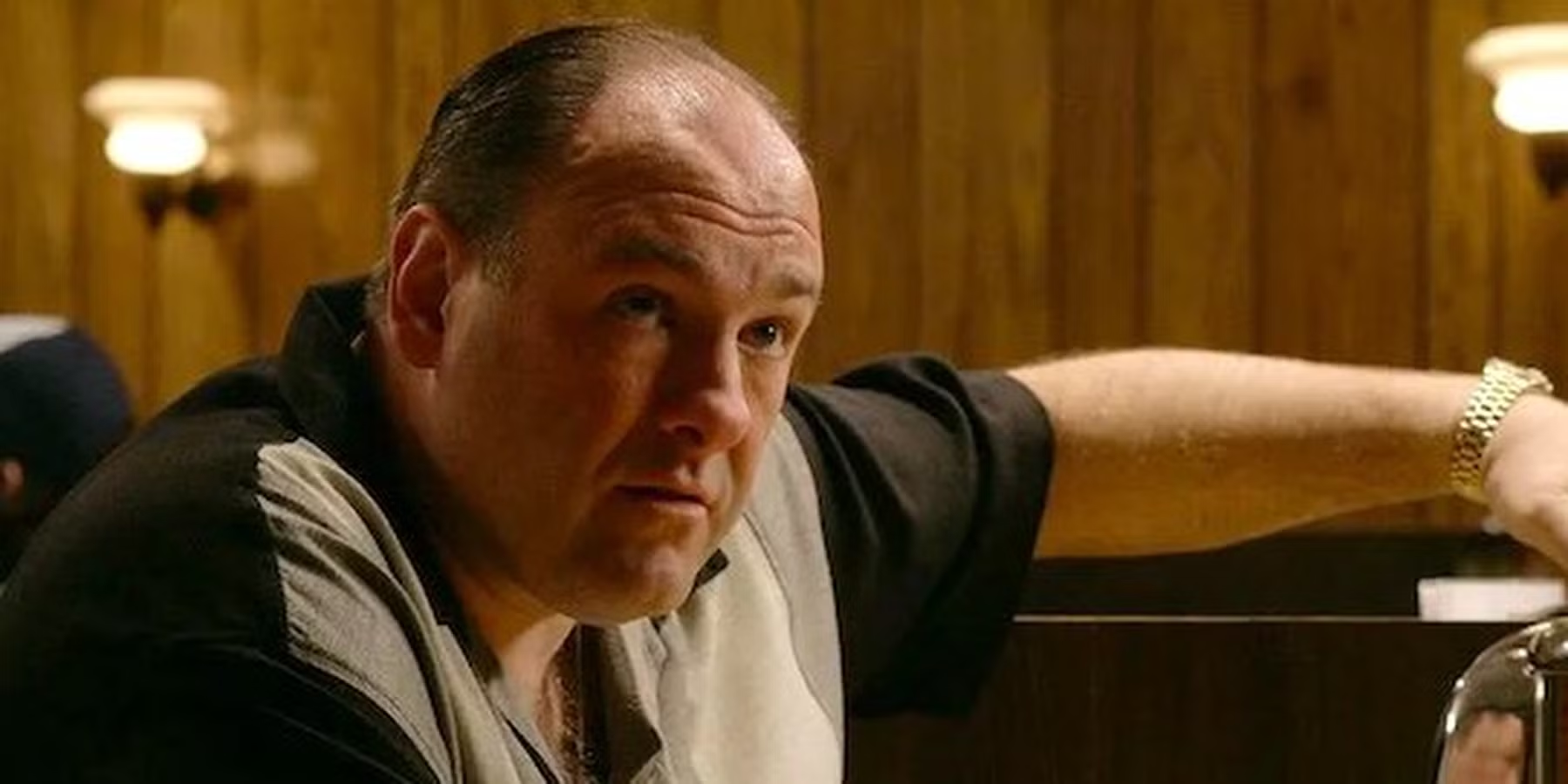
Tony (Image via Getty)
Foreshadowing Tony’s Fate
Several clues throughout The Sopranos hint at Tony’s death, including the off-screen death of Adriana. Creator David Chase admitted that showing Adriana’s death felt too difficult, reflecting a similar approach to Tony’s ambiguous fate.
The song Don’t Stop Believin’ by Journey, playing in the background during the diner scene, symbolizes life’s continuity, even after individual lives end.
The “Members Only” jacket worn by a suspicious diner character suggests possible danger. Some theories claim he kills Tony, drawing influence from The Godfather ‘s famous bathroom assassination scene, which further suggests Tony’s potential death.
Cast Reactions to the Finale
The unexpected ending of The Sopranos finale surprised even its cast members. Michael Imperioli, who played Christopher Moltisanti, found the cut to black “strange” and unexpected.
Drea de Matteo, who played Adriana, initially thought her TV had malfunctioned but later realized it was intentional. She understood David Chase’s desire to leave the audience in suspense about Tony’s fate.
Edie Falco, who portrayed Carmela, initially thought pages were missing from the script, but later appreciated the deeper significance of the ending. She trusted Chase’s vision.
Jamie-Lynn Sigler, playing Meadow, felt the open-ended finale was perfect, allowing viewers to interpret Tony’s fate. She knew it would never fully satisfy everyone.
Robert Iler, who played A.J., pointed out that the ambiguous finale kept The Sopranos alive in popular culture, sparking ongoing discussions.
Lorraine Bracco, who played Dr. Melfi, revealed that even James Gandolfini, who portrayed Tony, was surprised by the finale’s abrupt ending, asking, “That’s it?”
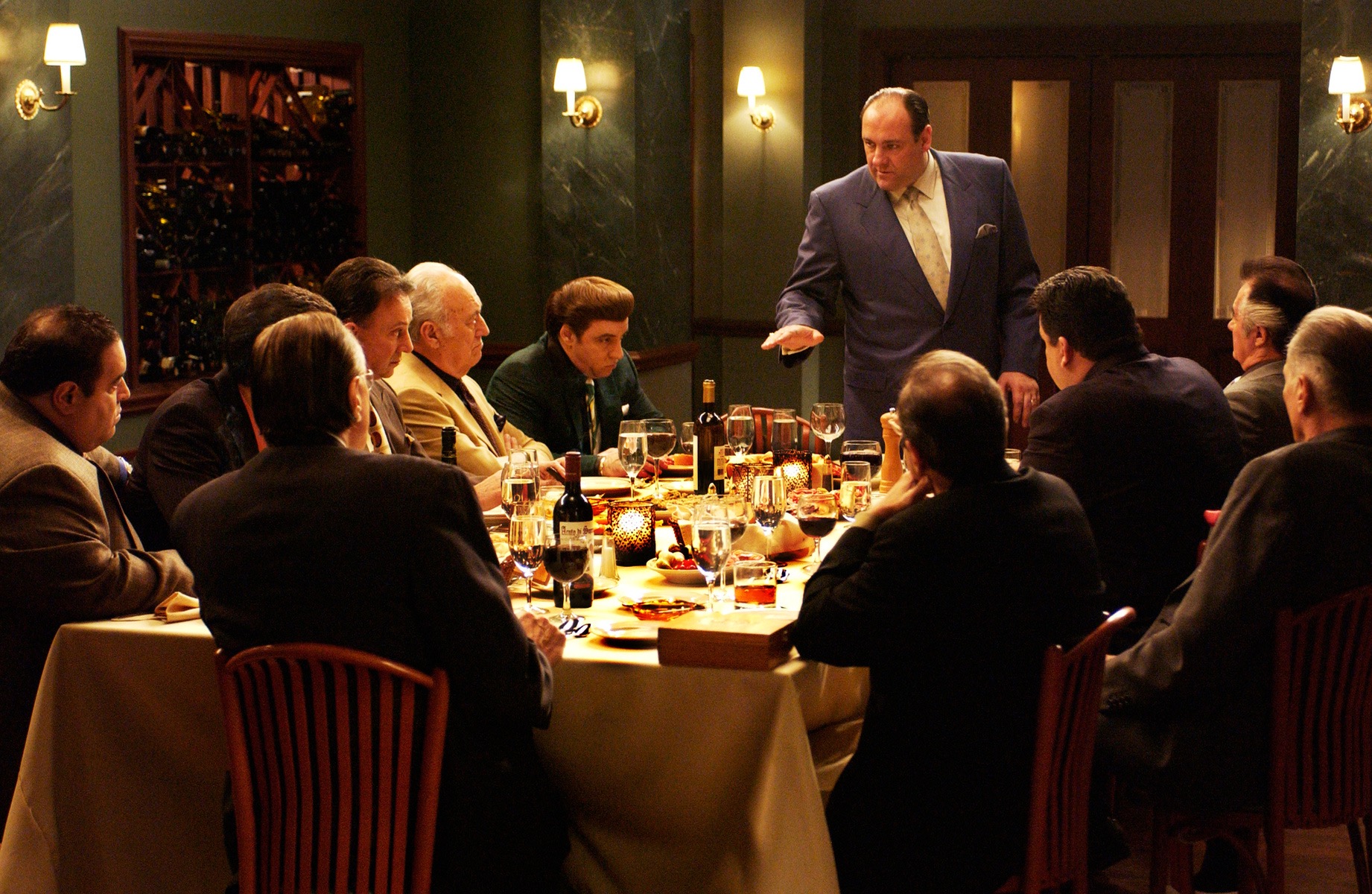
The Sopranos (Image via Getty)
The Enduring Mystery of Tony’s Fate
As fans continue to debate Tony’s fate, The Sopranos stands as one of the most influential and groundbreaking television series of all time. The series finale, with its ambiguous cut to black, remains a hallmark of storytelling that defies easy answers. David Chase’s decision to leave Tony’s fate open to interpretation was not just a choice to surprise the audience, but also a way to reflect the uncertainty and complexity of life itself.
While we may never know definitively whether Tony Soprano died in that diner, the legacy of The Sopranos lives on, with its ending continuing to delight and inspire discussions among fans and critics alike. As long as the debate persists, The Sopranos will remain a defining moment in television history, leaving viewers with the unforgettable feeling that, sometimes, not knowing is the most profound answer of all.
Directed by James Mangold, A Complete Unknown offers a unique take on Bob Dylan’s rise to fame in the 1960s. The film focuses on the transformative period leading to his controversial 1965 Newport Folk Festival performance. Timothée Chalamet’s portrayal of Dylan has earned positive reviews, highlighting both the narrative and his nuanced performance. The film chronicles Dylan’s journey from his arrival in New York City in 1961 to his electrifying performances that solidified his musical legacy.
A Complete Unknown Ending Explained
The 1965 Newport Folk Festival was a pivotal moment in Dylan’s career. Known for folk music, Dylan’s decision to perform with an electric guitar and rock band sparked controversy. In the film, the performance represents a major shift, with the audience’s negative reaction stemming from a perceived betrayal. Folk music, tied to social activism, clashed with Dylan’s shift to rock, though some cheered his boldness. The booing symbolizes the friction caused by Dylan’s departure from traditional folk.
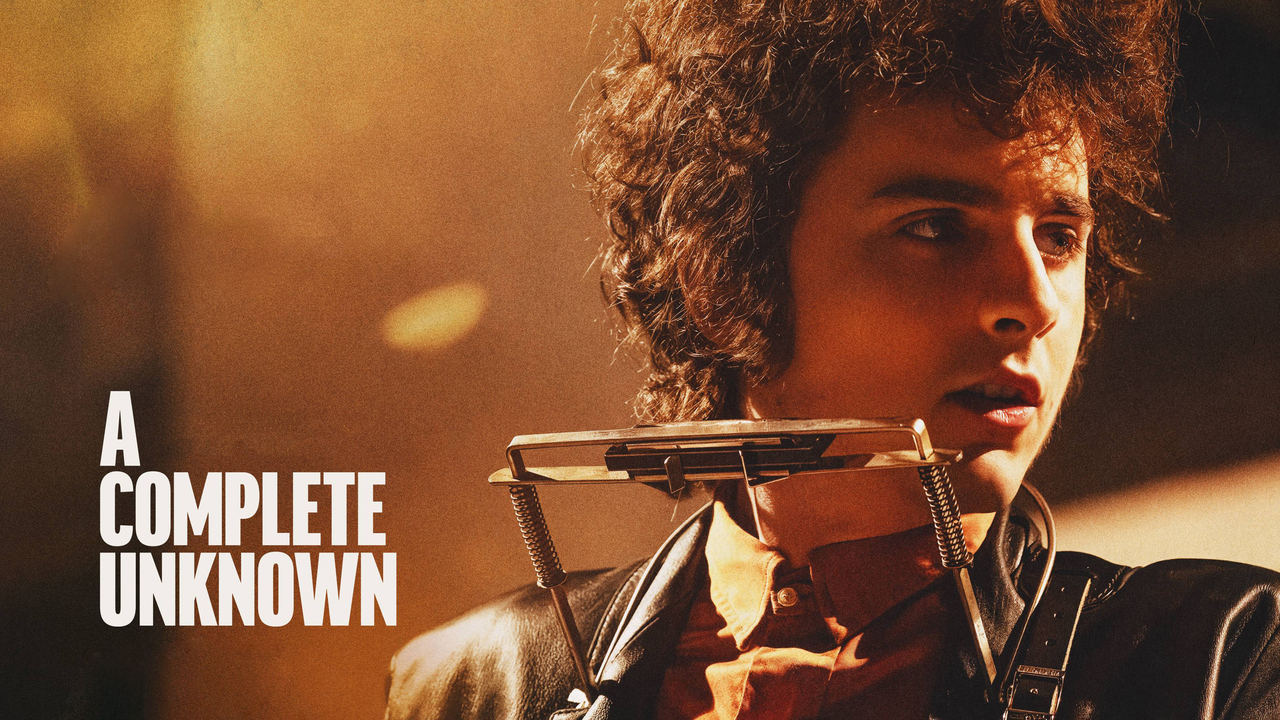
Bob Dylan (Image via Getty)
The 1965 Newport Folk Festival incident is remembered as a controversial chapter in Dylan’s career. While the film centers on the emotional reaction of the crowd, the reality behind the booing is more complex. Beyond disappointment with Dylan’s musical shift, some festival-goers were put off by technical issues, including poor sound quality that made the electric performance difficult to appreciate. Additionally, Dylan’s set was noticeably brief, with only three songs performed before he walked off the stage. In comparison, other performers had much longer sets, which added to the frustration of the crowd. Still, the general sentiment of betrayal remained a core factor in the backlash.
Dylan’s Mysterious Motorcycle Ride: A Symbol of His Withdrawal
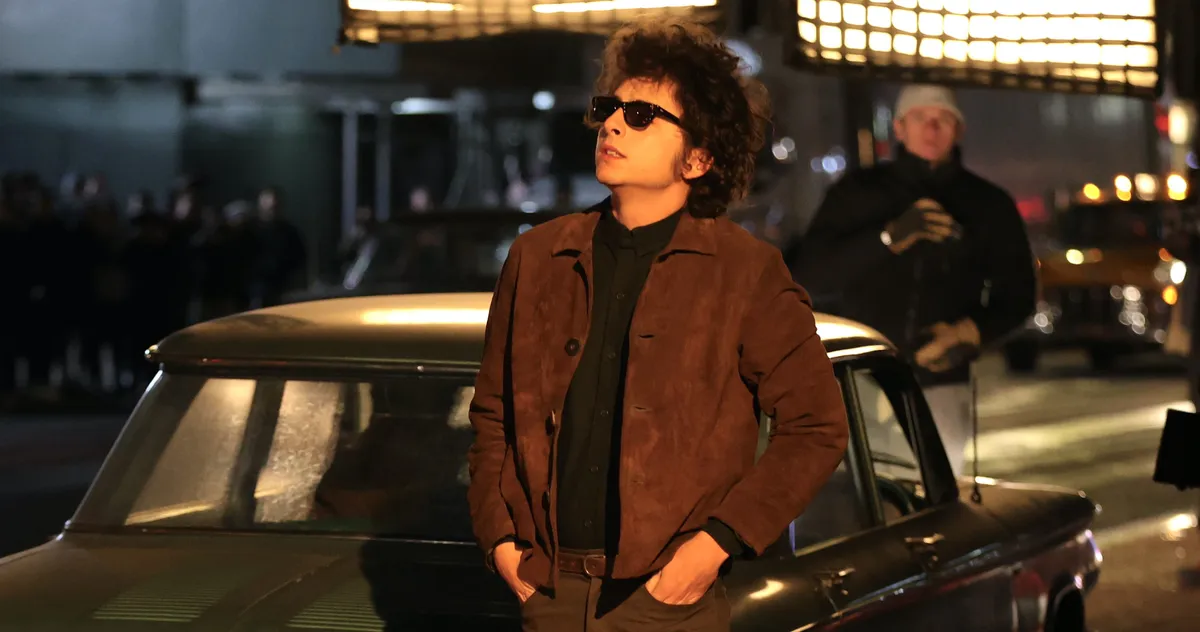
In the film, Dylan’s motorcycle ride is portrayed as a pivotal, mysterious moment. This ride is meant to allude to the real-life motorcycle accident Dylan had in 1966, a year after the Newport incident. While the film does not go into great detail about the crash, it subtly hints at the event that played a major role in Dylan’s sudden disappearance from the public eye. The crash, which occurred near Woodstock, New York, resulted in serious injuries, including broken vertebrae in his neck. Dylan’s retreat from the public spotlight after this accident marked the end of his intense media presence, with the musician refraining from public performances for nearly eight years. Despite this, Dylan continued to record new music, signaling a shift in both his career and personal life.
Following the dramatic 1965 performance, Bob Dylan did eventually return to the Newport Folk Festival, but it was a long wait. It wasn’t until 2002 that he made his much-anticipated comeback to the stage, 37 years after his controversial set. This return was marked by a striking contrast, as Dylan performed a much longer set, incorporating both newer material and classic hits. Interestingly, Dylan made a unique statement by wearing a fake beard, cowboy hat, and wig, adding a theatrical flair to his return. Despite this symbolic return, Dylan’s Newport appearances remained rare, and he has not performed at the festival again since.
Bob Dylan (Image via Getty)
The Character of Sylvie Rosso and the Real-Life Inspiration
In A Complete Unknown , Elle Fanning portrays Sylvie Rosso, a fictional character based on Bob Dylan’s real-life girlfriend, Suze Rotolo. Rotolo was a significant figure in Dylan’s early years, influencing much of his music during their relationship. Rotolo appeared on the cover of Dylan’s The Freewheelin’ Bob Dylan album, which solidified her place in the narrative of his rise to fame. Dylan and Rotolo’s relationship, however, was turbulent and eventually ended in 1964. The character of Sylvie in the film represents a blend of Rotolo’s essence but with alterations, as Dylan himself requested the change of name in the biopic. Rotolo, in her memoir, revealed how difficult it was to cope with the pressures of being involved with a figure as monumental as Dylan, expressing a desire to be seen as an individual outside of his shadow.
What the Film Omits About Bob Dylan’s Life
While A Complete Unknown highlights Bob Dylan’s rise in the 1960s, it excludes many personal aspects. The film omits his early life, family, and relationships, such as tensions with Suze Rotolo’s sister Carla and her abortion. Dylan’s marriage to Sara Lownds in 1965, along with their child, is also absent. Though Sylvie (based on Rotolo) attends the 1965 Newport Festival, they had already split by then.
The film simplifies Dylan’s complex personal life, leaving out details like his two marriages and children. Creative liberties are taken, such as the inclusion of Johnny Cash at the Newport Festival and the fictional Baez-Dylan argument. Additionally, the portrayal of meetings with Seeger and Guthrie at the hospital is altered for narrative purposes, while other significant events are missing.
Why the Focus on the 1960s in A Complete Unknown
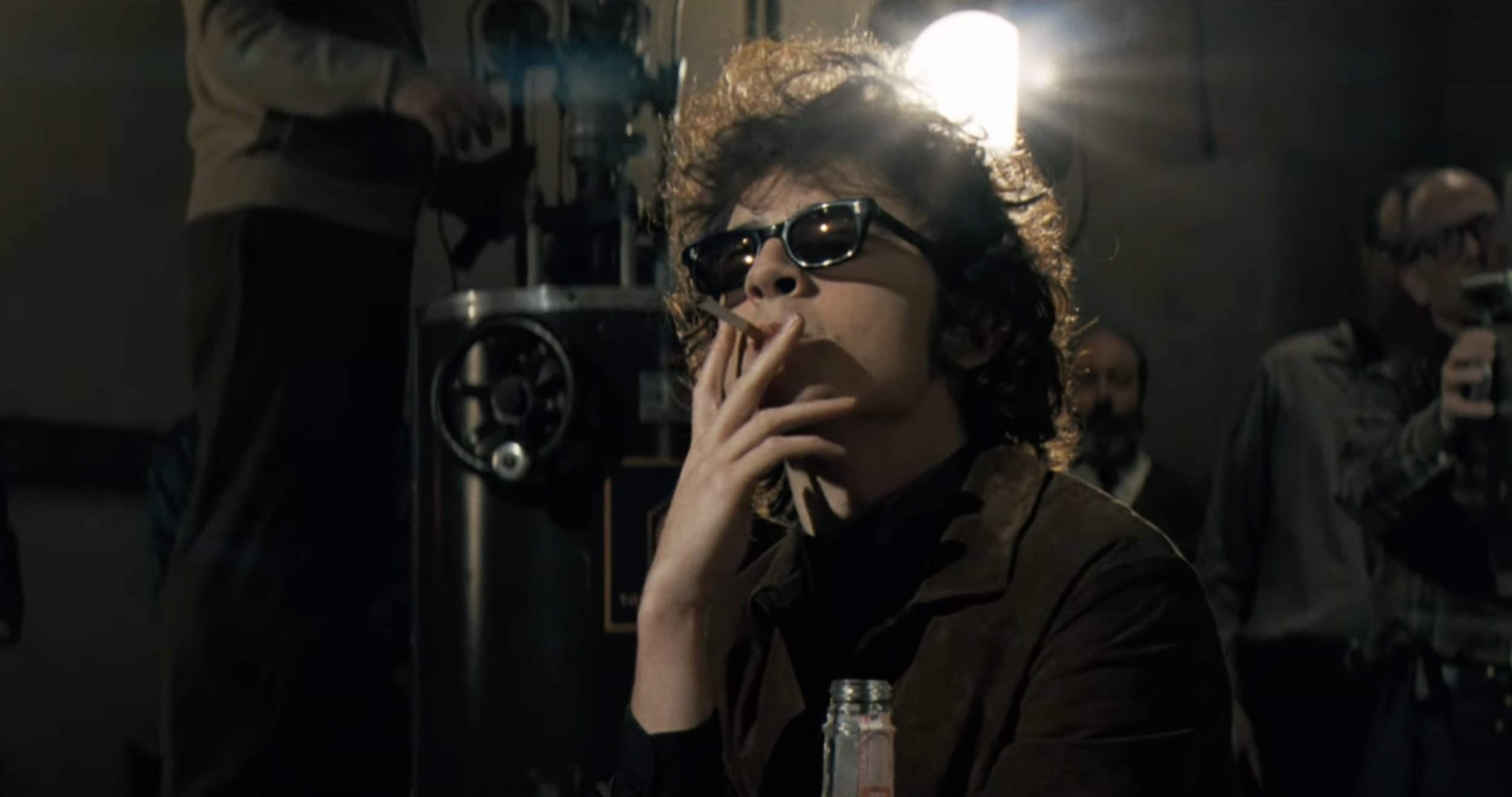
The decision to center A Complete Unknown on Dylan’s career in the 1960s is intentional and significant. The 1960s were a time of monumental change in both Dylan’s career and the cultural terrain of America. This period was marked by political upheaval, protests, and anti-war movements, all of which heavily influenced Dylan’s music. Mangold’s choice to focus on this decade allows for a deeper exploration of Dylan’s evolution from a folk singer to a rock icon. The 1965 Newport Folk Festival performance, with its pivotal shift in style, serves as the perfect moment to capture the dramatic arc of Dylan’s early career.
Bob Dylan (Image via Getty)
The film, loosely based on Elijah Wald’s book, focuses on the high-stakes tension surrounding the Newport Festival and Dylan’s transition to electric music. By honing in on just this decade, A Complete Unknown gives a concentrated and dramatic portrayal of Dylan’s transformation during a time when he was making his most significant musical and cultural impact.
The Meaning Behind A Complete Unknown ‘s Ending
The ending of A Complete Unknown leaves viewers with a sense of both completion and mystery. The film tracks Dylan’s evolution from a “completely unknown” to a legendary figure, with the 1965 Newport Folk Festival marking the moment when he solidified his place in music history. As Dylan moves from folk to rock, his influence on future generations of musicians becomes undeniable. The film’s final scenes offer an enigmatic closure to this phase of his career, leaving behind a legacy that continues to intrigue and inspire.
