For years, One Piece fans have speculated about the true identity of Joy Boy, a figure shrouded in mystery. With recent revelations, the puzzle surrounding this enigmatic character is finally coming together. Theories ranged from him being a past ruler to a prophecy’s key, but now, the truth has emerged. The long-hidden story behind Joy Boy’s role in history changes everything.
The legend of Joy Boy has been teased throughout the series, leaving fans eager for answers. His connection to the Void Century, the Great Kingdom, and the One Piece itself made him one of the most important figures in the story. Now, new developments have shed light on his identity, giving fans a deeper understanding of his legacy and its implications.
The Truth Behind Joy Boy’s Identity
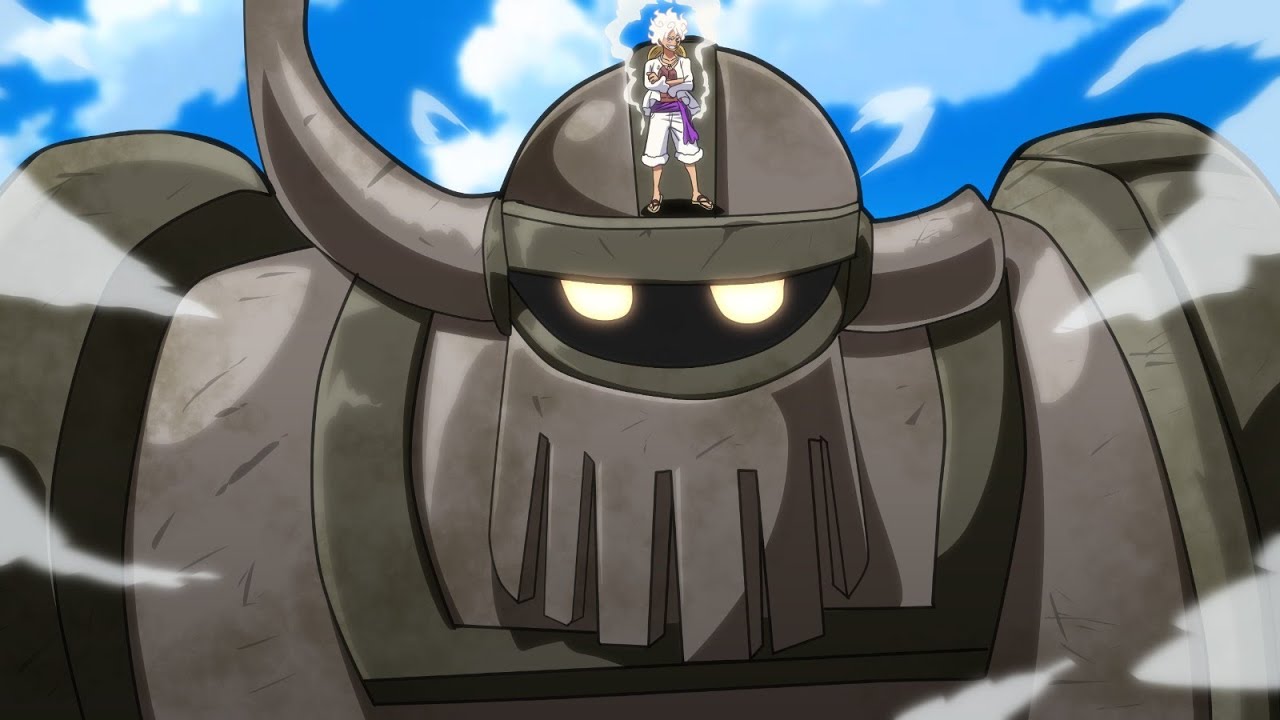
Ancient Robot and Luffy (Credits Eiichiro Oda)
Joy Boy is more than just a historical figure; he represents a legacy passed down through time. Rather than being a single person, Joy Boy is a title bestowed upon those destined to bring the world true freedom. The latest chapters reveal that Luffy has inherited this title, signifying his role in fulfilling an ancient promise made centuries ago.
This revelation connects Joy Boy to the mysterious power of Nika, the Sun God. Luffy’s Devil Fruit, previously believed to be the Gomu Gomu no Mi, is actually the Hito Hito no Mi, Model: Nika. This transformation confirms that Joy Boy is linked to those who awaken this power. Luffy’s role as the new Joy Boy aligns with the prophecy that foretold the return of this legendary figure.
The Significance of Joy Boy in One Piece’s History
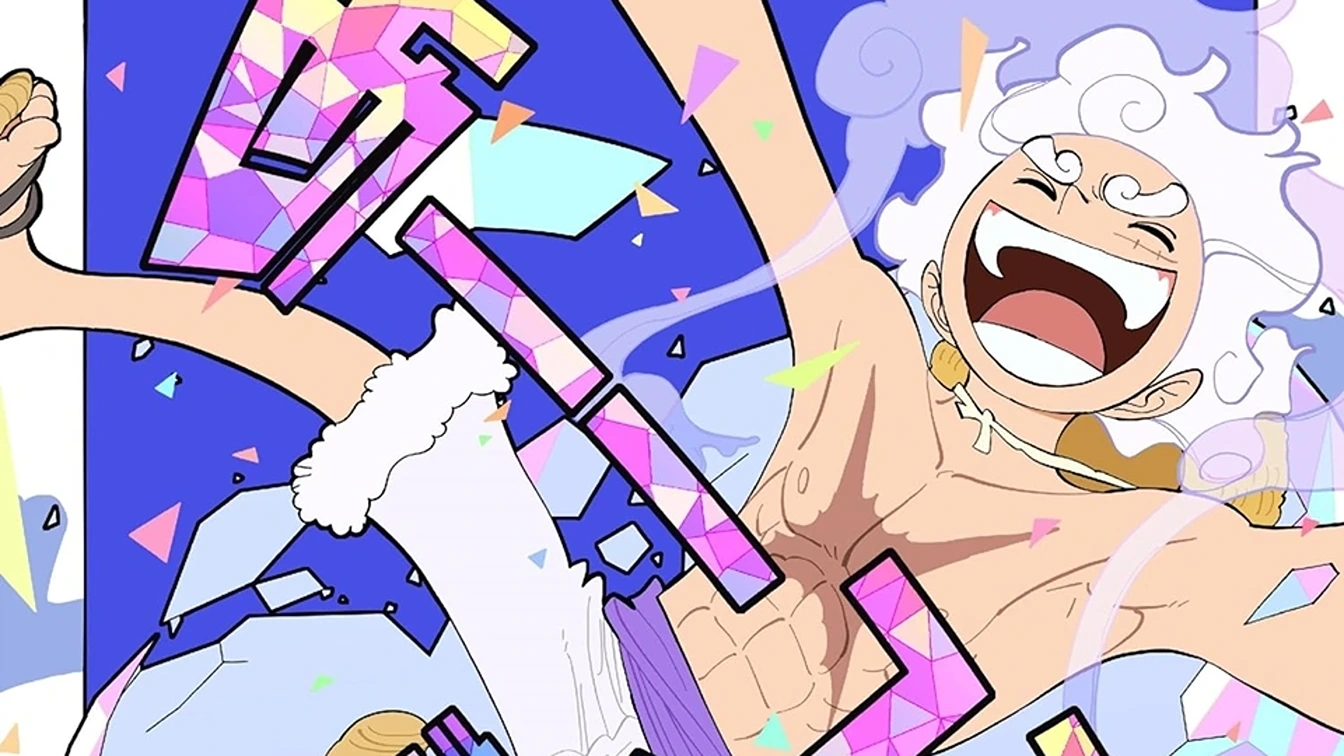
Luffy (Credits: Eiichiro Oda)
Joy Boy’s first known appearance in history dates back to the Void Century, a period erased from records by the World Government. He was closely tied to the Great Kingdom, a powerful civilization that opposed the ruling forces. His promise to the Fish-Man Island people, involving Noah’s Ark, remained unfulfilled, indicating unfinished business that Luffy must now complete.
With Luffy being recognized as the new Joy Boy, the story is approaching its long-awaited climax. This confirms that Joy Boy’s mission extends beyond a single individual, continuing through those who fight for freedom. The connection between Joy Boy, Nika, and the One Piece itself suggests that the ultimate treasure is more than just gold—it’s something that can shake the world’s foundations.
Goku’s journey in Dragon Ball has always been about pushing limits and discovering new heights of strength. Despite having immense power and the ability to rival gods, he never took up the role of a God of Destruction. His personality, motivations, and fighting philosophy all point to why he chose a different path, focusing on growth rather than destruction.
Throughout the series, Goku has shown an unwavering dedication to self-improvement and the thrill of battle. Unlike the Gods of Destruction, who maintain balance through destruction, Goku seeks strength through combat and learning. This core difference makes it clear why he never accepted such a role. His love for challenges and protecting others contradicts the very essence of what a God of Destruction represents.
The Role of a God of Destruction
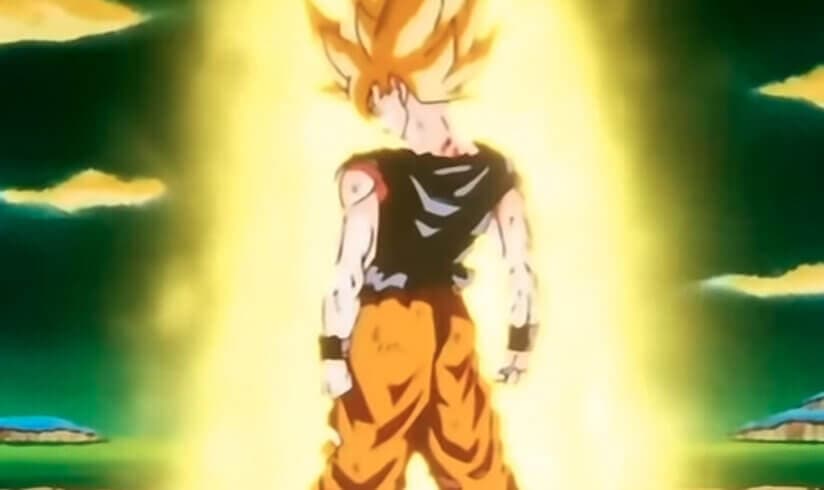
Goku’s first time turning Super Saiyan (Credits: Toei Animation)
Gods of Destruction serve as powerful deities tasked with eliminating planets to maintain cosmic balance. Unlike the Supreme Kais, who create life, these gods erase civilizations deemed unfit. Their duty is not based on personal emotion but on maintaining universal harmony. While their power surpasses most beings, their authority comes with responsibilities that limit their freedom. It is a role that requires a strong but detached mindset.
For Goku, such a position goes against everything he stands for. He has never sought power for the sake of control or dominance. Instead, his motivation lies in testing his abilities against stronger opponents. A God of Destruction is bound by rules and responsibilities, something that would restrict Goku’s free-spirited nature. His entire character is built around exploration and training, making the role unsuitable for him.
Goku’s True Purpose and Ideals
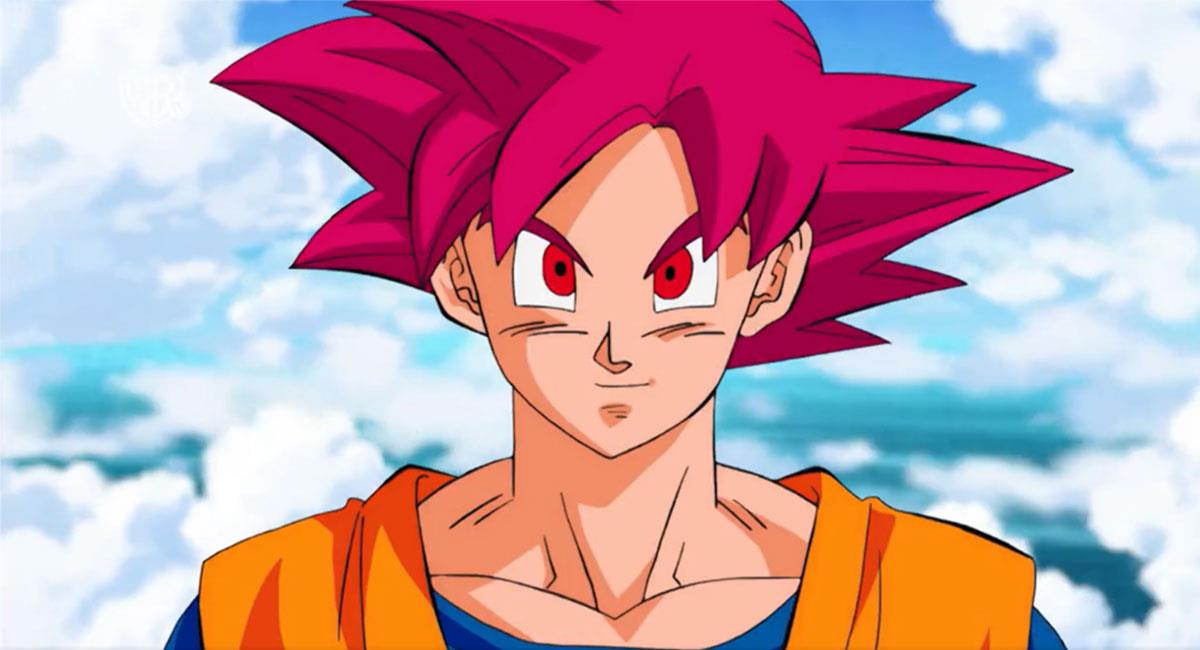
Goku SSR
Goku’s ultimate goal has always been to fight and surpass his own limits. His Saiyan instincts drive him toward powerful opponents, but his battles are never fueled by malice. He doesn’t seek to conquer or destroy but rather to improve himself and experience the excitement of combat. A God of Destruction, however, must wield their power with purpose, eliminating worlds without question. This stark contrast makes Goku unfit for the position.
His encounters with Beerus and other deities reinforced this idea. While he respects their power, he has never expressed a desire to become one of them. Even when given the opportunity to harness divine energy, Goku adapted it into his own fighting style rather than embracing the role. His path has always been one of self-discovery, making him more suited to being a warrior than a destroyer.
Why Vegeta Considered the Role but Not Goku
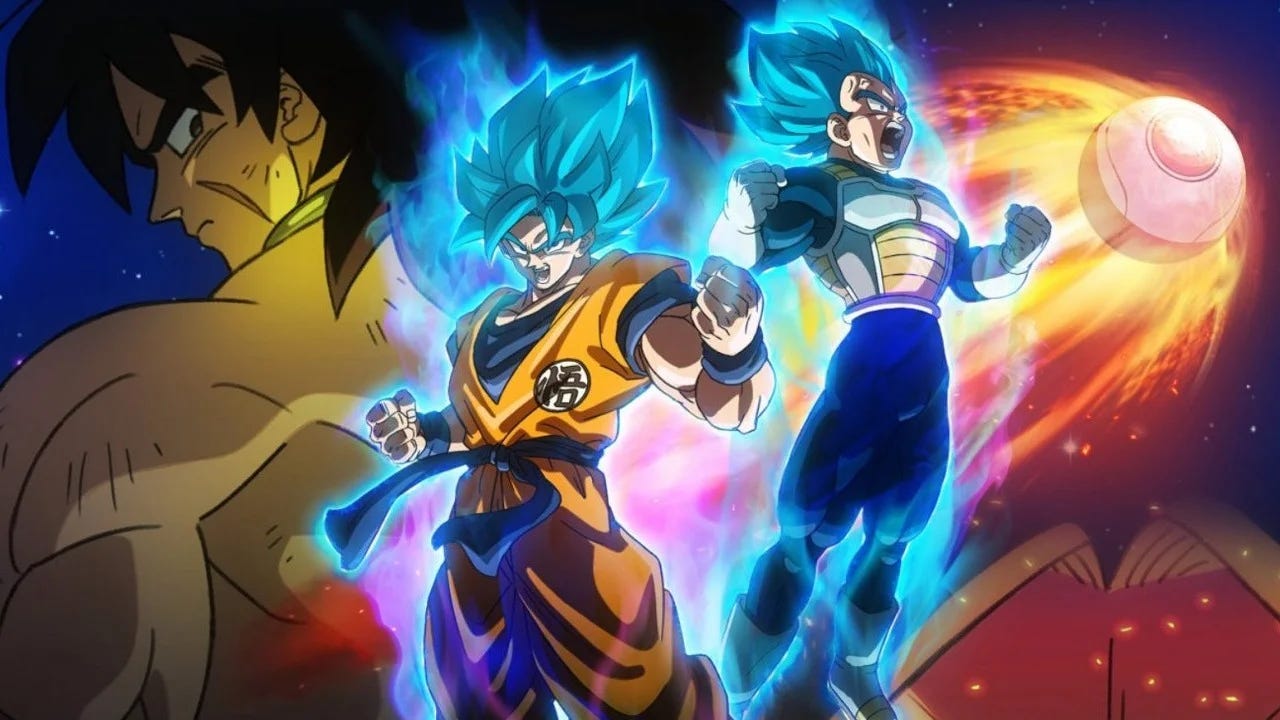
Goku and Vegeta (Credits: Akira Toriyama)
Unlike Goku, Vegeta has shown some interest in the ways of a God of Destruction. His serious nature and pride made him more willing to learn about their techniques. While he never fully committed to the role, he embraced some of its principles, training under Beerus to gain greater power. His approach to battle is more disciplined, making him a more fitting candidate in theory.
Goku, on the other hand, thrives on excitement and challenge rather than duty. He enjoys battles where he can push himself beyond limits without restrictions. If he were to take on the responsibilities of a God of Destruction, it would hinder his ability to seek out strong opponents freely. This difference in mentality explains why Vegeta showed interest while Goku never considered it.
Conclusion
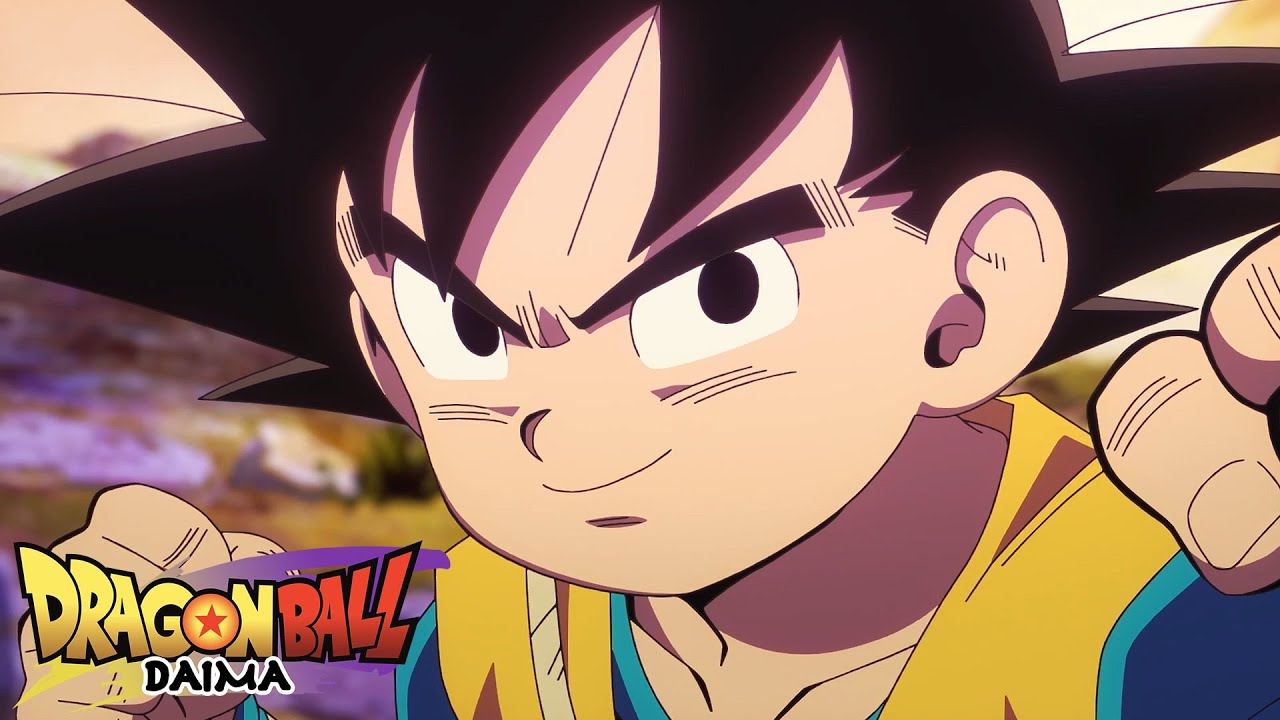
Goku (Credits: Toei Animation)
Goku’s refusal to become a God of Destruction stems from his core values. He is not driven by authority or destruction but by the pursuit of strength and experience. His character is built on growth, freedom, and the joy of fighting strong opponents. These qualities directly oppose what is required of a God of Destruction, making the role unsuitable for him.
Ultimately, Goku’s journey is about limitless potential, not absolute power. While he has fought alongside deities and wielded godly abilities, he remains a warrior at heart. His path is one of endless improvement, making him a protector rather than a destroyer. This is why he never accepted the role, choosing instead to follow his own way of life.
