For Season 26, The Voice has introduced an interesting new feature called the Coaches’ Replay Button, allowing coaches to correct a choice they may regret.
If a coach feels they made a mistake by not picking a contestant, they can press this button to give that contestant a second chance. This button doesn’t require the contestant to perform again, which may surprise viewers.
Each coach only has one chance to use the Coaches’ Replay Button during the Blind Auditions. In the very first episode, Reba McEntire realized she made a mistake by not turning for a contestant.
She used her Coaches’ Replay Button, bringing Kendall Eugene, who hadn’t received any chair turns, onto Team Reba.
This new twist changes the game for coaches and contestants, as it adds another layer of strategy.
Now, coaches must think carefully about how and when to use this limited second chance. Season 26 has a lot of excitement and energy, especially with its mix of veteran and new coaches.
With longtime coaches Gwen Stefani and Reba McEntire competing against newcomers Michael Bublé and Snoop Dogg, the show brings a blend of experience and fresh perspectives.
Season 25 introduced a Double Chair feature, where the judges Dan + Shay shared a seat, bringing a fun dynamic. This season, however, highlights the Coaches’ Replay Button as its standout feature.
While it hasn’t received huge publicity yet, the button offers something entirely new. After 26 seasons, The Voice needs to stay fresh, and the Replay Button is a unique addition. It’s similar to an “oops, I made a mistake” button, giving coaches a chance to reconsider their choices.
However, fans wonder if it will be most useful for contestants who get no chair turns. If a coach passes on a contestant who gets a turn from another coach, what advantage does the Replay Button bring?
For the button to be genuinely helpful, a coach would need to strongly believe that the contestant prefers to be on their team, making the second chance worthwhile.

Still from The Voice Season 26 (Credit: NBC)
The Replay Button seems especially useful for contestants who might otherwise leave the show without any team. Some contestants give solid performances, but none of the coaches press their buttons. In those cases, other coaches may not want to take the risk either.
For example, in the second episode of the season, Snoop Dogg had his eye on contestant Gail Bliss. He waited, hoping that Reba would turn first because he respected her opinion.
When Reba didn’t turn, Snoop hesitated, and by the time he realized he wanted her on his team, it was too late.
Though Gail didn’t get a chair turn, the Replay Button allowed Snoop to change his mind and give her a spot on his team.
The Coaches’ Replay Button raises interesting questions for the show’s strategy. How should coaches decide the best time to use this button? Should they wait until the end of a performance to make a regular turn or use the Coaches’ Replay Button instead?
This decision could make an already high-stakes moment even more tense for a contestant. For many contestants, getting the chance to audition for The Voice is a huge dream come true.
But with the Replay Button in the mix, a contestant might feel more nervous if they sense they’re on the edge of making it.
So, who truly benefits from the Coaches’ Replay Button? Does it serve the contestants or the show more? The Voice has always been known for its Blind Auditions, where coaches pick artists based on their voices alone.
This unique audition process makes The Voice different from other talent shows, as coaches choose contestants without seeing them, focusing only on their vocal skill.
The excitement of the Blind Auditions comes from coaches judging singers purely on voice quality rather than looks or stage presence. With the Coaches’ Replay Button, though, contestants have a chance to make it onto a team based on more than just their singing.
A coach might say they enjoyed a contestant’s voice, but the Replay Button gives them a chance to meet the contestant and make a second decision.
The Replay Button could even allow a contestant who didn’t perform well to end up on a team. If a contestant doesn’t get any chair turns, they still have a chance to talk to the coaches and potentially convince one to press the Replay Button.
For example, a coach might see qualities in the contestant, like charisma or potential, that didn’t come through in the first performance and then decide they want that person on their team.
While this approach doesn’t fit perfectly with The Voice’s original goal, it adds another layer of suspense.
This season, the Replay Button will definitely be an exciting addition, even though some fans think it isn’t fully thought out. Regardless, the new button creates fresh drama and adds complexity to the Blind Auditions.

Still from the show (NBC)
The show’s format has changed and evolved over the years, with different coaches joining, new team setups, and unique twists. By adding the Replay Button, the show provides coaches with a unique way to address any immediate regrets.
Some viewers feel this twist may make The Voice feel closer to other talent shows, where contestants often get second chances, but it still brings something new to this long-running show.
As fans watch the season unfold, it will be interesting to see how each coach uses the button and if any unexpected decisions come from it.
So far, it seems like the Replay Button could lead to some surprise moments and maybe even change which contestants make it to the later rounds.
The introduction of the Replay Button shows how The Voice is looking to balance tradition with change. For coaches who are returning, like Gwen Stefani, or newcomers like Snoop Dogg, this feature can also make the show feel fresh.
Each coach only has one Replay Button to use during the Blind Auditions, so they’ll need to use it wisely. This single chance means they have to think strategically about when it’s worth the risk.
For some contestants, knowing the Replay Button is available could also make them feel more hopeful during auditions, as they have a backup plan if things don’t go well.
The Blind Auditions have always been a core part of the show, highlighting the importance of vocal skill alone.
With the Replay Button, The Voice adds a new twist, but the heart of the show remains. This button gives coaches more flexibility, adding another option for selecting contestants.
However, it could also raise questions about whether the auditions stay as “blind” as they once were, since coaches can change their minds after seeing the contestant. The Voice fans will have to see how this twist plays out.
Some might find it unfair, while others see it as a smart addition that keeps the show interesting after many seasons.
The show airs every Monday at 8:00 pm on NBC, with episodes available for streaming on Peacock. As the season progresses, the Replay Button is sure to create plenty of memorable moments.
It’s unusual for TV shows to jump forward in time between episodes, but The Penguin surprised viewers by doing just that. In the superhero genre, stories tend to move in a straight line, rarely breaking the pattern.
In this latest episode, The Penguin decided to skip several weeks forward, choosing not to show the immediate aftermath of Oz’s actions from Episode 5. The showrunner, Lauren LeFranc, explained the reasons behind this time jump in an interview with Collider at this year’s New York Comic Con (NYCC).
This shift in time allows the show to reveal new developments without the need for a lengthy setup. LeFranc shared that Episode 6, titled “Gold Summit,” skips ahead partly because the team wanted the audience to see something that would otherwise take several episodes to build up to—particularly, the underground tunnels.
Setting Up the Tunnels
LeFranc explained in her interview with Perri Nemiroff from Collider that the decision to jump forward in time made sense from a storytelling perspective. She explained that Episode 5 ends with a powerful scene where Oz (played by Colin Farrell) and Victor (played by Rhenzy Feliz) show the tunnels.
In this scene, Oz tells Victor about the hidden tunnels under Gotham, and we see the potential for these tunnels to become an important part of Oz’s plans. The show decided that instead of spending half a season building this up, they would jump ahead to a time when Oz is already using these tunnels.
“Well, I think the way we ended Episode 5, where Oz and Victor go down and Oz tells Victor about the tunnels, and we see this meaningful underground layer for him. It felt right to then jump ahead and see it in action. Story-wise, this also gives all of our characters some breathing room,” LeFranc said.
By jumping ahead, the show allows viewers to see the tunnels in use instead of just hearing about them or watching a slow buildup. This time jump saves time while keeping the story moving at a fast pace.
The Jump to Winter
Another reason for this time jump is to change the season, moving the setting to winter. This jump places Gotham City in a much colder and darker environment. Winter adds to the gloomy and harsh feeling of the show, making Gotham feel even more dangerous and intense.
Gotham City is already known for its rough atmosphere, but winter brings a new level of cruelty to the city. Snow and freezing temperatures make everything harsher. The time jump also gives the show an opportunity to reflect this cold atmosphere in the characters, particularly Oz, who must now deal with the added challenges of winter in his underground plans.
Evolving Characters and Growing Businesses
The time jump also lets viewers see how different characters have progressed in this new timeline. One of the main changes is with Sofia Falcone (played by Cristin Milioti). In Episode 4, Sofia had one of her strongest moments when she decided to bury her family, the Falcones, in every way possible. By skipping forward in time, we see a new side of Sofia and understand that her character has grown since her powerful decision.
Oz’s character also shows growth. With the jump in time, we get to see Oz and Victor’s “Bliss” business booming. Oz now controls a powerful new drug, giving him more influence in Gotham’s underworld. This adds a new layer of power and danger to Oz’s character, as he must deal with the responsibility and risks that come with running a drug operation.
This time jump allows viewers to skip over the gradual buildup of these developments and go straight to the results. It shows how Oz and Victor have managed to grow their business and the challenges that come with it. This fast-forward approach helps keep the audience engaged, as they are eager to see what Oz will do with his newfound power.
Addressing Fan Speculation
In Episode 5, fans noticed that the tunnels under Crown Point resembled the Batcave. Some fans even started speculating that these tunnels might somehow connect to Bruce Wayne’s (Batman’s) secret hideout.
The show has not confirmed this theory, but the time jump gives a hint that both Bruce Wayne (played by Robert Pattinson) and Oz Cobb might be using the same network of abandoned trolley stations as their bases of operations.
By jumping ahead, The Penguin lets fans see how these tunnels are being used without answering every question right away. It keeps some mystery in the story while also showing the progress Oz has made with his underground lair.
The Direction of Francis Cobb’s Storyline
The time jump also affects the storyline of Francis Cobb, Oz’s mother (played by Deidre O’Connell). With the time skip, viewers get a sense of where her story might be heading. Francis’s storyline has been building up throughout the season, and fans are starting to see the direction it might take. The jump allows for a natural progression in her story without dragging it out.
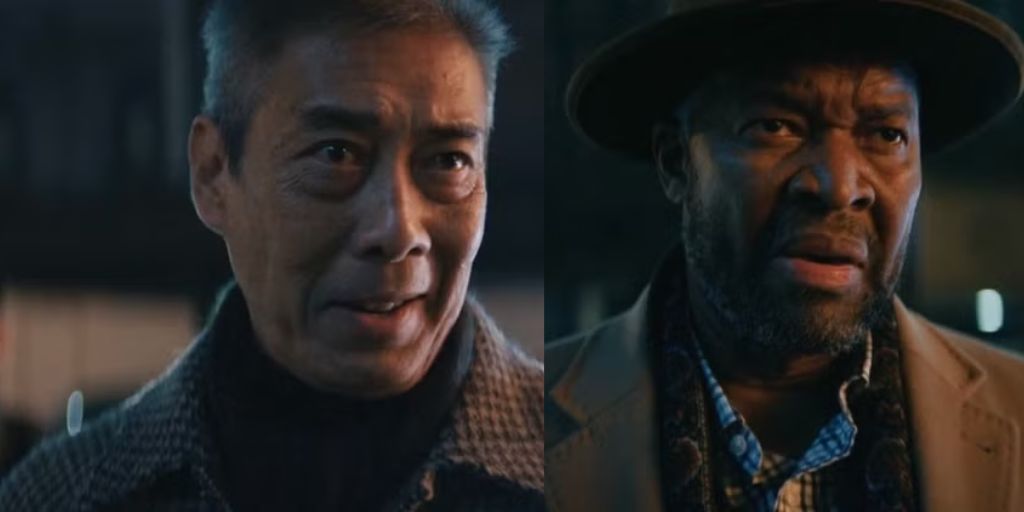
Still from The Penguin (Credit: HBO)
Skipping forward lets the audience understand how Francis’s relationship with Oz has changed over time, even if they haven’t seen every moment between them. This approach gives the story more depth and hints at potential challenges or conflicts that may arise between Francis and Oz in the future.
Why the Time Jump Works
The time jump in The Penguin is effective for several reasons. First, it keeps the pace of the show fast, allowing the story to progress without unnecessary filler episodes. By moving the timeline forward, The Penguin can show the impact of Oz’s decisions and how they play out in a more immediate way.
Second, the jump to winter changes the tone of the show, adding a new layer of intensity to Gotham City. The snowy, cold environment creates a more threatening atmosphere, which adds to the drama and tension of the series.
Lastly, the time jump allows the show to show different aspects of Oz’s character, particularly his growth as a leader and his ability to handle power. By skipping over the slower buildup, The Penguin gets straight to the heart of the action, showing Oz’s rise in Gotham and the consequences that come with it.
Looking Ahead
New episodes of The Penguin air every Sunday on Max, and the season finale is just around the corner on November 10. This time jump in Episode 6 sets up exciting possibilities for the remaining episodes, as Oz faces new challenges and continues to build his power in Gotham City.
Fans are eager to see how this fast-paced storytelling style will shape the rest of the season. With the upcoming finale, there’s plenty of room for more twists, especially as Oz’s plans with the tunnels and his business continue to unfold.
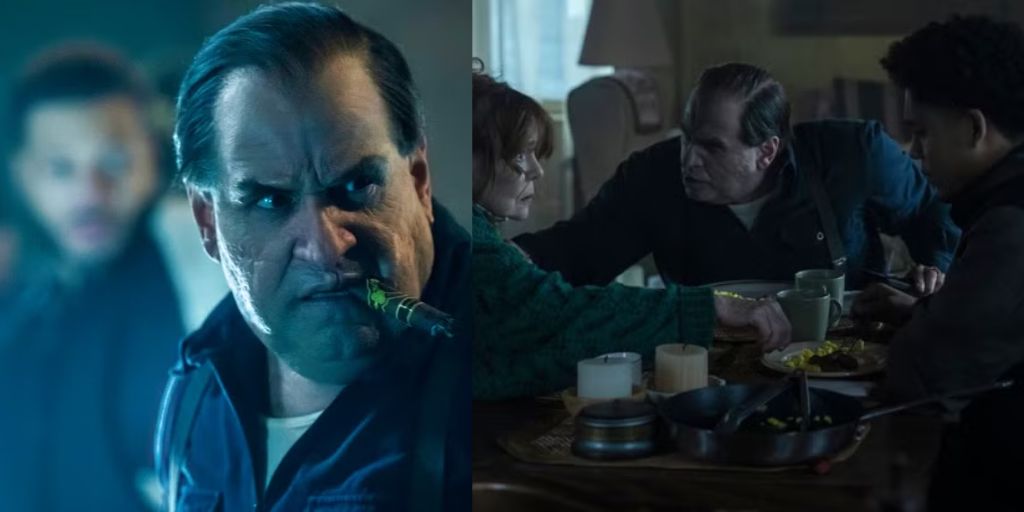
Still from The Penguin (Credit: HBO)
This season of The Penguin shows that sometimes, skipping ahead can be a smart storytelling choice. By jumping forward, the show gives viewers a fresh look at Gotham, Oz’s growing empire, and the evolving characters. The decision to skip several weeks has kept the show dynamic, intense, and full of surprises.
The Penguin has managed to keep viewers guessing, and this latest time jump is just another example of how the show is willing to take risks to keep the story engaging and unpredictable.
