The teams are filling up as the Blind Auditions for Season 26 of “The Voice” approach their end. The atmosphere is electric as the coaches strive to create their perfect teams, and the competition continues to heat up. With only a few episodes left, every performance becomes crucial.
This fifth night of auditions also includes some light-hearted moments to balance the tension, like Gwen Stefani and Reba McEntire doing a “fit check” video.
It’s amusing to note that after five episodes, the coaches are still wearing the same outfits, making us question whether this segment was truly necessary. Still, these fun moments highlight the camaraderie among the coaches this season.
With the episodes packed with social media segments and fun interludes, the final Coach Replay Button makes its appearance in Episode 5. Michael Bublé uses it with what might be considered the least pizzazz of all the coaches, signaling the conclusion of this season’s twist.
Timing is everything in this competition, and with only a few spots remaining for each team, every singer must push harder to impress a coach. Fortunately, the song selections tonight are unique and interesting, moving away from the standard music competition fare that we have grown accustomed to seeing.
Michael Bublé Finds a Star and Uses the Coach Replay Button
The night kicks off with a standout performance from Cameron Wright. The coaches receive a wonderful gift in the form of Wright, who attracts everyone with their story. In their introductory video package, Wright reveals their rich musical history, which includes singing backup for their mother when she signed a major gospel deal.
This opportunity led to recording a demo that made its way to the legendary Stevie Wonder. Wonder was so impressed that he invited Wright to perform with him on stage, helping them achieve local fame.
Wright’s journey is not just about music but also about identity. They bravely share their experience coming out as non-binary, using they/them pronouns. Wright feels proud to represent as a queer, femme Black person on “The Voice.”
When they perform Barbra Streisand’s “The Way We Were,” the coaches are immediately enamored. In fact, they do not even finish the first line before all four coaches press their buttons, turning their chairs for Wright. Their pure vocals shine through, showcasing a tremendous ability to riff and convey emotion.
After their performance, when Wright has the opportunity to speak to the coaches, they introduce themselves and their pronouns right away. This is especially important after an episode where gender was made a joke by the coaches.
Wright’s willingness to take this platform and advocate for proper acknowledgment is significant for other non-binary viewers watching the show. All four coaches are eager to have Cameron on their team, but ultimately, they select Michael Bublé as their coach.
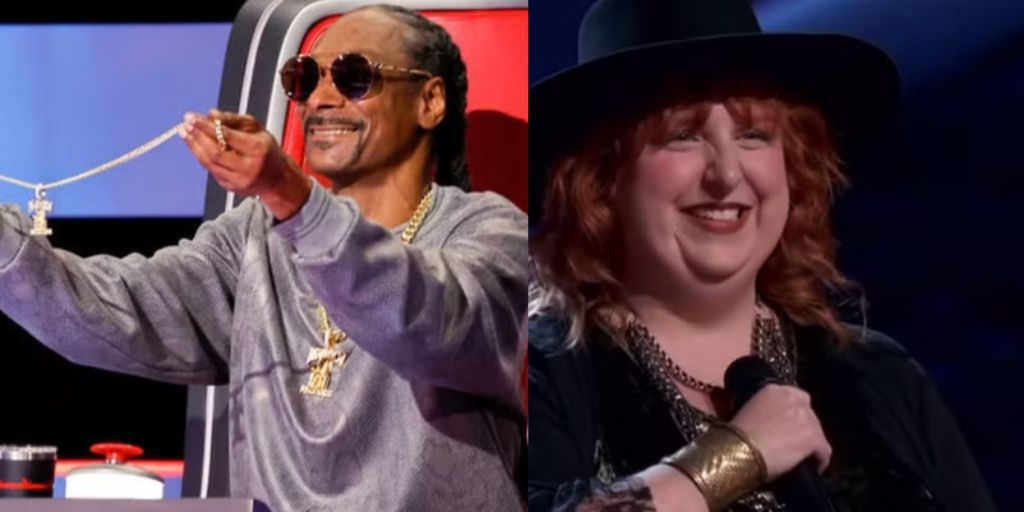
Still from The Voice Season 26 (Credit: NBC)
Bublé expresses his confidence, stating that they can make it to the finale. The audience is advised to keep an eye on Cameron; they may go far in the competition!
Bublé’s night is his most successful so far. He continues to impress the audience with his talent for finding unique singers. Following Cameron Wright, independent folk artist Mark Shiiba takes the stage. Drawing inspiration from Jack Johnson and Jason Mraz, Shiiba performs a classic by Bob Dylan using a guitar and harmonica.
At first, it is a sad moment for Shiiba, as they earn no turns from the coaches. However, Bublé reminds everyone that he still has the chance to activate his Coach Replay Button. With that, he does, ensuring that Shiiba is safe and still in the running. Bublé expresses his belief that Mark Shiiba can become a star and is eager to take a chance on him.
Snoop Dogg Continues To Be a Formidable Opponent
Snoop Dogg stands out as one of the most impressive rookie coaches in the recent history of “The Voice.” He has built a wonderfully balanced roster and consistently brings in a diversity of artists. One of the singers to impress him is Eliza Pryor, who is living the dream of many young, aspiring performers.
Originally from Dallas, Pryor now resides in Los Angeles, where she aims to make it big while still attending high school. Her resume is already impressive, including work in television, film, and video games. Now, she hopes to add singer to that list.
Pryor showcases her talent by singing “Linger” by The Cranberries, all while wearing striking teal cowboy boots. As she holds out her final note, Snoop Dogg turns at the last moment.
He recognizes her potential and knows that this is his last chance to have her on his team, especially since he does not have the Coach Replay Button available. Snoop believes that she will blossom under his guidance and mentions that he plans to introduce her to some Ella Fitzgerald as she continues her musical journey.
Later in the episode, we meet Brad Sample, who feels that “The Voice” may be his last opportunity to succeed. He brings a different energy to the stage with a rock performance.
Sample’s unique high voice catches the attention of both Reba and Snoop, who both turn their chairs, expressing their admiration for his artistry. Snoop adds him to his team, further solidifying the diverse mix of talent he is gathering this season.
To conclude his night, we hear from another artist who crosses over into the country genre. Mary McAvoy takes the stage with a country-pop sound that intrigues Snoop Dogg and Michael Bublé. Despite not wearing a cowboy hat, she impresses the rookie coaches.
The competition becomes fierce as both coaches vie for her talent, leading to a barter between them. Snoop offers his Team Snoop towel, while Bublé pitches his signature hockey jersey and a handmade macaroni necklace.
Ultimately, McAvoy’s intuition leads her to choose Snoop, marking another victory for him. Even though she didn’t get any turns initially, Reba congratulates her on joining “The Voice” family and expresses her eagerness to steal her in the next round.
Gwen Stefani and Reba McEntire Stack Their Teams
So far in the season, Reba McEntire and Gwen Stefani have allowed the new coaches to shine. However, they know when to step into the spotlight themselves. Tonight, Gwen adds some unique singers to her team. Among them is Kay Sibal, who arrives with her brothers supporting her from the audience.
Coming from a family of five, Kay’s parents are Filipino immigrants. They encouraged her to have a backup plan when she expressed her desire to pursue musical theater.
Today is particularly significant for Kay, as it coincides with the anniversary of her father’s passing from cancer. He was her biggest supporter, and she sees this performance as a sign from him.

Still from The Voice Season 26 (Credit: NBC)
Kay performs “From the Start” by Laufey, bringing a heartfelt energy to the stage. Her jazzy tune resonates with the coaches, earning a turn from everyone except Reba. With her bubbly personality and a vibe that aligns with Gwen Stefani, Michael Bublé tries to leverage his connection to jazz music to sway her choice.
Meanwhile, Snoop Dogg supports Gwen while Reba boosts Bublé’s chances. Ultimately, Kay chooses Gwen, marking an important moment for her journey.
Returning from having no chair turns in Season 21, Camyrn Books finds new luck with an entirely different group of coaches. She impresses everyone, earning a four-chair turn and successfully joining Team Gwen Stefani. Additionally, Beya, who hails from the Aloha state, also joins Gwen’s team, adding to the diversity of her roster.
Now, it’s Reba’s turn to add more talent to her team. Lauren-Michael Sellers hopes for a second chance at age 35 after overcoming a tough childhood. She shares her story of losing custody to her mother, who struggled with mental health issues, and being sent to live with her father, whom she had little connection with.
Despite her challenges, Lauren-Michael has found purpose as a music education teacher, working with children on the autism spectrum.
Her rendition of “Ocean (Where My Feet May Fail)” brings smiles to the faces of the coaches, especially Gwen Stefani. The emotional performance prompts all four coaches to turn their chairs for her.
After her heartfelt performance, Lauren-Michael expresses her desire to sing country music. Moved to tears, Reba becomes her chosen coach, recognizing the significance of this moment.
The fifth Blind Audition episode showcases a variety of talent, but not every singer walks away with a coach. Drake Hyde’s unique voice does not match the typical deep country sound, leading him to go home without a chair turn. Proud mother Dahlia Jones also leaves the studio without a coach. Despite these disappointments, the episode remains a celebration of new music and fresh talent.
With the coaches now cautious about making turns, as their rosters fill up, the stakes are lower than earlier in the season. However, this cautious approach allows some coaches to secure artists whom others may steal in the next round.
As the episode concludes, it is clear that the Blind Auditions are not just about finding talent but also about sharing stories and building connections. Each performance offers a view into the lives of the singers, reminding the audience that music is more than just entertainment; it is a form of expression and healing.
As we look forward to the upcoming episodes, it is evident that the competition is just beginning. Each singer brings their own story and unique sound, enriching the experience of “The Voice” for both the coaches and viewers.
With the coaches pushing to fill their teams, the next round promises to be even more exciting, featuring surprises, challenges, and memorable performances. Viewers are encouraged to stay tuned as the journey continues, and the singers strive to make their dreams a reality.
As the fifth episode of the Blind Auditions in Season 26 of “The Voice” draws to a close, viewers are left with a profound sense of connection to the artists and their journeys.
The blend of talent, emotion, and personal stories has elevated the competition, showcasing not just the singers’ abilities but also their resilience and courage. Each performance serves as a reminder that music is a powerful form of expression that can heal and inspire.
Cameron Wright’s impactful debut stands out as a testament to the importance of representation. By confidently sharing their identity as a non-binary artist, Wright not only attracts the coaches but also sends a message of inclusivity to audiences everywhere.
Their journey emphasizes the significance of visibility in the music industry, inspiring other non-binary individuals to embrace their true selves. The support from all four coaches reinforces the idea that music transcends boundaries and fosters a sense of community.
Meanwhile, Snoop Dogg’s impressive roster continues to grow, demonstrating his knack for discovering diverse talent. His ability to recognize potential in young artists like Eliza Pryor shows his commitment to nurturing the next generation of musicians.
Snoop’s approach emphasizes the importance of mentorship, encouraging artists to flourish while retaining their unique styles. This season, he has proven to be a formidable opponent and a genuine supporter of his team.
The emotional narratives of artists like Kay Sibal and Lauren-Michael Sellers add depth to the competition. Their stories highlight the struggles and triumphs that many face in pursuit of their dreams, reminding viewers that behind every performance is a person with hopes, fears, and a longing for connection.
The judges’ responses to these heartfelt stories further emphasize the human aspect of the show, showcasing their investment in the contestants’ journeys.

Still from The Voice Season 26 (Credit: NBC)
As the competition heats up, the stakes will only grow higher. Coaches must show their strategies carefully, balancing their desire for talent with the urgency to fill their teams. The Blind Auditions serve as a vital stepping stone toward the next phases of the competition, where the real challenges will begin.
With each episode, viewers are treated to a rich scheme of music and storytelling, making “The Voice” not just a singing competition but a celebration of diversity and resilience in the face of adversity.
Looking ahead, fans can expect even more exciting performances and emotional moments as the journey continues. With only a few spots left on each team, the pressure is on for contestants to make their mark and secure their place in this beloved competition.
As the season unfolds, the anticipation for what lies ahead grows, promising a attractive experience for both contestants and viewers alike.
On paper, very little about What We Do in the Shadows should have worked when it first premiered in 2019. The FX comedy-horror mockumentary had a lot to prove when trying to create its own identity separate from Jemaine Clement and Taika Waititi’s 2014 movie of the same name.
The film was well-loved, and many fans were curious if the show could live up to it. It had a tough job ahead, trying to carve out a new identity while living in the shadow of a successful predecessor.
However, the series took some time to find its own unique voice. It needed to develop its characters and storylines to stand apart from the film while maintaining the humor and charm that fans loved.
As the show continued to return year after year and season after season, it evolved beyond its predecessor. The characters became even more interesting than those original housemates. Each season built upon the last, introducing new elements that kept the audience engaged.
Five years ago, six seasons seemed like an impossible goal for What We Do in the Shadows, but now, the critically acclaimed, Emmy-nominated series is ready to celebrate its success. This celebration serves as a bittersweet farewell for our favorite vampires from Staten Island.
What Is What We Do in the Shadows Season 6 About?
Season 6 of What We Do in the Shadows mainly follows the vampires living in Staten Island. The main characters are Nandor the Relentless (played by Kayvan Novak), Laszlo Cravensworth (played by Matt Berry), Nadja of Antipaxos (played by Natasia Demetriou), and Colin Robinson (played by Mark Proksch).
They return to their usual antics, or so we think. The dynamic in the house has changed significantly since Nandor’s former assistant, Guillermo (played by Harvey Guillén), decided to move out. This move seemed permanent, but as the premiere quickly reveals, he has not strayed too far from his original home.
Guillermo’s proximity to the vampires means that, despite his quest for independence—especially as he searches for a new job in the human world—he becomes a reluctant sounding board for the vampires. Each of them knocks on his door to get some advice or to vent their own struggles.
This sets the stage for a season filled with humor, heart, and character development. The series continues to show the dynamics of friendship, loyalty, and the challenges of living with others, even when those others are vampires.
The New Housemate
While Guillermo tries to find his own path, a new member of the household threatens to disrupt the fragile relationships that are already in play.
When he is awakened from his coffin, it creates chaos. This event marks an early example of What We Do in the Shadows coming full circle. The revival of this old roommate, Jerry, also plunges the vampires into a bit of an “unlife crisis.”
The vampires’ initial mission had been to take over Staten Island. However, over all this time, they have only managed to assert their control over a couple of blocks. This realization hits them hard.
No wonder, then, that Laszlo, Nandor, and Nadja decide to use this wake-up call to pursue their long-held dreams. These decisions might put them at odds with each other, adding tension and humor to the season.
Jerry’s return serves as a catalyst for the characters’ growth. Each vampire must confront their feelings about their shared living situation and what it means for their future.
The arrival of a new roommate, especially one who has been asleep for so long, forces them to evaluate their relationships and their goals. It is a reminder that even in their supernatural lives, they must deal with ordinary issues like communication and boundaries.
Guillermo’s Journey
While What We Do in the Shadows Season 5 seemed to set up a permanent change in the roommate dynamic with the reveal that Guillermo was about to turn into a vampire, the finale resolved that storyline. Guillermo’s unprepared sire, Derek (played by Chris Sandiford), is murdered, which reverts Guillermo back to being human.
Season 6 finds him trying to break free from reliance on his former roommates. However, setting boundaries is easier said than done. The vampires are already codependent and needy beings.
In previous seasons, it would have been highlighted how helpless Nandor, Laszlo, and Nadja are without Guillermo. They often relied on him for guidance, support, and even basic day-to-day activities. However, this time emphasizes that this group has forged a tighter bond of friendship. This bond is not easily broken by distance or a change of occupation.
One episode shows several of the vampires looking into Guillermo’s new job. They meddle in his affairs, but it is clear that they are doing it out of concern for him rather than selfish motives.
This nuance shows how the characters have grown and developed over time. They are learning to care for each other in healthier ways, even if their methods are often comically misguided.
Character Dynamics
The cast of What We Do in the Shadows has always brought their A-game. Their performances have grown stronger with each season, leading to iconic line deliveries that are now part of our cultural lexicon.
The series’ ensemble format remains intact, but the plot that kicks off Season 6 revolves more around Guillermo and Laszlo’s escapades. Laszlo enlists Colin Robinson to help him with his schemes, leading to hilarious situations.

Still from What We Do in the Shadows (Credit: FX)
As the season progresses, there are also opportunities to check in more frequently with Nadja and Nandor. Each character brings their unique flavor to the show, contributing to the full humor and charm.
For now, there is just enough of The Guide (played by Kristen Schaal) sprinkled throughout to keep her presence fresh. This season ultimately belongs to Guillermo. It has been heartening to watch his character’s evolution over the last five years.
Guillén’s performance is a highlight, as he showcases a range of emotions. His growth from a human assistant to a more independent individual is rewarding to watch. He is mastering the fourth-wall-breaking looks at the camera that make viewers feel like they are sharing in Guillermo’s experiences.
Humor and Themes
The humor in What We Do in the Shadows often stems from the absurdity of its situations. The show finds comedy in the mundane aspects of life, juxtaposed with the supernatural elements of being a vampire.
This blend of humor allows for relatable storytelling, even in the context of a mockumentary about vampires. The writing team has done an excellent job of keeping the humor fresh while developing deeper themes throughout the show.
As the series goes on, we see the characters grapple with their identities, relationships, and what it means to be a vampire in the modern world. The scheme of these themes is both funny and poignant. The characters’ struggles with friendship, loyalty, and self-discovery resonate with viewers, making the show more than just a comedy.
The show also tackles issues of acceptance and understanding. The vampires must show their relationships with each other and the human world around them.
Guillermo, in particular, faces challenges as he tries to find a balance between his human life and his friendships with the vampires. His journey is relatable, as many people face challenges in their relationships and seek their own identity.
Engaging Storylines
The first few episodes of What We Do in the Shadows’ final season prove that the show remains entertaining. The premiere feels a bit slow at first as it establishes the main story arcs for the rest of the season.
However, subsequent episodes, like “Headhunting” and “Sleep Hypnosis,” set up storylines that promise an exciting conclusion. Each episode builds on the last, creating a cohesive narrative that keeps viewers engaged.
The season shows various storylines, each with its own unique twist. The writers continue to surprise the audience with unexpected developments while maintaining the show’s signature humor.
As the season progresses, we see the vampires confront their pasts, aspirations, and the consequences of their actions. This blend of humor and depth is what makes the series stand out.
The plot structure allows for episodic adventures while still focusing on overarching themes. For instance, in “Headhunting,” the vampires participate in a bizarre and comical hunt for heads, which leads to chaos and unexpected revelations.
This storyline is not just about the hunt; it also serves as a vehicle for character development. We see how each character reacts to the situation and what it reveals about them.
Character Development and Relationships
Character development remains at the forefront of Season 6. Each character experiences growth and change as they face their challenges. Nandor, Laszlo, Nadja, and Guillermo are all given opportunities to shine, showcasing their unique personalities and quirks.
Nandor, often portrayed as the “leader” of the group, grapples with his own insecurities. As he faces challenges, we see him evolve from a self-assured vampire to someone who questions his choices and motivations. This journey adds depth to his character and allows viewers to connect with him on a more personal level.
Laszlo, the charming and often mischievous vampire, continues to provide comic relief. However, beneath his humorous exterior, he grapples with the consequences of his actions. His interactions with Guillermo highlight the evolving dynamics of their friendship. Laszlo’s character often serves as a reminder that humor can be both entertaining and reflective.
With her fierce personality, Nadja brings a unique perspective to the group. Her character development reveals layers of vulnerability, showing that even the most confident individuals can face challenges. Showing her backstory adds depth to her character, making her more relatable to viewers.
Colin Robinson, the energy vampire, continues to be a source of intrigue. His interactions with the other vampires provide comedic moments while also highlighting the unique dynamics of their relationships. Colin’s character serves as a reminder that friendships can be complex, even among supernatural beings.
The Final Season: A Bittersweet Farewell
As we approach the conclusion of What We Do in the Shadows, the final season is filled with nostalgia and reflection. The characters look back on their experiences, friendships, and the moments that defined them. The show expertly weaves humor with sentimentality, allowing viewers to reminisce about the journey.
Fans have grown attached to these characters over the years. The emotional stakes are higher than ever as we witness their final adventures. The show’s ability to balance comedy and heart is one of its strongest qualities. As the season progresses, it becomes evident that the vampires’ stories are coming to a close.
The writers take risks in this final season, showing new themes and pushing the boundaries of the characters. This willingness to evolve and adapt is a testament to the show’s creativity. The humor remains sharp, but the emotional depth adds layers to the storytelling.
As viewers, we find ourselves invested in the outcomes of these characters. The relationships they have built over the years are palpable, and the stakes feel real. The final season serves as a celebration of everything that made What We Do in the Shadows a beloved series.
The Cultural Impact of What We Do in the Shadows
What We Do in the Shadows has left a significant mark on pop culture. Its unique blend of comedy and horror has inspired a devoted fanbase. The show’s humor resonates with audiences, creating memorable catchphrases and iconic moments that will be remembered for years to come.
The series has also paved the way for other comedic horror shows, proving that there is an audience for this niche genre. Its success has inspired a wave of new content that shows similar themes, showcasing the influence of What We Do in the Shadows on contemporary television.
The characters have become cultural icons in their own right. Fans eagerly share memes, fan art, and discussions about their favorite moments. The show has sparked a community of viewers who connect over their love for the characters and the humor they bring to the screen.

Still from What We Do in the Shadows (Credit: FX)
The series has also been recognized for its writing and performances. The creative team behind What We Do in the Shadows has garnered praise for their ability to craft clever, funny, and engaging stories. The talented cast brings these characters to life, adding depth and nuance to their performances.
Conclusion
What We Do in the Shadows Season 6 premieres with its first three episodes on October 21 on FX, streaming next-day on Hulu. Fans are excited to see how the show will wrap up the stories of these beloved characters.
As we look forward to this final season, it is clear that What We Do in the Shadows has carved out a special place in our hearts and in the comedy genre.
The series has proven that it can stand on its own while still paying homage to its origins. It is a testament to the talent of the cast and crew that they have created a show that resonates with viewers.
As we prepare for the final episodes, we remember the laughs, the friendships, and the unforgettable moments that What We Do in the Shadows has given us.
