In The Woman in the House Across the Street from the Girl in the Window , the identity of the killer is revealed as Neil’s daughter, Emma, a serial killer with disturbing motives. Anna, the protagonist, overcomes her intense fear of rain in a brave moment during the investigation. The ending not only resolves Lisa’s murder but also sets the stage for a potential second season with mysterious disappearances and more thrilling twists.
The final episode of The Woman in the House Across the Street ties up several loose threads while leaving the door open for future intrigue. Anna (Kristen Bell), struggling with trauma and alcoholism, witnesses what appears to be the murder of her neighbor Lisa (Shelley Hennig) but is initially told by the police that Lisa is alive. This confusion sets the tone for the show, a darkly comedic parody of crime dramas.
The Woman in the House Across the Street Ending Explained

Emma
Throughout the first season, Anna investigates several potential suspects, including Neil, her handyman Buell (Cameron Britton), and Lisa’s shady business partner Rex (Benjamin Levy Aguilar). As Anna delves deeper into Lisa’s murder, she confronts her own past, including the tragic death of her daughter, her fear of rain, and her rediscovered love of painting. The series masterfully weaves these personal elements into the main mystery, culminating in a stunning conclusion.
The Killer’s Reveal
The show constantly teases the possibility of multiple suspects being behind Lisa’s death. Anna becomes increasingly suspicious of Neil, especially when she uncovers a pattern of women dying around him. Meanwhile, Buell and Rex also seem to be key players, and Anna herself becomes a suspect. The tension builds throughout the series, but it isn’t until the final moments that the truth is revealed.
The killer’s true identity is Emma (Samsara Leela Yett), Neil’s daughter. Anna finds Neil dead with his throat slit, and Emma is standing nearby, holding a bloody knife. This confirms that Emma is the serial killer responsible for several murders. Emma confesses that she killed Lisa after the woman refused to buy chocolate boxes for her school. She had already killed her mother, who was pregnant, and one of her teachers by pushing her off a lighthouse.
Emma’s motives are chilling, as she explains her desire to remain an only child and her anger towards anyone who poses a threat to that. In a darkly comic twist, Emma even reveals that she killed Neil because he was terrible at performing with his ventriloquist dummy. She had planned to kill Anna as well, but in a moment of self-defense, Anna ultimately kills Emma.
Anna’s Overcoming Her Fear of Rain
In addition to the stunning revelations about Emma’s crimes, The Woman in the House Across the Street also offers some positive moments. Anna, who has suffered from homophobia (fear of rain) due to the trauma surrounding her daughter’s death, finds the courage to confront her fear. The series doesn’t provide a clear explanation for why Anna’s fear vanishes, but her decision to run through the rain marks a symbolic moment of healing.
Another twist in the finale is the revelation that Douglas (Michael Ealy), Anna’s ex-husband, has been serving as her therapist. This disclosure kept hidden until episode 7, redefines their relationship. While Anna seems to have moved forward with her life, questions remain about why her phone contacts him as “Therapist” while her messages address him by his name, Douglas.
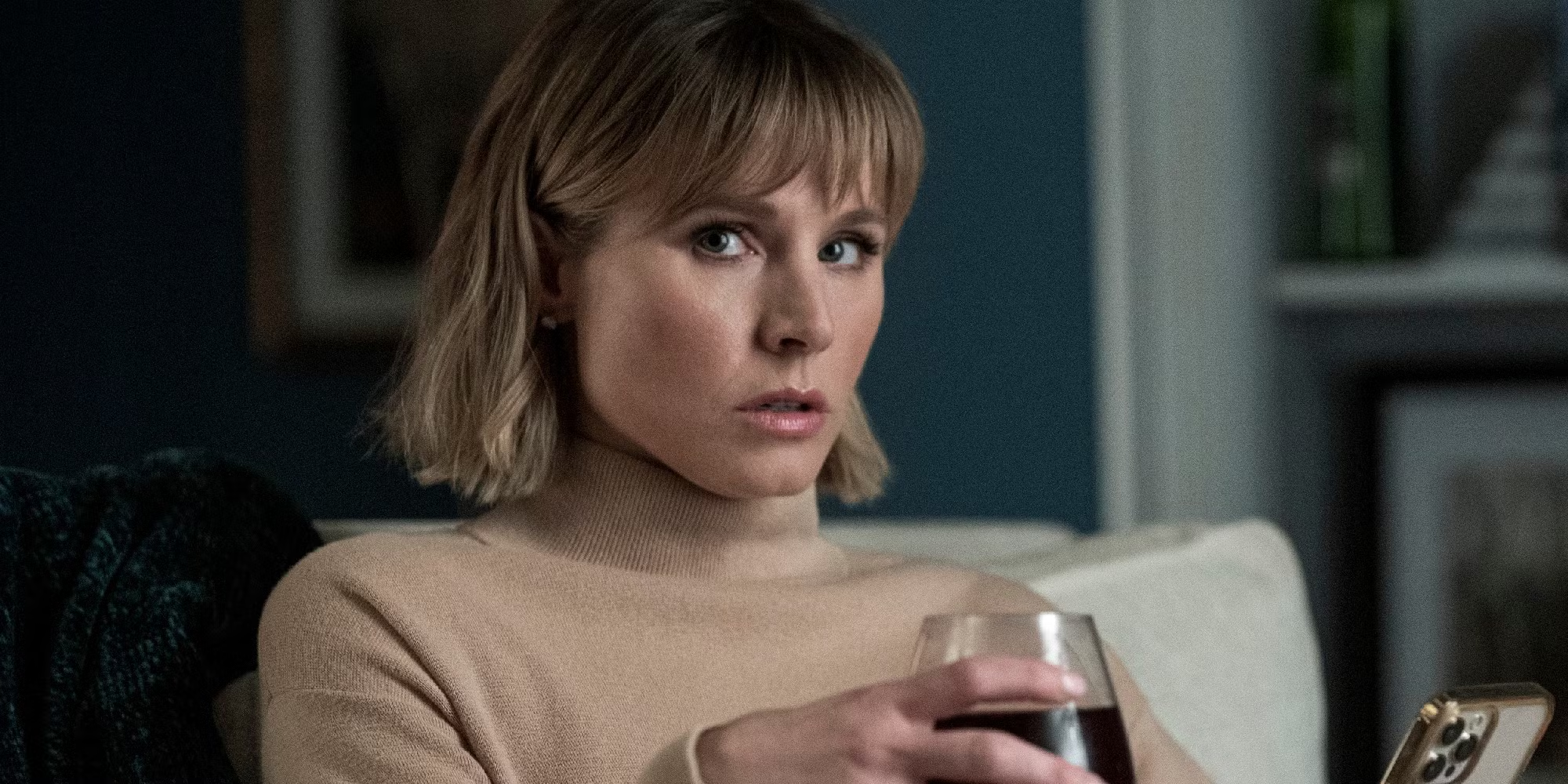
Anna (Image via Getty)
The Time Jump and Anna’s Life One Year Later
As the series draws to a close, it introduces a time jump, moving Anna’s story one year into the future. Anna and Douglas are back together, and they now have a baby. Despite this, the fate of Buell, who had lived in Anna’s attic, is left unclear. In the final scenes, Anna is at the airport, preparing to fly to New York to visit her sister. She seems to be in a better place mentally, although she still carries some anxiety, bringing along Xanax and a new book.
The time jump not only advances Anna’s life but also sets up potential storylines for a second season. On the plane to New York, Anna encounters a mysterious passenger played by Glenn Close. After a brief conversation, Close’s character disappears, and Anna discovers her dead body in the airplane bathroom. However, when Anna returns with a flight attendant, Close’s body is gone, leaving Anna to wonder if she’s hallucinating or if something far more sinister is at play.
The Mystery of Glenn Close’s Character
The final scene with Glenn Close hints at a larger mystery for season 2, as Anna is left questioning her own reality. The sudden disappearance of the body raises the stakes for the next chapter of the story. This sequence suggests that Anna’s investigation into strange events will continue, and the show’s focus may shift beyond her home to new settings.
As for a second season, the finale leaves room for further exploration. While The Woman in the House Across the Street was initially conceived as a limited series, the intriguing developments in the final moments have sparked speculation about a possible continuation. According to the show’s co-creator, Rachel Ramras, the last scene was intended as a playful nod to serialized thrillers, similar to the way books sometimes include a teaser for the next installment. Although the creators had no plans for a second season at the time, the open-ended conclusion has led to increased fan interest in seeing what comes next for Anna.
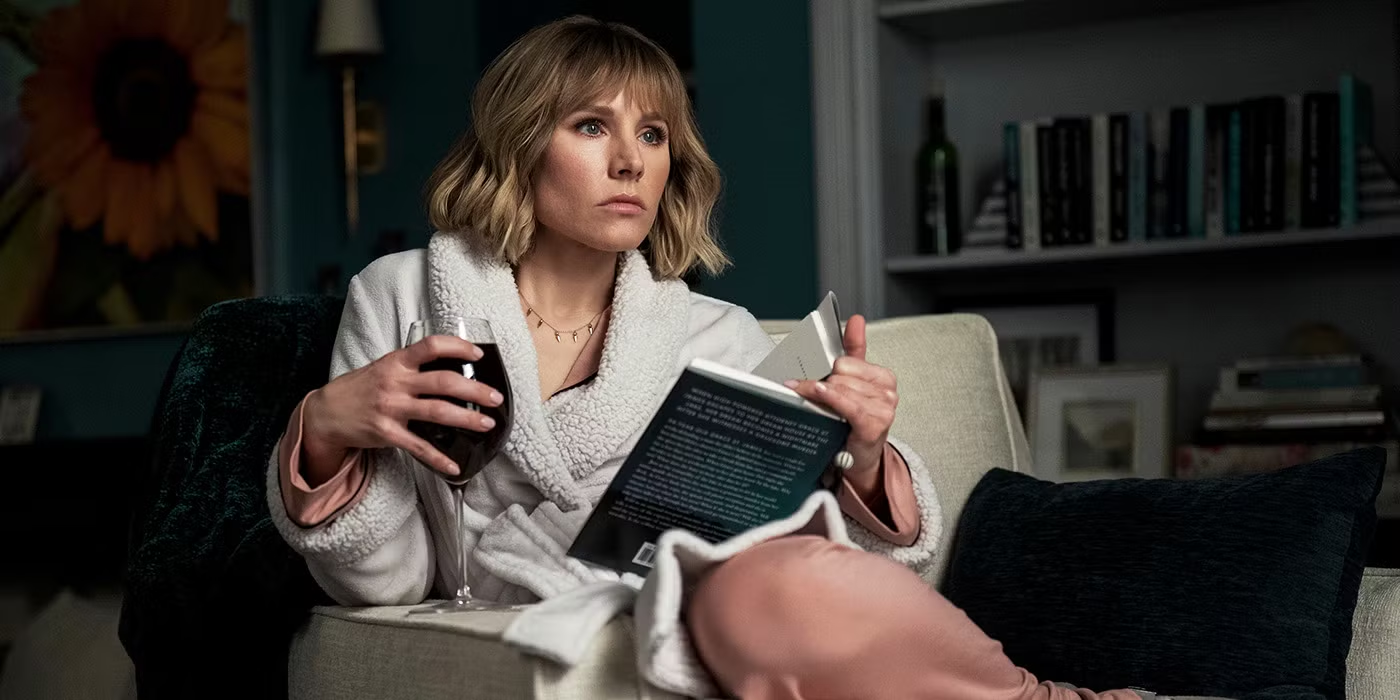
Anna (Image via Getty)
Possibilities for Season 2
If a second season were to happen, it could expand the story in new directions. With Anna and Douglas back together and their new baby, the show could introduce fresh mysteries and more complex threats. Like Only Murders in the Building , which successfully reinvents itself each season, The Woman in the House Across the Street could continue to evolve while keeping its dark humor and thrilling mystery at the forefront.
The ending of The Woman in the House Across the Street from the Girl in the Window provides resolution while keeping the door open for more. Anna’s journey of overcoming her personal demons and solving the murder mystery sets the stage for potential new challenges. Whether or not a second season will be made remains uncertain, but the show has certainly left fans eager for more twists and turns in Anna’s life.
Rian Johnson’s Knives Out is a compelling murder mystery that constantly keeps audiences guessing. With numerous twists, it delivers a surprising yet satisfying ending, revealing the real culprit behind the death of the famous author, Harlan Thrombey (played by Christopher Plummer). At the center of this mystery is Benoit Blanc, a sharp private investigator (Daniel Craig), who is hired to probe Harlan’s apparent suicide after his birthday party. As Blanc investigates, he uncovers that each member of the Thrombey family had a potential motive to kill Harlan, from covering up secrets to inheriting his vast fortune.
Despite the many suspicious family members, only one person is revealed to have orchestrated Harlan’s death: his grandson, Hugh Ransom Drysdale (Chris Evans). The finale of the film unravels through several flashbacks and key twists, making it one of the most talked-about conclusions in modern cinema. With its fast-paced ending, Knives Out can be tricky to follow, especially as the final act is dense with revelations.
Knives Out Ending Explained
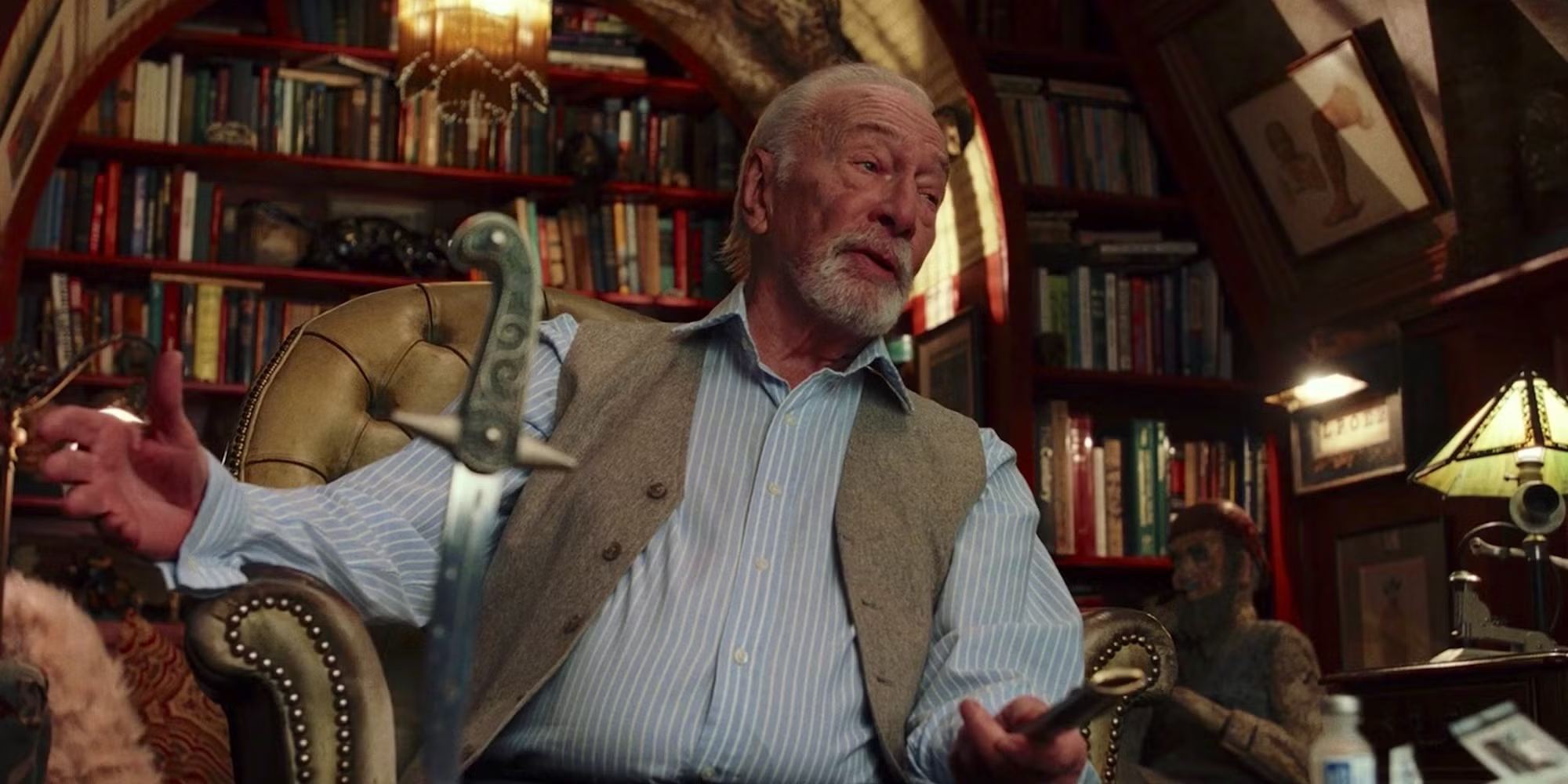
Harlan Thrombey (Image via Getty)
The final third of the film shows a heart-stopping twist. Marta, the nurse who attended Harlan, goes to see Fran, the housekeeper, who has discovered Ransom’s true identity as the murderer. Fran, dying from a morphine overdose, holds a crucial piece of evidence: a photocopy of Harlan’s blood test, proving he was not killed by an overdose. Marta, overwhelmed with guilt, confesses to Blanc that she accidentally gave Harlan a fatal dose of morphine. As Fran is rushed to the hospital, Marta nearly admits the truth to the Thrombey family, but Blanc soon realizes that she is innocent.
The story then shifts into a classic murder-mystery style as Benoit Blanc pieces together the events that led to Harlan’s death. He reconstructs how Ransom sneaked back into the house, climbed the trellis, and tampered with the medication. As the pieces fall into place, Blanc lays out the entire scenario before Ransom, who, believing he’s doomed, confesses. However, a twist follows: Fran dies from the overdose, but Marta has recorded Ransom’s confession on her phone. Ransom attempts to flee, but he is captured, and Marta walks away with Harlan’s mansion and fortune.
The Truth Behind Harlan Thrombey’s Death
One of the most unexpected aspects of Knives Out is that Harlan’s death is shown early on, as the film sets up the mystery. Marta is administering Harlan’s nightly medication when an accident causes the vials to fall. In her haste, Marta accidentally switches the vials, giving Harlan a lethal dose of morphine. But the antidote for the overdose is mysteriously missing. Realizing that she would be blamed for the death and fearing for her family’s future, Marta follows Harlan’s instructions to leave and then return to the house, pretending to be him.
Before the morphine can take its deadly toll, Harlan decides to end his life by slitting his own throat, making it appear as though he committed suicide rather than dying from an accident. The film then reveals that Harlan’s death wasn’t an accident at all. It was a plot orchestrated by Ransom, who wanted to set Marta up to take the fall.
How Ransom’s Plan Unfolded
Ransom’s scheme to have Marta unknowingly kill Harlan begins with his resentment after being cut out of Harlan’s will. Harlan’s fortune was left to Marta, and Ransom, motivated by greed, conspired to frame her for his grandfather’s murder. He switched the labels on the medication in Marta’s bag, then stole the antidote, ensuring that no one could save Harlan if he overdosed. However, the plan faltered when Marta mistakenly gave Harlan the correct dose of medication, saving his life.
Despite Ransom’s failure, the situation took a darker turn when he later killed Fran, the housekeeper, to cover his tracks. Fran had discovered his tampering with the medicine and had kept a copy of the blood test, which would have exonerated Marta. Ransom, in a panic, murdered Fran and set up Marta to take the blame.
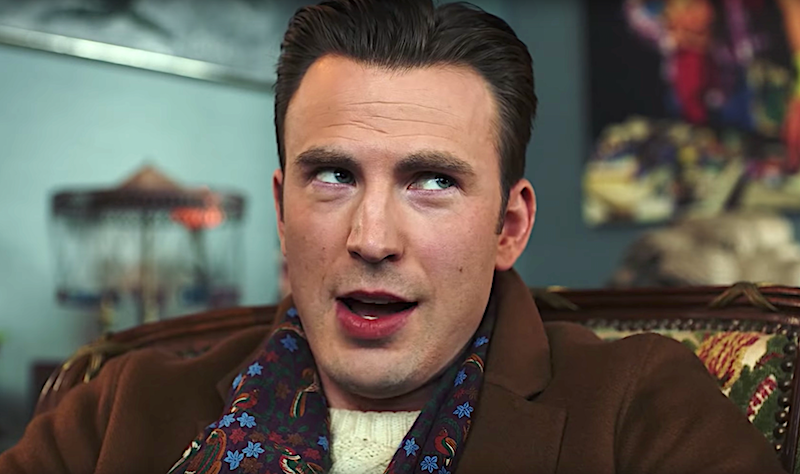
Ransom (Image via Getty)
Ransom’s Plan Goes Awry
Ransom’s original plan involved sneaking back into the house after storming out in anger over the will change. He climbed up the trellis to avoid detection and switched the vials of medication. However, things didn’t go as planned. Fran witnessed Ransom’s actions, and Marta unintentionally gave Harlan the correct medicine, saving his life. Ransom’s plan was already failing, but when he hired Benoit Blanc to investigate, he believed the detective’s skills would ultimately frame Marta.
Ransom then went to great lengths to cover up his involvement, even burning the lab where Fran’s blood tests were stored. But Fran had kept a copy of the test, and before she died, she sent Ransom a warning, “I KNOW WHAT YOU DID.” Ransom tried to set Marta up by sending her a message, tricking her into thinking the blood test would prove her guilt.
Ransom as the Villain: A Perfect Choice
Ransom is the ideal villain in Knives Out , perfectly crafted to surprise the audience. From the start, he is portrayed as an arrogant, entitled figure who stands out among the Thrombey family members. While the family members are all suspicious, Ransom’s behavior makes him appear both obvious and inconspicuous as the culprit. The way the film misdirects the audience into believing Marta is the killer only makes Ransom’s ultimate revelation more impactful.
The film subtly manipulates the audience’s expectations, leading them to believe in Marta’s guilt before turning the tables. The fact that Marta, the kind-hearted nurse, is deceived by Ransom’s villainy mirrors the audience’s own false assumptions, making the reveal of Ransom as the true killer more satisfying. His cold, calculating nature contrasts sharply with Marta’s genuine goodness, making her triumph over him all the more rewarding.

Investigator and Marta (Image via Getty)
The Deeper Meaning of Knives Out’s Conclusion
Despite the tragedy of Harlan’s death, the film’s ending is ultimately optimistic. Marta, though flawed, proves to be a truly good person. Her attempt to cover up Harlan’s death was driven by a desire to protect her family, but her guilt weighs on her. She could have let Fran die to avoid the consequences, but her good nature prevailed, and her actions saved the day.
The movie critiques the entitlement of the Thrombey family, who believe they deserve Harlan’s wealth because of their family connections and inherited success. In contrast, Marta receives Harlan’s fortune because she is kind to him without any hidden agenda. Knives Out challenges the notion of inherited wealth and the entitlement that comes with it, making a statement about privilege and the importance of genuine goodness.
