Several middle and high schools across the United States have quietly removed popular shonen anime from classroom libraries and extracurricular clubs. Titles like Naruto , Attack on Titan , and My Hero Academia were cited in internal policy memos for “glorifying male aggression, hierarchy, and emotional repression.” While the bans are local, the backlash has gone viral.
On TikTok, teen creators in feminist and progressive circles have cheered the decisions. Clips with the hashtag #AnimeBan have racked up millions of views, with users arguing that anime reinforces patriarchal values and gives boys the wrong idea about strength and emotion.
TikTok Applauds, Critics Push Back
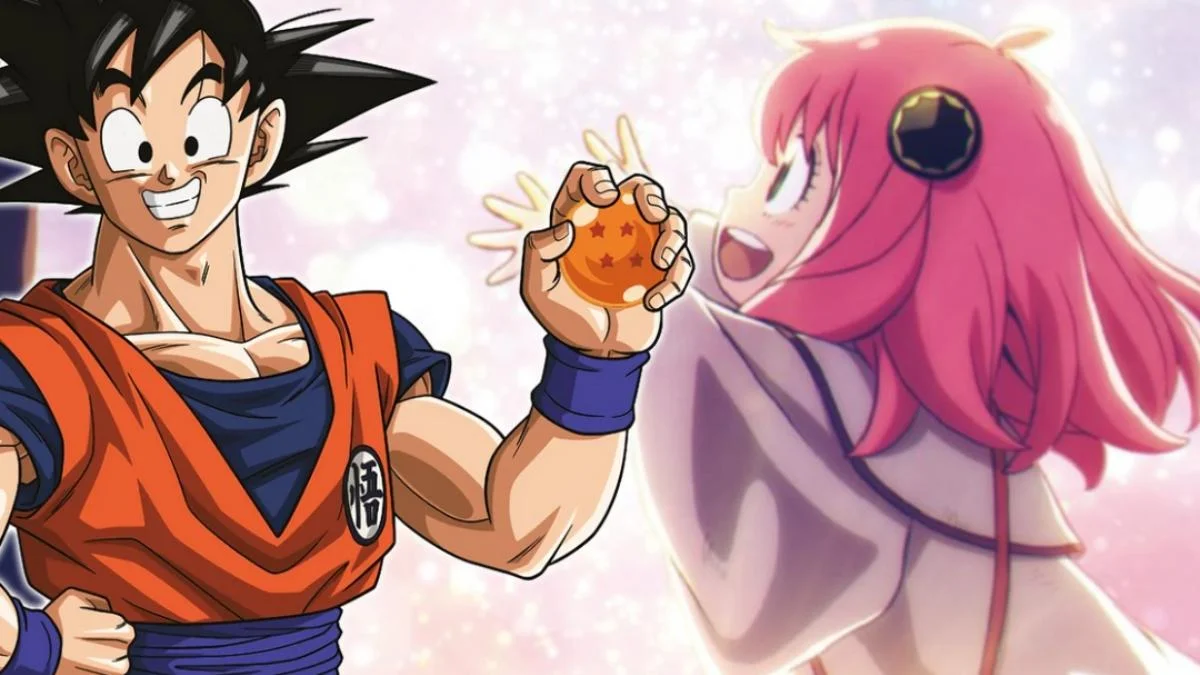
Goku and Anya (Credits: Shueisha)
One viral video featured a student celebrating the ban of Dragon Ball Z , saying “We don’t need boys thinking stoicism and punching things make them men.” Others slammed anime for its lack of strong female representation and emotional nuance, calling it “a pipeline to toxic masculinity.”
The response was swift. Older fans and educators, many of whom grew up with anime as an emotional outlet, condemned the movement as misinformed. “Banning anime won’t fix society’s issues with masculinity,” said one California teacher in a PBS NewsHour interview. “If anything, series like One Piece and Fullmetal Alchemist teach empathy, grief, and teamwork.”
On Reddit and X, anime communities accused school boards of caving to online moral panics. They argued that anime offers a wide range of stories and that cherry-picking a few shonen tropes doesn’t reflect the genre’s diversity.
Schools Navigate Culture and Censorship
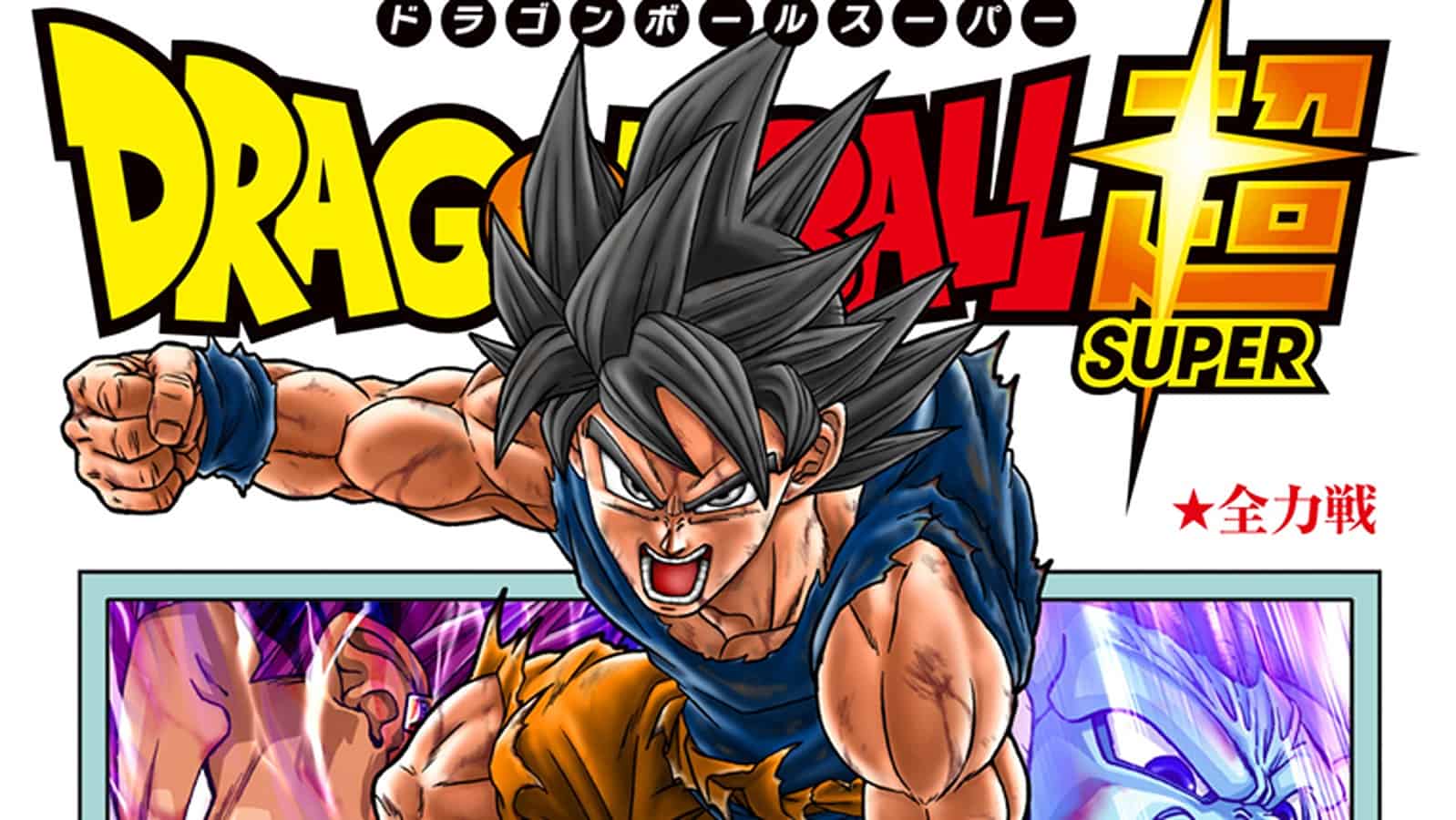
Dragon Ball Super (Credits: Manga Plus)
The bans appear to stem from a mix of parent complaints and administrative caution. According to an internal memo obtained by NPR , one Midwest school district cited “psychological impacts” on male students who mimic “alpha male” behaviors depicted in anime. Another district flagged “graphic fight scenes” and “glorification of trauma.”
Legal experts note that while schools have broad discretion over extracurricular materials, blanket bans could trigger free speech concerns. The American Library Association has urged districts to carefully review such decisions rather than react to social media trends.
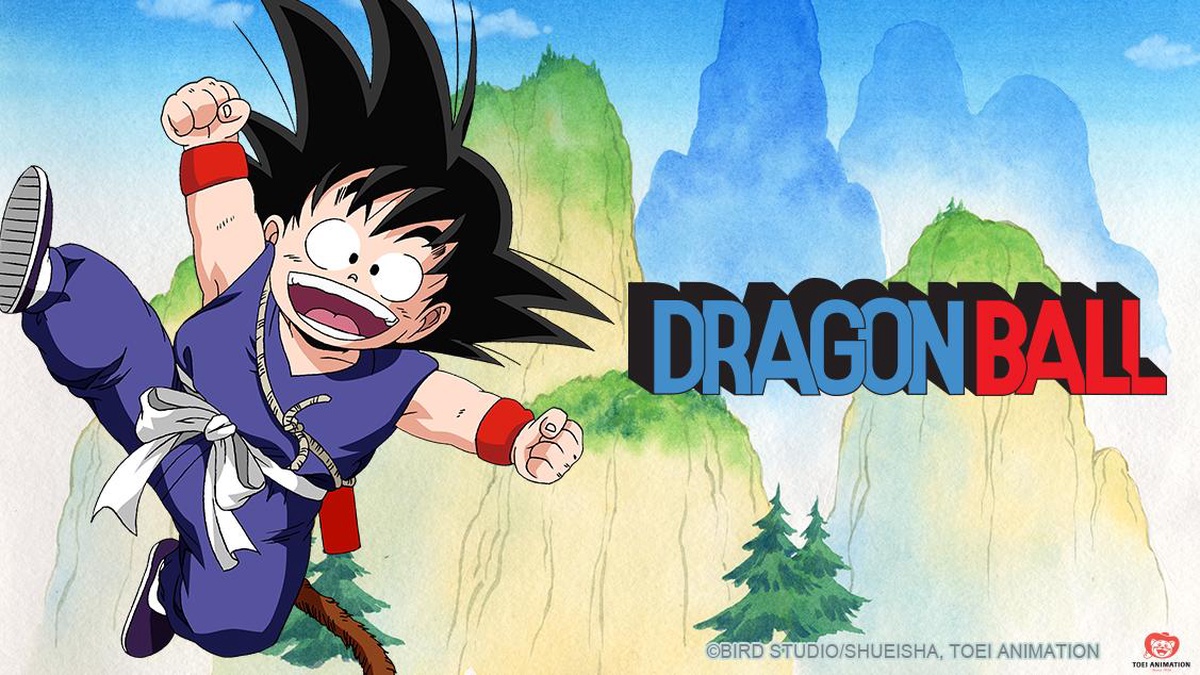
Goku from Dragon Ball (Credits: Toei Animation)
Anime studios have yet to comment, but some U.S.-based licensors, including Crunchyroll and Viz Media, are reportedly monitoring the situation. As the debate rages, many fans fear this could signal a broader cultural backlash—one where anime becomes a scapegoat in fights over youth identity and gender politics.
Whether the bans spread or face pushback from parents and fans, one thing is clear: anime has once again found itself at the heart of a generational war—this time with TikTok as the main battlefield.
A wave of activism has erupted after several international feminist organizations jointly launched a campaign to ban ecchi anime from mainstream streaming platforms. The movement, named “No More Fanservice,” directly targets series known for sexualized content, arguing they normalize the objectification of women under the guise of animation. Their demands have sparked uproar throughout the anime community.
The campaign’s lead organizers cite anime like Prison School , High School DxD , and To Love Ru as egregious offenders. In a formal letter sent to Netflix and Crunchyroll , the groups argue that ecchi content “fails to offer artistic or narrative merit” and instead “thrives on the exploitation of female bodies for male pleasure.”
Platforms Under Fire, Fans Push Back
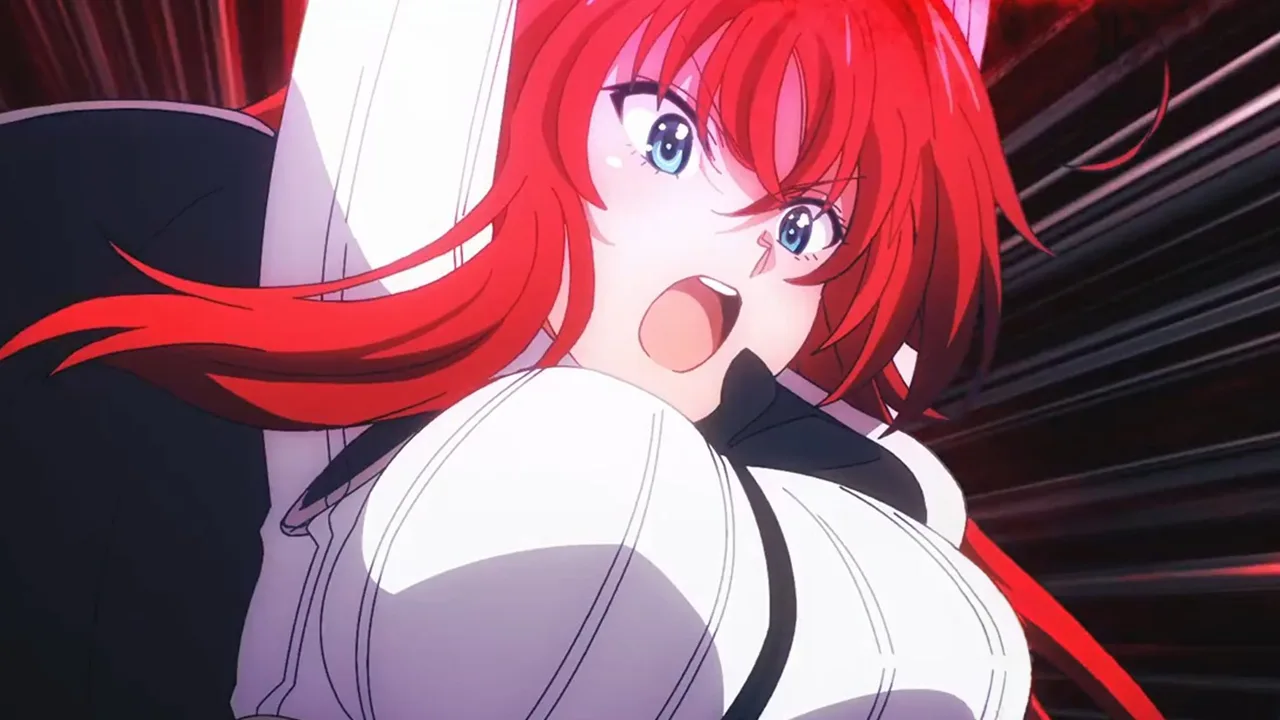
High School DxD
Activists claim these shows are accessible to underage viewers and bypass age restrictions due to the anime medium being perceived as harmless or comedic. “You wouldn’t allow this in live-action teen shows—why is it okay in anime?” said one campaign spokesperson in an interview.
In response, fans across platforms like Reddit and X accused the movement of cultural imperialism and misunderstanding the nuances of Japanese animation. Supporters argue that ecchi is a long-standing genre tied to satire, sexual expression, and comedic exaggeration rather than pornography.
One user posted, “If you don’t like it, don’t watch it. But don’t police what others enjoy—especially when it’s clearly labeled and separated.” Others pointed out that Japan already has strict content ratings, and viewers globally have tools to filter or avoid such content.
Industry Quiet but Watching

High School DxD
While no major platform has issued an official statement, industry insiders told The Japan Times that discussions are underway behind the scenes. Licensing companies worry about bad press but are equally concerned about alienating loyal audiences.
Some creators have pushed back, defending their work as a form of stylized, exaggerated fiction. “There’s a difference between titillation and harm,” wrote one ecchi manga artist in a now-viral X post. “You don’t have to like it, but it’s part of our artistic spectrum.”
As petitions rack up thousands of signatures and content warning systems face scrutiny, the outcome of this movement may redefine what international audiences can access. For now, the future of ecchi anime hangs in the balance—caught between rising social responsibility and the fight to preserve creative liberty.
As noted by New University , “With anime now holding its place in American entertainment, the culture of sexualizing Japanese women is slowly being much more normalized and made mainstream in the media than ever before. However, its impacts have now expanded to include all Asian American women.”
The article further adds, “Not only does this stereotype increase the risk of Asian women becoming victims of sexual harassment and abuse, but it can also risk their lives as well.”
Meanwhile, ComicBook.com reported that “The Japanese Communist Party is looking to file a global complaint against manga’s use of ‘sexy’ women.”
The same report also highlights that, “We will also submit our report to the United Nations Committee on the Elimination of Discrimination Against Women,” signaling a broader global pushback.
