Tom Sachs, a renowned American artist best known for his provocative and boundary-pushing work, has found himself embroiled in controversy. While his innovative approach to art has earned him both acclaim and notoriety, recent allegations have put his career in the spotlight for all the wrong reasons. In this, we explore the details of the Tom Sachs controversy, the accusations against him, and the subsequent effects on his reputation and the art community.
The Rise of Tom Sachs: A Creative Force
Before the controversy took center stage, Tom Sachs was widely regarded as one of the most influential contemporary artists. His work often merges art with consumer culture, exploring themes of technology, industrialization, and the intersection of high and low culture. Sachs’ iconic sculptures, often made from everyday objects like Lego bricks or Nike sneakers, earned him international recognition. His style blends high-art techniques with a DIY sensibility, pushing the boundaries of what art can be.

Tom Sachs (Image via Getty)
The artist’s collaborations with major brands like Nike and his exhibitions in prestigious galleries established Sachs as a creative force to be reckoned with. He quickly became a fixture in the art world, celebrated for his daring, sometimes controversial approach to art-making.
The Controversy: Allegations Surface
In 2023, allegations of misconduct against Sachs began circulating, and the artist’s reputation quickly took a hit. The accusations were primarily related to the treatment of female employees at his studio, with multiple individuals speaking out about an alleged toxic work environment. Former employees accused Sachs of fostering a workplace atmosphere that included inappropriate behavior, mistreatment, and a lack of respect for his staff.
The accusations were particularly serious, as they painted a picture of a workplace rife with intimidation and control. Several women came forward with claims that Sachs was not only verbally abusive but that his actions created an atmosphere where harassment was tolerated. As the allegations gained traction in the media, Sachs became the focal point of a heated debate on accountability in the art world and beyond.
Impact on the Art World
The allegations against Tom Sachs sparked significant discussions about power dynamics in the art world and the broader creative industry. While many in the art community were quick to condemn the behavior outlined in the accusations, there was also a growing sense of unease about how the industry would respond to such claims, especially given Sachs’ stature.
Art, by nature, often challenges societal norms and conventions, but the Tom Sachs controversy brought attention to the fine line between artistic freedom and ethical behavior. Artists, curators, and gallery owners were forced to question their own responsibility in upholding standards of decency and respect in the workplace, while also grappling with the ways in which fame and power can create dangerous dynamics.
Reactions from the Public and Industry
As the controversy unfolded, Sachs’ supporters rallied behind him, with many arguing that the allegations were either exaggerated or outright false. Some critics suggested that the claims were part of a larger cultural trend to “cancel” individuals for any form of misconduct, regardless of the context. These voices emphasized the importance of separating the artist from the art, asserting that Sachs’ work should not be dismissed based on personal behavior.
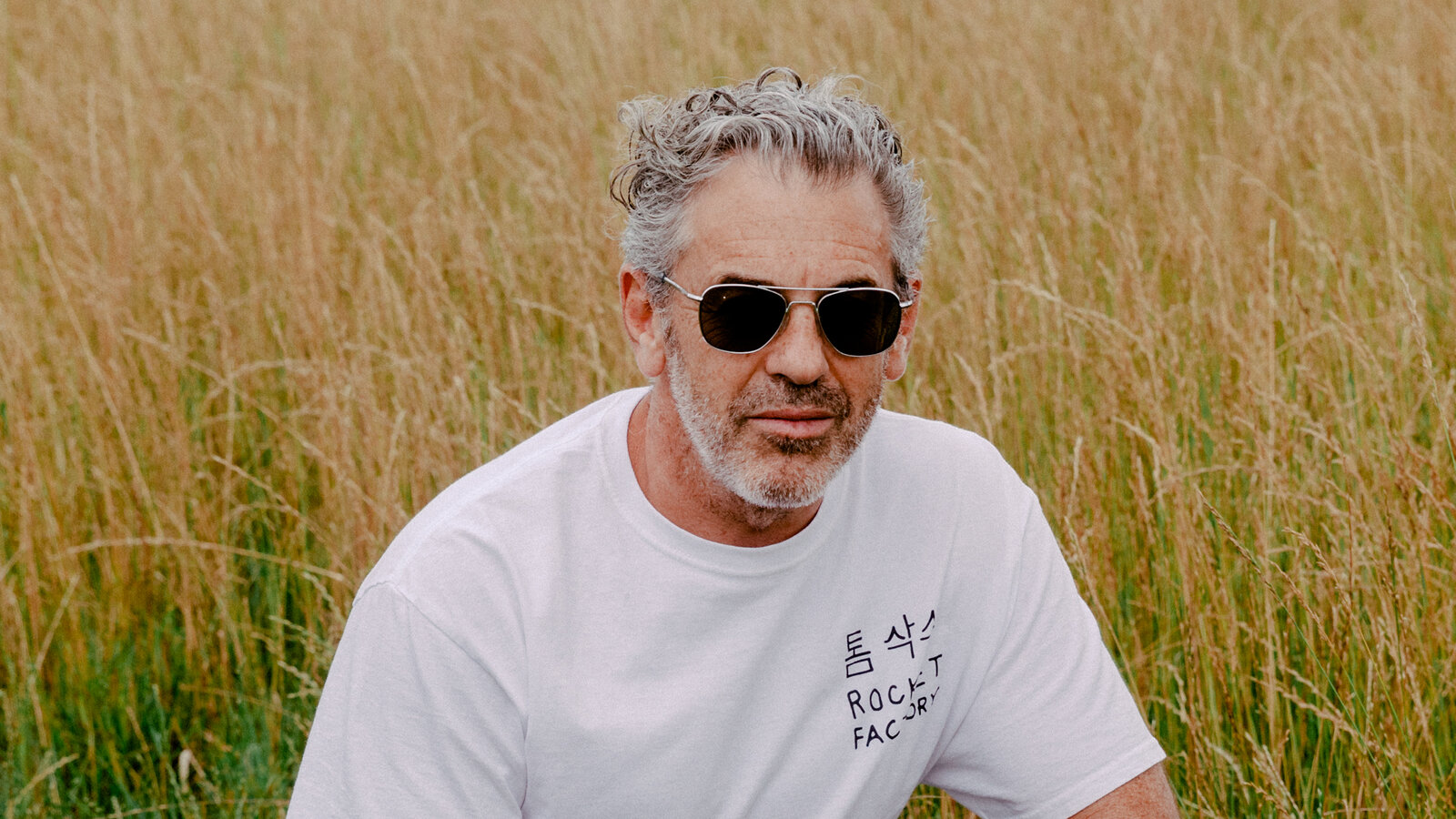
Tom Sachs (Image via Getty)
On the other hand, there were those who felt that the allegations were indicative of a broader issue in the art world—one that enables abusive behavior to go unchecked. Feminist art critics and advocates for workplace equality pointed out that the art world has long been an arena where power imbalances are commonplace, and Sachs’ case was a clear example of how these dynamics could manifest in harmful ways.
The Effect on Sachs’ Career
As the controversy continued to unfold, Tom Sachs’ career faced significant setbacks. Several high-profile exhibitions were canceled or put on hold, and some of his commercial partners distanced themselves from him. The artist’s collaborations with major brands like Nike, which had previously been a major aspect of his career, came under scrutiny. Nike, in particular, faced pressure to sever ties with Sachs, but as of now, the brand has not made any official statement about the matter.
While the full extent of the controversy’s impact on Sachs’ career remains to be seen, the allegations have certainly cast a shadow over his artistic legacy. It remains unclear whether Sachs will be able to regain his former stature in the art world or if the damage to his reputation will prove irreparable.
A Larger Conversation: Art, Ethics, and Accountability
The Tom Sachs controversy has prompted a larger conversation about ethics in the art world. While artists have long been seen as untouchable figures, there is a growing movement that calls for greater accountability, particularly when it comes to how they treat their employees and colleagues. The art world, like many other industries, is not immune to the toxic workplace culture that can arise from unchecked power dynamics.
Many art institutions, including museums and galleries, have begun to reexamine their relationships with artists and the responsibilities they have toward their staff. In the wake of the Sachs scandal, there is now a greater focus on how these institutions can promote safer, more inclusive environments for everyone involved.
This situation also serves as a reminder that the line between an artist’s personal life and their professional life is not always as clear-cut as it may seem. For many in the art world, the conversation around Sachs’ behavior raises important questions about whether it’s possible to separate an artist’s personal actions from the value of their creative output.
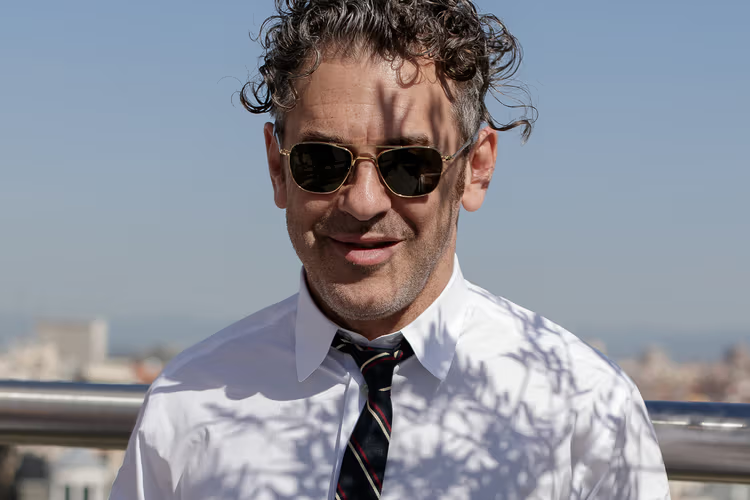
Tom Sachs (Image via Getty)
Sachs’ Future: Can He Redeem Himself?
Looking ahead, it remains to be seen whether Tom Sachs can recover from the controversy that has marred his career. Redemption in the art world is not impossible, but it often requires genuine accountability, self-reflection, and a willingness to make amends. Whether Sachs is able to rebuild his career and restore his reputation depends on how he handles the aftermath of the scandal.
Many artists and public figures have faced similar controversies in the past and managed to bounce back, but the public’s tolerance for certain behaviors is constantly evolving. If Sachs can demonstrate a commitment to creating a healthier work environment and take responsibility for his actions, it’s possible that he could eventually regain some of the trust he’s lost.
However, it’s important to recognize that not all artists are afforded the same level of forgiveness. Public figures in the art world, especially those with significant influence, are often held to higher standards than others. Sachs’ next steps will likely play a critical role in determining whether he can repair his damaged reputation or whether the art world has moved on from him for good.
Katy Perry has made a name for herself as one of the biggest pop stars of the 21st century. From her chart-topping hits to her colorful personality, she has captured the hearts of millions around the world. However, despite her enormous success, the singer has also found herself at the center of various controversies. These incidents have sparked debates, criticism, and public scrutiny, impacting her public image in ways both positive and negative. In this, we will explore the most notable controversies that have surrounded Katy Perry throughout her career and examine how they have shaped her journey as an artist and a public figure.
The “I Kissed a Girl” Backlash
One of the earliest controversies Katy Perry encountered came from her debut single, “I Kissed a Girl,” released in 2008. While the song became an instant hit, it also attracted significant backlash, especially from conservative groups. The song’s lyrics were perceived as promoting bisexuality and led to debates about its appropriateness on mainstream radio. Critics argued that Perry was exploiting sexual identity for the sake of value, and some believed it could influence young people in harmful ways.
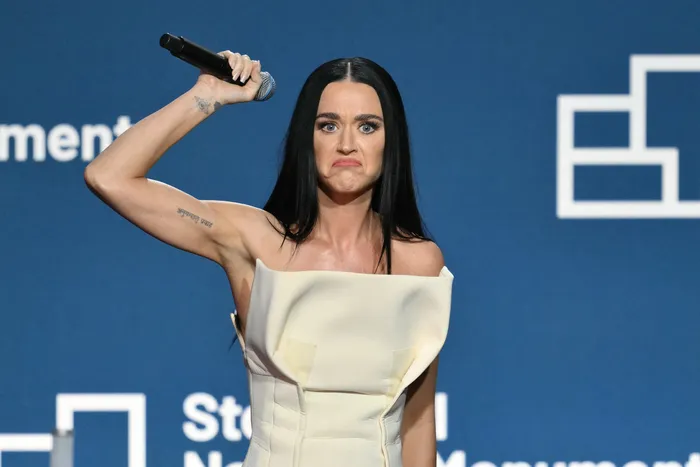
Katy Perry (Image via Getty)
Perry, however, defended the song, explaining that it was more about expressing curiosity and exploring one’s identity. In interviews, she emphasized that the song was not intended to offend or disrespect anyone. While the controversy caused a stir at the time, it ultimately helped propel Perry into superstardom, as the song dominated the charts worldwide and set the stage for her future success.
The 2013 Grammy Performance: “Dark Horse” Controversy
At the 2013 Grammy Awards, Katy Perry performed her hit single “Dark Horse” in a highly theatrical and over-the-top stage presentation. The performance featured Egyptian-themed costumes, an extravagant set, and a blend of pop and hip-hop music. While it was memorable for its bold visual elements, it also drew criticism for its cultural appropriation.
Many viewers, especially members of the Egyptian community, took offense to the performance’s use of Egyptian imagery. The portrayal was considered disrespectful by some, as it seemed to trivialize and commercialize a rich culture for the sake of entertainment. The controversy sparked debates about the limits of artistic freedom and cultural sensitivity in the entertainment industry.
Perry later responded to the backlash by stating that she had no ill intentions and that the performance was meant to be fun and engaging. However, the incident opened up important discussions about cultural representation in pop culture and the responsibilities artists have when using symbols from different cultures.
The Feud with Taylor Swift
In pop music, rivalries and feuds are not uncommon. One of the most talked-about conflicts involving Katy Perry was her public fallout with fellow pop star Taylor Swift. The drama reportedly began in 2012, when Perry allegedly hired some of Swift’s backup dancers for her own tour, leading to a falling out between the two women.
Swift addressed the situation in her 2014 hit “Bad Blood,” where she referenced a female celebrity who had betrayed her. Perry later responded by calling Swift out on social media and even released her own diss track, “Swish Swish,” in 2017. The feud became a media spectacle, with both artists taking jabs at each other in interviews and through their music.
After years of tension, the two singers finally reconciled in 2018. Perry publicly apologized to Swift, and the two shared a heartfelt moment at the 2018 Met Gala, signaling the end of their rivalry. Despite the public drama, the feud only seemed to up the profiles of both artists, and fans were quick to embrace the resolution as a sign of growth and maturity.
The “Left Shark” Incident at the Super Bowl
One of Katy Perry’s most infamous moments came during her performance at the 2015 Super Bowl halftime show. The performance was praised for its energy and creativity, featuring impressive choreography and special effects. However, it was a quirky moment involving one of Perry’s backup dancers that would go on to define the show in popular culture.
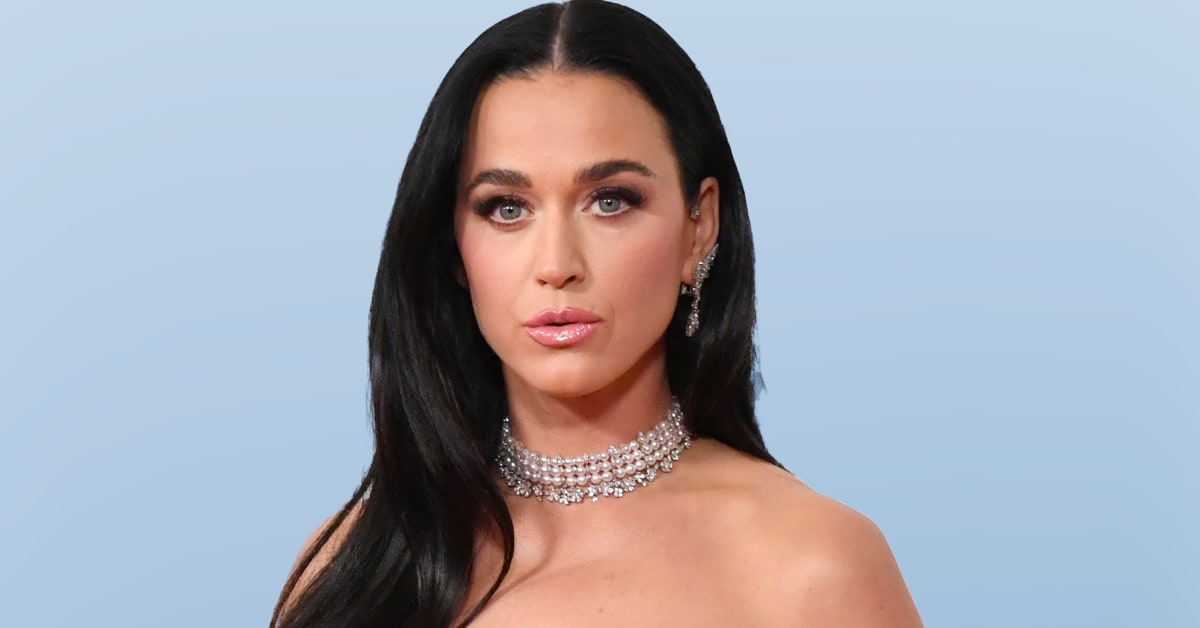
Katy Perry (Image via Getty)
During the performance of “Teenage Dream,” one of Perry’s dancers, dressed as a shark, became the subject of online memes and viral jokes. The dancer, known as “Left Shark,” appeared to be out of sync with the choreography, leading to a flurry of social media posts mocking the performance. The internet quickly embraced Left Shark, and the character became a symbol of the unexpected unpredictability that often accompanies live performances.
While the incident could have been viewed as a disaster, Perry handled it with humor, acknowledging the meme on her social media platforms and even posting a picture with the Left Shark dancer. The event became a defining moment in pop culture and highlighted Perry’s ability to laugh at herself.
The “Witness” Album and the Public Backlash
Katy Perry’s 2017 album, “Witness,” marked a shift in her musical style and was intended to showcase a more mature and politically aware version of the singer. However, the album’s release was met with mixed reviews, and it failed to live up to the commercial success of her previous works. Critics argued that Perry’s new direction felt inauthentic, and the album did not resonate with audiences in the same way as her earlier hits.
The album’s accompanying promotional tour also faced criticism, with Perry’s live performances often deemed lackluster. Her attempt to reinvent herself as a politically engaged artist didn’t have the desired effect, and many fans felt disconnected from her new image. Perry’s candid interviews about her struggles with depression and self-doubt only added fuel to the fire, as some fans questioned whether the singer had lost touch with her roots.
While the album didn’t perform as well as expected, it did spark important conversations about the pressures artists face to constantly evolve and stay relevant. Perry’s willingness to confront her insecurities publicly showed a more vulnerable side of the pop star, but it also served as a reminder of the challenges artists face when trying to remain authentic while meeting public expectations.
The 2018 “American Idol” Controversy
In 2018, Katy Perry became a judge on the revived version of “American Idol.” While her role on the show was generally well-received, she faced backlash over a few controversial moments involving the contestants. One of the most talked-about incidents occurred when Perry kissed a 19-year-old male contestant, Benjamin Glaze, without his consent.
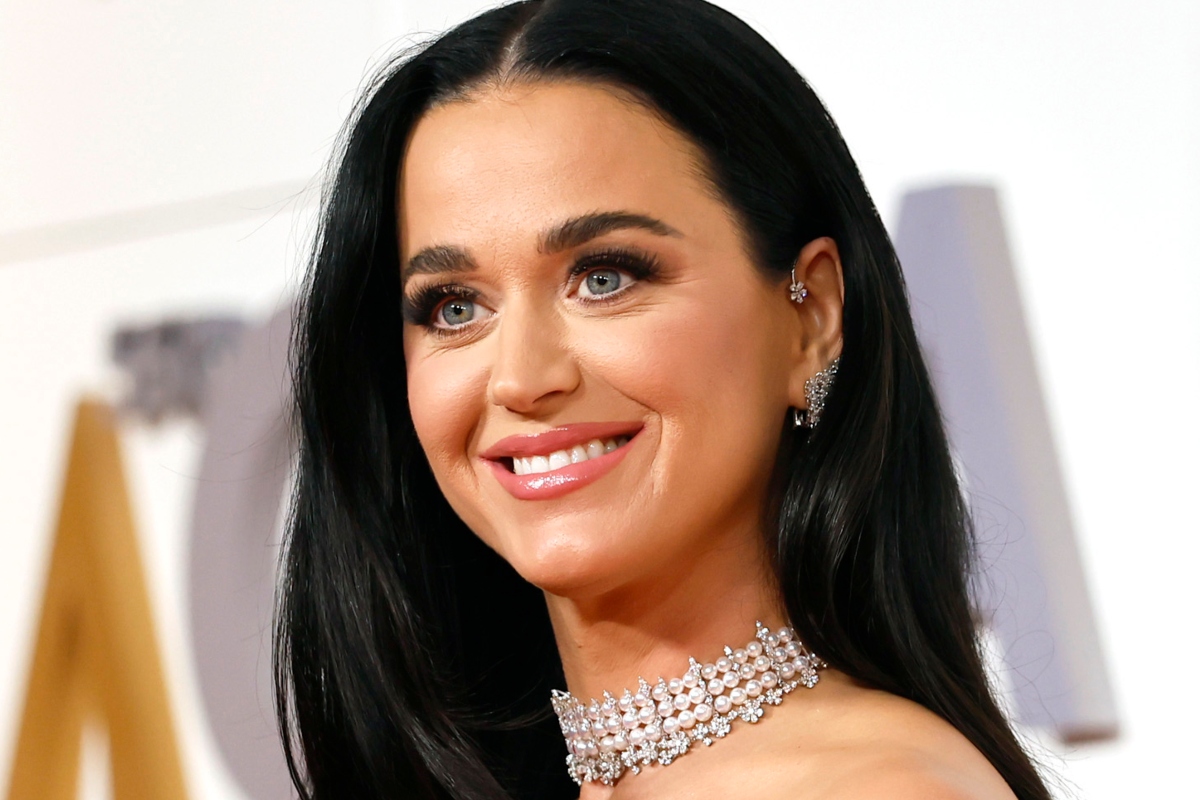
Katy Perry (Image via Getty)
The kiss sparked an intense debate about consent, particularly regarding the power dynamics between celebrities and aspiring artists. Glaze later expressed discomfort with the kiss, noting that he had not consented to the gesture. Perry, in response, apologized, stating that she did not intend to make him feel uncomfortable, and clarified that the kiss was meant as a playful, spontaneous moment.
Despite the backlash, the incident brought important discussions about the boundaries between performers, judges, and participants on reality shows. It also highlighted how actions that might seem innocent or playful could have unintended consequences, especially when consent is involved.
The “Roar” and “Rise” Controversy
Katy Perry has often been associated with empowerment anthems, with songs like “Roar” and “Rise” resonating with listeners around the world. However, some critics have questioned the sincerity of these messages, arguing that Perry’s brand of empowerment is more commercialized than genuine. In particular, her 2016 Olympic anthem “Rise” faced backlash from those who felt it lacked depth and authenticity.
Some argued that Perry was simply capitalizing on social and political issues to further her career, without offering substantial support for the causes she championed. These criticisms became particularly loud in the wake of her political endorsements, where some saw her actions as performative rather than grounded in any real commitment to change.

