The magical girl genre has been a beloved staple in the anime and manga world for decades, originating in the 1960s with the debut of Sally the Witch. Subsequently, iconic series like Sailor Moon and Cardcaptor Sakura propelled the magical girl trope into mainstream popularity.
However, a notable shift occurred in the 2010s when this genre underwent a transformative evolution. This period saw the emergence of darker and more complex narratives within magical girl anime, departing from the traditional cute and whimsical themes.
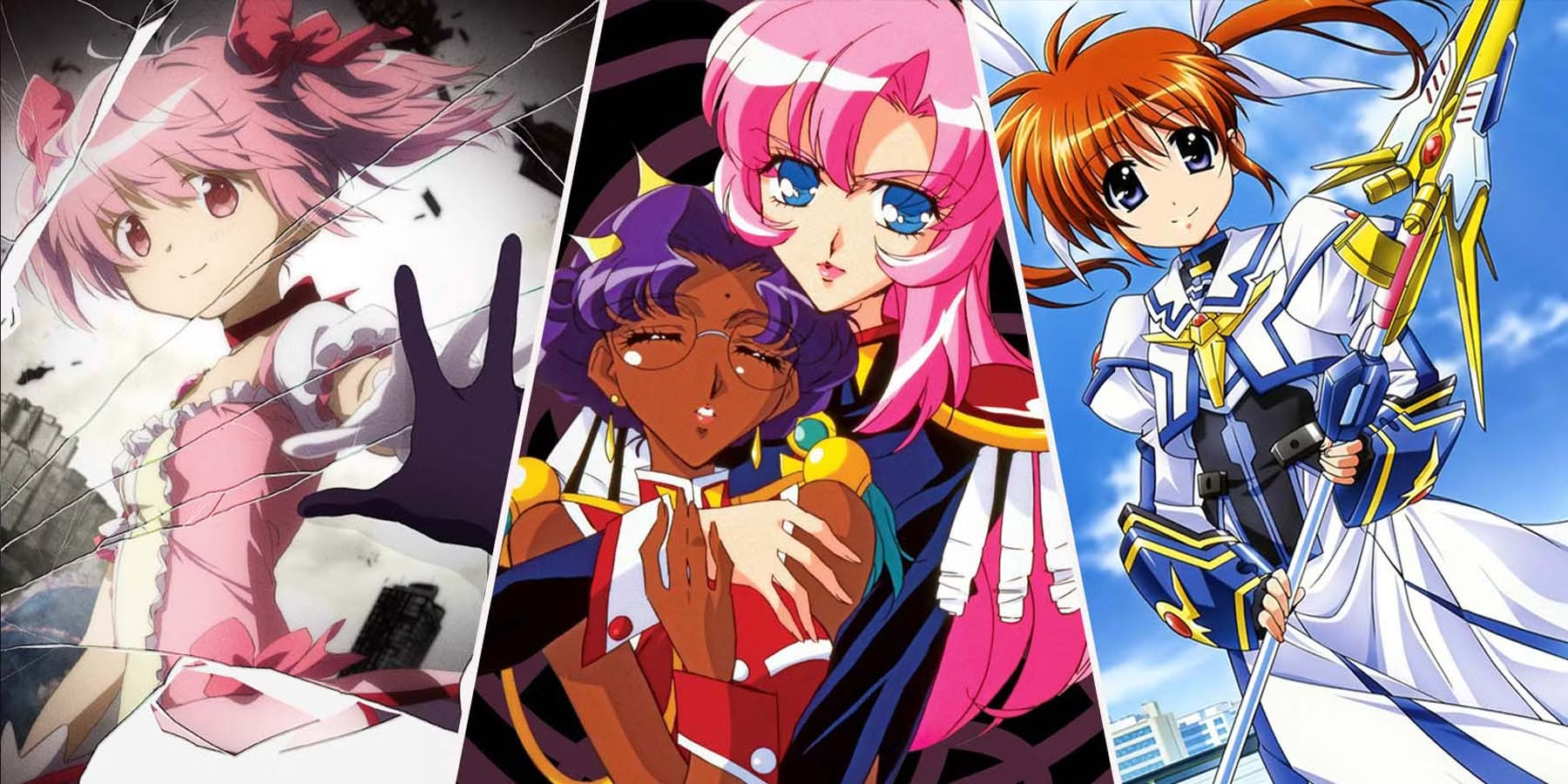
Some Darkest Magical Girl Anime
This evolution led to the deconstruction of the genre, with many shows going into deeper, more mature themes aimed at older audiences.
Today, there is a significant proliferation of such series that explore complex narratives, character development, and themes that resonate with more mature viewers, offering a fresh perspective on the magical girl archetype.
10. Daybreak Illusion

Daybreak Illusion
Following closely in the wake of Madoka Magica, Daybreak Illusion emerged as an original anime accompanied by manga and light novel adaptations. Seizing on the impact felt by fans of Madoka Magica, it ventured into similar thematic territory.
The series looks into a moral quandary central to its protagonist, Akari Taiyou. As a magical girl, Akari confronts the conflicting responsibilities of her role. On one hand, she must combat Daemonia, troubled individuals possessed by dark forces.
Yet, this duty brings her face to face with a stark choice: to eliminate humans who have fallen victim to possession. This ethical dilemma forms the crux of Akari’s journey, as she navigates the blurred lines between her duty as a magical girl and the broader implications of her actions.
While Daybreak Illusion sought to capitalize on the shock factor of its predecessor, it also carved out its own narrative path, exploring themes of sacrifice, morality, and the complexities of heroism in a world fraught with darkness.
Through Akari’s struggles, the series offers viewers a thought-provoking examination of the choices we make in the face of adversity and the consequences that follow.
Daybreak Illusion (also known as “Genei wo Kakeru Taiyou”) is a nice anime series that combines elements of magical girl fantasy with darker themes. Developed by AIC and directed by Keizou Kusakawa, the series aired in 2013 and consists of 13 episodes. It presents a unique take on the magical girl genre, incorporating complex characters, intricate plotlines, and a touch of psychological depth.
The story of “Daybreak Illusion” follows Akari Taiyou, a cheerful and kind-hearted middle school girl who discovers she is one of the chosen “tarot users.” These tarot users possess magical abilities derived from the Major Arcana tarot cards.
Alongside her fellow tarot users—Seira Hoshikawa, Luna Tsukuyomi, and Ginka Shirokane—Akari battles dark creatures known as “Daemonia.” These Daemonia are humans corrupted by negative emotions, transforming into monstrous beings that threaten humanity.
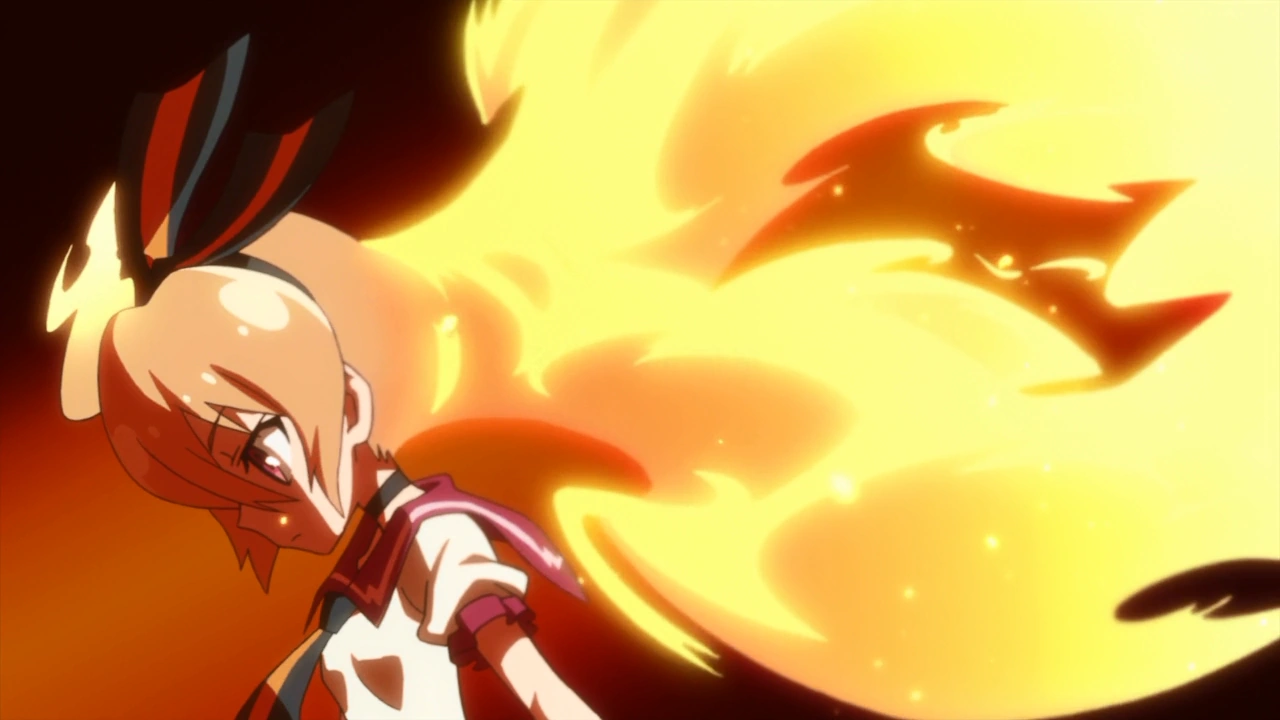
Daybreak Illusion
As Akari goes deeper into her role as a tarot user, she grapples with the weight of her responsibilities and the complexities of battling Daemonia. The series explores themes of destiny, sacrifice, and the blurred lines between good and evil. Each tarot user faces personal struggles and conflicts, adding layers of emotional depth to the narrative.
Daybreak Illusion is notable for its exploration of psychological themes within the magical girl genre. It challenges typical tropes by introducing moral ambiguity and existential dilemmas. The Daemonia are not mere monsters but beings driven by human emotions and suffering, blurring the lines between hero and villain.
The series also goes into themes of sacrifice and redemption, as the tarot users confront the consequences of their actions and the toll of their powers. The tone shifts between moments of light-hearted camaraderie and intense, emotional confrontations, adding depth to the storytelling.
Visually, “Daybreak Illusion” is striking, featuring vibrant character designs and atmospheric settings. The animation quality remains consistent throughout the series, particularly during action sequences where the tarot users battle Daemonia. The art style complements the darker narrative elements, creating a visually immersive experience.
The soundtrack of “Daybreak Illusion” enhances the mood and atmosphere of the series. It includes a mix of haunting melodies and energetic tracks that amplify the emotional impact of key scenes. The opening and ending themes are memorable and reflective of the series’ tone.
While “Daybreak Illusion” received praise for its unique approach to the magical girl genre, it also faced criticism for its pacing and narrative complexity.
Some viewers found the storyline convoluted, especially regarding the mythology surrounding the tarot cards and Daemonia. Additionally, certain character arcs could have been further developed to provide greater depth and resolution.
Daybreak Illusion is a thought-provoking anime that offers a fresh perspective on the magical girl genre. With its complex characters, psychological themes, and visually striking presentation, the series stands out as a must-watch for fans seeking a more mature and nuanced take on traditional magical girl narratives. Despite its flaws, “Daybreak Illusion” remains a compelling exploration of darkness and light within the hearts of its characters.
9. Granbelm
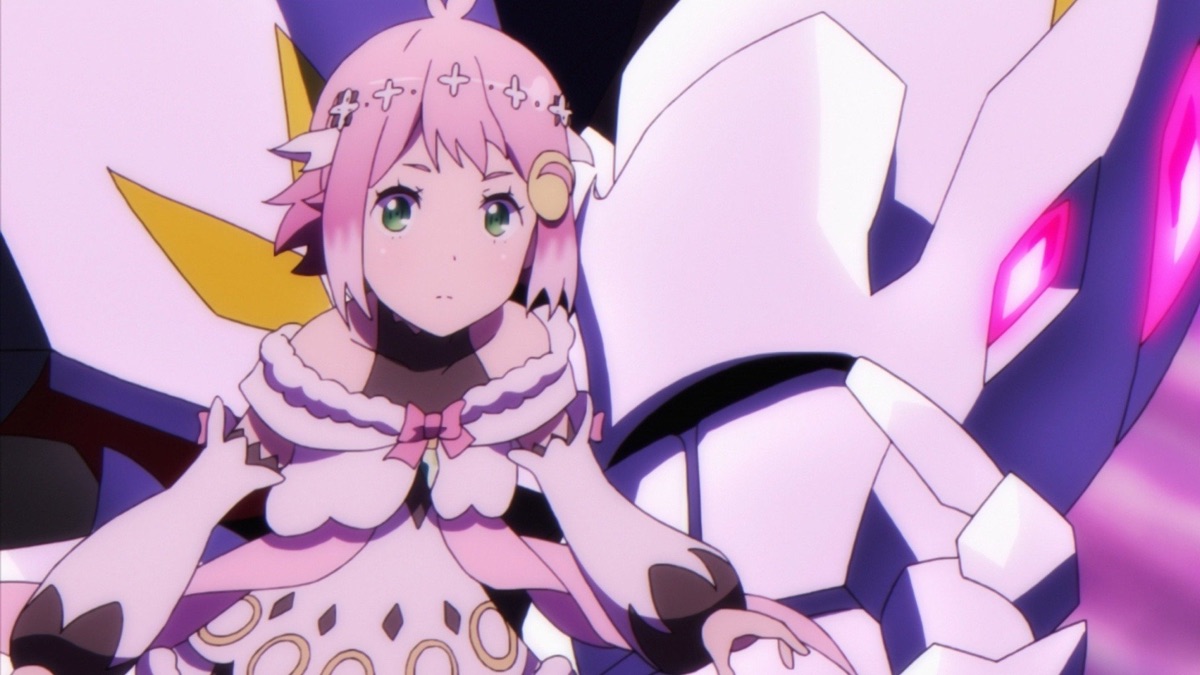
Granbelm
For fans of mecha anime, Granbelm offers a unique twist by blending the genre with the magical girl trope. Set in a world where magic has been sealed away, young girls take on the role of pilots for a powerful mecha called Armanox.
The story centers around a monthly tournament known as Granbelm, where contestants compete to determine the one true mage. While the series explores some dark themes, it strikes a balance by not overwhelming viewers with its darkness. Instead, it focuses on character development, treating its cast with care and depth that makes them relatable to audiences.
Granbelm may have a bit of a slow start, but it steadily improves as it progresses, drawing viewers deeper into its world and characters. For fans of mecha shows seeking something fresh and inventive, Granbelm offers a compelling blend of action, magic, and character-driven storytelling worth exploring.
Granbelm is an original anime series that premiered in 2019, produced by Nexus and directed by Masaharu Watanabe. This mecha-fantasy series offers a unique blend of action, drama, and magical elements, creating a beautiful world that hooks viewers from the very first episode. Here’s a detailed review and information breakdown of “Granbelm.”
The story is set in a world where magic exists, but only a select few can wield it. The narrative centers around a high school student named Mangetsu Kohinata, who stumbles upon a magical battle called the “Granbelm.” This battle occurs between young mages known as “Magiaconatus” who pilot magical mechas called “Armanox.” These mages fight to become the “Princeps,” the one true mage who controls the magical realm.
Mangetsu gets drawn into this fierce competition despite initially lacking any magical abilities. She meets Shingetsu Ernesta Fukami, a skilled mage and her new friend, who introduces her to the world of Granbelm. Together, they navigate the complex dynamics of the Granbelm battles and uncover the dark secrets behind this enigmatic contest.
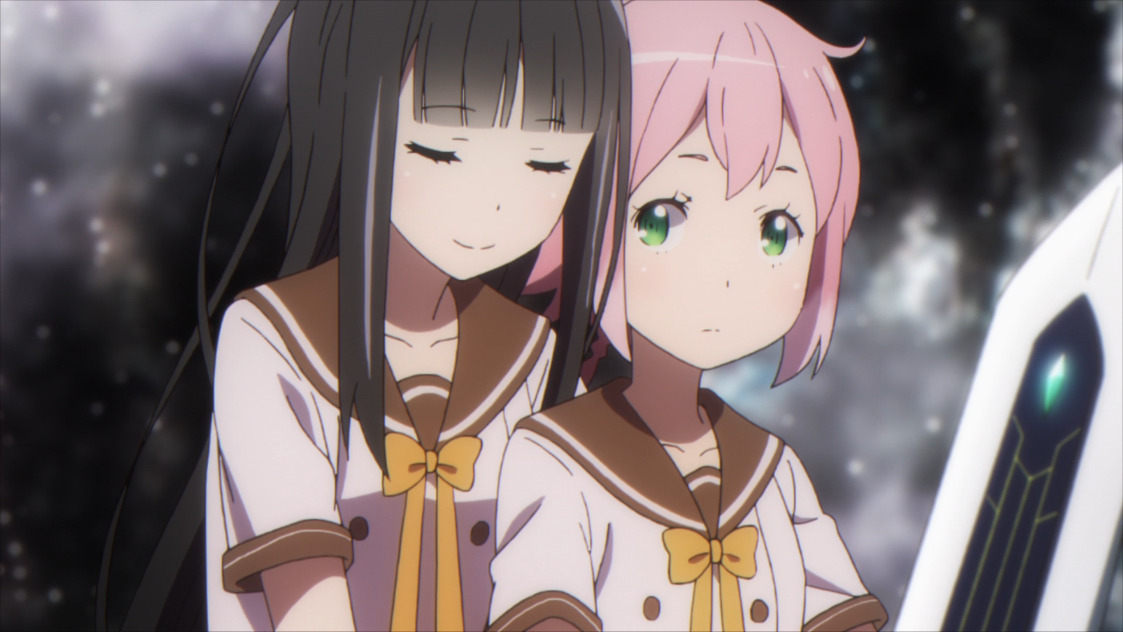
Granbelm
Granbelm goes into several thematic elements, including ambition, friendship, and sacrifice. The show explores the consequences of wielding power and the emotional toll of intense competition. The theme of identity and purpose is also prevalent, as characters struggle with their motivations for participating in the Granbelm battles.
One of the series’ strengths lies in its character development. Each major character has a well-defined personality and backstory that gradually unfolds throughout the series. Mangetsu’s journey, in particular, is central to the plot, as she transforms from an ordinary girl into a key player in the Granbelm battles. Shingetsu’s complexities and her relationship with Mangetsu add depth to the narrative.
Visually, “Granbelm” impresses with its stunning animation and vibrant art style. The magical battles are beautifully choreographed, showcasing dynamic mecha combat and intricate spellcasting. The character designs are distinctive and complement the fantastical setting of the series.
The soundtrack enhances the atmosphere of “Granbelm,” featuring a mix of orchestral pieces and emotive tracks that heighten the drama and tension. The opening and ending themes are also memorable and reflect the series’ themes of hope and determination.
The pacing of “Granbelm” is generally well-balanced, although the series ramps up the intensity as the Granbelm battles escalate. The plot twists and revelations keep viewers engaged, with each episode adding new layers to the overarching story. The series effectively builds suspense and anticipation leading up to its climax.
Granbelm received positive reviews for its unique premise, strong character development, and visually impressive action sequences. It garnered praise for its emotional depth and the complexity of its themes. While the series may not be as widely recognized as some other mecha anime, it has developed a dedicated fan base and remains a standout entry in the genre.
Granbelm is a nice anime that blends magic, mecha, and drama into a compelling narrative. With its memorable characters, intricate plot, and stunning visuals, it offers a refreshing take on the genre. Whether you’re a fan of mecha anime or enjoy stories with deep emotional resonance, “Granbelm” is definitely worth adding to your watchlist.
8. Magical Girl Lyrical Nanoha

Magical Girl Lyrical Nanoha (Credits: Seven Arcs)
Magical Girl Lyrical Nanoha stands as an influential precursor to the deconstructionist trend in magical girl anime that later exploded with Madoka Magica.
The series revolves around Nanoha Takamachi, an ordinary girl who finds herself thrust into the role of a magical girl after encountering a mysterious ferret-like creature. Her mission: to collect the dangerous 21 Jewel Seeds scattered throughout the world.
While the premise may appear conventional at first glance, the narrative takes a dark turn with the introduction of Fate, the primary antagonist. Themes of abuse and death permeate the storyline, adding layers of complexity and emotional weight to what initially seemed like a lighthearted magical adventure.
As Nanoha and Fate’s paths intertwine, viewers are confronted with the harsh realities that underpin their fantastical world, making for a gripping and thought-provoking viewing experience.
Magical Girl Lyrical Nanoha is a beloved anime series that combines the magical girl genre with science fiction elements, offering a unique and compelling narrative. Originally starting as a spin-off of the popular “Triangle Heart” visual novel series, “Magical Girl Lyrical Nanoha” took on a life of its own and became highly regarded within the anime community.
The story follows Nanoha Takamachi, an ordinary third-grade student who encounters a wounded ferret-like creature named Yuuno Scrya. Yuuno is actually a mage from another world who is on a mission to collect dangerous artifacts called “Jewel Seeds” that have been scattered across Earth.
When Nanoha inadvertently gets involved, she gains magical powers and takes on the role of a magical girl to assist Yuuno in recovering the Jewel Seeds.
As the series progresses, Nanoha encounters other mages and magical girls, including Fate Testarossa, who initially opposes Nanoha but eventually becomes her ally. The conflict deepens as they discover the sinister motives behind the Jewel Seeds and reveals a complex web of political intrigue and personal drama within the mage society.

Magical Girl Lyrical Nanoha
Magical Girl Lyrical Nanoha stands out for its exploration of themes such as friendship, redemption, and the consequences of wielding power. Nanoha’s character development is particularly compelling, as she learns to harness her abilities responsibly and confronts difficult ethical dilemmas in her quest to protect others.
The series also explores the bond between Nanoha and Fate, highlighting the idea that understanding and empathy can overcome even the most bitter of rivalries. Their relationship evolves from adversaries to close friends, showcasing the power of forgiveness and second chances.
The animation quality of “Magical Girl Lyrical Nanoha” is solid, especially considering its release in the mid-2000s. The action sequences are dynamic and well-executed, with creative and visually appealing magical effects. Character designs are distinct and memorable, reflecting each character’s personality and role within the story.
The characters in “Magical Girl Lyrical Nanoha” are one of its strongest assets. Nanoha Takamachi is a relatable and endearing protagonist, driven by a strong sense of justice and compassion. Fate Testarossa is a complex character with a tragic past, adding depth to her interactions with Nanoha. The supporting cast, including Nanoha’s friends and fellow mages, also contributes to the story’s emotional impact and charm.
The success of the original series led to several sequels and spin-offs, expanding the “Magical Girl Lyrical Nanoha” universe. Sequels like “Magical Girl Lyrical Nanoha A’s” and “Magical Girl Lyrical Nanoha StrikerS” further develop the characters and introduce new storylines. These installments deepen the lore of the series and explore different facets of the magical girl genre.
“Magical Girl Lyrical Nanoha” has left a lasting impact on the magical girl genre, influencing subsequent anime series with its blend of magical themes and science fiction elements. Its emphasis on character-driven storytelling and themes of empowerment continue to resonate with fans of all ages.
Magical Girl Lyrical Nanoha is a standout anime series that successfully marries magical girl tropes with engaging storytelling and compelling characters. Whether you’re a fan of the genre or looking for a unique twist on familiar themes, this series is well worth exploring for its memorable characters, heartfelt drama, and exciting action sequences.
7. Yuki Yuna is a Hero

Yuki Yuna is a Hero
Yuki Yuna is a Hero stands as a poignant exploration of sacrifice and the profound costs associated with heroism, drawing clear inspiration from the themes laid out in Madoka Magica. At the heart of the series is the Hero Club, a group of magical girls endowed with powers to combat malevolent entities threatening their world.
However, the narrative takes a sobering turn as the true toll of their heroic duties becomes apparent. To fulfill their roles, the magical girls must make harrowing sacrifices, relinquishing parts of themselves—be it body parts, memories, or more—in the struggle against darkness.
Yet, the series avoids graphic depictions or gratuitous suffering, opting instead for a more understated approach that lends itself to a deeply emotional and heartbreaking viewing experience.
In Yuki Yuna is a Hero, the weight of sacrifice is keenly felt, infusing the story with a sense of melancholy and poignancy. Through the trials faced by its characters, the series offers a nuanced exploration of the complexities of heroism and the personal costs incurred in the fight for the greater good.
Yuki Yuna is a Hero (Japanese title: Yūki Yūna wa Yūsha de Aru) is a nice and emotional anime series that belongs to the magical girl genre. Produced by Studio Gokumi and directed by Seiji Kishi, this series offers a unique blend of magical girl action, character drama, and thought-provoking themes.
The story is set in the fictional world of Shikoku, where a group of middle school girls—Yuki Yuna, Togo Mimori, Inubouzaki Fuu, and Inubouzaki Itsuki—are chosen to become heroes tasked with protecting the world from mysterious entities known as “Vertexes.” These Vertexes threaten the existence of their world by spreading a deadly fog and endangering humanity.
The hero system requires the girls to sacrifice aspects of their own lives in exchange for magical powers to combat the Vertexes. As they face increasingly difficult battles, they grapple with the consequences of their choices and the toll it takes on their friendships and well-being.
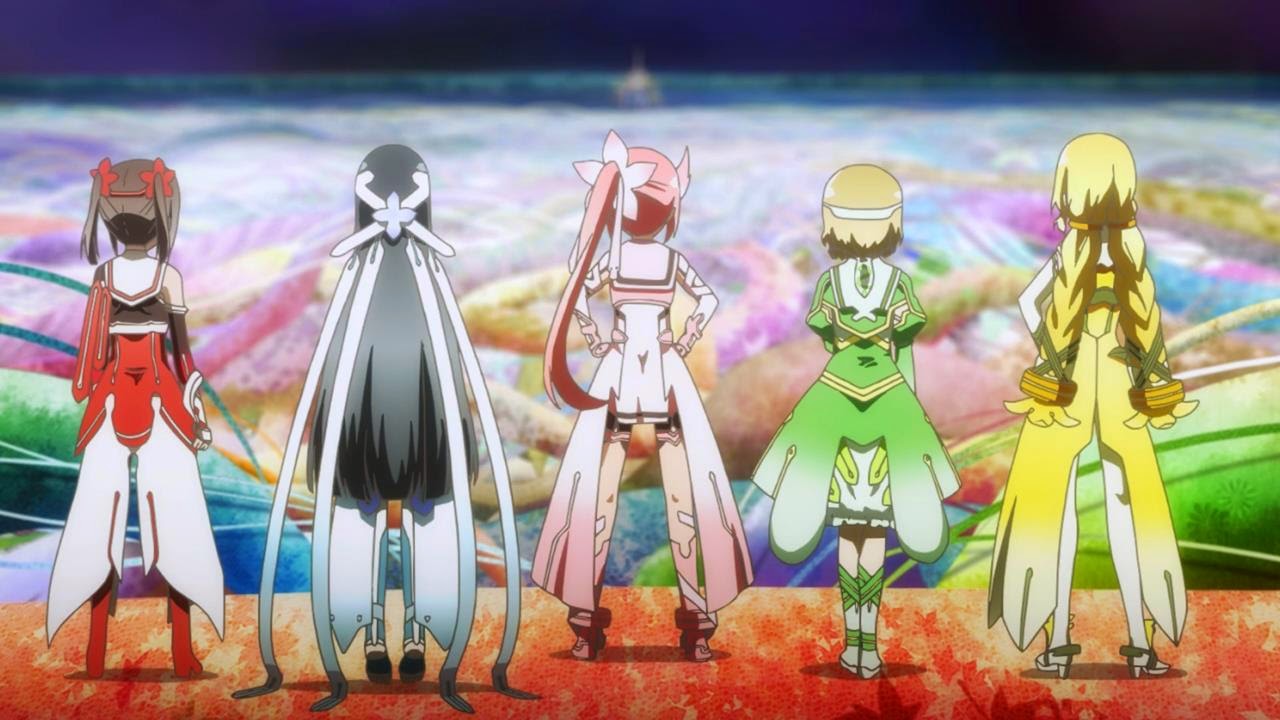
Yuki Yuna is a Hero
The anime explores themes of sacrifice, friendship, and resilience in the face of adversity. The girls’ willingness to protect their world at great personal cost raises profound questions about heroism and the nature of sacrifice. The series goes into the psychological and emotional impact of being a hero, as well as the bonds that form between the characters as they face life-threatening challenges together.
The characters in “Yuki Yuna is a Hero” are central to the series’ emotional impact. Yuki Yuna, the cheerful and optimistic protagonist, leads her friends into battle with unwavering determination. Togo Mimori, who uses a wheelchair due to a previous illness, demonstrates incredible strength and intelligence. Fuu and Itsuki Inubouzaki, the sisters who round out the team, also play significant roles in the narrative.
Each character undergoes personal growth and development throughout the series, grappling with their fears, doubts, and the consequences of their heroism. The complexity and depth of these characters add layers of emotional resonance to the story.
The animation in “Yuki Yuna is a Hero” is beautifully crafted, with vibrant colors and fluid action sequences during the girls’ battles with the Vertexes. The design of the Vertexes themselves is striking and otherworldly, adding to the sense of danger and mystery.
The soundtrack, composed by Keiichi Okabe and MONACA, complements the series’ emotional tone with stirring melodies and haunting tracks that heighten the tension and drama.
The success of the original series spawned several sequels and spin-offs, including “Yuki Yuna is a Hero: Washio Sumi Chapter” and “Yuki Yuna is a Hero: Hero Chapter.” These installments further explore the backstory of the characters and the world they inhabit, offering additional context and depth to the overarching narrative.
Yuki Yuna is a Hero and has earned critical acclaim for its compelling storytelling, well-developed characters, and thematic depth. It has resonated with audiences for its exploration of sacrifice and heroism, challenging traditional magical girl tropes with its mature and introspective approach.
Yuki Yuna is a Hero is a standout anime series that blends magical girl elements with profound themes and character-driven storytelling. Its compelling narrative and emotional resonance make it a must-watch for fans of the genre and anyone seeking a thought-provoking anime experience.
6. Puella Magi Madoka Magica
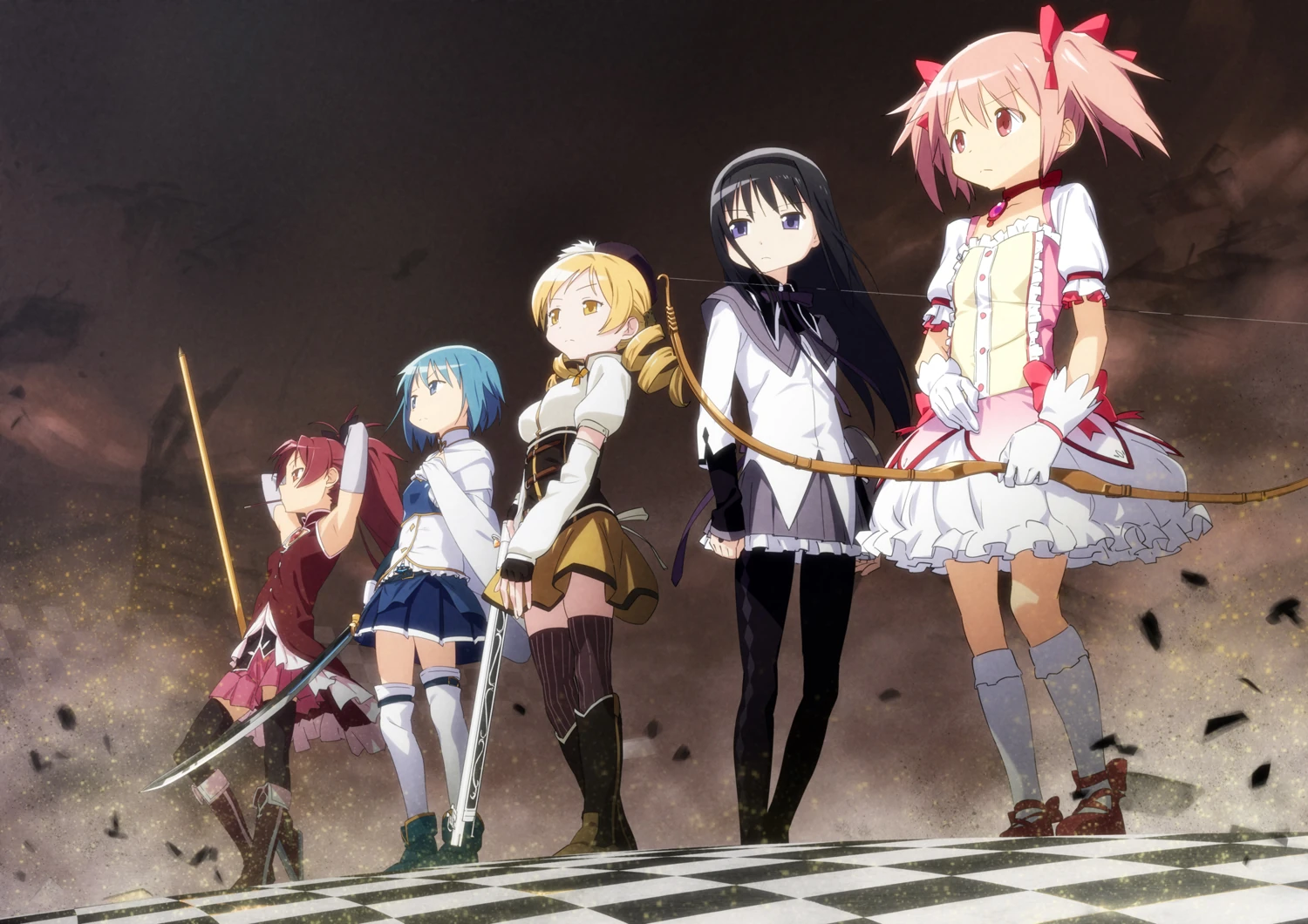
Puella Magi Madoka Magica
Puella Magi Madoka Magica stands as a groundbreaking entry in the magical girl genre, renowned for its masterful subversion of familiar tropes and themes. At its core, the series looks into profound concepts such as friendship, sacrifice, and the deceptive nature of appearances.
The protagonist, Madoka Kaname, gets on the path of a magical girl, only to discover the staggering costs that accompany her newfound powers. Her journey is marked by hardship and loss, serving as a stark reminder that the choices we make often come with unforeseen consequences.
The impact of Madoka Magica reverberates throughout the anime industry, reshaping the geography of the magical girl genre and inspiring countless works that follow in its wake. Its enduring legacy is a testament to its innovation and narrative depth, making it a must-watch for fans of magical girl anime seeking a fresh and thought-provoking perspective.
The story centers around Madoka Kaname, a typical middle school girl who encounters a mysterious transfer student named Homura Akemi and a small, adorable creature named Kyubey.
Kyubey offers Madoka and her friend Sayaka Miki the chance to become magical girls and fulfill any wish they desire in exchange for fighting against Witches, supernatural entities that threaten humanity.
However, as Madoka learns more about the true nature of being a magical girl and the dark consequences that come with it, she faces a series of moral dilemmas that challenge her ideals and beliefs. As the story unfolds, secrets are revealed, alliances are tested, and the true nature of Kyubey’s motives becomes apparent.
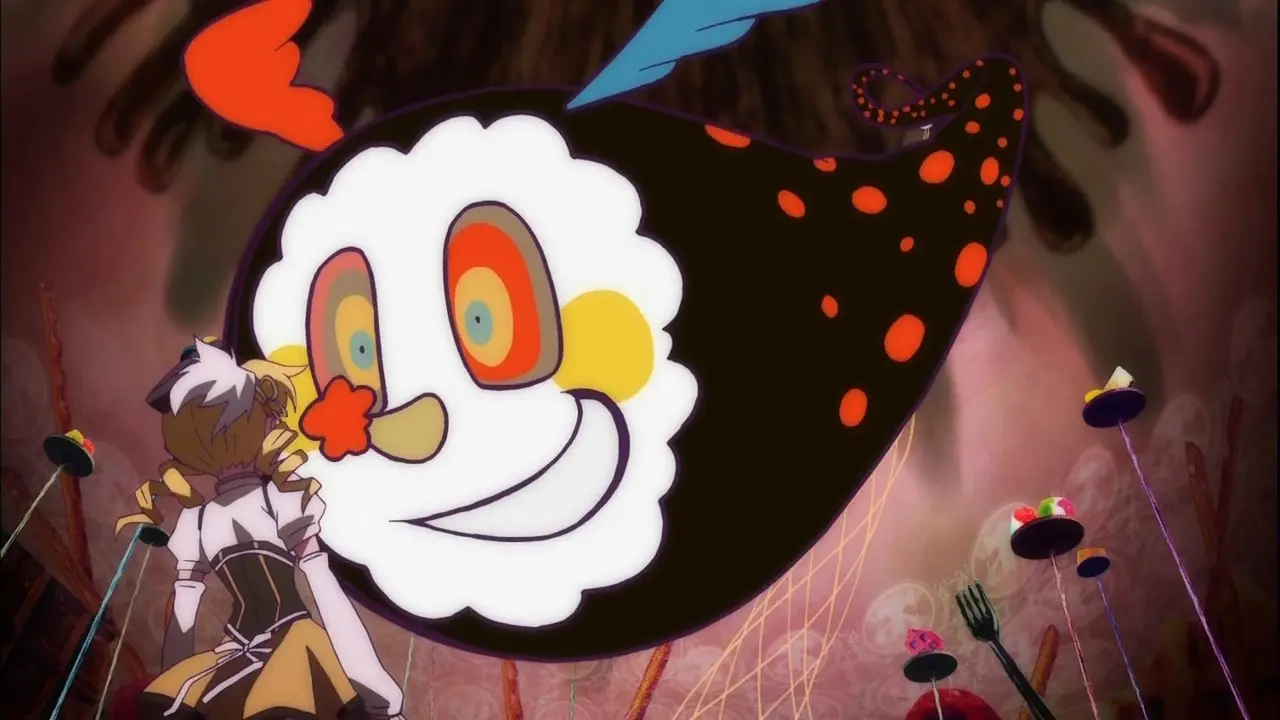
Puella Magi Madoka Magica
Madoka Magica explores themes of sacrifice, despair, and the consequences of seeking power. The series subverts traditional magical girl tropes by going into the psychological and emotional toll of battling supernatural forces. It raises thought-provoking questions about the price of making wishes, the nature of heroism, and the inevitability of fate.
The characters in “Madoka Magica” are richly developed and multi-dimensional. Madoka Kaname, the protagonist, initially appears as a kind-hearted and innocent girl, but her journey to becoming a magical girl forces her to confront harsh realities and make difficult choices. Homura Akemi, a mysterious and enigmatic figure, plays a pivotal role in the series and has a complex backstory that unfolds over time.
Other characters, such as Sayaka Miki, Kyoko Sakura, and Mami Tomoe, each bring their own motivations and struggles to the narrative, adding layers of depth and complexity to the story.
One of the standout features of “Madoka Magica” is its unique and visually striking art style. The series employs a blend of traditional animation and surreal, abstract imagery to convey the otherworldly nature of the Witches’ labyrinths. The use of symbolism and contrasting color palettes enhances the series’ dark and atmospheric tone.
The haunting and atmospheric soundtrack composed by Yuki Kajiura complements the series perfectly, heightening the emotional impact of key scenes and enhancing the sense of mystery and danger.
Madoka Magica received widespread critical acclaim and gained a dedicated fanbase for its innovative storytelling and thematic depth. It inspired numerous spin-offs, including manga adaptations, light novels, and a feature film sequel titled “Puella Magi Madoka Magica the Movie: Rebellion.”
The series’ impact extended beyond the anime community, sparking discussions about the deconstruction of genre conventions and the portrayal of complex themes in anime.
Puella Magi Madoka Magica is a must-watch anime series that pushes the boundaries of the magical girl genre. Its thought-provoking narrative, compelling characters, and stunning visuals make it a standout work of art that continues to resonate with audiences around the world.
If you’re looking for a dark and introspective take on the magical girl genre, “Madoka Magica” delivers a gripping and unforgettable experience.
5. Magical Girl Site
Magical Girl Site
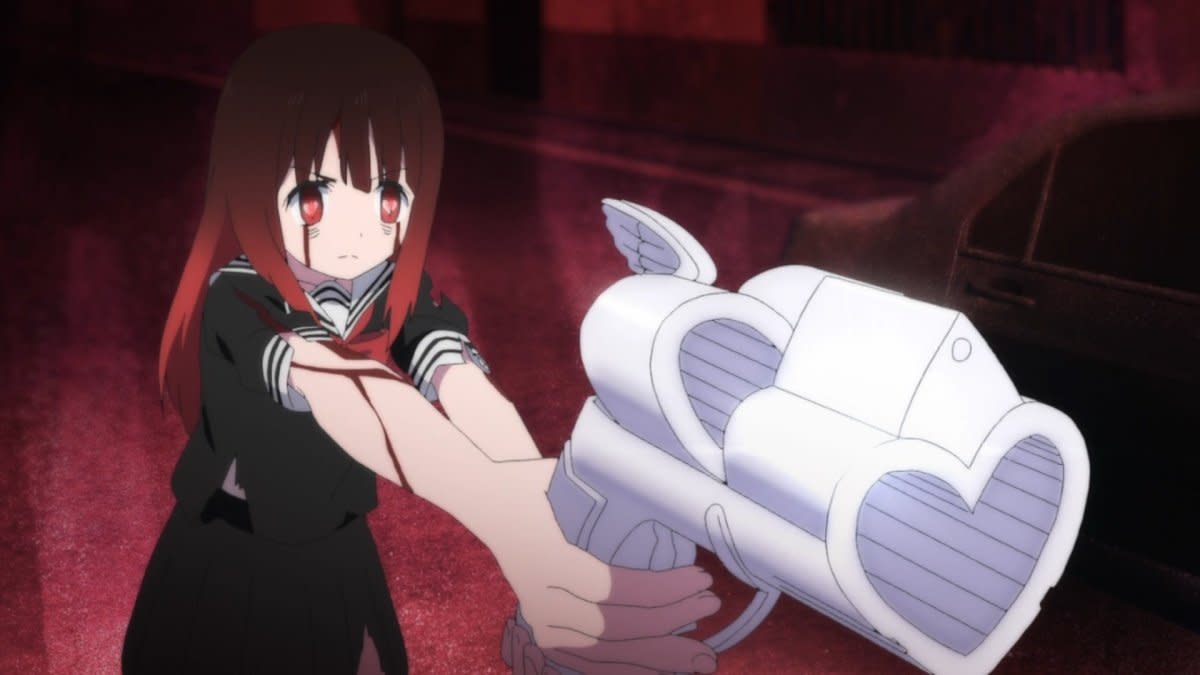
Magical Girl Site unfolds the gripping narrative of Aya Asagiri, a tormented young girl who discovers solace in a mysterious website offering her the power to become a magical girl. With newfound abilities at her disposal, Aya is tempted to seek retribution against those who have wronged her.
The series dives headfirst into a whirlwind of darkness and intensity, encapsulating the raw edge of human emotions within its 12 episodes. For some viewers, the relentless onslaught of grim themes and harrowing events may evoke a sense of discomfort or unease, while others may find themselves drawn into the gritty realism and compelling drama.
Magical Girl Site doesn’t shy away from exploring the depths of human depravity, presenting a narrative that can be both confronting and thought-provoking. Whether it’s regarded as cringe-inducing or compellingly intense ultimately depends on the individual viewer’s sensibilities and willingness to look into the darker aspects of the human experience.
Magical Girl Site (Japanese title: “Mahou Shoujo Site”) is an anime series based on the manga of the same name by Kentaro Sato. It is known for its dark and intense themes, exploring the psychological and emotional struggles of its characters within the magical girl genre.
The story follows Aya Asagiri, a high school girl who is relentlessly bullied at school and abused at home. One day, she discovers a mysterious website called the “Magical Girl Site,” which grants its visitors magical powers in exchange for becoming magical girls. These powers come from “sticks,” which are used to defend themselves against enemies and solve their problems.
As Aya goes deeper into the world of magical girls, she encounters other girls who have suffered similarly and learns about the dark and dangerous consequences of using their newfound abilities. The series explores themes of trauma, revenge, and the impact of violence on young individuals.
Magical Girl Site goes into dark and mature themes, touching on issues such as bullying, abuse, trauma, and mental health. The series portrays the struggles of its characters realistically, highlighting the emotional turmoil and desperation that lead them to seek refuge in the magical girl powers offered by the website.

Magical Girl Site
The consequences of using these powers are depicted in a grim and uncompromising manner, challenging traditional notions of heroism and sacrifice.
Aya Asagiri, the protagonist, undergoes significant development throughout the series as she grapples with her traumatic experiences and tries to navigate the complexities of being a magical girl. Other characters, such as Yatsumura Tsuyuno, Rina Shioi, and Nijimi Anazawa, each have their own compelling backstories and motivations, adding depth to the narrative.
The interactions and relationships between the characters are complex and often fraught with tension, reflecting the darker tone of the series.
The animation in Magical Girl Site is atmospheric and visually striking, with a dark color palette and intense imagery that enhances the series’ grim atmosphere. The character designs are detailed and expressive, effectively conveying the emotions and struggles of the characters.
The soundtrack contributes to the series’ unsettling and intense atmosphere, with eerie melodies and ambient sounds that underscore the dark themes and dramatic moments.
Magical Girl Site has sparked controversy due to its graphic depiction of violence, abuse, and sensitive subject matter. While it has garnered a dedicated fanbase drawn to its mature storytelling and unconventional take on the magical girl genre, the series is not recommended for viewers seeking lighthearted or traditional magical girl themes.
Magical Girl Site is a compelling and thought-provoking anime series that explores dark and mature themes within the magical girl genre. Its intense storytelling, complex characters, and atmospheric presentation make it a unique and memorable viewing experience for those interested in darker, more psychologically challenging anime. However, due to its sensitive subject matter and graphic content, it may not be suitable for all audiences.
4. Magical Girl Raising Project

Magical Girl Raising Project
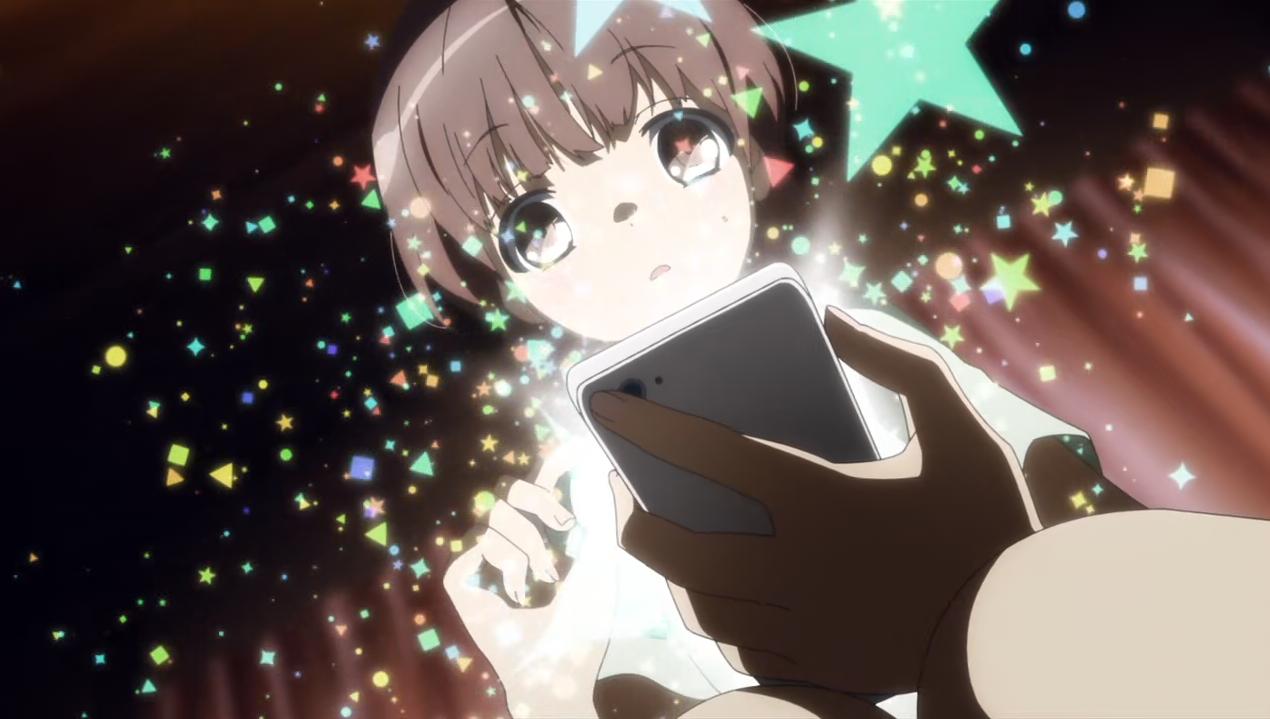
Magical Girl Raising Project fearlessly plunges into the morally murky waters of pitting young, innocent girls against each other in a brutal fight for survival, disregarding any concerns about the repugnance of such a premise.
The story revolves around Koyuki Himekawa, whose cherished dream of becoming a magical girl is shattered when she discovers the sinister truth behind the system that granted them their powers. As the system deems there are too many magical girls in the area, it initiates a ruthless process of culling through termination.
Violence and gore abound in Magical Girl Raising Project, with the narrative refusing to sugarcoat the harsh realities of its premise. The series pulls no punches, delivering a relentless onslaught of brutality and moral ambiguity as its characters are forced to confront the darkest depths of their humanity in the struggle for survival.
While the premise may unsettle some viewers, Magical Girl Raising Project unapologetically explores the consequences of power, ambition, and the lengths individuals will go to in the pursuit of their desires, making it a compelling and thought-provoking addition to the magical girl genre.
The story is set in a world where magical girls exist and are chosen to protect the peace. However, a social game called “Magical Girl Raising Project” selects far more magical girls than necessary, leading to an overcrowded population of heroines. The game’s administrator, known as Fav, announces that due to the surplus of magical girls, some must be culled to restore balance.
What follows is a deadly battle royale as the magical girls compete against each other to survive and maintain their existence. The series explores themes of competition, betrayal, and the darker aspects of wish fulfillment.
Magical Girl Raising Project
Magical Girl Raising Project goes into themes of morality, survival, and the consequences of power. The series raises thought-provoking questions about the nature of heroism and the lengths individuals will go to in order to protect themselves and their ideals. It also explores the complexities of human relationships under extreme circumstances.
The series features a diverse cast of magical girls, each with unique personalities and abilities. Notable characters include Snow White (Koyuki Himekawa), a kind-hearted and optimistic magical girl who serves as the protagonist, and Ripple (Ruruka Hanayama), a stoic and skilled fighter who becomes a key ally. Other magical girls, such as La Pucelle, Cranberry, and Hardgore Alice, contribute to the story’s tension and intrigue.
The interactions and rivalries between the characters drive much of the narrative, showcasing their strengths, weaknesses, and vulnerabilities.
The animation in “Magical Girl Raising Project” is vibrant and dynamic, with colorful magical effects during battle sequences. The character designs are appealing and distinct, reflecting each magical girl’s unique identity and abilities. The series effectively balances the whimsical aesthetic of magical girl tropes with darker, more suspenseful elements.
The soundtrack complements the series’ atmosphere, featuring energetic and suspenseful tracks during action scenes and emotional melodies during dramatic moments. The voice acting performances enhance the characterization and emotional impact of key scenes.
Magical Girl Raising Project has received positive reception for its engaging storytelling, well-developed characters, and unexpected plot twists. Fans of the magical girl genre appreciate its subversion of traditional tropes and its exploration of darker themes. The series has also spawned a mobile game adaptation and additional light novel entries.
Magical Girl Raising Project is a compelling anime series that offers a fresh and intriguing perspective on the magical girl genre. Its complex characters, intense battles, and thematic depth make it a standout work within the genre.
If you enjoy thought-provoking narratives and character-driven stories, the Magical Girl Raising Project is worth exploring for its innovative take on familiar themes. However, due to its darker content and mature themes, it may not be suitable for all audiences.
3. Magical Girl Spec-Ops Asuka

Magical Girl Spec-Ops Asuka
Magical Girl Spec-Ops Asuka looks into the aftermath of a brutal war where a special group of magical girls fought valiantly to save humanity and emerge victorious. However, for protagonist Asuka Ootorii, the desire for a return to a normal, peaceful life proves elusive.
As is often the case in stories like these, normalcy remains out of reach. Instead, the series looks into dark and weighty themes, particularly the lingering scars of war and the trauma of post-traumatic stress disorder (PTSD). Scenes of torture and mutilation are not uncommon, reflecting the harsh realities faced by the characters.
While Magical Girl Spec-Ops Asuka may face criticism for shying away from fully embracing its darkness, for many viewers, the level of darkness portrayed is more than sufficient. The series serves as a stark reminder of the toll of conflict on both the body and mind, offering a compelling exploration of the psychological and emotional aftermath of war.
Magical Girl Spec-Ops Asuka (Japanese title: “Mahou Shoujo Tokushusen Asuka”) is an anime series adapted from the manga of the same name by Makoto Fukami and Seigo Tokiya. This series stands out within the magical girl genre for its mature and action-packed approach, blending elements of dark fantasy, military, and psychological thriller.
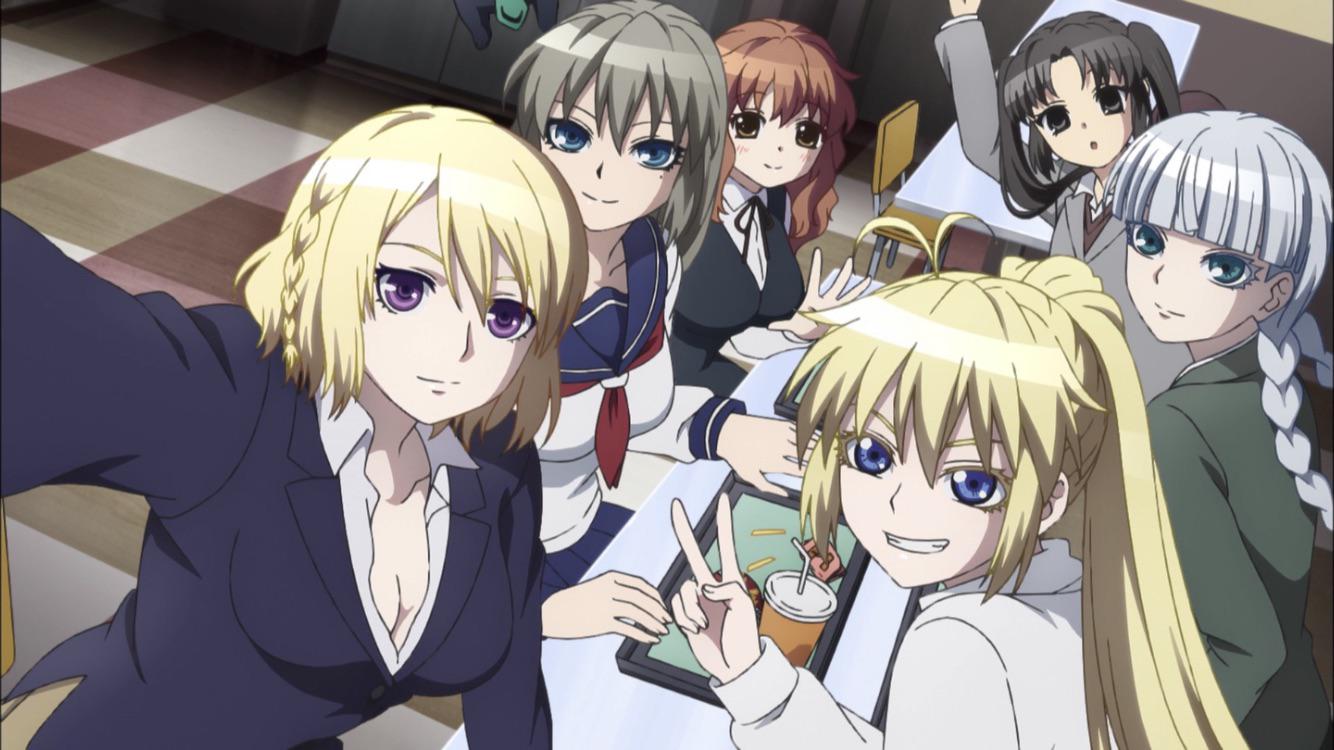
The story is set in a world where magical girls once battled supernatural forces to protect humanity. However, after defeating a powerful enemy known as the “Disas,” the magical girls returned to normal life. Asuka Ootorii, one of the former magical girls, tries to lead a normal existence but is drawn back into the world of combat when an underground organization of terrorists known as the “Babel Brigade” emerges.
Asuka, along with other former magical girls, is recruited by the government to join a special operations unit tasked with combating the new threat. The series follows Asuka and her comrades as they navigate the complexities of war, trauma, and personal demons while fighting to protect humanity once again.
Magical Girl Spec-Ops Asuka explores themes of trauma, survival, and the psychological toll of combat. The series goes into the consequences of being a magical girl, highlighting the physical and emotional scars that linger long after the battles have ended. It also examines the moral ambiguities of warfare and the sacrifices individuals make in the name of protecting others.
Magical Girl Spec-Ops Asuka
The characters in “Magical Girl Spec-Ops Asuka” are diverse and multifaceted, each grappling with their own inner demons and motivations. Asuka Ootorii, the protagonist, is a complex character burdened by her past as a magical girl and the horrors she witnessed in battle. Her comrades, including Kurumi Mugen (War Nurse), Mia Cyrus (Just Cause), and Tamara Volkova (Rapture), each bring unique skills and perspectives to the team.
The series explores the relationships and dynamics between these characters, revealing layers of vulnerability and strength as they confront new threats and old traumas.
The animation in “Magical Girl Spec-Ops Asuka” is well-executed, with fluid action sequences and detailed character designs. The series blends magical girl aesthetics with military themes, resulting in visually striking battle scenes and imaginative use of magical powers. The dark color palette and atmospheric visuals contribute to the series’ intense tone.
The soundtrack enhances the series’ atmosphere with tense and evocative musical compositions, heightening the suspense and drama during key moments. The voice-acting performances convey the emotional depth of the characters, adding to the impact of the narrative.
“Magical Girl Spec-Ops Asuka” has garnered mixed reviews due to its mature content and tonal shifts between magical girl fantasy and gritty military drama. While some viewers appreciate its nuanced approach to the genre and character development, others find the juxtaposition of dark themes and magical girl elements jarring.
Magical Girl Spec-Ops Asuka offers a compelling and action-packed take on the magical girl genre, exploring themes of trauma, warfare, and resilience. Its complex characters, intense storytelling, and imaginative visuals make it a standout series for fans looking for a darker and more mature interpretation of magical girl themes.
However, due to its graphic content and thematic depth, it may not be suitable for all audiences. If you enjoy a blend of fantasy and military drama with thought-provoking themes, “Magical Girl Spec-Ops Asuka” is worth exploring.
2. Wonder Egg Priority
Wonder Egg Priority
Wonder Egg Priority garnered attention for its initially promising premise, but as the series progressed, it stumbled in its execution. Despite its flaws, the anime showcased stunning visuals and portrayed deeply relatable characters, defying conventional expectations of the magical girl genre.
At its core, Wonder Egg Priority bravely explores dark and sensitive topics, particularly surrounding the theme of suicide. The protagonist grapples with the loss of a friend to suicide, looking into the complexities of grief, guilt, and survivor’s remorse. However, as the storyline unfolds, it becomes increasingly convoluted and abstract, straying from its initial narrative coherence.
Despite its narrative missteps, Wonder Egg Priority leaves a lasting impression as one of the most visually striking anime series to date. Its fascinating animation and emotionally resonant moments ensure that it will be remembered, even amidst its narrative shortcomings.
Wonder Egg Priority is a unique and visually beautiful anime series that goes into complex themes of adolescence, trauma, and friendship. Created by CloverWorks, this 12-episode original series aired from January to March 2021 and gained significant attention for its thought-provoking narrative and stunning animation.
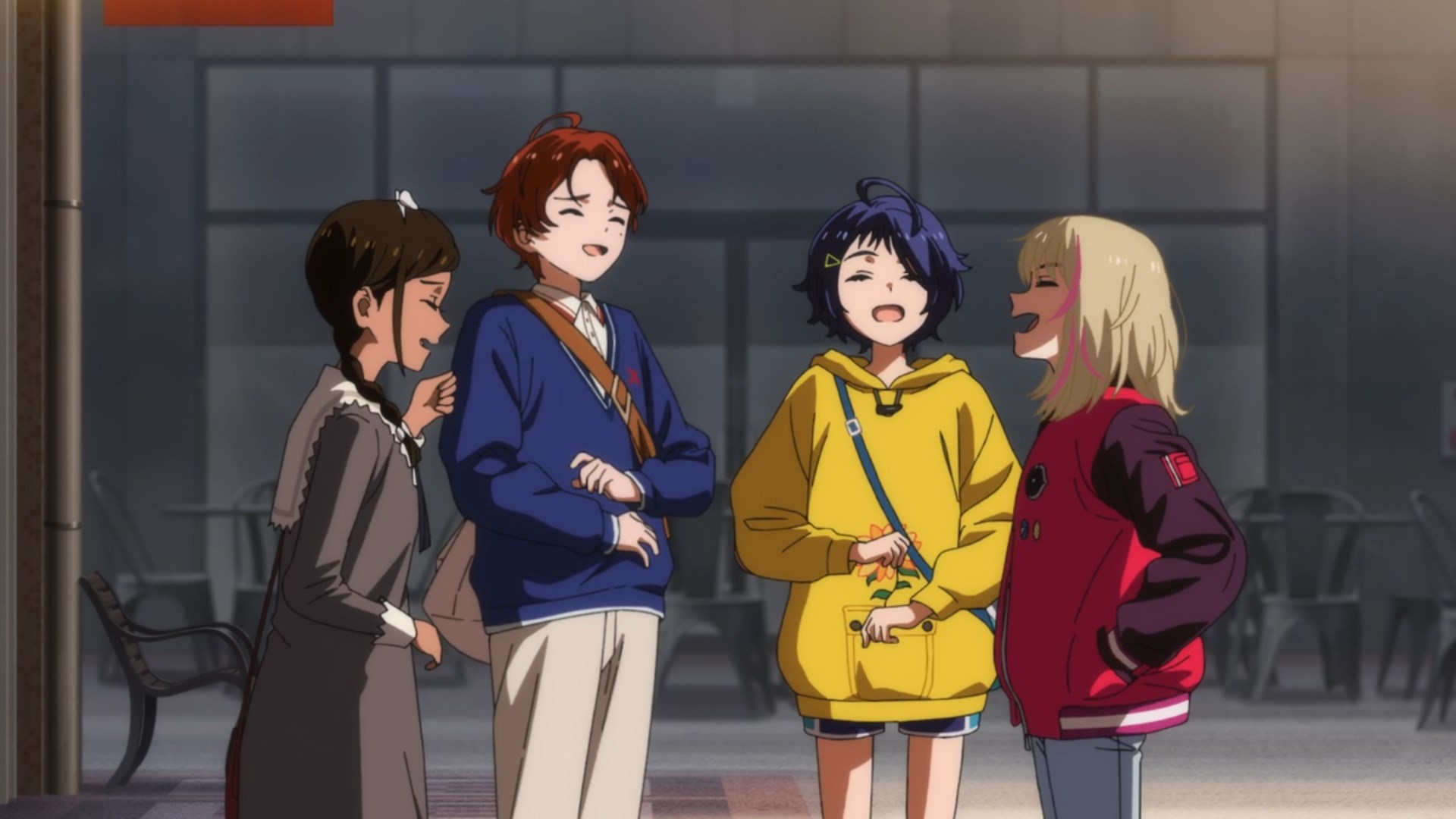
The story follows Ai Ohto, a withdrawn high school girl who has stopped attending school due to the bullying she experienced. One day, Ai discovers a mysterious egg that, when cracked open, reveals a “Wonder Egg” from which a girl emerges.
This girl, named Neiru Aonuma, urges Ai to protect the egg and prevent harm from coming to it. Ai soon learns that these Wonder Eggs connect her to a world where she must confront monstrous entities known as “Seeno Evils” by battling them alongside the girls born from the eggs.
One of the most compelling aspects of “Wonder Egg Priority” is its exploration of trauma and mental health issues faced by young girls. Each main character—Ai, Neiru, Rika Kawai, and Momoe Sawaki—carries deep emotional scars from their past.
The series skillfully navigates themes of bullying, societal pressure, abuse, and suicide, often through the lens of fantasy and metaphor. It presents these issues in a raw and honest manner, highlighting the struggles young individuals face in dealing with trauma.

Wonder Egg Priority
Friendship and the importance of human connections are also central themes. As the girls battle their inner demons together, they form a tight-knit bond that becomes a source of strength and healing. The series emphasizes the power of empathy and solidarity in overcoming personal struggles.
Wonder Egg Priority is visually stunning, featuring a blend of vibrant colors, detailed character designs, and fluid animation sequences. The dream-like world of the Wonder Eggs is beautifully rendered, creating an otherworldly atmosphere that perfectly complements the series’ surreal narrative. CloverWorks’ meticulous attention to detail brings both the characters and the fantastical elements to life, making each episode a visual treat.
The development of the main characters is a standout aspect of the series. Each girl is fleshed out with a distinct personality and backstory, allowing viewers to empathize with their struggles and motivations. Ai, in particular, undergoes significant growth as she confronts her past and learns to open up to others. The emotional depth of the characters adds layers to the storytelling, making their journeys compelling and relatable.
“Wonder Egg Priority” unfolds as a mystery, gradually revealing the connections between the girls, the Wonder Eggs, and the mysterious world they inhabit. The series skillfully balances supernatural elements with psychological introspection, keeping viewers engaged with its intricate plot twists and revelations. It doesn’t shy away from darker themes but approaches them with sensitivity and nuance.
The anime’s soundtrack, composed by Mito (Clammbon), complements the mood and atmosphere of the series. The music ranges from haunting melodies to upbeat tracks, enhancing emotional scenes and intensifying the impact of key moments. The opening theme song, “Sudachi no Uta” by Anemoneria, sets the tone for each episode with its evocative lyrics and powerful vocals.
“Wonder Egg Priority” received positive reviews from critics and audiences alike for its ambitious storytelling and thematic depth. It sparked discussions online about its treatment of sensitive topics and its innovative approach to the magical girl genre.
While the series garnered acclaim for its first half, opinions on the latter episodes varied due to pacing and narrative choices. Nonetheless, it remains a standout work in the anime industry for its creativity and emotional resonance.
Wonder Egg Priority is a must-watch for anime enthusiasts looking for a thought-provoking and visually nice series. Its exploration of trauma, friendship, and self-discovery sets it apart as a compelling addition to the genre;
offering a nuanced portrayal of adolescence and the struggles faced by young girls in a world where fantasy and reality intertwine. If you appreciate anime that isn’t afraid to tackle mature themes with empathy and creativity, “Wonder Egg Priority” is a series that delivers a truly unforgettable experience.
1. Princess Tutu
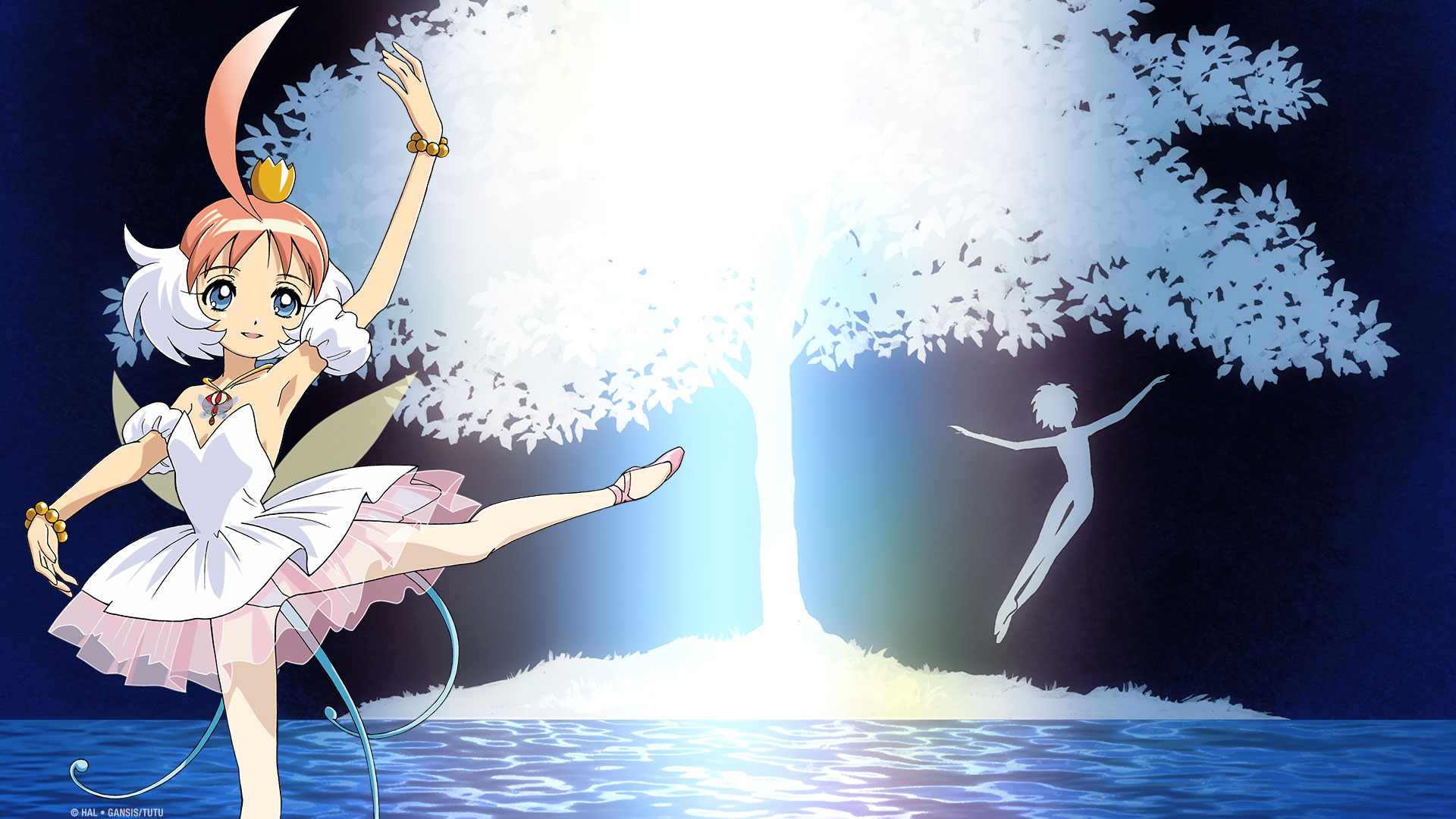
Princess Tutu
Princess Tutu weaves a fascinating tale centered around a duck transformed by the enigmatic Drosselmeyer into a graceful ballet dancer with the ability to ease the troubled hearts of others.
While Princess Tutu may not offer the same edgy, dark narrative as some of its counterparts in the magical girl genre, it nonetheless ventures into deeper themes and explores potentially disturbing elements. The series doesn’t shy away from darker aspects of storytelling, embracing complexities and nuances that add depth to its narrative.
Though it may not have aged seamlessly, Princess Tutu remains a compelling and enchanting watch, particularly for fans of the magical girl genre. Its unique blend of ballet, fantasy, and emotionally resonant storytelling ensures that it maintains a special place in the hearts of viewers, offering a timeless experience that transcends its era of origin.
Princess Tutu is a nice and unique anime series that combines elements of fairy tales, ballet, and magical girl themes to create a beautifully crafted narrative with depth and emotional resonance. Directed by Junichi Sato and Shougo Kawamoto, this series stands out for its creative storytelling, memorable characters, and elegant presentation.
Princess Tutu follows the story of a young duck named Ahiru (meaning “duck” in Japanese), who admires a talented and mysterious ballet dancer named Mytho.
Ahiru discovers that she has the ability to transform into Princess Tutu, a magical girl whose purpose is to return lost pieces of the shattered heart of Mytho, who has been manipulated by an evil entity known as the Raven.
As Princess Tutu, Ahiru gets on a quest to restore Mytho’s emotions and free him from the Raven’s control. Along the way, she encounters other characters, including Rue, a ballet dancer who also harbors secrets related to Mytho, and Fakir, a protective figure with a connection to Mytho’s past.
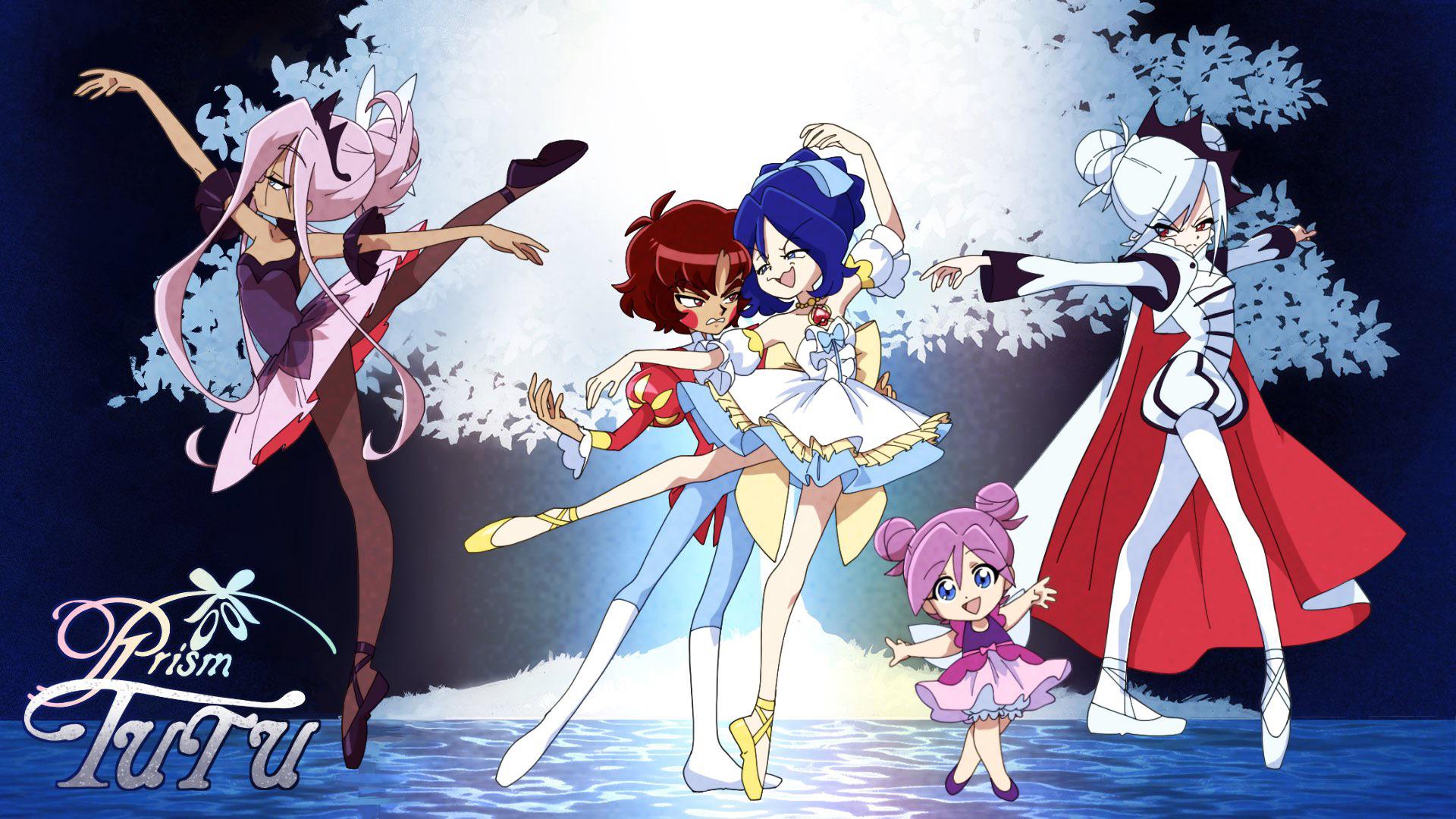
Princess Tutu
Princess Tutu explores themes of destiny, sacrifice, and the power of storytelling. The series goes into the idea of characters breaking free from predetermined roles and discovering their true selves. It also examines the interplay between reality and fiction, as well as the transformative nature of art and creativity.
The characters in “Princess Tutu” are richly developed and multifaceted. Ahiru/Princess Tutu is a charming protagonist who undergoes significant growth throughout the series as she grapples with her feelings for Mytho and her role in shaping his destiny.
Mytho, initially portrayed as a stoic and emotionless prince, gradually regains his humanity as Princess Tutu restores his shattered heart. Supporting characters like Rue, Fakir, and Drosselmeyer (a manipulative storyteller) add layers of complexity to the narrative, with their own motivations and struggles driving the plot forward.
One of the standout features of “Princess Tutu” is its elegant animation and art style. The series incorporates ballet-inspired choreography and graceful character movements that enhance the fairy tale atmosphere. The character designs are enchanting, with detailed costumes and expressive facial expressions that convey emotions effectively.
The soundtrack of “Princess Tutu” plays a crucial role in setting the mood and enhancing the emotional impact of key scenes. Composed by Kaijura Yuki, the music blends classical melodies with original compositions, creating a magical and enchanting atmosphere that complements the fairy tale themes.
Princess Tutu has received critical acclaim for its imaginative storytelling, unique premise, and emotional depth. It has gained a dedicated fanbase for its unconventional take on the magical girl genre and its exploration of complex themes. The series continues to be celebrated as a gem of storytelling and artistic expression within the anime community.
Princess Tutu is a timeless and nice anime series that transcends conventional genre boundaries. Its blend of ballet, fairy tales, and magical girl elements creates a compelling and emotionally resonant narrative that captivates viewers of all ages. If you appreciate thought-provoking storytelling, elegant animation, and memorable characters, “Princess Tutu” is a must-watch anime that offers a truly magical experience.
Memes of the Day
Pixiv 118757547#1
Intern Haenyeo Raw

Kanojo Wa Dare To Demo S*x Suru
Rankou de Wakarou
Sauce: Hachishaku Hachiwa Keraku Meguri: Igyou Kaikitan | (Hanime)

Okita-chan ga Nandemo Shite Kureru Ohanashi | Okita-chan Will Do Anything for Me [Zikataro

Netorareta Bakunyuu Seiso Zuma Hitomi -Oikko ni Torotoro ni Tokasaremashita [Gagarin Kichi]

Trade Friend Musashimaru
Oshikake Bakunyuu Gal Harem Seikatsu!

Tsubasa from Monogatari
Sauce: Yankee JK KuzuHana-chan
Neighborhood Associations”
Is It Your Mother or Sister?
Bullying remains a prevalent theme in anime, often depicted but still a sensitive topic. The way it’s portrayed can be tricky, yet when done well, it deserves recognition. These shows address significant youth issues, ones that even adults struggle with. However, few anime truly gets into bullying, making those that do especially valuable.
In the current Spring 2024 season, several anime tackle this subject. “Viral Hit” confronts bullying with intense and uncomfortable scenes.
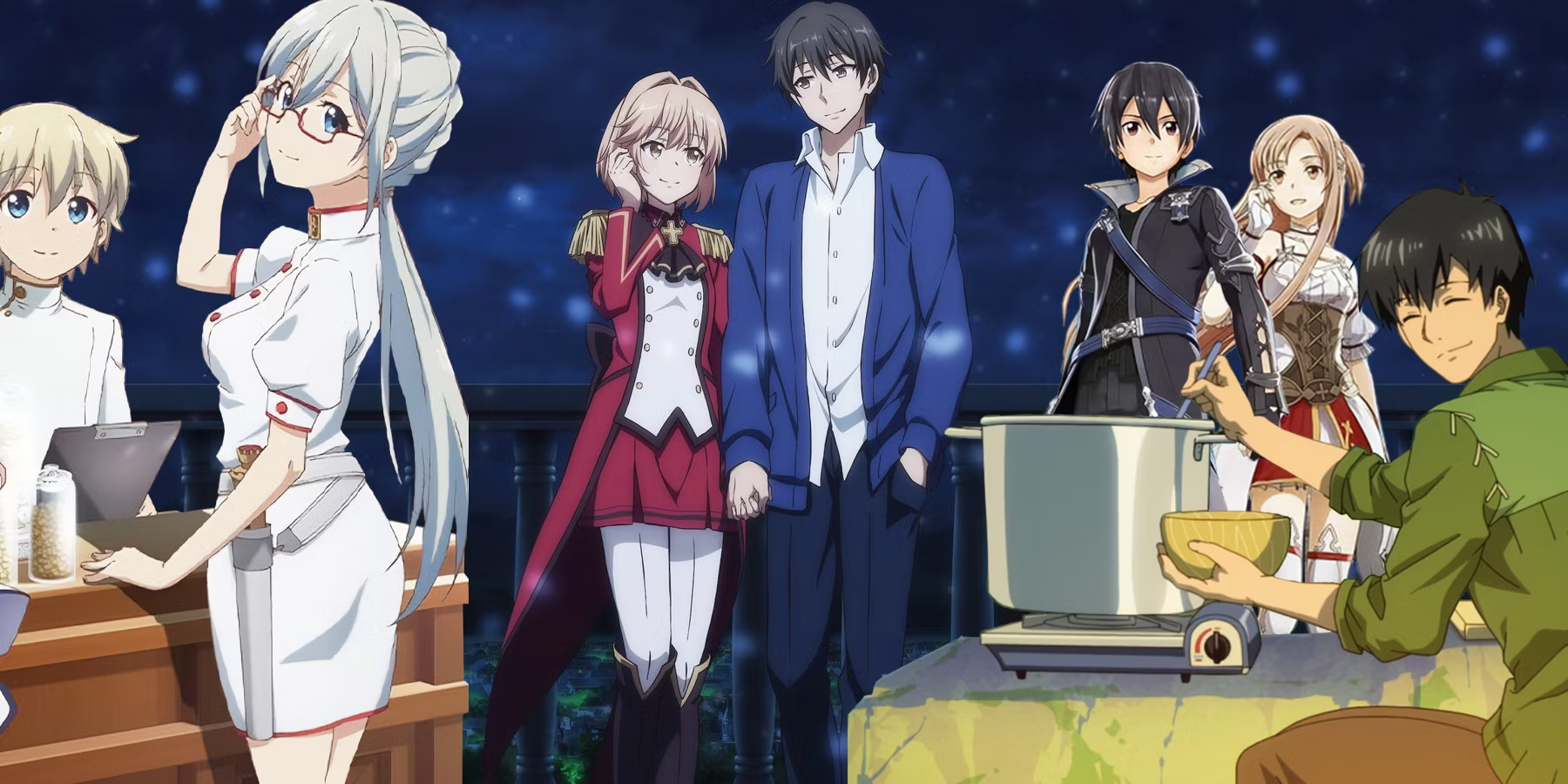
Some Anime About Bullying
On the other hand, “Go! Go! Loser Ranger!” offers a unique take, where weaker characters become victims of the supposed heroes. “The Many Sides of Voice Actor Radio” and “Oshi no Ko” touch on online bullying. Even “Black Butler: Public School Arc” introduces a notable bully character.
While it’s too early to fully judge these series, they’re worth considering for anyone interested in stories about bullying. They highlight important issues and often deliver heartfelt narratives. As these shows continue to unfold, their impact on the anime will become clearer.
15. A Little Princess Sara

A Little Princess Sara
A Little Princess Sara may date back nearly four decades, but its timeless themes and poignant lessons continue to resonate today. Despite its classification as a children’s anime akin to morning cartoons, the series looks into heavy and relatable topics that remain relevant.
At the outset, Sara is portrayed as a wealthy, kind-hearted girl who enjoys favoritism. However, her life takes a drastic turn when news of her parents’ bankruptcy reaches the school principal. Suddenly, Sara finds herself thrust into adversity as attitudes towards her drastically shift.
The bullying Sara faces transcends mere taunts from insecure classmates; she becomes a target for mistreatment from adults as well. This unique form of bullying reflects a harsh reality where individuals are deemed worthless once they no longer serve a perceived utilitarian purpose.
A Little Princess Sara serves as a poignant reminder of the complexities of human relationships and the challenges individuals face in navigating societal expectations. Despite its age, the series remains a compelling exploration of resilience, empathy, and the enduring power of kindness in the face of adversity.
A Little Princess Sara, also known as “Shoukoujo Sara” or “A Little Princess,” is a classic anime series based on the novel “A Little Princess” by Frances Hodgson Burnett.
The anime adaptation was produced by Nippon Animation and first aired in Japan from 1985 to 1986. The series consists of 46 episodes and has been beloved by audiences around the world for its heartwarming story and memorable characters.
The story follows Sara Crewe, a young girl who is sent to a prestigious boarding school in London while her father, Captain Ralph Crewe, goes off to war. Sara is known for her kind heart and vivid imagination. She befriends her classmates and is admired by the headmistress, Miss Minchin, for her good manners and generosity.
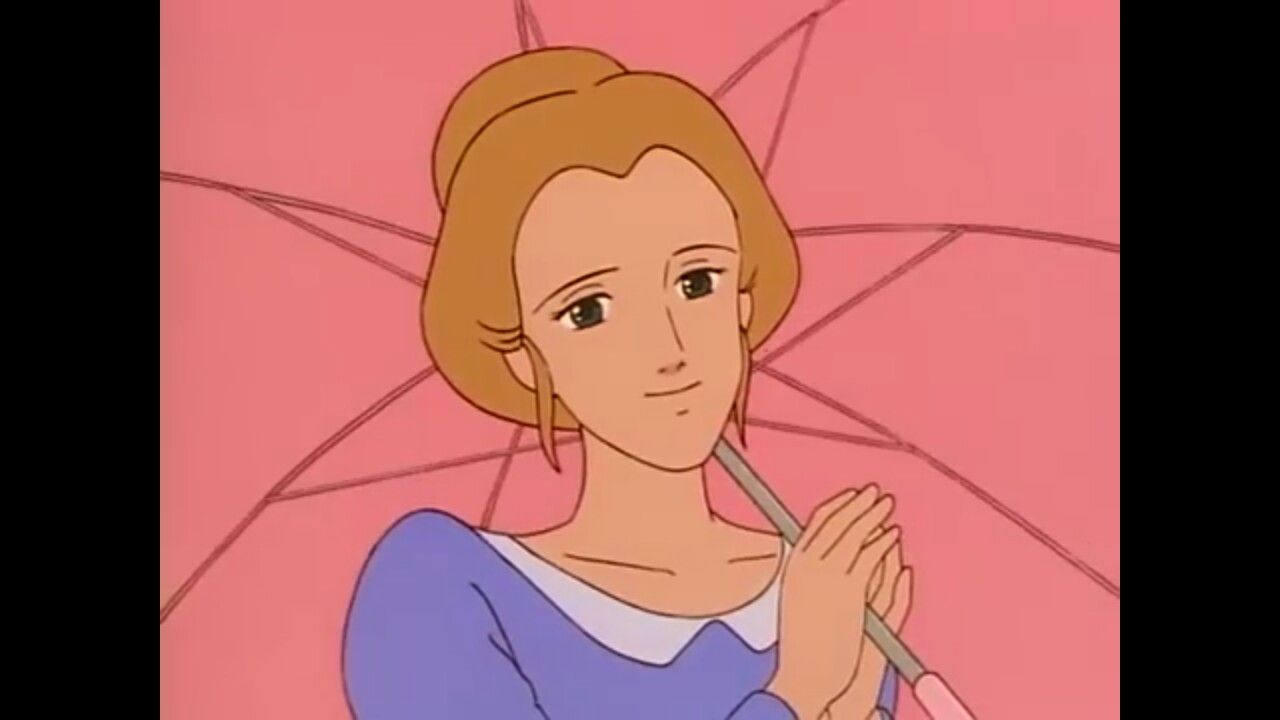
A Little Princess Sara
Sara’s life takes a drastic turn when she receives news that her father has died, leaving her penniless. Miss Minchin, who had previously treated Sara like a princess due to her wealth, now forces her to work as a servant at the school to pay off her debts. Despite her hardships, Sara remains resilient and retains her kindness and optimism.
The series explores themes of friendship, perseverance, and the power of imagination in the face of adversity. Sara’s unwavering spirit and ability to find joy in simple things inspire those around her, ultimately leading to a touching and uplifting narrative.
The animation style of A Little Princess Sara is typical of Nippon Animation’s work from the 1980s, characterized by detailed character designs and expressive animation. The backgrounds are richly illustrated, capturing the atmosphere of Victorian-era London.
“A Little Princess Sara” has received widespread acclaim for its emotional depth and well-crafted storytelling. The series has resonated with audiences of all ages and has been praised for its positive portrayal of the protagonist’s resilience in the face of adversity.
The anime’s enduring popularity has led to several adaptations and spin-offs over the years. It remains a beloved classic among fans of anime and literature alike, admired for its timeless themes and memorable characters. A Little Princess Sara is a touching and poignant anime series that masterfully adapts Frances Hodgson Burnett’s classic novel.
Through Sara’s journey of loss, hardship, and eventual triumph, the series explores profound themes with sensitivity and depth. Its enduring popularity is a testament to its universal appeal and its ability to resonate with viewers of all generations. If you enjoy heartfelt storytelling and compelling characters, “A Little Princess Sara” is a must-watch anime that continues to grab audiences with its enduring charm.
14. Oshi no Ko
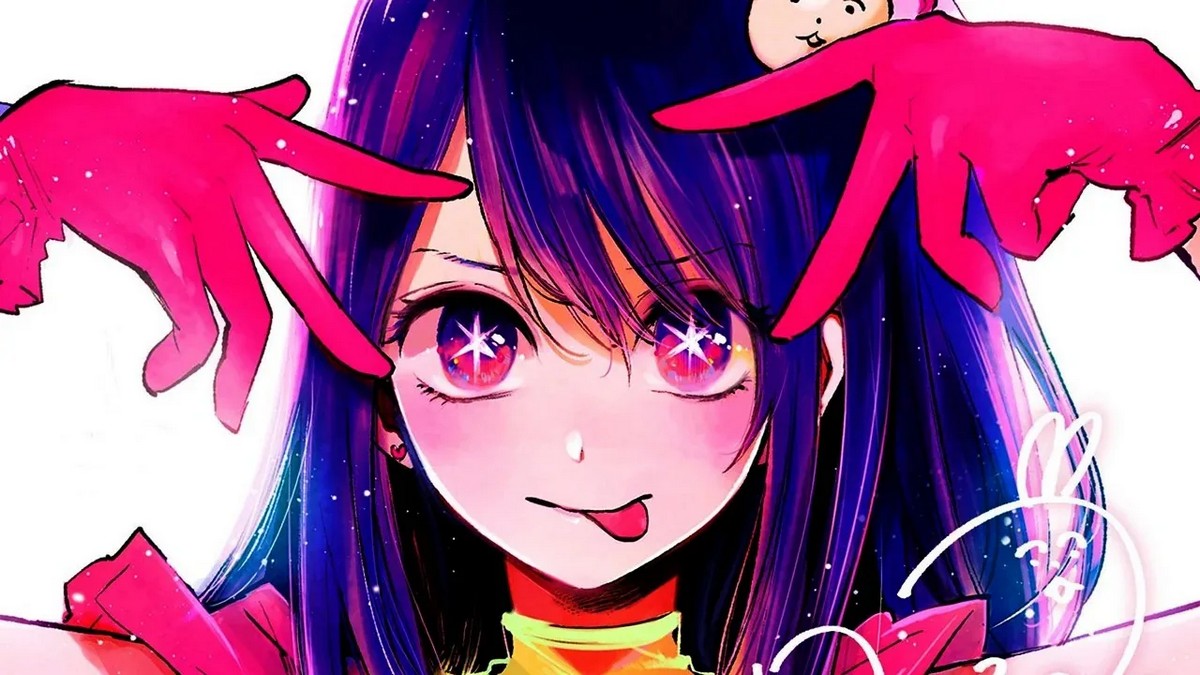
Oshi no Ko (Credits: OtakuKart)
While Oshi no Ko may not fit the traditional mold of a recommendation for its portrayal of bullying, it deserves recognition for its exploration of Akane’s arc.
During a reality show filming, Akane is pressured to assert herself more, leading to an unintentional confrontation with another cast member. Unfortunately, her actions are manipulated through editing to appear deliberate, resulting in relentless online harassment and bullying—a disturbingly realistic outcome.
This storyline serves as a compelling reminder that bullying extends beyond traditional settings like classrooms. In today’s world, it can manifest in various contexts such as workplaces, sports teams, romantic relationships, and even within families.
Moreover, the prevalence of online forums and social media platforms has facilitated the proliferation of harassment, amplifying its impact and reach.
Despite its brief duration spanning only two episodes, Akane’s arc in Oshi no Ko stands out as a high point, shedding light on the darker aspects of the Japanese entertainment industry and the pervasive issue of cyberbullying.
It serves as a poignant reflection of the challenges individuals face in navigating the complexities of modern society, where the line between reality and perception is often blurred.
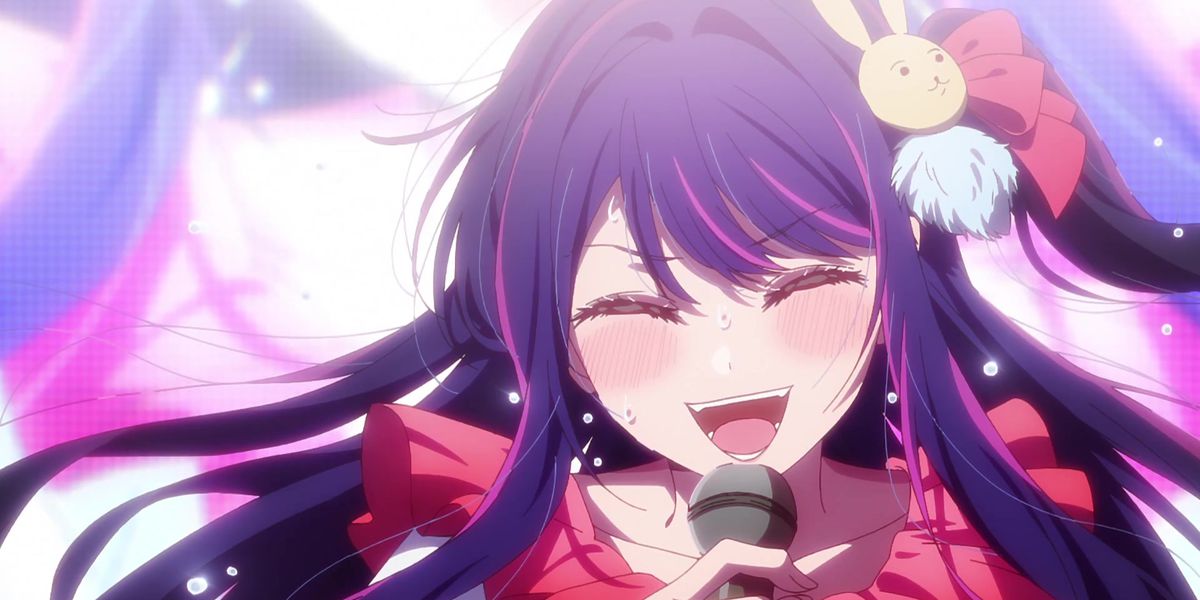
Oshi no Ko
The story revolves around Ai Hoshino, a former idol who has mysteriously disappeared from the public eye. She resurfaces as a single mother with a young daughter named An.
An ex-idol fan named Akira Nonomiya becomes intrigued by Ai’s reappearance and her daughter. Akira discovers that An has an uncanny resemblance to Ai’s former idol persona, leading him to speculate about the true nature of their relationship.
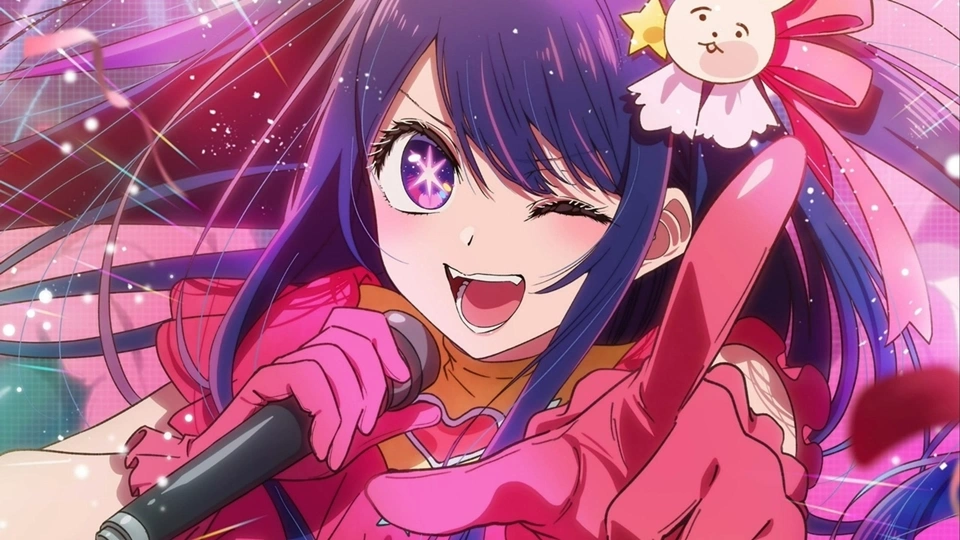
Ai (Credits: Doga Kobo)
As Akira goes deeper into Ai’s past, he reveals dark secrets and conspiracies surrounding the idol industry. The manga skillfully navigates themes of identity, ambition, and the price of fame, while keeping readers guessing about the true origins of Ai and An.
Aka Akasaka’s artistic style shines through in “Oshi no Ko,” with meticulous character designs and expressive illustrations that capture the emotional depth of the story. The manga’s paneling and pacing enhance the suspenseful atmosphere, drawing readers into the complex web of relationships and motivations.
The characters in “Oshi no Ko” are multifaceted and dynamic. Ai Hoshino is portrayed as a compelling and enigmatic figure, balancing her public persona with her private struggles.
An, her daughter, is a key enigma, embodying both innocence and hidden complexity. Akira Nonomiya evolves from a curious observer to an invested protagonist, driven by a desire to uncover the truth behind Ai and An’s connection.
The manga explores profound themes such as the impact of stardom on personal lives, the commodification of identity, and the toll of societal expectations. Through Ai’s story, Akasaka crafts a poignant commentary on the illusions and sacrifices of the entertainment industry.
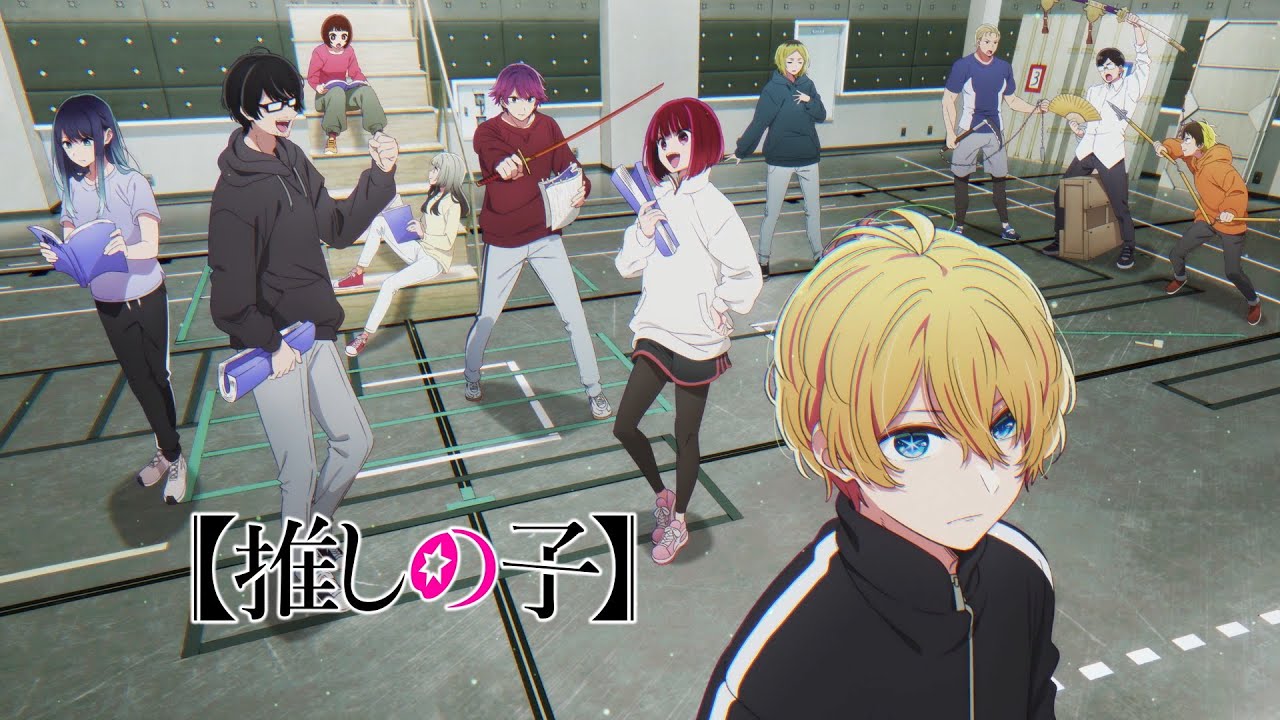
Oshi no Ko Season 2 (Credits: Doga Kobo)
Oshi no Ko has garnered a positive reception from both critics and readers alike, praised for its narrative depth, intricate plot twists, and thematic richness. Fans appreciate its departure from conventional idol narratives, offering a darker and more introspective exploration of fame and identity.
While Oshi no Ko diverges significantly from Akasaka’s previous work in genre and tone, both series showcase the author’s skillful storytelling and character-driven approach. “Oshi no Ko” resonates with readers seeking a mature and thought-provoking narrative, distinct from the romantic comedy dynamics of “Kaguya-sama.”
Oshi no Ko stands out as a compelling addition to Aka Akasaka’s repertoire, demonstrating the author’s versatility and narrative prowess. With its intriguing premise, nuanced characters, and thematic depth, the manga promises an engaging and unforgettable journey into the complexities of fame, family, and self-discovery within the world of idols.
13. Dear Brother

Dear Brother
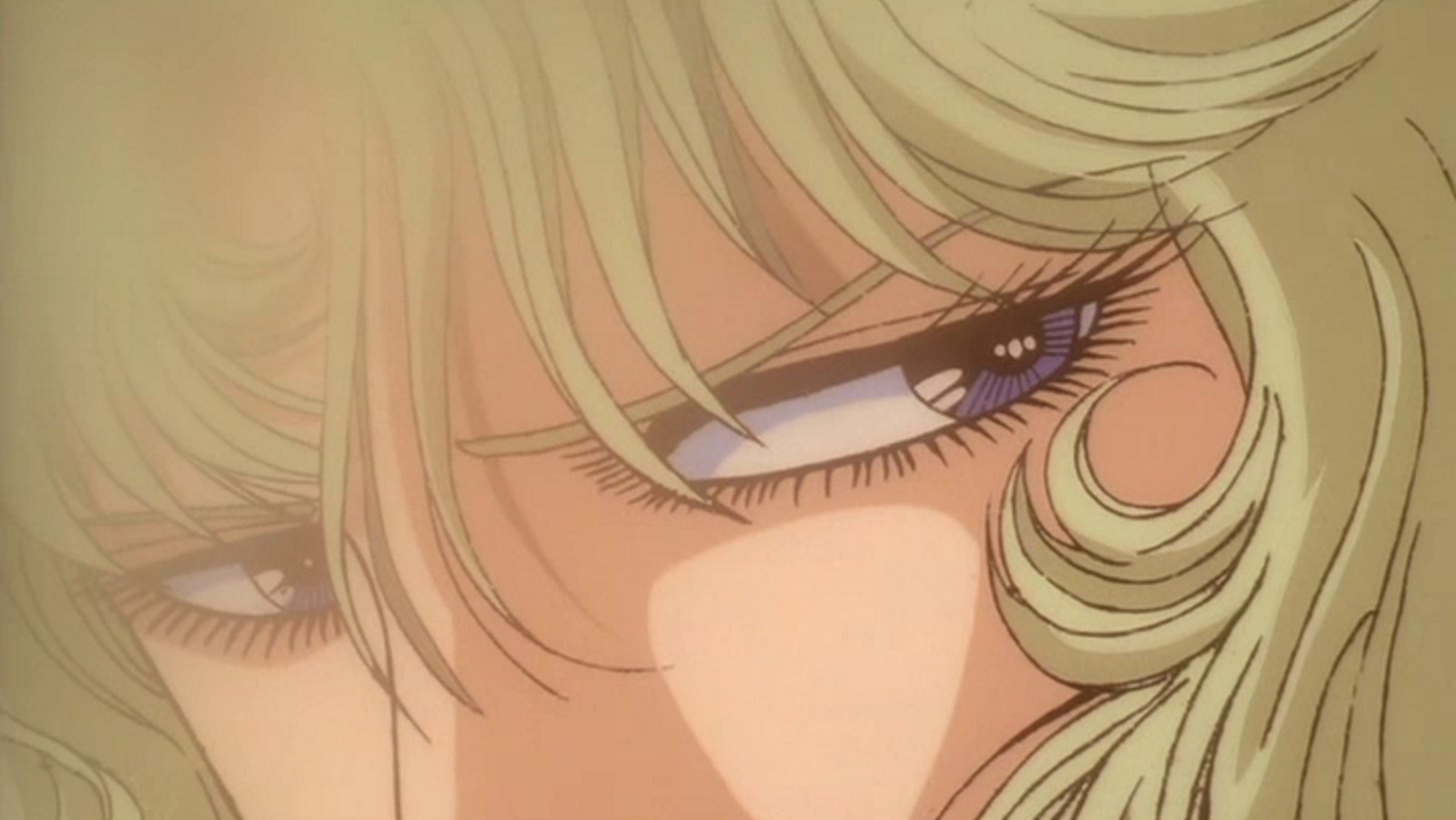
Dear Brother presents a narrative akin to a high school adaptation of A Little Princess Sara, placing its protagonist, Nanako Misonoo, in a challenging environment at Seiran Academy, an all-girls school. Upon joining a sorority,
Nanako discovers herself in a social hierarchy dominated by wealthy and high-status members, where she is quickly marginalized and subjected to mistreatment. Nanako’s plight reflects the harsh realities of social dynamics, as she becomes a target for bullying due to her impoverished background and lack of popularity.
The series wastes no time in establishing its tone and central theme—a psychological drama centered around the struggles of a young girl grappling with bullying and societal pressures.
Dear Brother (Oniisama e…) is a classic shoujo manga series written and illustrated by Riyoko Ikeda, renowned for her iconic work “Rose of Versailles.” Originally serialized in the 1970s, “Dear Brother” explores themes of friendship, rivalry, and emotional turmoil within the context of an all-girls high school setting.
The story centers around Nanako Misonoo, a kind-hearted and naive girl who enters Seiran Academy, an elite school known for its strict social hierarchy and complex interpersonal relationships. Nanako becomes entangled in the lives of her classmates, particularly the enigmatic and troubled Rei Asaka, who becomes her “Dear Brother.”
As Nanako navigates the challenges of adolescence and school life, she uncovers the secrets and personal struggles of her peers. The narrative goes into themes of unrequited love, jealousy, and the emotional scars left by past traumas, all while Nanako grapples with her own evolving feelings and aspirations.
Riyoko Ikeda’s art style in “Dear Brother” is characterized by its elegance and emotional depth. The characters are beautifully drawn with expressive faces that convey a range of emotions, from vulnerability to determination. The intricate details of the school environment and character designs enhance the immersive quality of the storytelling.
Dear Brother
One of the manga’s strengths lies in its well-developed and complex characters. Nanako’s journey of self-discovery is interwoven with the stories of her classmates, each grappling with their own inner conflicts and desires. Rei Asaka, in particular, emerges as a compelling and tragic figure, haunted by her past and struggling to find solace amidst societal pressures.
Dear Brother explores themes of identity, femininity, and the quest for acceptance. The manga critiques the rigid social norms of an elite institution, exposing the vulnerabilities and hidden pains behind its facade of prestige. Through Nanako’s perspective, the story examines the complexities of female relationships and the transformative power of empathy.
Dear Brother is regarded as a seminal work in the shoujo genre, celebrated for its mature storytelling and nuanced character portrayals. The manga’s exploration of sensitive themes resonated with readers, inspiring subsequent works that go into similar themes of adolescence and emotional growth.
While Dear Brother differs from “Rose of Versailles” in setting and narrative focus, both works exemplify Riyoko Ikeda’s signature style of storytelling characterized by rich character development and societal critique. “Dear Brother” stands out for its intimate portrayal of female relationships and the intricacies of teenage angst.
Dear Brother is a poignant and thought-provoking manga that continues to grab audiences with its timeless exploration of youth, friendship, and the search for identity.
Riyoko Ikeda’s masterful storytelling and evocative artwork raise the genre, leaving a lasting impression on readers who appreciate the emotional depth and complexity of human relationships portrayed in this classic shoujo masterpiece.
12. Eyeshield 21

Eyeshield 21 (Credits: OtakuKart)
Eyeshield 21 presents a narrative reminiscent of Makunouchi Ippo’s journey in Hajime no Ippo, particularly in the case of its protagonist, Sena Kobayakawa. Sena, a small and timid individual, endures constant bullying and adopts a strategy of evading his tormentors to survive school.
Interestingly, this practice inadvertently hones his skills in dodging and evasive maneuvers, attributes that prove invaluable when he discovers his talent for American Football.
Scouted for his exceptional abilities, Sena swiftly rises to become the MVP of his school’s varsity team. His transformation not only inspires his former bullies to better themselves but also earns him accolades for his resilience and determination. The anime commendably showcases how Sena’s experiences of adversity ultimately contribute to his growth and success.
Moreover, Eyeshield 21 is laudable for its portrayal of how the American Football team embraces individuals with unique skills, providing them with a sense of belonging and acceptance that they may not find elsewhere. This celebration of diversity and inclusion sets the series apart, offering a heartwarming portrayal of camaraderie and personal development within the sports.
The story begins with Sena Kobayakawa, a small and timid boy who has spent most of his life being bullied. When he enters Deimon High School, he is recruited by the devilishly clever Yoichi Hiruma, who sees Sena’s incredible speed as the key to forming Deimon’s American football team. To keep his identity a secret, Sena adopts the alias “Eyeshield 21” and becomes the team’s star running back.
As Sena and the Deimon Devil Bats strive to compete in the highly competitive world of high school football, they face off against a series of formidable opponents, each with their own unique skills and strategies. Along the way, Sena forms deep bonds with his teammates, including the massive lineman Kurita and the hot-headed but fiercely loyal linebacker, Raimon “Monta” Taro.

Eyeshield 21
Yusuke Murata’s artwork in “Eyeshield 21” is dynamic and visually stunning, particularly during the intense football matches. Murata’s ability to capture motion and action lends excitement to every play, from Sena’s lightning-fast sprints to the bone-crushing tackles of his adversaries. The character designs are diverse and memorable, reflecting each player’s distinctive personality and playing style.
One of the manga’s strengths is its focus on character growth and camaraderie. Sena evolves from a timid underdog into a confident and inspirational leader, supported by a colorful cast of teammates who each undergo their own personal transformations. The relationships and rivalries between characters drive the emotional core of the story, adding depth and resonance to the high-stakes football matches.
At its core, “Eyeshield 21” is about perseverance, teamwork, and the pursuit of excellence. The manga explores themes of determination, friendship, and self-discovery through the lens of competitive sports. Each match serves as a test of the characters’ resolve and resilience, highlighting the value of hard work and discipline in achieving one’s goals.
“Eyeshield 21” received widespread acclaim for its compelling story, exhilarating sports action, and well-developed characters. It was praised for its accurate depiction of American football and its ability to engage readers who may not have been familiar with the sport. The series’ popularity led to multiple video game adaptations and an anime adaptation produced by Studio Gallop.
While “Eyeshield 21” shares thematic similarities with other sports manga such as “Slam Dunk” and “Haikyuu!!,” it distinguishes itself through its focus on American football, strategic gameplay, and the growth of its protagonist from an underdog to a formidable athlete. The series stands out for its blend of sports drama, humor, and exhilarating action sequences.
Eyeshield 21 is a must-read for fans of sports manga, offering a compelling narrative, memorable characters, and adrenaline-pumping football matches. Riichiro Inagaki’s storytelling combined with Yusuke Murata’s dynamic artwork creates an immersive and entertaining experience that resonates with readers of all ages, celebrating the spirit of teamwork, determination, and the thrill of the game.
11. Naruto
Naruto
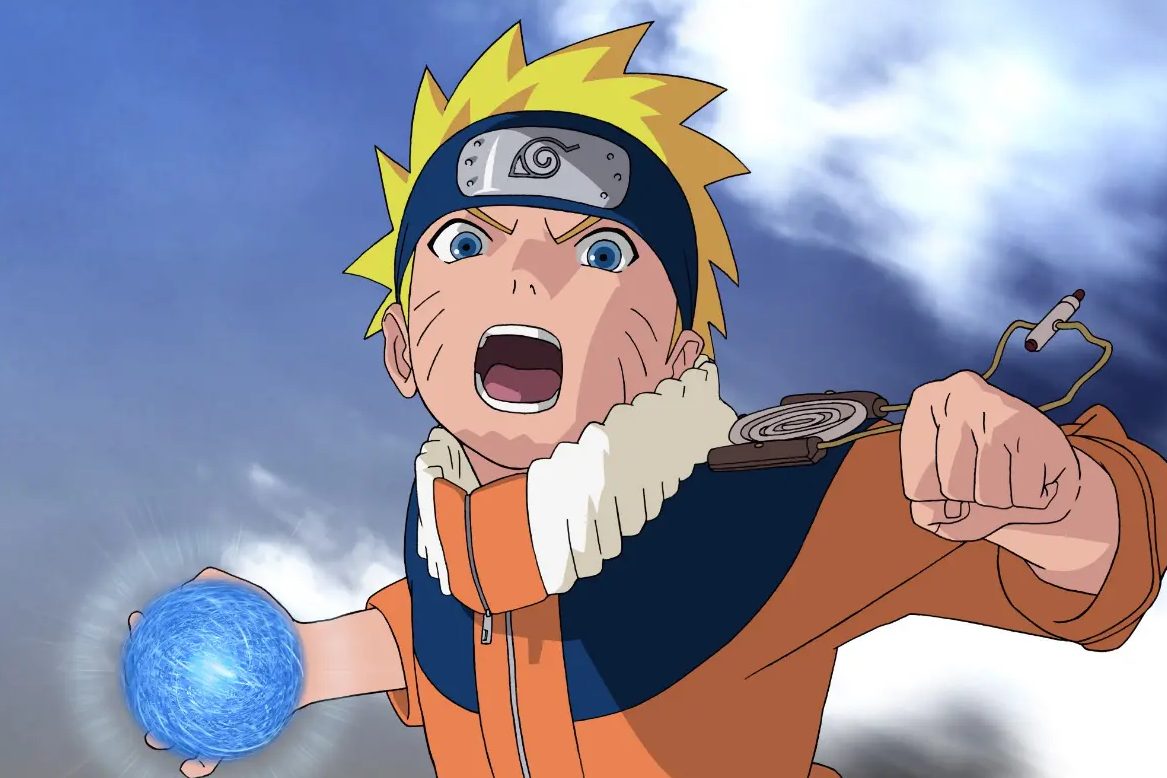
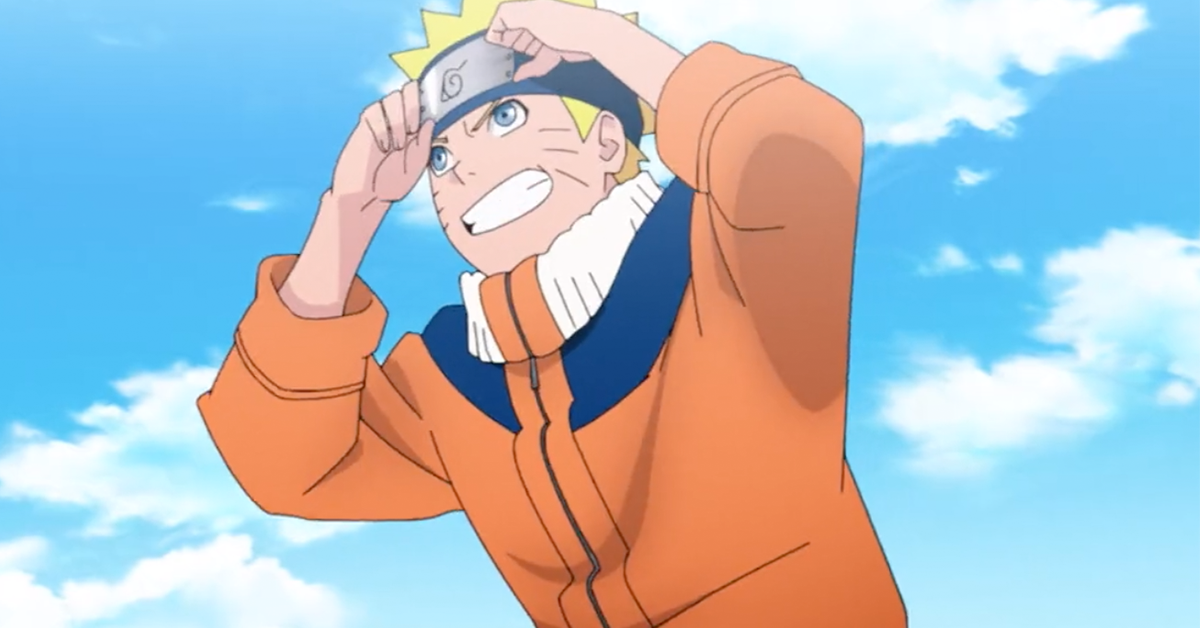
Before rising to become the formidable ninja of Konoha that we know, Naruto Uzumaki endured a tumultuous childhood marked by hardship and isolation.
As an orphan harboring a powerful demon within him capable of cataclysmic destruction, Naruto faced ostracization from his community, leaving him with few, if any, friends and subjected to the cruel indifference of his fellow villagers.
The ostracization Naruto experiences is a form of bullying that takes a toll on his emotional well-being throughout the series. Despite the adversity he faces, Naruto’s resilience and inner strength shine through, ultimately propelling him towards his destiny as a powerful ninja.
Naruto (Credits: Pierrot Studio)
While Naruto’s struggles may fade into the background as he matures into a symbol of strength and determination, it’s essential to remember the challenges he overcame in his formative years.
His journey from outcast to hero serves as a testament to the power of perseverance and emotional intelligence, inspiring audiences with his unwavering resolve.
Indeed, Naruto’s growth and eventual recognition in Boruto serve as a satisfying testament to his journey, highlighting the transformative impact of his experiences and the triumph of his character.
Naruto
Naruto is a globally renowned Japanese manga and anime series created by Masashi Kishimoto. It originally ran from 1999 to 2014 and has left an indelible mark on pop culture, influencing subsequent generations of manga and anime creators.
Naruto Uzumaki is an orphaned ninja who grew up ostracized by the villagers due to the presence of the Nine-Tails Fox spirit sealed within him. Despite this, Naruto is determined to become the Hokage, the leader of his village. Throughout the series, Naruto faces various challenges and battles, makes friends, and reveals the mysteries of his past.
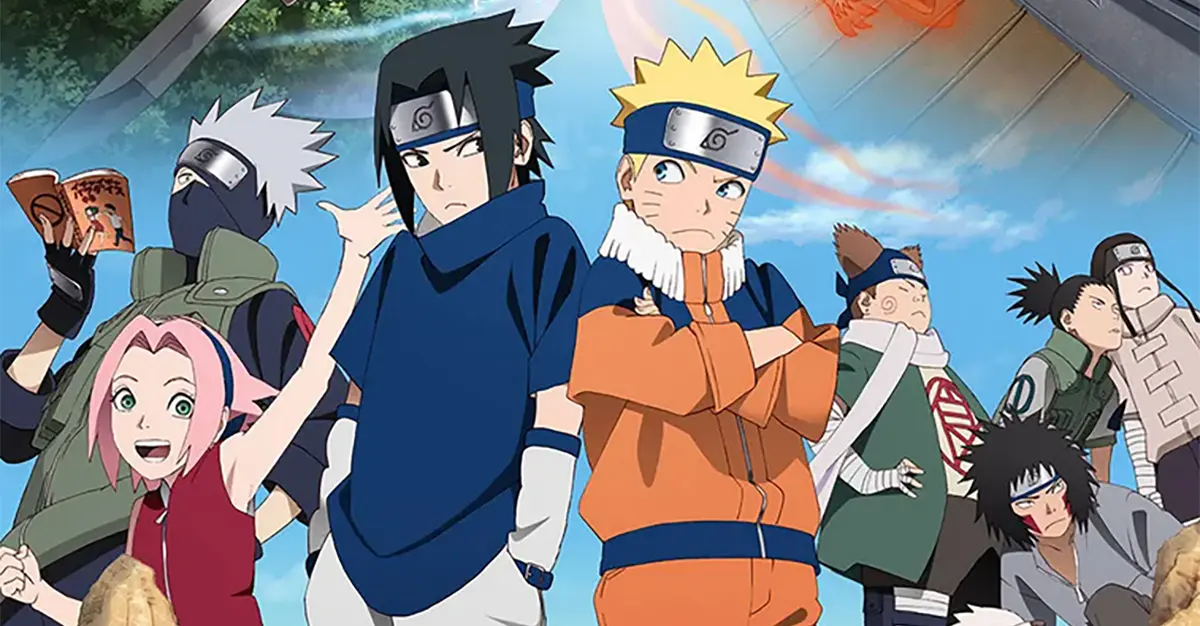
The story begins with Naruto as a mischievous and energetic young ninja studying at the Ninja Academy. He is placed in Team 7 alongside Sasuke Uchiha, a talented yet brooding young ninja from a prestigious clan, and Sakura Haruno, who initially has a crush on Sasuke. Their sensei, Kakashi Hatake, guides them through various missions and challenges.
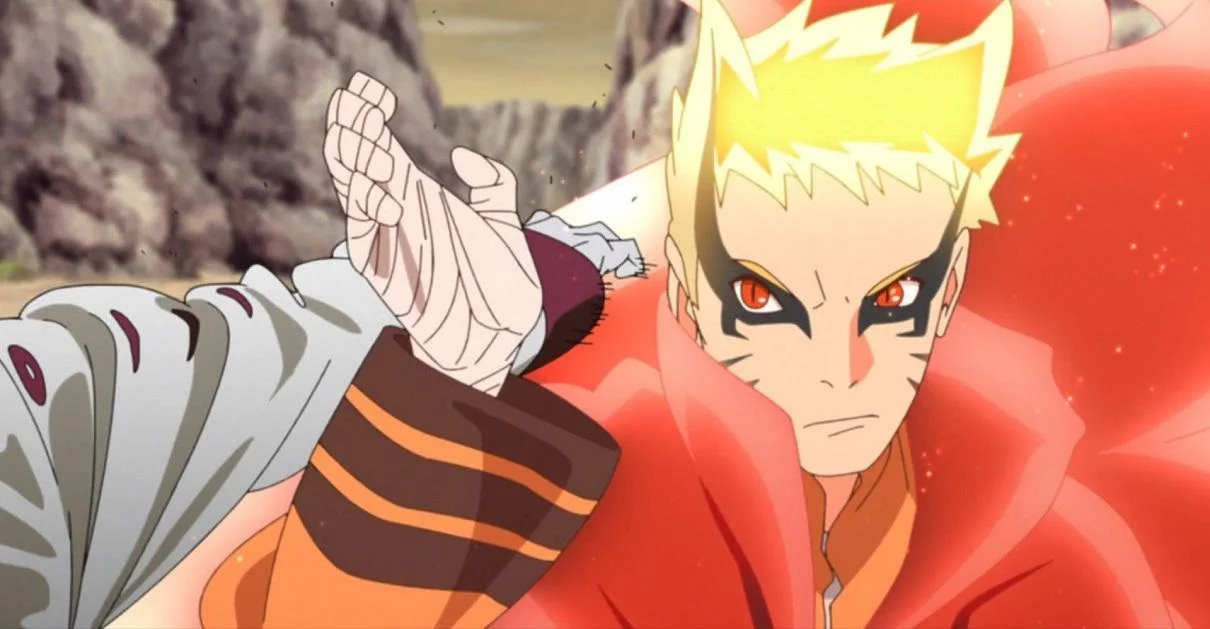
Naruto vs Isshki
As the series progresses, Naruto and his friends encounter powerful enemies and participate in the Chunin Exams, a prestigious ninja tournament. The story goes deep into themes of friendship, perseverance, and the consequences of one’s actions.
Naruto explores several significant themes such as friendship, perseverance, and the pursuit of one’s dreams. The characters undergo profound growth throughout the series, grappling with personal traumas, self-discovery, and the complex interplay between duty and personal desire. Naruto’s journey, in particular, is a testament to resilience and the transformative power of determination.
Set in a world of ninjas, Naruto features clans, techniques, and battles. Ninjas utilize chakra—a form of energy derived from spiritual and physical energy—to perform jutsu (techniques) ranging from elemental manipulation to illusionary arts. Kishimoto crafted an intricate system of abilities, each with its unique strengths and weaknesses.
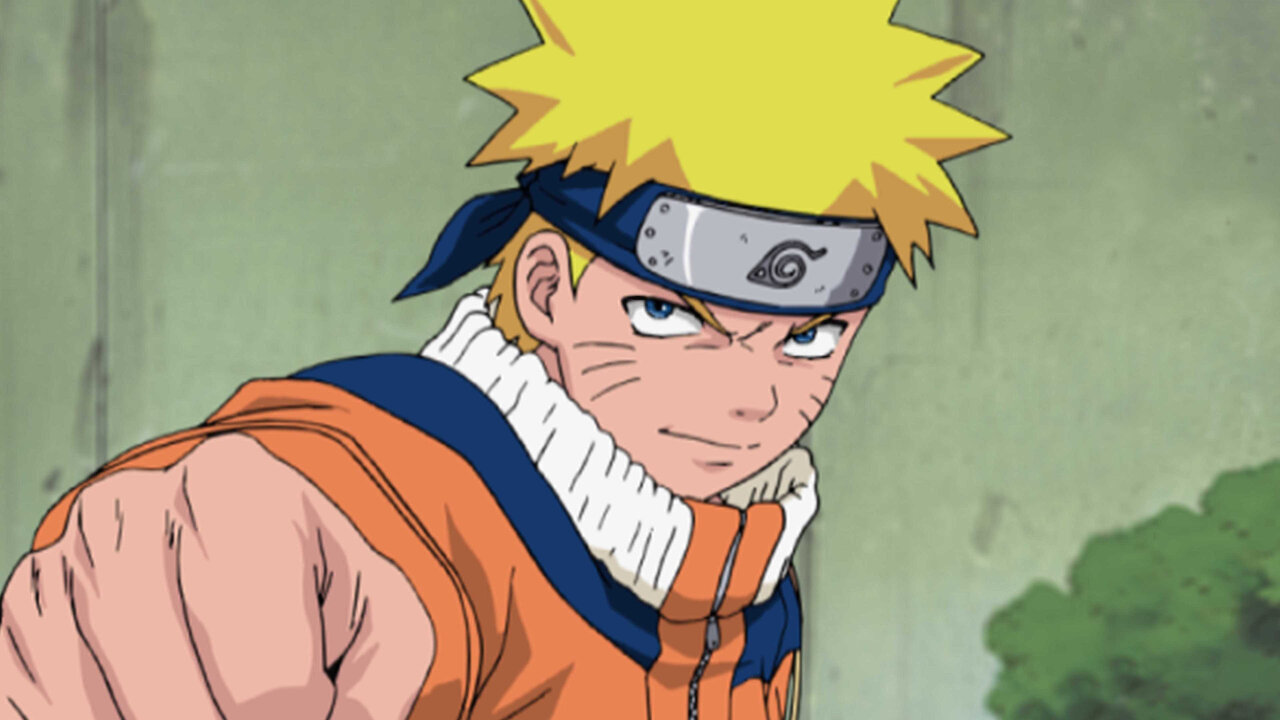
Naruto in the early story
Following the conclusion of the original series, “Naruto: Shippuden” continues Naruto’s journey as a young adult. This sequel goes deeper into the complex relationships among characters and explores darker themes. The Akatsuki, a group of rogue ninjas seeking to harness tailed beasts’ power, emerges as a formidable antagonist.
Naruto has garnered immense popularity globally due to its compelling characters, intricate plot, and breathtaking action sequences. It has spawned movies, video games, novels, and a sequel series, “Boruto: Naruto Next Generations,” which focuses on Naruto’s son, Boruto Uzumaki.
Beyond entertainment, “Naruto” has inspired countless fans with its messages of resilience and friendship. Its impact on popular culture extends to fashion, music, and other media, cementing its status as one of the most influential manga and anime of its generation.
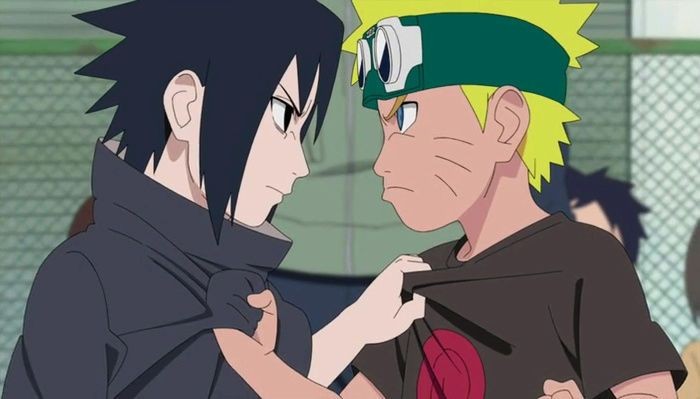
Naruto and Sasuke
While Naruto received widespread acclaim, some viewers noted pacing issues in both the manga and anime adaptations. Certain story arcs were criticized for excessive filler episodes that disrupted the main narrative’s flow. However, these shortcomings did not overshadow the series’ impact and enduring appeal.
Naruto is a transformative work that transcends the boundaries of traditional manga and anime. It continues to resonate with audiences worldwide, leaving an indelible legacy in the realms of storytelling and pop culture.
10. Fruits Basket
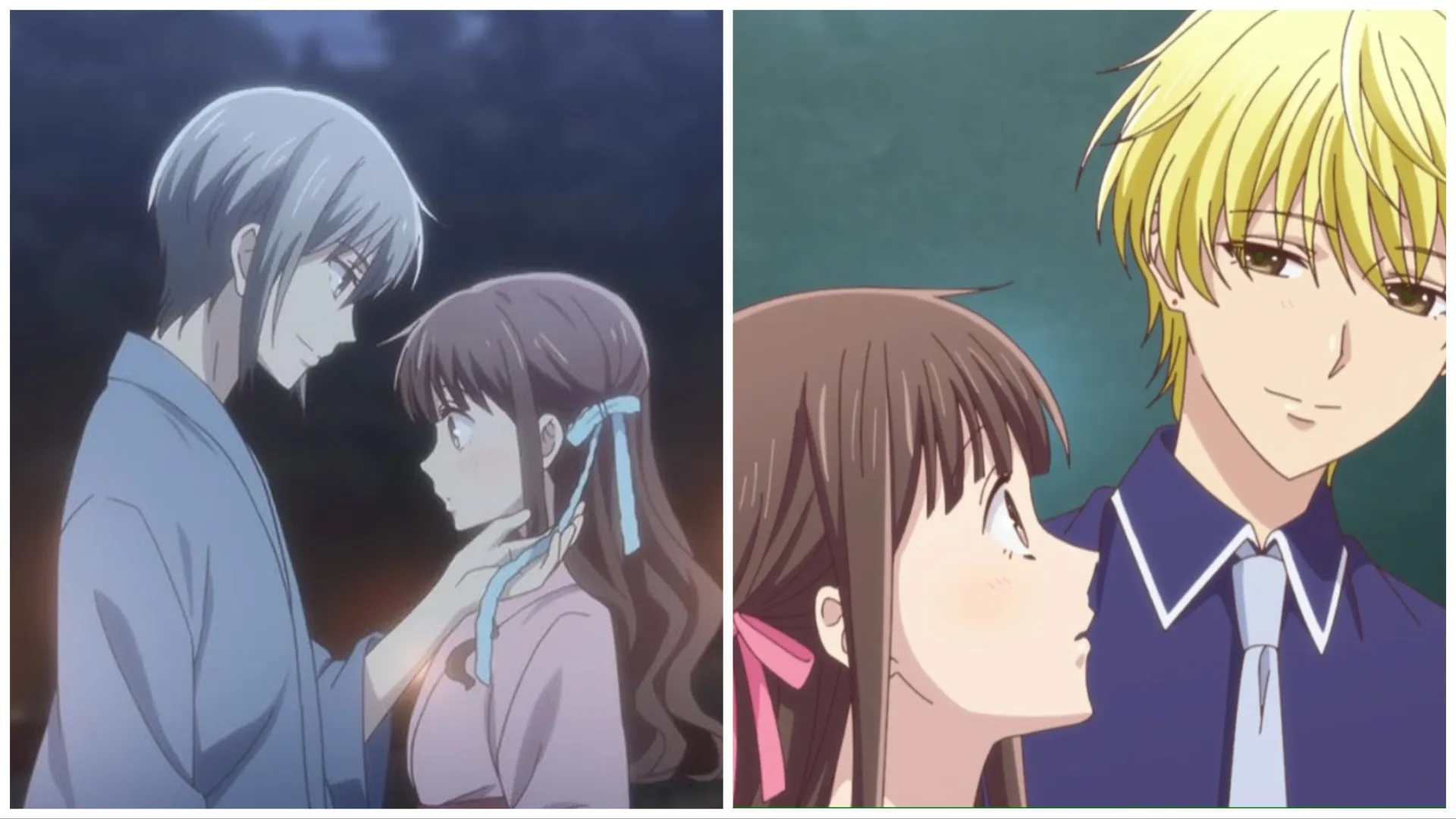
Fruits Basket
Fruits Basket stands out for its remarkable ability to traverse a wide spectrum of emotions, themes, and genres with masterful precision. Bullying serves as a central subject within the manga, intricately woven into its narrative and even reflected in its title, which alludes to an innocent school game that symbolizes Tohru’s childhood isolation.
The series goes beyond traditional portrayals of bullying, going into various forms of harmful relationships that extend beyond school dynamics.
Perhaps most infuriating is Akito’s manipulation of the other zodiac members, particularly his toxic relationship with Yuki. Additionally, characters like Saki Hanajima have their backstories shaped by experiences of bullying, highlighting the lasting impact it can have on individuals.
The portrayal of the Yuki’s Fan Club’s obsessive behavior also underscores the theme of harassment, as they relentlessly pursue their idol without regard for his boundaries or well-being.
Through its multifaceted exploration of bullying and its effects on individuals and relationships, Fruits Basket offers a poignant reflection on the complexities of human interaction and the enduring impact of emotional trauma.
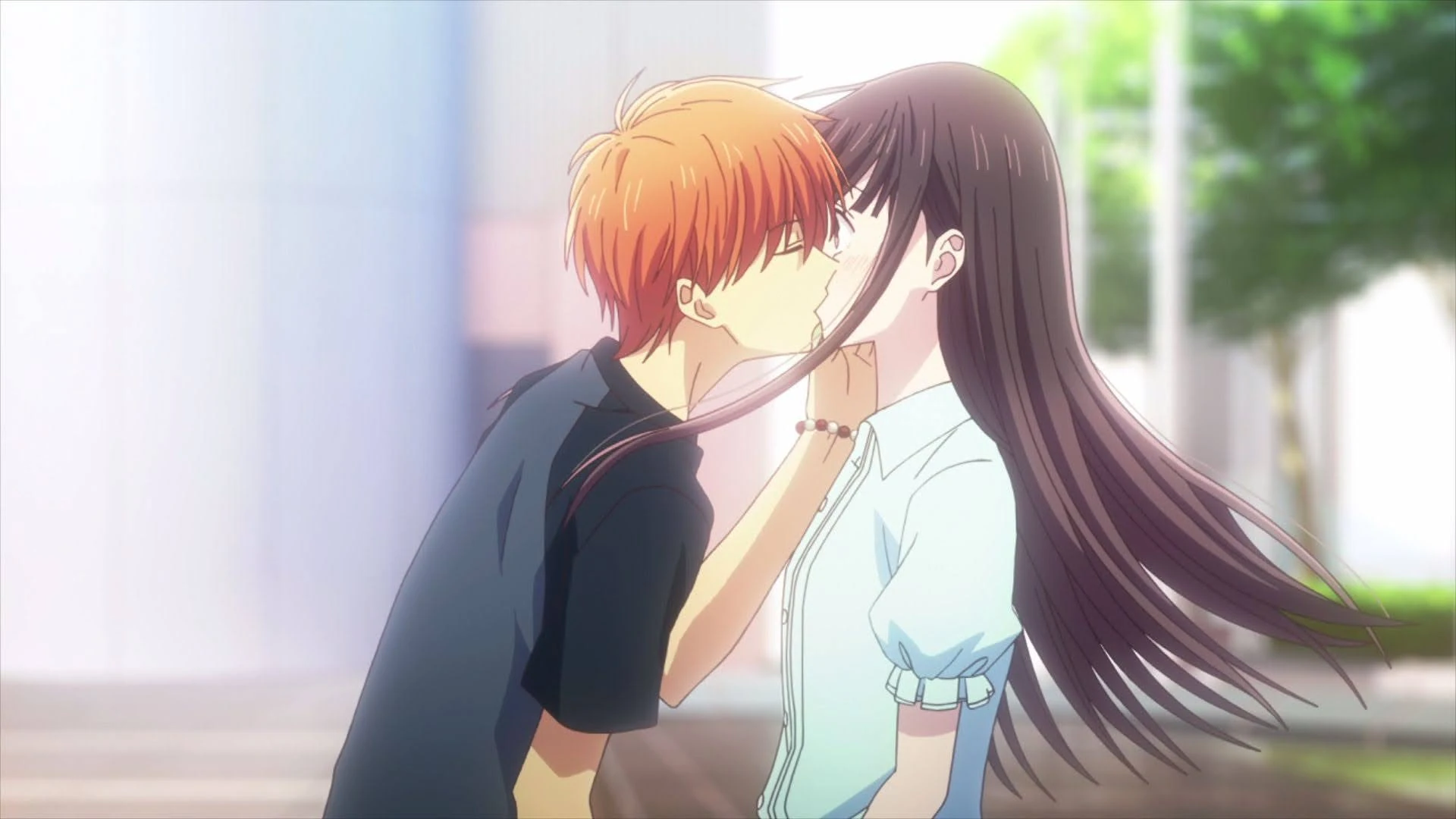
Fruits Basket
Fruits Basket is a beloved Japanese manga and anime series that has captured the hearts of audiences around the world with its poignant storytelling and compelling characters. Originally created by Natsuki Takaya, the series was first serialized in 1998 and later adapted into a 2001 anime series and a more recent 2019 reboot.
The story follows a high school girl named Tohru Honda, who, after a series of unfortunate events, ends up living with the enigmatic Sohma family.
Tohru discovers a powerful secret about the Sohma family: certain members are cursed to transform into animals of the Chinese zodiac when hugged by someone of the opposite sex. Each member is possessed by a zodiac spirit, with characters representing different animals from the zodiac cycle.
Tohru becomes intertwined with the lives of the Sohma family members, including the charismatic but troubled Yuki Sohma, the brash Kyo Sohma, and the mysterious Shigure Sohma.
As she goes deeper into their world, Tohru learns about the dark history behind the curse, the emotional scars it has left on the Sohma family, and the intricate relationships that bind them together.

Fruit Basket Anime
One of the central themes of “Fruits Basket” is the impact of emotional trauma and family dynamics on personal growth and relationships. Each character grapples with their own internal struggles stemming from the curse and their past experiences. The series beautifully explores themes of acceptance, forgiveness, and the importance of genuine connections.
The strength of “Fruits Basket” lies in its richly developed characters. Tohru is a kind-hearted and empathetic protagonist who serves as a catalyst for healing within the Sohma family. Yuki, the “rat” of the zodiac, is reserved and struggles with self-worth due to his troubled upbringing. Kyo, the “cat,” is fiery and harbors deep-seated resentment towards the curse and his own identity.
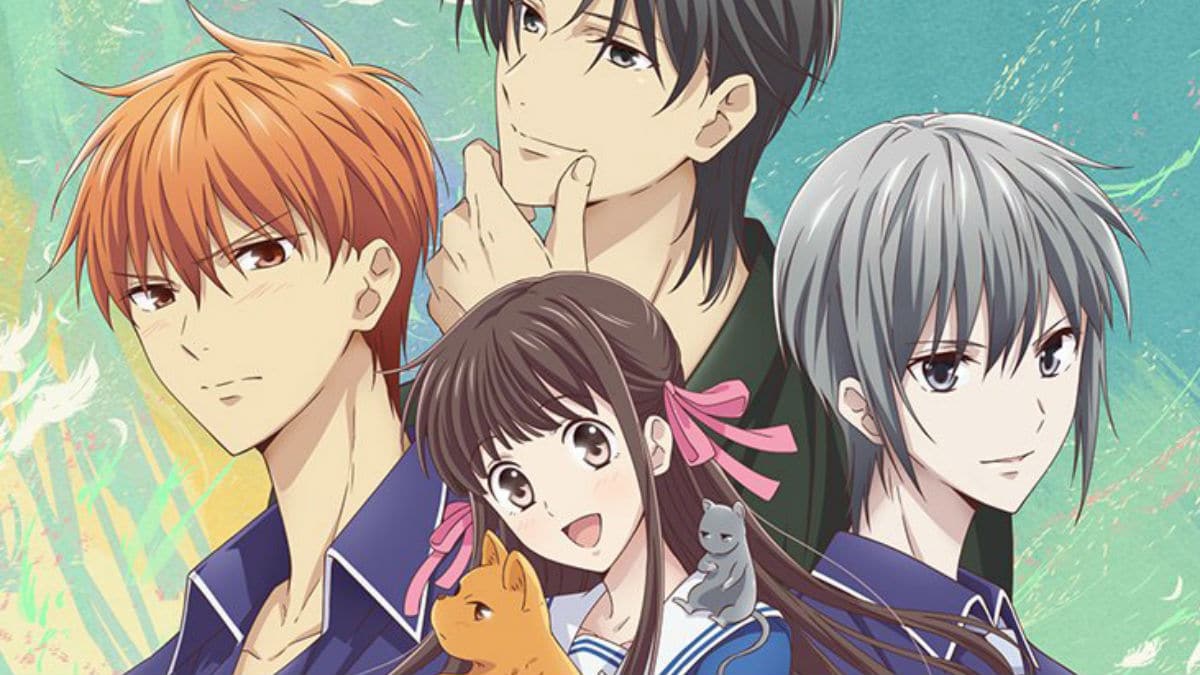
A Still from Fruit Basket Anime
Other notable characters include Shigure, the laid-back and manipulative cousin of Yuki and Kyo, and the various zodiac members such as Hatsuharu (the ox), Kagura (the boar), and Hatori (the dragon), each with their own unique struggles and personalities.
The art style of the manga, created by Natsuki Takaya, is expressive and emotive, capturing the complexities of the characters’ emotions. The anime adaptation, particularly the 2019 version, showcases beautiful animation and character designs that bring the world of “Fruits Basket” to life.
Fruits Basket has received widespread acclaim for its storytelling and character development. It has resonated with audiences for its exploration of deep emotional themes and its ability to blend drama, romance, and humor seamlessly. The series has also been lauded for its positive portrayal of mental health issues and its emphasis on personal growth and healing.

A poster of Fruit Basket Anime
The 2019 anime adaptation in particular has introduced a new generation of fans to the series, receiving praise for its faithfulness to the source material and its stunning visuals.
Fruits Basket is a timeless tale that continues to grab audiences with its heartwarming narrative and memorable characters. Whether you’re a fan of manga, or anime, or simply enjoy stories about personal growth and human connection;
Fruits Basket offers a compelling and emotionally resonant experience that is well worth exploring. It’s a series that reminds us of the transformative power of empathy, friendship, and unconditional love.
9. March Comes In Like A Lion
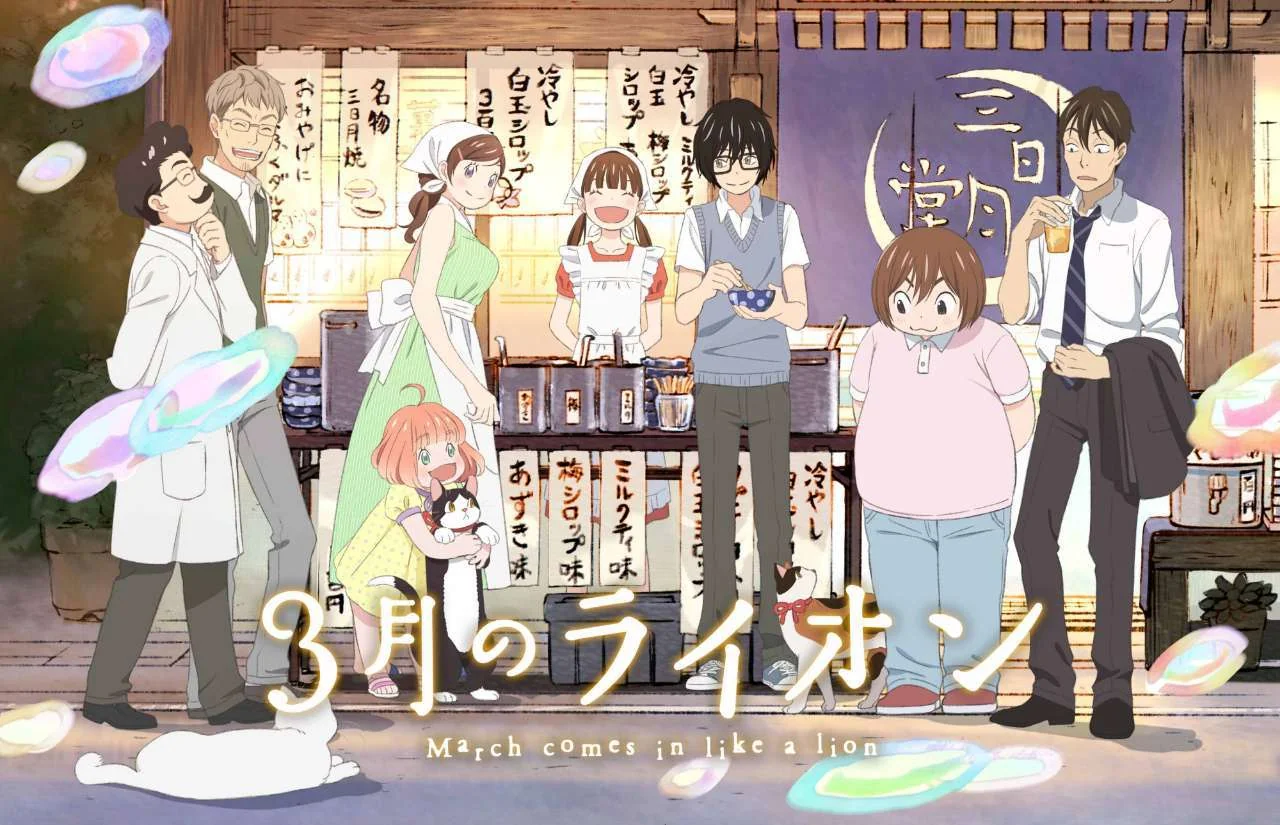
March Comes In Like A Lion
While the first season of March Comes In Like A Lion primarily focuses on the world of shogi, the second season looks deeper into character development, particularly exploring the backstory of Hina. Initially introduced as a side character, Hina’s narrative takes center stage as the series shines a spotlight on her struggles with bullying.
Hina’s troubles begin when she bravely stands up for her friend who is being bullied, only to become the target of the bullies’ retaliation herself. Despite facing adversity, Hina’s response is characterized by unwavering conviction. She stands firm in her belief that she did the right thing, refusing to succumb to regret or self-doubt.
This pivotal storyline highlights the profound impact of bullying on individuals and underscores the importance of standing up for what is right, even in the face of adversity. Hina’s courage and resilience serve as an inspiring example, resonating with viewers as they witness her journey of self-discovery and growth.
March Comes in Like a Lion (or “3-gatsu no Lion”) is a nice Japanese manga and anime series written and illustrated by Chica Umino. It has garnered critical acclaim for its deep storytelling, complex characters, and poignant exploration of themes such as loneliness, family, and personal growth.
The story centers around Rei Kiriyama, a 17-year-old professional shogi player (Japanese chess) who lives alone in Tokyo. Rei’s parents died when he was young, and he struggles with feelings of isolation and depression despite his success in shogi. The series follows Rei’s journey as he navigates the challenges of his professional career, confronts his traumatic past, and forms meaningful connections with others.
Rei becomes acquainted with the Kawamoto sisters—Akari, Hinata, and Momo—who live in his neighborhood. They provide Rei with warmth and support, offering him a glimpse of family life and a sense of belonging that he has longed for. Through his interactions with the Kawamoto family and other shogi players, Rei gradually learns to confront his inner demons and rediscover his passion for life.
March Comes In Like A Lion
March Comes in Like a Lion goes deep into themes of mental health, trauma, and the importance of human connections. Rei’s journey of self-discovery is portrayed sensitively, highlighting the impact of grief and loneliness on his emotional well-being. The series also explores themes of perseverance, redemption, and the transformative power of empathy and friendship.
The characters in “March Comes in Like a Lion” are beautifully crafted and undergo profound growth throughout the series. Rei is a complex protagonist who struggles with guilt and self-doubt, yet gradually learns to open up to others and accept their support. The Kawamoto sisters, especially Hinata, serve as beacons of light in Rei’s life, offering him unconditional love and understanding.
Other notable characters include Rei’s shogi rivals and mentors, each with their own struggles and motivations. The series masterfully intertwines the personal journeys of its characters, creating human experiences and emotions.
Chica Umino’s art style is distinctive and expressive, capturing the nuances of the character’s emotions and inner turmoil. The manga’s illustrations are filled with symbolism and visual metaphors that enhance the storytelling. The anime adaptation, produced by Shaft, features stunning animation and art direction that complement the emotional depth of the narrative.
March Comes in Like a Lion has received widespread critical acclaim for its storytelling, character development, and thematic depth. It has resonated with audiences for its honest portrayal of mental health issues and its exploration of the healing power of genuine connections. The series has won numerous awards and accolades, solidifying its reputation as a modern classic in manga and anime.
March Comes in Like a Lion is a profound and moving series that offers a nuanced exploration of human emotions and relationships. Whether you’re drawn to character-driven narratives or stories that goes into the complexities of the human psyche, this series delivers a poignant and unforgettable experience.
With its richly developed characters, evocative artwork, and heartfelt storytelling, “March Comes in Like a Lion” is a must-watch (or must-read) for anyone seeking a meaningful and emotionally resonant story.
8. Great Teacher Onizuka
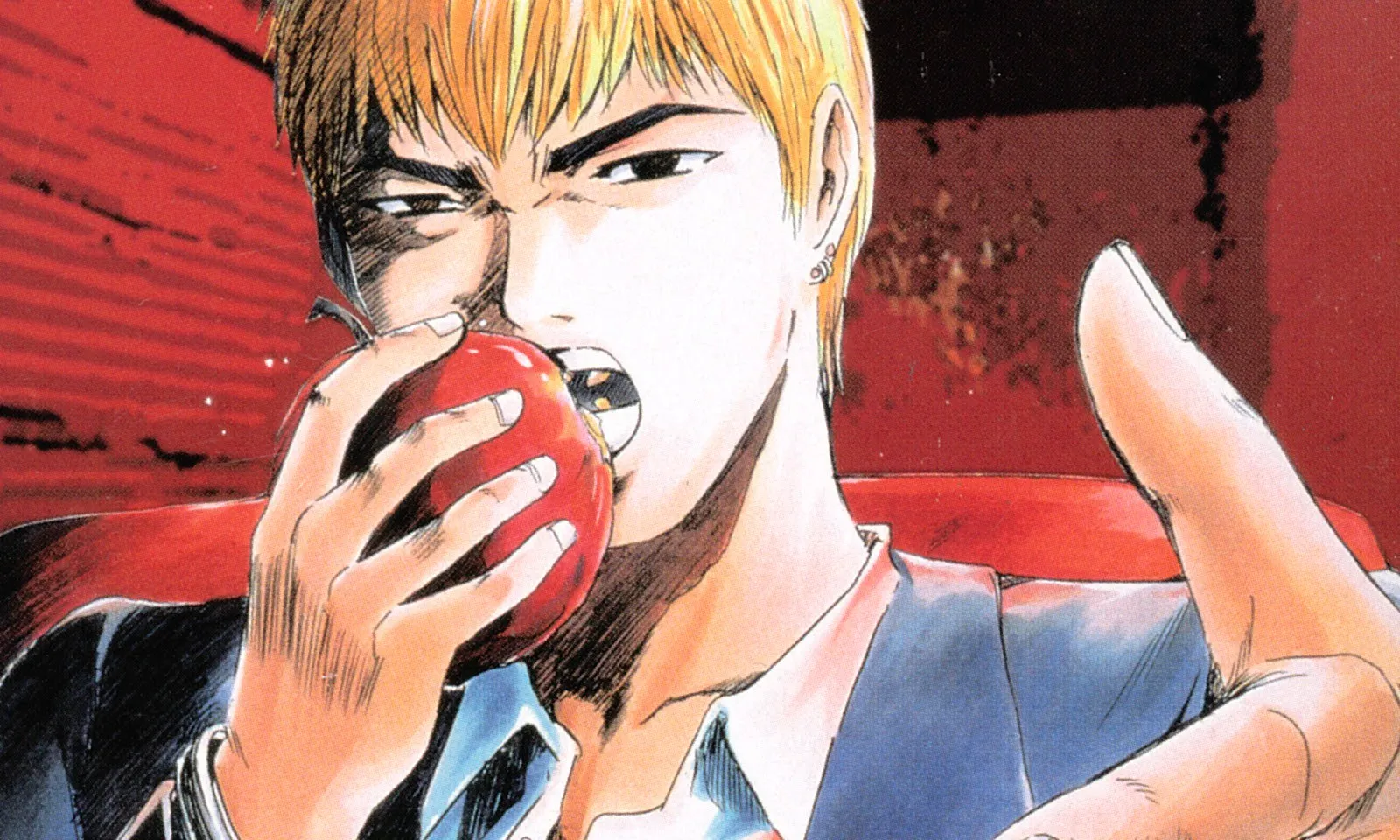
Great Teacher Onizuka
Great Teacher Onizuka follows the journey of Eikichi Onizuka, a former delinquent and Yakuza gang member who undergoes a transformative journey to become an educator. Initially motivated by self-interest and a desire to be closer to young women, Onizuka’s perspective shifts as he witnesses the challenges faced by today’s youth and the failings of the education system.
As Onizuka immerses himself in his role as a teacher, he takes on the responsibility of addressing his students’ social and emotional problems head-on.
A significant portion of these issues revolves around bullying, a theme that the anime handles with sensitivity and depth. Rather than simply vilifying the bullies, Great Teacher Onizuka recognizes them as victims of their own circumstances, often stemming from poor parenting or broader social issues.
Onizuka’s approach to tackling bullying is multifaceted; he not only provides support and protection to the bullied students but also endeavors to understand and address the root causes of the behavior.
Through his unconventional methods and unwavering dedication, Onizuka offers his students the confidence and guidance they need to navigate their challenges and overcome adversity.
Great Teacher Onizuka offers a fascinating exploration of the human condition, presenting a nuanced portrayal of societal issues through the eyes of a former gangster turned mentor. It serves as a testament to the transformative power of empathy, understanding, and the belief in the potential for redemption and growth in every individual.
Great Teacher Onizuka (GTO) is a highly acclaimed manga and anime series created by Tooru Fujisawa. Originally serialized from 1996 to 2002, “Great Teacher Onizuka” quickly became a beloved classic known for its unique blend of comedy, drama, and social commentary.
The story revolves around Eikichi Onizuka, a former biker gang member with a rough exterior but a heart of gold. Onizuka decides to become a teacher to pursue his dream of being surrounded by beautiful high school girls. However, he soon realizes that teaching is not as easy as he thought, especially when he’s assigned to Class 3-4, a notorious group of troublemakers and delinquents at Holy Forest Academy.
Onizuka’s unorthodox teaching methods and street-smart attitude help him connect with his students in ways that other teachers cannot. He takes on various challenges and tackles issues ranging from bullying and academic pressure to family problems and teenage rebellion. Through his interactions with his students and colleagues, Onizuka learns valuable life lessons and discovers the true meaning of being a teacher.
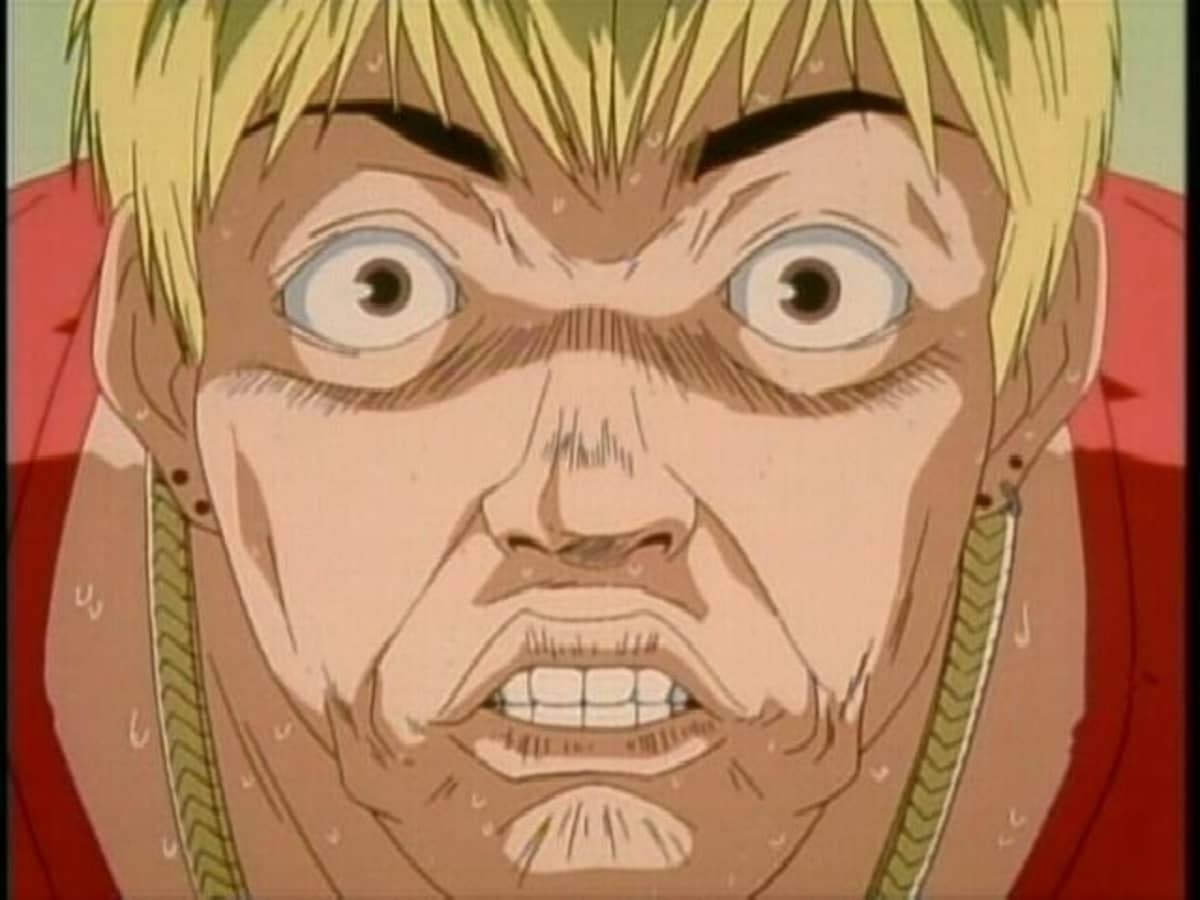
Great Teacher Onizuka
“Great Teacher Onizuka” explores themes of redemption, youth rebellion, and the importance of empathy and understanding. The series sheds light on the struggles of teenagers facing societal pressures and personal crises. Onizuka’s unconventional approach to teaching emphasizes the significance of genuine connections and the impact of positive role models on young minds.
One of the highlights of “Great Teacher Onizuka” is its colorful cast of characters, each with their own distinct personalities and backstories. Onizuka himself undergoes significant growth as he learns from his students and confronts his own past. The students of Classes 3-4 also experience meaningful character development, transforming from troubled individuals into empowered young adults under Onizuka’s guidance.
The series strikes a perfect balance between comedy and drama. Onizuka’s comedic antics and exaggerated expressions provide plenty of laughs, while the heartfelt moments and emotional revelations add depth to the narrative. The juxtaposition of humor and poignant storytelling makes “Great Teacher Onizuka” a compelling and engaging series.
Tooru Fujisawa’s artwork captures the dynamic energy of the characters and their emotional range. The manga’s illustrations effectively convey the comedic and dramatic elements of the story. The anime adaptation, produced by Studio Pierrot, features expressive animation that brings the characters to life and enhances the appeal of the series.
“Great Teacher Onizuka” has received widespread acclaim for its entertaining storytelling, relatable characters, and insightful social commentary. The series has spawned multiple adaptations, including live-action dramas and a 43-episode anime series that faithfully adapts the manga’s storyline.
It remains a beloved classic in manga and anime, celebrated for its enduring themes and memorable characters. Great Teacher Onizuka is a must-read (or must-watch) for fans of comedy-drama series with heartwarming themes and memorable characters.
Whether you’re interested in the challenges of teaching or the struggles of adolescence, this series offers a compelling and entertaining exploration of human relationships and personal growth. With its unique blend of humor, drama, and social commentary, “Great Teacher Onizuka” continues to grab audiences and leave a lasting impact on its viewers.
7. A Silent Voice
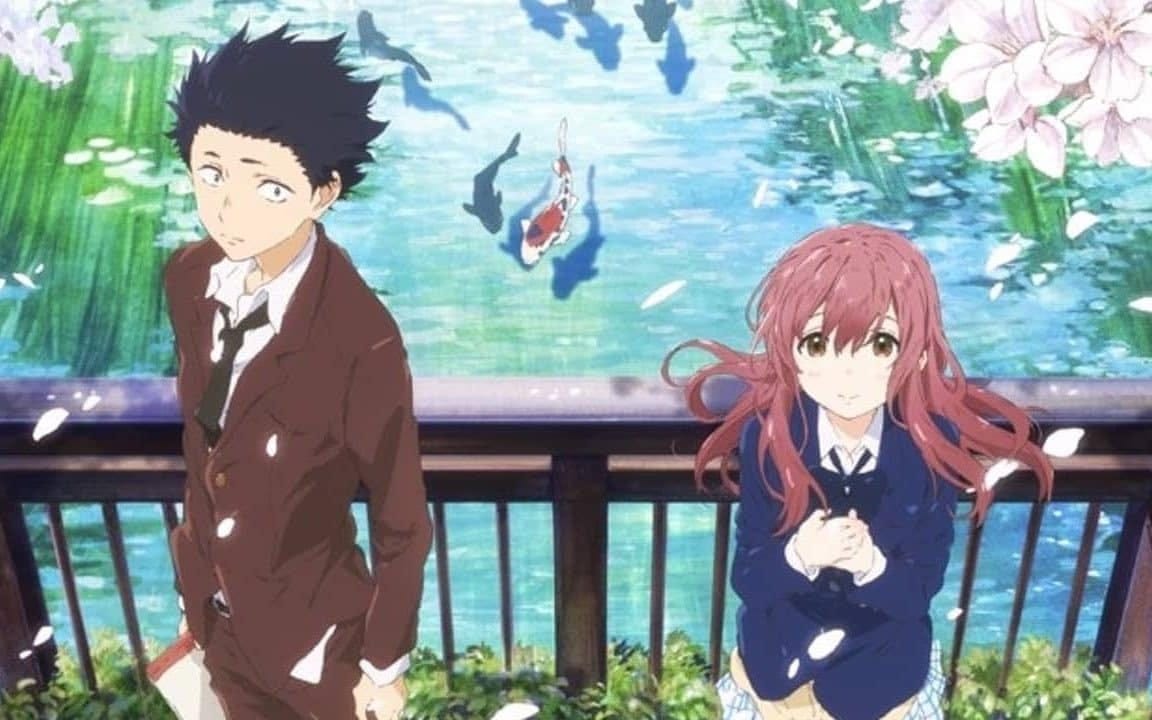
A Silent Voice
A Silent Voice, or Koe no Katachi, looks into the complexities of bullying through the story of Shouya Ishida, who bullies his deaf classmate, Shouko Nishimiya. The repercussions of Ishida’s actions linger long after he ceases his bullying behavior, impacting both himself and those involved.
One of the standout aspects of A Silent Voice is its exploration of the impact of bullying on the perpetrator. Despite eventually ceasing his bullying, Ishida grapples with profound guilt and self-loathing as a teenager and young man, haunted by the memories of his childhood transgressions against Nishimiya. The film sensitively portrays Ishida’s internal struggles, offering a poignant examination of the psychological toll that bullying can take on the bully themselves.
Moreover, A Silent Voice adeptly navigates the broader consequences of bullying on all parties involved, shedding light on the lasting emotional scars it can leave on victims, perpetrators, and bystanders alike. Through its nuanced portrayal of the characters’ experiences and emotions, the film encourages viewers to reflect on themes of forgiveness, redemption, and the complexities of human relationships.
A Silent Voice is laudable for its thought-provoking exploration of bullying and its aftermath, highlighting the importance of empathy, understanding, and personal growth in overcoming past mistakes and forging meaningful connections with others.
“A Silent Voice” (Japanese: “Koe no Katachi”) is a profoundly moving manga series and anime film directed by Naoko Yamada, based on the manga written and illustrated by Yoshitoki Oima. Released as a film in 2016, “A Silent Voice” explores themes of redemption, forgiveness, and the impact of bullying on both the victim and the perpetrator.
The story begins with Shoya Ishida, a young elementary school boy who bullies Shoko Nishimiya, a new deaf transfer student. Shoko’s disability makes her an easy target for ridicule and harassment, and Shoya leads the charge against her. However, as the bullying intensifies and Shoko’s mental and emotional health deteriorates, Shoya’s classmates turn against him, and he becomes ostracized.
Years later, burdened with guilt and struggling with social anxiety and depression, Shoya seeks redemption by reconnecting with Shoko. He learns sign language and seeks to make amends for his past actions, hoping to find forgiveness and a path toward self-acceptance.

A Silent Voice
The central themes of “A Silent Voice” revolve around the consequences of bullying and the journey toward redemption and reconciliation. The story highlights the importance of empathy, understanding, and second chances. It also touches on the struggles of living with disabilities and the challenges of navigating interpersonal relationships.
The characters in “A Silent Voice” are intricately crafted and undergo significant growth throughout the narrative. Shoya’s transformation from a remorseful bully to a compassionate individual seeking forgiveness is portrayed with depth and authenticity. Shoko’s resilience in the face of adversity, as well as her capacity for forgiveness, serves as a powerful testament to the strength of the human spirit.
Supporting characters, such as Shoya’s friends and former classmates, also experience their own journeys of self-discovery and redemption. The manga and film beautifully depict the complexities of human emotions and relationships, highlighting the profound impact of our actions on others.
Yoshitoki Oima’s artwork in the manga is evocative and expressive, capturing the characters’ emotions and inner turmoil with striking visual detail. Naoko Yamada’s direction in the film adaptation complements the source material, utilizing subtle animation techniques and visual symbolism to enhance the storytelling.
The film’s animation, produced by Kyoto Animation, is stunning and immersive, conveying the characters’ emotional struggles and growth through nuanced visuals and cinematography. The use of color and sound plays a crucial role in conveying the characters’ perspectives and emotional states.
“A Silent Voice” has received widespread critical acclaim for its powerful storytelling, nuanced characters, and sensitive handling of sensitive subject matter. It has resonated with audiences worldwide, sparking important conversations about bullying, mental health, and the importance of empathy and understanding.
The film’s success has cemented its status as a modern masterpiece in the anime community, earning numerous awards and accolades for its poignant narrative and artistic merit. “A Silent Voice” continues to be celebrated for its profound themes and emotional resonance.
“A Silent Voice” is a must-experience work of fiction that offers a deeply moving exploration of redemption, forgiveness, and the human capacity for growth and empathy. Whether you’re drawn to character-driven narratives or stories that tackle important social issues;
this series delivers a poignant and unforgettable experience. With its compelling characters, breathtaking artistry, and heartfelt storytelling, “A Silent Voice” stands as a testament to the transformative power of compassion and the possibility of healing wounds from the past.
6. Hell Girl

Hell Girl
Hell Girl provides a chilling portrayal of bullying and the dark consequences that can arise from it. The anime effectively captures the intense emotions and grudges that can build up when someone is subjected to bullying, ultimately culminating in a disturbing exploration of vengeance.
Unlike many other narratives, Hell Girl does not offer direct positive resolutions or counterbalances to bullying. Instead, it portrays a grim reality where victims may resort to vengeful behavior as a means of seeking justice and closure. While this approach may be unsettling, it reflects the harsh reality of the psychological toll that bullying can take on individuals.
Despite its bleak portrayal, Hell Girl still conveys a strong anti-bullying message. By highlighting the extreme lengths to which victims may go to confront their tormentors, the anime serves as a cautionary tale about the profound impact of bullying and the importance of addressing it proactively.
Furthermore, the depiction of supernatural intervention in the form of the Hell Correspondence system underscores the desperation and helplessness felt by victims of bullying. It suggests that if given the opportunity, some bullied individuals may indeed seek revenge against their tormentors.
In this way, Hell Girl offers a thought-provoking commentary on the complexities of bullying and its far-reaching consequences. While it may not provide a straightforward solution, its portrayal serves as a stark reminder of the need for empathy, understanding, and proactive measures to combat bullying in all its forms.
Hell Girl (Japanese: “Jigoku Shoujo”) is a psychological horror anime series that explores dark themes of revenge, morality, and the consequences of one’s actions. Created by Takahiro Ōmori, the series originally aired in Japan from 2005 to 2006, with subsequent seasons and spin-offs released later.
The series centers around the mysterious “Hell Correspondence” website, rumored to only appear at midnight. The site allows individuals who seek vengeance against someone tormenting them to submit a request. In return, the person’s tormentor is sent to Hell, but at the cost of the requester’s own soul, condemned to join them in Hell upon death.
The protagonist of “Hell Girl” is Ai Enma, also known as Hell Girl, who serves as the intermediary between the living and the underworld. When a request for revenge is submitted, Ai appears to the requester and offers them a straw doll with a red string tied around its neck. If the string is pulled, the target of revenge is immediately sent to Hell.
The series follows a largely episodic format, with each episode focusing on a new client seeking revenge and the moral dilemmas that arise from their decision. Overarching themes of justice, redemption, and the nature of revenge are explored throughout the series.
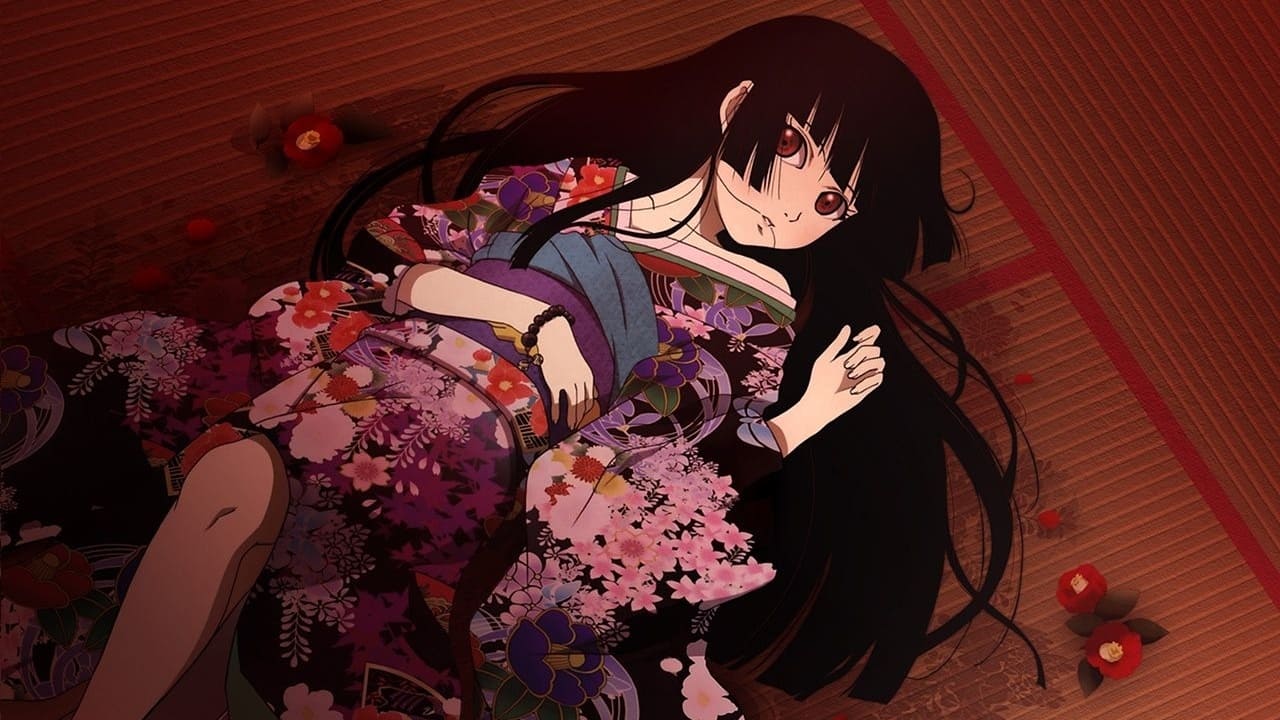
Hell Girl
“Hell Girl” goes into complex themes surrounding revenge and its repercussions. Each episode presents a different scenario in which characters grapple with their desire for vengeance and the moral implications of condemning another person to eternal damnation. The series raises questions about the nature of justice and whether seeking revenge ultimately brings closure or perpetuates suffering.
Ai Enma, the titular Hell Girl, is portrayed as a tragic figure burdened with her role as a ferrywoman to Hell. Her backstory and motivations gradually unfold over the course of the series, revealing the emotional toll of her duties. Other recurring characters include Ai’s companions from the underworld and individuals connected to the clients seeking revenge, each adding depth to the overarching narrative.
The art style of “Hell Girl” contributes significantly to its eerie and unsettling atmosphere. Dark, moody visuals and haunting imagery enhance the series’ themes of despair and retribution. The animation effectively conveys the psychological tension and emotional turmoil experienced by the characters caught in the cycle of revenge.
“Hell Girl” has garnered a dedicated fan base and received praise for its unique premise and thought-provoking storytelling. The series is lauded for its exploration of psychological themes and its ability to evoke a sense of unease and introspection. Despite its episodic format, “Hell Girl” maintains a cohesive narrative that gradually unfolds Ai’s backstory and the complexities of the Hell Correspondence system.
“Hell Girl” is a nice anime series that goes into the darker aspects of human nature and morality. With its haunting atmosphere, intriguing premise, and exploration of profound themes, the series offers a compelling viewing experience for fans of psychological horror and supernatural drama.
Whether you’re drawn to stories of revenge and redemption or interested in thought-provoking narratives, “Hell Girl” provides a chilling and thought-provoking journey into the depths of the human psyche. However, be prepared for its intense and sometimes unsettling exploration of revenge and its consequences.
5. Flowers of Evil

Flowers of Evil
Flowers of Evil presents a unique and unconventional narrative complemented by its distinctive art style, which effectively contributes to the atmosphere and themes of the story. While the art may seem bizarre to some viewers, it aligns seamlessly with the dark and unsettling tone of the anime.
The series explores a different form of bullying, primarily psychological and manipulative in nature, as the male protagonist, Takao Kasuga, finds himself caught stealing the school heartthrob’s underwear by Sawa Nakamura. Seizing upon this opportunity, Sawa blackmails Takao into becoming her slave as a means of avoiding bullying from their peers.
However, the dynamic between Takao and Sawa quickly evolves into something more complex, revealing Sawa’s twisted nature and the impact of perceived power on her behavior. As Sawa exerts control over Takao’s life, manipulating and exploiting him for her own ends, the anime looks into themes of manipulation, obsession, and the consequences of unchecked power dynamics.
In addition to exploring the psychological effects of bullying, Flowers of Evil also examines the complexities of relationships and the dark undercurrents that can exist beneath the surface of seemingly ordinary interactions. Through its fascinating narrative and unconventional art style, the anime offers a thought-provoking exploration of human behavior and the consequences of power imbalance.
“Flowers of Evil” (Japanese: “Aku no Hana”) is a thought-provoking and psychologically intense manga series written and illustrated by Shuzo Oshimi. It was serialized from 2009 to 2014 and later adapted into an anime in 2013. This series is known for its dark and unconventional storytelling, exploring themes of adolescence, obsession, and societal pressures.
The story follows Kasuga Takao, a shy and introverted middle school student who is deeply infatuated with his classmate, Nanako Saeki. One day, Kasuga finds himself alone in the classroom with Saeki’s gym uniform. Driven by impulse and obsession, he steals the uniform, setting off a chain of events that will profoundly affect his life.
Kasuga’s actions are witnessed by Sawa Nakamura, a rebellious and cynical girl who begins to blackmail him. Nakamura coerces Kasuga into forming a secretive and tumultuous relationship, pushing him to confront his inner desires and societal expectations.
As the story unfolds, Kasuga grapples with guilt, shame, and the complexities of his feelings for Saeki and Nakamura. The narrative goes deep into the darker aspects of adolescence, exploring the blurred boundaries between innocence and corruption.
Flowers of Evil
“Flowers of Evil” is a character-driven series that explores themes of alienation, identity, and the search for authenticity. Kasuga’s internal struggle reflects the societal pressures and expectations placed upon young individuals, highlighting the tumultuous journey of self-discovery and coming-of-age.
The series also examines the destructive nature of obsession and the consequences of succumbing to one’s impulses. Through its characters’ actions and motivations, “Flowers of Evil” invites introspection into human nature and the complexities of desire.
The characters in “Flowers of Evil” undergo profound transformations as they navigate their turbulent emotions and confront their personal demons. Kasuga’s descent into obsession and self-loathing is portrayed with raw emotion, while Nakamura’s rebellious spirit and unconventional outlook challenge societal norms.
Saeki, the object of Kasuga’s affection, also experiences internal conflicts and growth as she grapples with her own desires and perceptions of reality. The dynamic relationships between the characters drive the narrative forward, revealing hidden truths and vulnerabilities.
Shuzo Oshimi’s artwork in “Flowers of Evil” contributes significantly to its unsettling and atmospheric tone. The character designs are intentionally unconventional, reflecting the characters’ inner turmoil and psychological states. The use of detailed backgrounds and expressive facial expressions enhances the emotional impact of the story, creating a sense of intimacy and unease.
“Flowers of Evil” has garnered critical acclaim for its unique storytelling and psychological depth. The series has been praised for its bold exploration of taboo subjects and its unflinching portrayal of adolescence. While divisive among audiences due to its unconventional approach, “Flowers of Evil” has left a lasting impression on readers and viewers alike for its provocative themes and memorable characters.
“Flowers of Evil” is a compelling and introspective series that challenges conventional storytelling norms and explores the complexities of human emotions.
Whether you’re intrigued by psychological drama or interested in narratives that push the boundaries of storytelling, “Flowers of Evil” offers a thought-provoking journey into the darker aspects of adolescence and desire. However, be prepared for its unapologetic exploration of taboo themes and its challenging portrayal of human nature.
4. Hajime No Ippo
Hajime No Ippo (Credits: OtakuKart)
In Hajime No Ippo, the main character, Makunouchi Ippo, undergoes a transformative journey from being a victim of bullying to becoming an elite boxer and champion. Before discovering boxing, Ippo endured physical, verbal, and emotional abuse at the hands of his tormentors.
Remarkably, despite experiencing such hardship, Ippo never harbors resentment or seeks revenge against his bullies. Instead, he rises above the cycle of hatred and demonstrates remarkable emotional maturity by refusing to let his past define him. As he pursues his passion for boxing, Ippo not only finds strength within himself but also extends compassion and understanding to those who once tormented him.
Through his journey, Ippo sets a powerful example of forgiveness and personal growth, inspiring both bullies and those who have been bullied to strive for greater emotional maturity and resilience. His ability to overcome adversity and forge genuine connections with his former tormentors, who eventually become his friends within the boxing community, highlights the transformative power of empathy and understanding.
In essence, Hajime No Ippo offers a compelling portrayal of the human capacity for growth and redemption, emphasizing the importance of forgiveness and empathy in overcoming the scars of the past. Ippo’s journey serves as a testament to the resilience of the human spirit and the transformative potential of choosing compassion over resentment.
Hajime no Ippo is a popular and long-running Japanese manga and anime series created by George Morikawa. It has been serialized since 1989 and has amassed a dedicated fan base worldwide. The series is known for its compelling characters, intense boxing matches, and heartfelt storytelling.
The story revolves around the life of Ippo Makunouchi, a shy and timid high school student who is frequently bullied by his peers. One day, Ippo is saved from bullies by Mamoru Takamura, a skilled boxer. Inspired by Takamura’s strength and determination, Ippo begins training at Kamogawa Boxing Gym.
Under the guidance of Coach Genji Kamogawa and with the support of his friends, Ippo gets on a journey to become a professional boxer. Throughout the series, Ippo faces numerous challenges in and out of the ring, including formidable opponents, intense training regimens, and personal growth.
As Ippo climbs the ranks of the boxing world, he forms rivalries and friendships with other boxers, each with their own dreams and motivations. The series explores themes of perseverance, friendship, and the pursuit of one’s passion.
Hajime No Ippo
Hajime no Ippo explores the themes of determination, self-discovery, and the pursuit of excellence. The series emphasizes the importance of hard work and dedication in achieving one’s goals, as Ippo overcomes physical and emotional obstacles on his path to becoming a champion boxer.
Additionally, the series goes into the dynamics of mentorship and camaraderie, highlighting the impact of supportive relationships on personal growth and success. The bond between Ippo and his fellow boxers at Kamogawa Gym forms the emotional core of the series, showcasing the power of teamwork and mutual respect.
One of the strengths of “Hajime no Ippo” lies in its well-developed characters. Ippo evolves from a timid young man with low self-esteem into a formidable boxer with unwavering determination. Throughout the series, Ippo’s growth is accompanied by the growth of his friends and rivals, who each undergo their own transformative journeys.
The series introduces a diverse cast of characters, each with distinct personalities and motivations. From rivals like Miyata Ichirou and Sendo Takeshi to mentors like Coach Kamogawa and Takamura, every character contributes to the boxing world portrayed in the series.
George Morikawa’s artwork in the manga is dynamic and expressive, capturing the intensity and emotion of boxing matches. The detailed illustrations effectively convey the impact of punches and the physical exertion of the characters. The anime adaptation, produced by Madhouse, features fluid animation during fight scenes and faithfully adapts the manga’s art style.
“Hajime no Ippo” has received widespread acclaim from both fans and critics for its compelling narrative and exciting boxing action. The series has inspired a dedicated fan base and has been credited with popularizing the sports genre in manga and anime. It has also contributed to renewed interest in boxing among audiences worldwide.
“Hajime no Ippo” is a nice sports manga and anime series that excels in storytelling, character development, and adrenaline-pumping action. Whether you’re a fan of sports anime or simply enjoy narratives about perseverance and growth;
“Hajime no Ippo” offers a compelling and emotionally resonant journey through the world of boxing. With its memorable characters, intense boxing matches, and themes of determination and friendship, this series continues to leave a lasting impact on its audience and remains a timeless classic in the genre.
3. My Clueless First Friend

My Clueless First Friend (Credits: OtakuKart)
Spring 2023 introduces a standout anime tackling the sensitive issue of bullying with unexpected wholesomeness: My Clueless First Friend. Despite its grounded depiction of bullying, the series manages to weave a heartwarming narrative centered around the unlikely friendship between Akane and Taiyou.
At Akane’s elementary school, she is unfairly labeled the Grim Reaper, enduring constant teasing and isolation from her peers. However, the arrival of Taiyou, a relentlessly optimistic and imaginative boy, marks a turning point in Akane’s life. Taiyou’s directness and positivity draw him to Akane, and they quickly form a genuine connection built on mutual respect.
Through the evolving friendship between Akane and Taiyou, My Clueless First Friend offers a poignant exploration of the transformative impact of genuine connection and understanding. Despite the dark subject matter, the series ultimately delivers a message of hope and resilience, reminding viewers of the importance of standing up for what is right and supporting those in need.
“My Clueless First Friend” (Japanese: “Boku no Kawaii Hito Dakara”) is a charming and heartwarming romantic comedy manga series written and illustrated by Megumi Morino. The manga was serialized in Japan from 2016 to 2018 and comprises a total of 4 volumes.
The story follows the life of Rio Komiya, a high school student who is often mistaken for a delinquent due to his intimidating appearance. Despite his tough exterior, Rio is actually quite shy and reserved. One day, he encounters a cheerful and outgoing girl named Mao Katori, who sees past his appearance and befriends him.
Mao, nicknamed “Mao-chin,” takes an instant liking to Rio and is determined to become his friend. She invites Rio to join her in various activities and social gatherings, gradually drawing him out of his shell. As their friendship deepens, Rio begins to develop feelings for Mao, but he struggles to express his emotions due to his lack of experience with relationships.
The series explores the evolving relationship between Rio and Mao, highlighting the joys and challenges of first love and the importance of genuine connections.
My Clueless First Friend
“My Clueless First Friend” is primarily a slice-of-life romantic comedy that explores themes of friendship, self-discovery, and young love. The manga emphasizes the impact of meaningful relationships on personal growth and emotional development. Rio’s journey from a reserved loner to someone who learns to open up and connect with others is a central theme of the series.
The manga also touches on themes of self-acceptance and overcoming societal stereotypes, as Rio confronts misconceptions about his appearance and learns to embrace his true self.
The characters in “My Clueless First Friend” are endearing and relatable, each with their own quirks and insecurities. Rio is portrayed as a gentle and kind-hearted protagonist who struggles with social interactions but gradually learns to navigate the complexities of relationships with Mao’s help.
Mao is depicted as an energetic and optimistic girl who brings warmth and positivity into Rio’s life. Her outgoing personality serves as a catalyst for Rio’s personal growth and emotional maturation throughout the series.
Megumi Morino’s artwork in “My Clueless First Friend” is charming and expressive, capturing the characters’ emotions and interactions with a soft and whimsical aesthetic. The character designs are distinctive, with Rio’s imposing appearance contrasting beautifully with Mao’s lively demeanor. The art style complements the romantic and comedic elements of the story, creating a visually engaging reading experience.
“My Clueless First Friend” has been well-received by readers for its heartwarming storyline, likable characters, and relatable themes. The manga’s focus on character development and interpersonal relationships resonates with audiences who appreciate romantic comedies with depth and emotional sincerity.
While “My Clueless First Friend” may not be as widely known as some other romance manga series, it has garnered a dedicated following and is praised for its uplifting and feel-good atmosphere.
“My Clueless First Friend” is a delightful romantic comedy manga that celebrates the transformative power of friendship and young love. With its endearing characters, charming artwork, and relatable themes, the series offers a refreshing and uplifting reading experience for fans of slice-of-life and romance genres.
Whether you’re looking for a heartwarming story about first love or a feel-good manga with memorable characters, “My Clueless First Friend” is sure to leave a lasting impression and bring a smile to your face.
2. Peach Girl
Peach Girl (Credits: OtakuKart)
Peach Girl looks into a different facet of bullying, one rooted in the insecurities of the perpetrator. The protagonist, Momo Adachi, finds herself caught in the crosshairs of bullying fueled by societal beauty standards and the toxic dynamics of high school friendships.
Momo’s predicament arises from her crush’s preference for pale-skinned girls, leading her to undergo a drastic transformation to conform to these standards. However, her efforts to reinvent herself only serve to exacerbate the bullying she faces, as her supposed friends betray her trust and spread rumors about her promiscuity.
The anime skillfully navigates the complexities of teenage romance and the challenges of navigating unfair beauty standards and toxic peer relationships. Through Momo’s experiences, Peach Girl sheds light on the damaging effects of bullying driven by insecurity and the pervasive influence of societal norms on individual self-esteem and identity.
Ultimately, Peach Girl serves as a poignant reminder of the importance of self-acceptance and resilience in the face of adversity. It encourages viewers to challenge harmful beauty standards and toxic social dynamics while emphasizing the power of genuine friendship and self-confidence in overcoming bullying.
“Peach Girl” is a compelling and dramatic shoujo manga series written and illustrated by Miwa Ueda. Originally serialized from 1997 to 2003, “Peach Girl” quickly gained popularity for its engaging storyline, complex characters, and exploration of teenage relationships and social pressures.
The story follows Momo Adachi, a high school girl with a tanned complexion and bleached hair due to constant swimming, which leads to misunderstandings about her lifestyle and personality. Momo’s best friend, Sae Kashiwagi, is jealous of Momo’s popularity and sets out to sabotage her relationships.
Despite her good intentions, Momo’s relationships with two boys become tangled in a web of lies and misunderstandings. She has feelings for Toji, her crush and a popular athlete, but Sae manipulates Toji into thinking Momo is promiscuous. Meanwhile, Momo develops a complicated relationship with Kairi Okayasu, who genuinely cares for her but has his own secrets.

Peach Girl
As the series progresses, Momo navigates the challenges of love, friendship, and self-esteem while dealing with Sae’s schemes and societal judgments based on appearances.
“Peach Girl” explores themes of friendship, betrayal, identity, and self-acceptance. The series goes into the complexities of teenage relationships and the impact of rumors and misconceptions on personal growth and emotional well-being. Momo’s journey highlights the importance of inner strength and resilience in the face of adversity.
The manga also addresses societal beauty standards and the pressures placed on young women to conform to certain ideals, as Momo faces prejudice and judgment due to her appearance.
One of the strengths of “Peach Girl” lies in its well-developed characters, each with their own flaws, insecurities, and motivations. Momo undergoes significant growth throughout the series as she learns to trust herself and confront her feelings honestly. Her friendships with Sae, Kairi, and other characters evolve over time, revealing layers of complexity and emotional depth.
Sae, in particular, is portrayed as a multifaceted antagonist whose jealousy and insecurity drive her manipulative behavior. Her character arc explores the consequences of seeking validation through deceit and betrayal.
Miwa Ueda’s artwork in “Peach Girl” is expressive and detailed, capturing the characters’ emotions and interactions with dynamic visuals. The character designs are distinctive, with Momo’s unique appearance reflecting her rebellious personality. The art style complements the dramatic tone of the series, enhancing the emotional impact of key moments and character dynamics.
“Peach Girl” has been well-received by readers for its engaging storytelling, relatable characters, and romantic drama. The series has inspired multiple adaptations, including an anime series, live-action TV dramas, and a sequel manga (“Peach Girl Next”), which continues Momo’s story in adulthood.
The manga’s exploration of themes related to adolescence and identity continues to resonate with audiences, making it a beloved classic in the shoujo genre. “Peach Girl” is a nice and emotionally charged manga series that explores the complexities of teenage relationships and self-discovery.
With its compelling storyline, well-developed characters, and expressive artwork, the series offers a compelling narrative that goes into themes of friendship, betrayal, and the pursuit of authenticity. Whether you’re a fan of romance, drama, or coming-of-age stories, “Peach Girl” is a must-read for its timeless exploration of the trials and triumphs of adolescence.
1. Bottom-Tier Character Tomozaki
Bottom-Tier Character Tomozaki
Bottom-Tier Character Tomozaki made its debut in 2021, introducing viewers to the introverted gamer Tomozaki and his unconventional mentor, Aoi, who sees life as a game to be mastered. The first season of the show offers a fun blend of slice-of-life and drama, focusing on the dynamic between these two intriguing yet somewhat flawed characters as Tomozaki undergoes personal growth with Aoi’s guidance.
In Season 2, the series takes a more serious turn as it dedicates several episodes to a bullying case unfolding in Tomozaki and Aoi’s class. Erika, feeling resentful after her crush starts dating someone else, directs her frustration towards Hanabi, an outspoken girl who struggles to connect with her peers.
As Hanabi’s aggressive reactions only worsen the situation, Tomozaki steps in to mentor her, helping her adjust her behavior in hopes of garnering support from their classmates.
Bottom-tier character Tomozaki handles this sensitive subject with commendable sensitivity, using the bullying arc to flesh out previously one-dimensional characters and look into their complexities. Hanabi emerges as a more likable and relatable figure, while Tomozaki continues to evolve, incorporating Aoi’s teachings into his own optimistic outlook on life.

A Still from Bottom-Tier Character Tomozaki Anime
Though the storyline may feel repetitive at times, it ultimately builds towards a satisfying conclusion, highlighting the importance of empathy, understanding, and personal growth in overcoming adversity.
Through its exploration of bullying and its aftermath, Bottom-Tier Character Tomozaki offers valuable insights into the human experience, emphasizing the transformative power of compassion and resilience.
“Bottom-Tier Character Tomozaki” (Japanese title: “Jaku-Chara Tomozaki-kun”) is a nice light novel series authored by Yūki Yaku, with illustrations by Fly. It has also been adapted into manga and anime formats.
This series has gained significant popularity for its unique take on the slice-of-life and coming-of-age genres, particularly focusing on personal growth, social dynamics, and the world of competitive gaming.

Bottom-Tier Character Tomozaki
The story follows the life of Fumiya Tomozaki, a high school student who is considered a “bottom-tier” character in real life. He struggles with social interactions and views life through the lens of the popular competitive video game “Attack Families.”
In this game, Tomozaki is one of the top-ranked players under the alias “Nanashi.” However, he finds it challenging to apply his gaming success to his real-life interactions.
Tomozaki’s life takes a turn when he meets Aoi Hinami, the most popular girl in school. Hinami is not only beautiful but also excels in academics, sports, and social interactions effortlessly.
She offers Tomozaki lessons on how to “conquer the game of life” and improve his social skills. As Tomozaki begins to learn from Hinami, he gradually navigates the complexities of human relationships and self-discovery.

Bottom-Tier Character Tomozaki Vacation Episode Still
One of the standout aspects of “Bottom-Tier Character Tomozaki” is its exploration of personal growth and identity. Tomozaki’s journey from a socially awkward teenager to someone who understands and values interpersonal connections is compelling. The series goes into themes of self-improvement, friendship, and the importance of authenticity in relationships.
The characters in the series are well-developed and relatable. Tomozaki’s struggles resonate with many readers who might have experienced similar challenges in social settings. Hinami, despite her perfect exterior, also harbors her own insecurities and struggles. Their interactions and evolving relationships form the heart of the narrative.
Fly’s illustrations in the light novel and manga adaptations complement the story excellently, bringing the characters and their emotions to life. The anime adaptation further enhances the visual appeal of the series, with vibrant animation and voice acting that capture the nuances of each character.

Bottom-Tier Character Tomozaki Anime
“Bottom-Tier Character Tomozaki” has garnered positive reviews for its realistic portrayal of social issues faced by teenagers. Many readers praise its engaging storytelling and the depth of its characters. The series has resonated with a broad audience, from gamers to those interested in character-driven narratives.
If you enjoy stories that blend slice-of-life elements with gaming culture and thoughtful character development, “Bottom-Tier Character Tomozaki” is highly recommended. It offers a refreshing take on the genre, with relatable characters and themes that encourage introspection and growth.
Whether you’re a fan of light novels, manga, or anime, this series is worth exploring for its unique perspective on navigating the challenges of adolescence and self-discovery.
Memes of the Day
Yawaraka na Taion

She Wants to Get Drunk Raw
Himawari wa Yoru ni Saku

For full image search – twitter 1793552450714026282
Saigado Gang
Sauce: Sabikui Bisco |
A wise driver life
Kanojo no Okaa-san ni Doutei o Ubawareru Hanashi 2 / A Story About a Boy Getting His Vir*inity Stolen by His Friend’s Mom 2
Is It Your Mother or Sister?