Everyone knows that The Godfather: Part II is a rare sequel that matches (if not exceeds) the greatness of Francis Ford Coppola’s The Godfather. This film is praised for its storytelling, acting, and direction. It expands on the original’s themes of power, loyalty, and family.
The film continues the story of Michael Corleone, played by Al Pacino, as he struggles to maintain control over his family’s criminal empire while dealing with personal conflicts and betrayals. Critics and audiences alike consider it a masterpiece.
On the other hand, The Godfather Part III is a sequel that many fans prefer to forget. Released in 1990, it does not receive the same acclaim as the first two films. Many fans believe it lacks the quality and depth of the originals.
The film tells the story of Michael Corleone as he tries to legitimize his family’s business and secure his family’s future. However, the film is often criticized for its plot, pacing, and performances. Some fans wish they could erase it from their memories entirely.
Aside from a 2006 video game and a Paramount+ series called The Offer, which tells the story of how the original film was made, The Godfather has not had many related projects since its last major film installment.
The legacy of the series has mostly stayed within the boundaries of its three main films. However, there is an interesting yet largely overlooked connection between The Godfather and a film adaptation of Mario Puzo’s novel, The Sicilian.
Between Part II and Part III, a lesser-known quasi-sequel to The Godfather was released with little fanfare. Most people today are completely unaware of its connection to Mario Puzo’s source material.
The Sicilian, a novel published in 1984 by Puzo, takes place in the same universe as The Godfather. However, the film adaptation, directed by Michael Cimino, does little to connect this crime epic to The Godfather saga.
Mario Puzo’s The Sicilian Picks Up After Events in The Godfather
After the success of Coppola’s film adaptation of The Godfather, which was based on the 1969 bestseller about the Corleone crime family, Mario Puzo found himself at the top of the literary world. Puzo had won an Academy Award with Coppola for their screenplay, which added to his fame. Following this success, he continued to work with Coppola on the sequels to The Godfather and other projects, such as The Cotton Club.
While Puzo never wrote a direct follow-up to The Godfather as a book—since Part II’s present-day storyline is original—he returned to the mafia theme in 1984 with The Sicilian. This novel offers a fictional account of Salvatore Giuliano, a notorious bandit and smuggler who led a movement for independence in Sicily during World War II.
The story picks up after Michael Corleone (played by Al Pacino) flees to Italy after assassinating Sollozzo (Al Lettieri) and McClusky (Sterling Hayden) in the original film.
In The Sicilian, as Michael prepares to return to America, he is ordered to bring Giuliano with him. However, Giuliano, seen as a Robin Hood figure, is caught in a bloody conflict because he has betrayed local families. This premise connects the novel to the events of The Godfather, making it an intriguing yet often forgotten piece of the franchise.
Due to the enormous success of The Godfather, there was a strong desire to adapt The Sicilian into a film as soon as possible. Puzo was paid a whopping $1 million for the film rights to his book by Gladden Entertainment and producer Bruce McNall, who later outlined the production of the film in his book, Fun While It Lasted.
The director chosen for the adaptation was Michael Cimino, who was known for his Oscar-winning film The Deer Hunter. However, Cimino was still trying to recover from the disastrous production of Heaven’s Gate, which had severely damaged his reputation.
For the lead role of Salvatore Giuliano, the producers selected Christopher Lambert. Lambert’s casting was unconventional because he was of French nationality, which some believed did not fit the character’s Sicilian background.
The film focused on Giuliano’s power struggles against wealthy landowners, the church, and the mafia. He leads a populist movement with the help of his closest advisor, Aspanu Pisciotta, played by John Turturro.
However, due to rights issues, all references to The Godfather were removed from the film adaptation of The Sicilian. This decision contributed to the film’s forgettable nature, as it lacked the strong ties to the beloved original series that many fans had hoped for.
Michael Cimino’s The Sicilian Had a Troubled Production
The demons from the troubled production of Heaven’s Gate followed Cimino for years. While the problems encountered during the production of The Sicilian were not as catastrophic, the film still faced many challenges that made the filming experience difficult. It was marked by headaches and setbacks that plagued the production team.
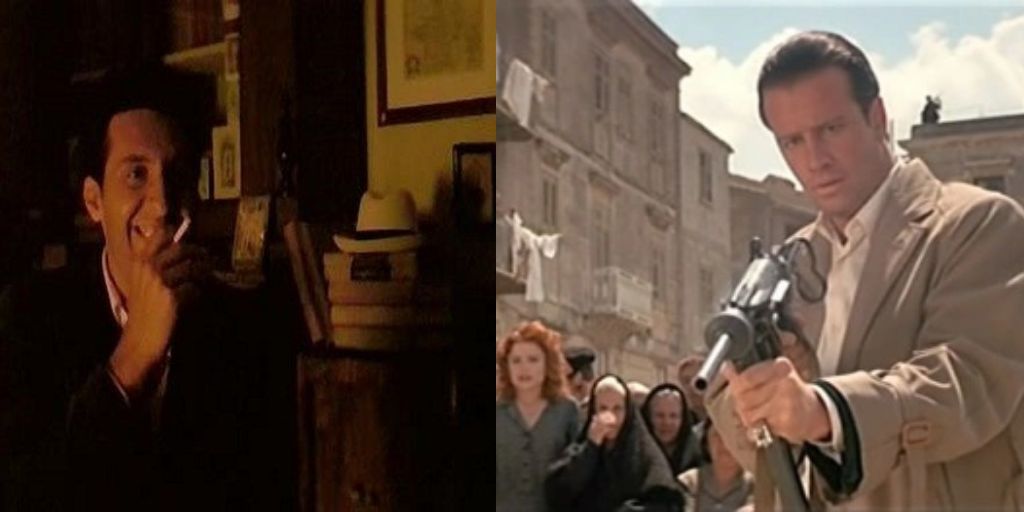
Still from The Sicilian (Credit: Prime Video)
One clear sign of trouble was that the film went over budget and fell behind schedule. The producers faced an even more serious issue when they discovered that low-level mobsters controlled some filming locations and union workers. Some of these mobsters even requested to star in the movie, which created complications and made the situation more challenging for the filmmakers.
Post-production turned into a fiasco of its own. Cimino refused to share his editing progress with the studios, 20th Century Fox and De Laurentiis Entertainment Group.
The disputes over the film’s runtime and creative direction became so contentious that Cimino, Fox, and Dino De Laurentiis ended up in court. These conflicts not only delayed the film but also added to the negative perception surrounding it.
Although the film had to sever ties with the Godfather properties, the production issues mirrored the contentious battles seen in the making of the original 1972 classic. While The Sicilian matched its predecessor in terms of conflicts between the director and the studio, it fell short in artistic quality. Unlike The Godfather, which became a timeless classic, The Sicilian quickly faded into obscurity.
The film received negative reviews and experienced lackluster box office returns. Despite having a connection to one of the most beloved films in history, The Sicilian had minimal cultural impact.
The film was ambitious but ultimately did not deliver a compelling narrative. While its period set design was impressive, the grandiosity of the film and its attempt to create an epic tale overshadowed any strong character drama.
At this time, Michael Cimino’s legacy was still haunted by Heaven’s Gate. Noted film critic Roger Ebert wrote in his scathing review that Cimino has a knack for making “an incomprehensible mess out of every other film he directs,” except for The Deer Hunter and Year of the Dragon.
The failure of The Sicilian highlighted the stark contrast between Cimino’s adaptation and Francis Ford Coppola’s remarkable adaptation of Puzo’s novel, which was entertaining yet ultimately seen as trashy.
Where The Godfather revolutionized the crime drama genre, The Sicilian resorted to tired clichés. The characters lacked the depth and complexity that made The Godfather so memorable. Despite its connections to the iconic series, The Sicilian struggled to find its footing in the cinema world.
The Legacy of The Sicilian
The absence of references to The Godfather is a significant factor in why the film is often overlooked. Fans of the original trilogy often seek content that builds on the characters and themes they already know and love. Without these connections, The Sicilian feels like an unrelated story rather than a continuation of the Godfather saga.
Moreover, the film’s troubled production history contributed to its full reputation. Many audiences may have heard of the chaotic environment surrounding the making of The Sicilian, which can influence their decision to watch the film. The negative stories associated with its production create an impression of a movie that lacks quality and coherence.
In retrospect, The Sicilian serves as an interesting case study in the film adaptations world. It demonstrates the challenges of translating a beloved literary work into a film while showing studio expectations and the desires of filmmakers. Puzo’s original novel has its merits, but the film adaptation struggled to find a unique identity while dealing with its complex production issues.
Conclusion
The Sicilian remains an intriguing footnote in the history of The Godfather. It is a connection to Mario Puzo’s work that is often overlooked by fans.
While it does not carry the same weight or recognition as the original trilogy, it provides a different perspective on the mafia world Puzo created. The film is an example of how a project can suffer from production troubles, leading to a final product that fails to resonate with audiences.
Despite its flaws, The Sicilian tells a story of ambition, betrayal, and power struggles, similar to what fans loved in The Godfather. However, the lack of direct ties to the original film series and its troubled production have kept it in the shadows.
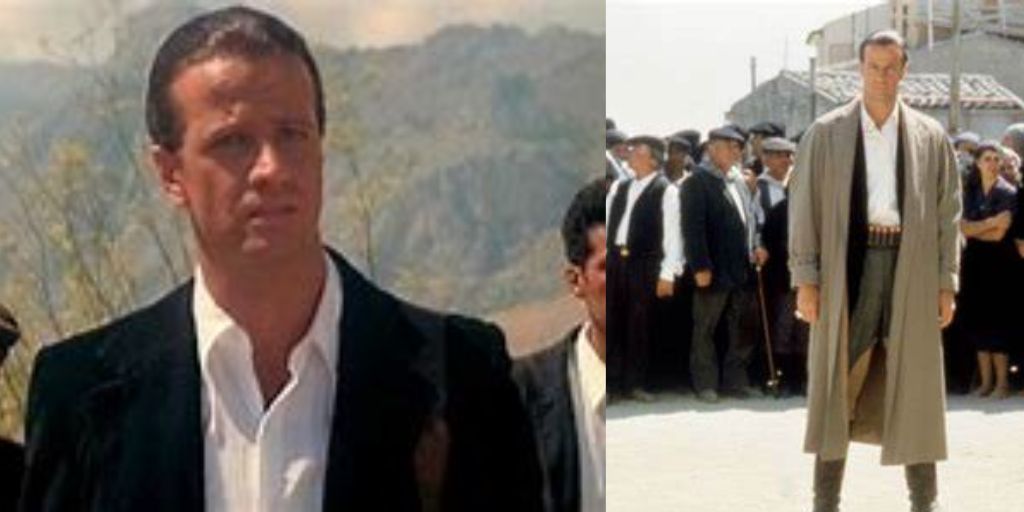
Still from The Sicilian (Credit: Prime Video)
In the end, The Sicilian is a reminder of the complexities of adapting literature to film and the challenges of creating a lasting legacy in the cinema world.
The Sicilian may not have achieved the greatness of The Godfather, but it still stands as a part of the larger narrative that includes Puzo’s influential works. As fans continue to celebrate the legacy of The Godfather, The Sicilian serves as a reminder of the broader universe that Puzo crafted and the stories that remain untold.
While the FBI team is skilled at handling offenders, especially violent ones, some are too dangerous and need help from another unit. The Behavioral Analysis Unit (BAU) has been mentioned in the show many times but has not been involved in many cases.
This will change in FBI Season 7, Episode 4, titled “Doubted.” In this episode, a BAU agent with a personal connection to the case asks for help from the team.
The episode’s logline gives a hint about the new agent, Sydney Ortiz (Lisette Olivera), and why she appears. The promo for the November 12 episode shows the victims and the team working to find them.
“When the sister of FBI Behavioral Analysis Unit (BAU) profiler Sydney Ortiz is the victim of an attempted kidnapping and sexual assault, Sydney seeks help from Isobel and the team in tracking down a meticulous serial offender who leaves no evidence behind.”
Scola’s New Partner Debuts in the Sneak Peek, But There’s Some Bad News
The promo video shows the abductions happening as the masked offender breaks into women’s houses and catches them off guard. “He’s a stalker,” Sydney tells the team based on her profile of the unknown suspect (unsub). “I’m gonna hunt that guy down,” Maggie says.
“We’re gonna make sure this never happens again,” she adds. This case will challenge the team because of Sydney’s connection to it and the sensitive nature of the crime. Her expertise will be crucial since the unsub is careful not to leave any evidence behind, and Sydney’s profile is their best chance of catching him.
Lisette Olivera plays Sydney, the new agent who joins the team and takes over the role of Scola’s partner from Tiff (Katherine Renee Kane). However, news broke that she will not stay on the show for long. It was revealed that she has left the series after filming several episodes.
Initially, she was meant to be a permanent addition, but production stated that she was miscast for the role. Due to her youth, the character could not project the authority needed for an FBI agent, leading to her departure. It remains unclear how many episodes she will appear in, but her exit is not expected to disrupt the full storyline.
What Makes the Episode Stand Out
The episode “Doubted” promises to be intense and full of suspense. It tackles heavy themes of kidnapping and sexual assault, issues that impact many people. The connection between Sydney and the case makes it personal for her, which can lead to a powerful performance by Lisette Olivera.
The way the team works together is also important. Each member has their strengths and weaknesses, and they will need to rely on each other to catch the unsub. Maggie’s determination and Sydney’s profile will be key to their success.
The introduction of Sydney Ortiz adds depth to the story. As a BAU agent, she brings new skills and insights. Her character may have personal stakes in the case, which can lead to a compelling narrative. The team’s dynamics may shift with her presence, providing new challenges and opportunities for growth.
Character Development in Focus
This episode is not just about catching a criminal; it is also about the characters’ development. Sydney’s involvement adds layers to the storyline. Her background and connection to the case allow viewers to understand her motivations better. As a profiler, she must balance her emotions and her professional duties.
The episode also focuses on Scola, who is adjusting to having a new partner. He must face this change while dealing with a complicated case. Their relationship will be essential as they work together to solve the mystery. The tension between personal feelings and professional responsibilities will play a significant role in the episode.
The Impact of the Case
The case itself raises important questions about safety and justice. Kidnapping and sexual assault are serious issues that affect many people. By tackling these topics, the show highlights the realities of crime and the importance of law enforcement. The team’s efforts to bring the offender to justice reflect their commitment to protecting the community.
The show also emphasizes the importance of support and teamwork. As they face this challenging case, the team members will need to lean on each other. Their ability to work together will be crucial in catching the unsub and ensuring justice for the victims.
Looking Forward to the Episode
Fans of the show are eager to see how the team approaches this case. The promo hints at intense moments and difficult choices. The emotional weight of the storyline promises to resonate with viewers, making it a standout episode in the season.
Viewers can catch “Doubted” on CBS on Tuesday, November 12. This episode is expected to be a turning point for the series as it introduces a new character and shows important themes. The New York Fields Office team will tackle one of their most challenging cases, showcasing their skills and dedication.
Before the episode airs, fans can catch up on previous episodes on Paramount+. This is a great way to refresh their memories and get ready for the upcoming challenges the team will face.
Conclusion: A New Chapter Begins
The arrival of Sydney Ortiz marks a new chapter for the team. Her presence brings fresh energy and perspectives that will impact the storyline. As they confront a disturbing case, the characters will grow and evolve, creating a rich narrative for viewers.
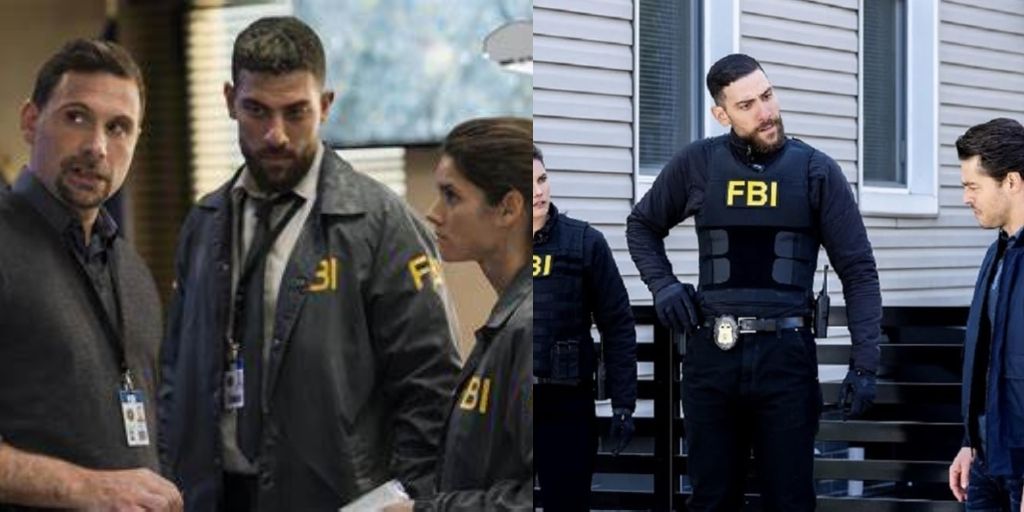
Still from FBI (Credit: CBS)
The combination of personal stakes and professional challenges makes “Doubted” a highly anticipated episode. With themes of safety, justice, and teamwork, it promises to engage the audience and keep them on the edge of their seats.
This episode of FBI will not only entertain but also spark important conversations about crime and its impact on individuals and communities. Viewers can look forward to a gripping story filled with suspense and emotional depth.
