Demon Slayer is a series that masterfully combines intense action, emotional depth, and interesting storytelling, particularly when it comes to its central warriors, the Hashira.
These elite fighters are the backbone of the Demon Slayer Corps, representing the highest level of skill and dedication in the battle against demons.
Yet, their strength does not shield them from the inevitability of loss and sacrifice.
Their deaths are some of the most profound moments in the series, leaving an indelible mark on viewers with scenes that are as visually stunning as they are emotionally devastating.
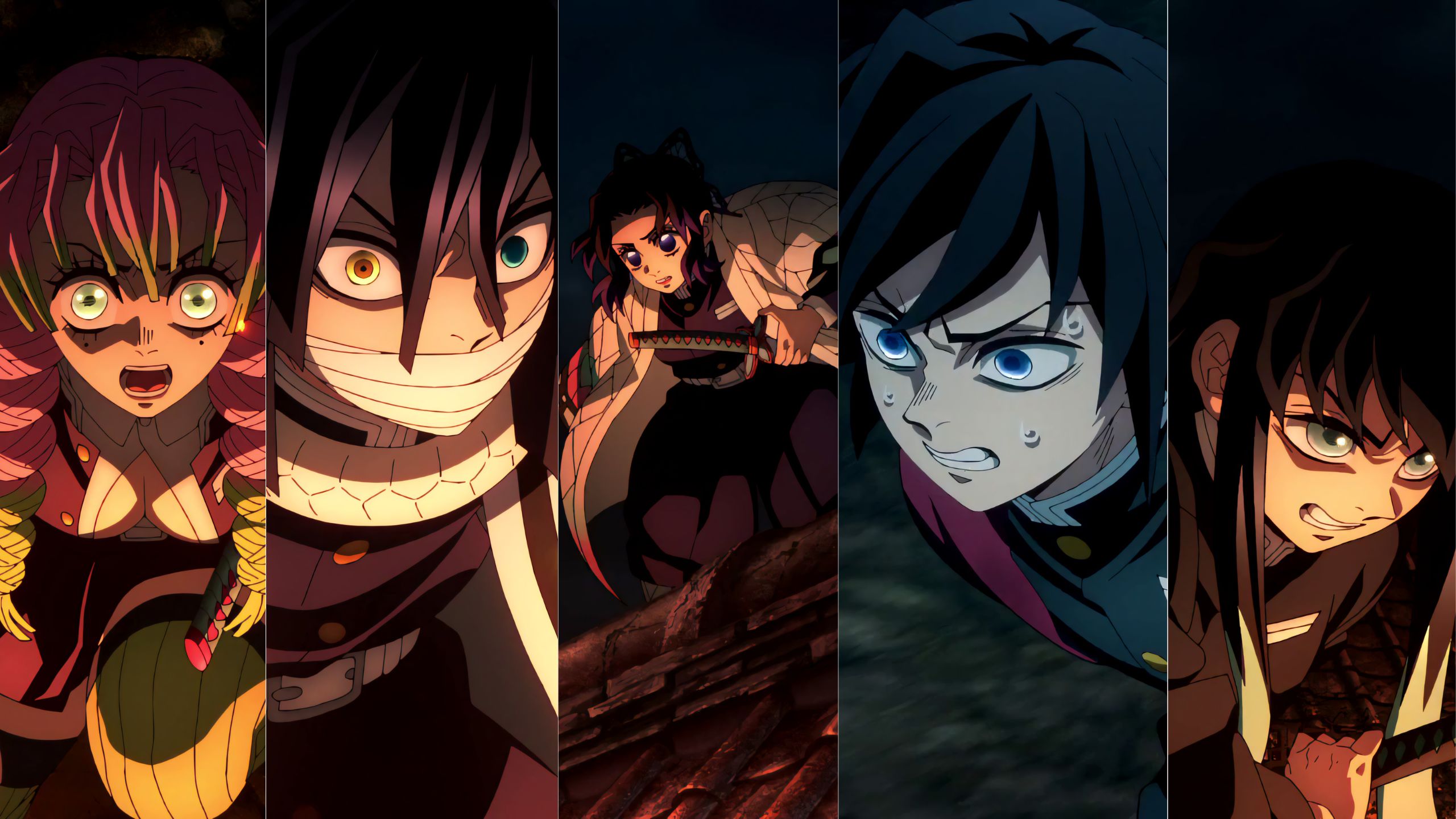
All Hashira’s Assembles After Hearing Attack On (Image By Ufotable)
For the Hashira, dying in battle is almost expected, given their dangerous mission.
However, these deaths are far more than just endings for powerful warriors; they are poignant reminders of the incredible burdens these heroes carry.
Each Hashira’s death is crafted with meticulous care, highlighting themes of honor, resilience, and a fierce dedication to protecting humanity.
Their sacrifices are etched into the hearts of fans not only because of their bravery but also because each farewell is a farewell to a character who brought their unique strengths and perspectives into the Demon Slayer Corps.
Understanding the Hashira’s Role in Demon Slayer
To truly appreciate the impact of the Hashira’s deaths, it is essential to understand who they are and the roles they play within Demon Slayer .
The Hashira are the top-ranking warriors of the Demon Slayer Corps. They are masters of specialized “Breathing Techniques,” which allow them to wield extraordinary powers in battle.
Each Hashira represents a unique form of combat, tied to an elemental theme that enhances their abilities and reinforces their individuality within the Corps.
The Hashira are not merely fighters; they are symbols of hope and security for a world terrorized by demons.
The presence of a Hashira in a battle often signifies that a significant and possibly deadly confrontation is underway.
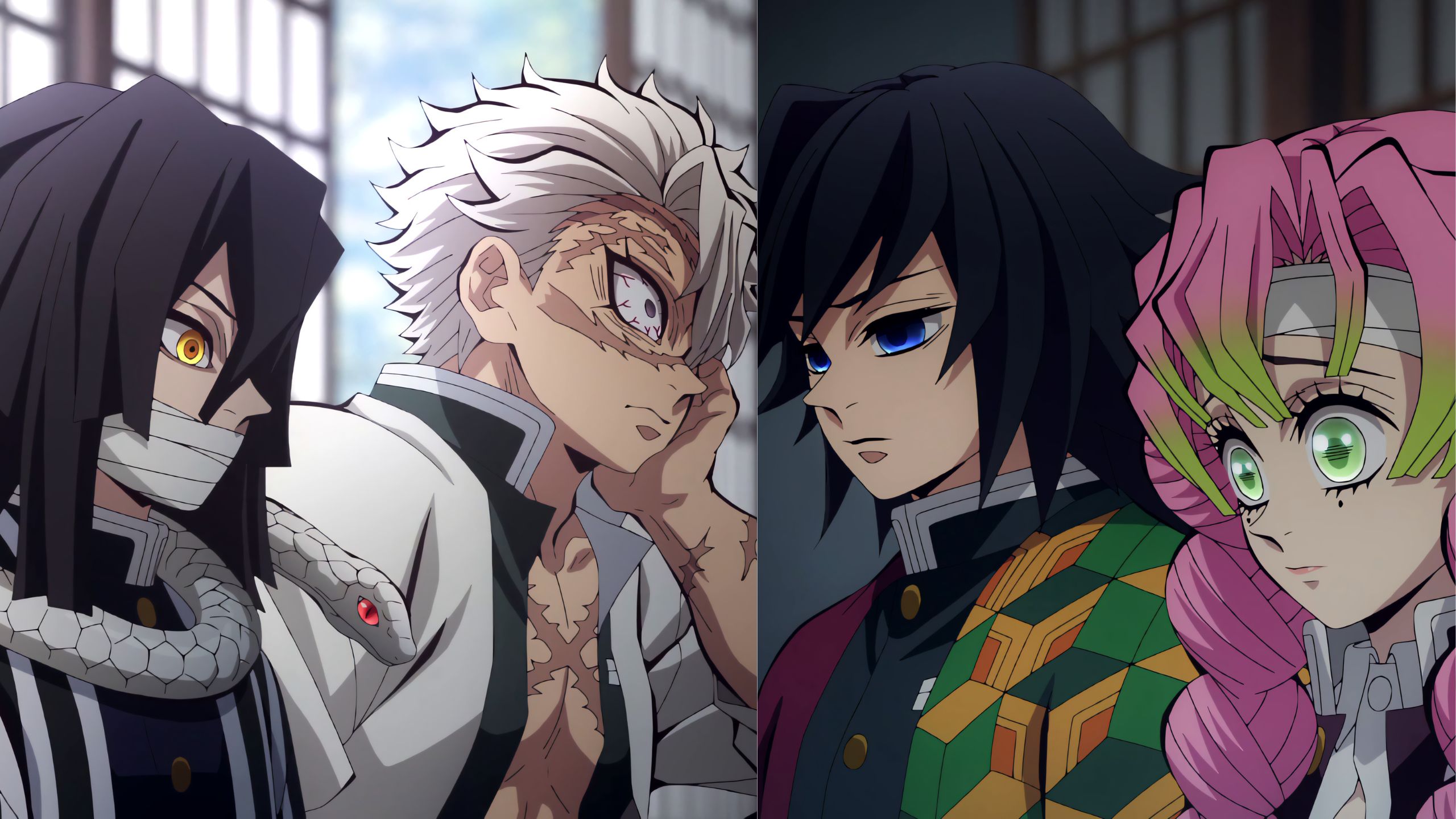
Hashira’s Discussing About Leaving Guards For Ubuyashiki’s Protection (Image By Ufotable)
This intense responsibility pushes each Hashira to the limits of their physical and mental endurance, and each member brings their own approach to this duty.
They face battles with an unwavering resolve, even when it becomes clear that their lives are at risk.
Each Hashira’s journey is marked by personal tragedy and hardship, and these experiences fuel their relentless drive to protect humanity.
The Unyielding Will of the Hashira
What sets the Hashira apart is their unbreakable spirit. Despite facing nearly impossible odds, they remain steadfast in their mission.
For them, the thought of retreat is inconceivable. They know that failure often means the death of innocent people, and they are willing to sacrifice everything for the greater good.
This commitment improvises their deaths from mere losses to symbolic representations of the price of heroism.
In Demon Slayer, each Hashira’s death is portrayed with a balance of tragedy and honor. The narrative makes it clear that these warriors are not invincible, but their resolve in the face of death transforms their final moments into inspiring acts of courage.
The series does not hold back in showing the brutal toll their battles take on their bodies, but their willingness to face this pain head-on is a testament to their character.
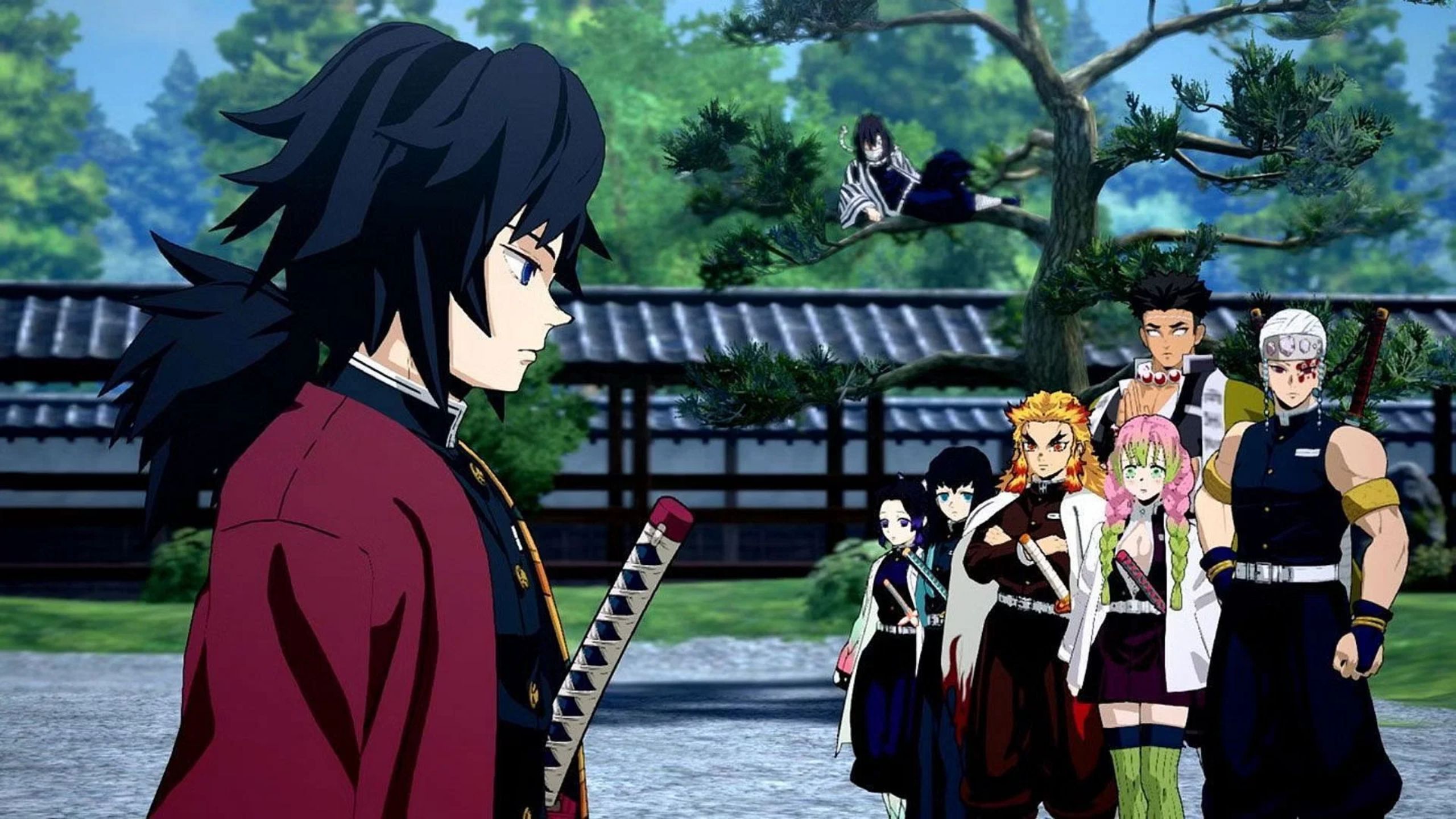
The Hashiras (Studio Ufotable)
Each Hashira’s death reinforces the idea that, while their physical forms may perish, their ideals and sacrifices live on, immortalized in the memories of those who survive.
Shinobu Kocho’s Heroic Yet Tragic End
One of the most unforgettable deaths in Demon Slayer is that of Shinobu Kocho, the Insect Hashira.
Shinobu’s personality is gentle yet sharp, and her approach to battle reflects her intelligence and tactical mind.
Unlike the other Hashira, she is physically weaker, yet she compensates for this with an unmatched level of poison mastery.
Her battle style revolves around agility, precision, and the use of a unique poison that she developed to exploit the demons’ weaknesses.
Her dedication to avenging her sister’s death fuels her intense hatred for demons, but she balances this hatred with a profound desire to protect her comrades.
Shinobu’s death is both gruesome and emotionally charged. She confronts Doma, one of the most powerful Upper Rank demons and the one responsible for her sister’s death.
Shinobu’s final moments are marked by intense suffering as Doma crushes her spine, rendering her unable to move, and absorbs her in a harrowing act witnessed by Kanao Tsuyuri, her apprentice.
Despite her terrifying end, Shinobu’s death holds a deep sense of purpose. She faces her demise with a defiant smile, knowing she has devised a final plan to weaken Doma by filling her body with a lethal dose of poison.
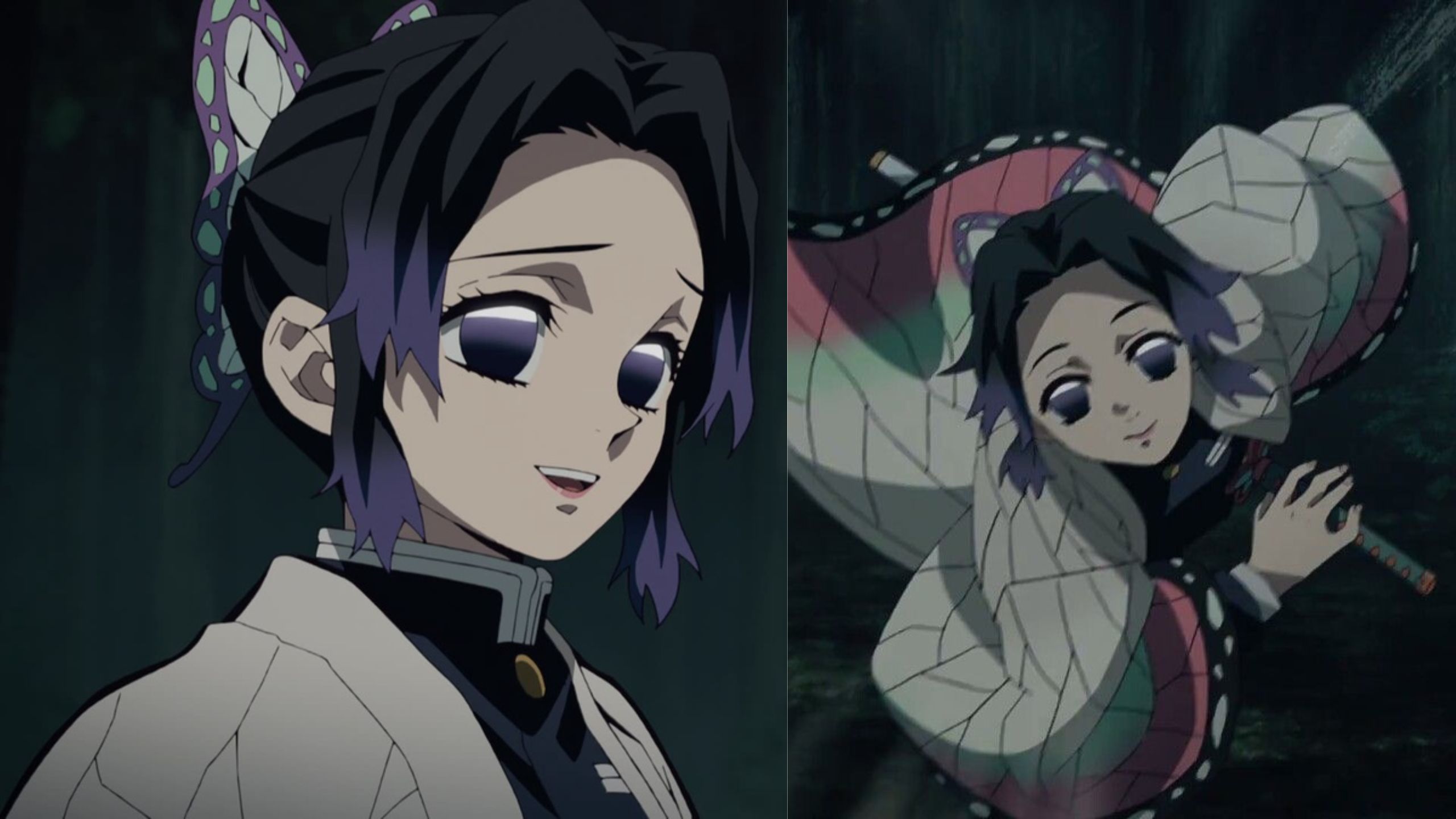
Shinobu Kocho From Demon Slayer (Studio Ufotable)
This moment summarizes Shinobu’s complex character: she is cunning, brave, and unyielding even in the face of death.
Her death is a painful reminder of the personal sacrifices Hashira makes, but it also emphasizes her resolve to protect those she cares about.
Shinobu’s legacy lives on in Kanao, who carries forward her mentor’s teachings and determination.
Mitsuri Kanroji: The Love Hashira’s Final Stand
Mitsuri Kanroji, the Love Hashira, embodies a warmth and optimism that sets her apart from the other Hashira.
Her bubbly personality and genuine kindness are juxtaposed with her immense physical strength, which makes her a formidable opponent in battle.
Mitsuri’s unique breathing technique, Love Breathing, allows her to move with a speed and flexibility that enhances her deadly attacks.
Her strength lies not only in her combat skills but in her compassion, which drives her to fight for the safety of others.
In her final battle, Mitsuri confronts Muzan Kibutsuji, the demon responsible for all the suffering caused by demons.
Mitsuri’s death is particularly painful to witness, as she loses both her arms in the brutal confrontation but continues to fight.
Her determination to protect her friends and humanity remains unshaken, even as her body is breaking down.
Mitsuri’s final moments are a testament to her love for her comrades and her unbreakable spirit. She fights not out of a desire for revenge, but out of a genuine desire to protect those she cares about.
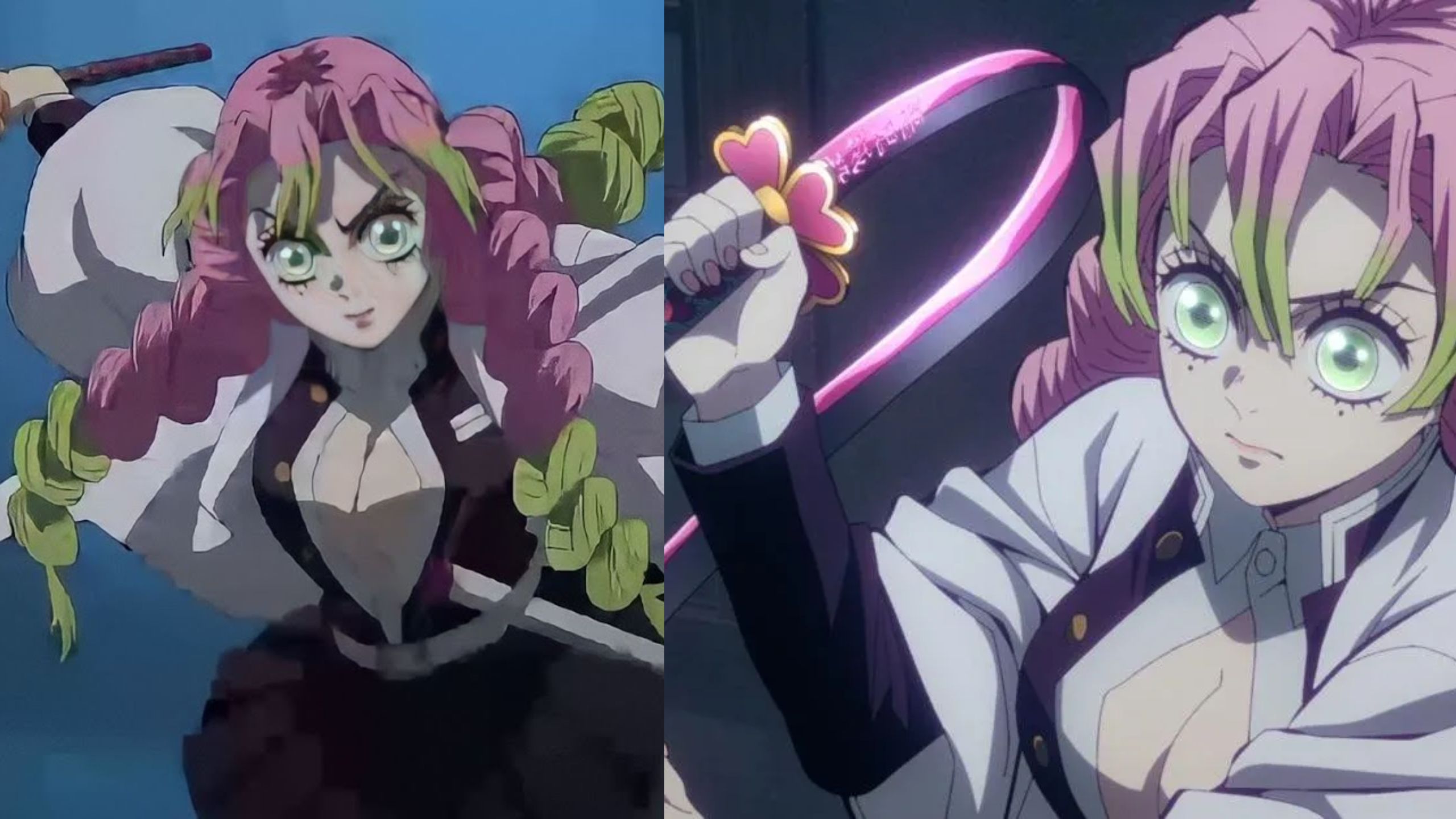
Mitsuri Kanroji From Demon Slayer (Studio Ufotable)
Mitsuri’s death is a powerful moment because it highlights the strength of her spirit in the face of insurmountable odds.
Her love for her comrades is evident even in her final moments, making her death not only the loss of a powerful warrior but also the loss of a beloved friend.
Mitsuri’s legacy is one of compassion, bravery, and a willingness to face any danger to protect those she loves.
Muichiro Tokito: The Young Prodigy’s Ultimate Sacrifice
Muichiro Tokito, the Mist Hashira, is one of the youngest and most talented members of the Demon Slayer Corps.
Despite his young age, Muichiro possesses an incredible strength and skill that make him a formidable Hashira.
His past is filled with trauma, having lost his family to demons, and this has shaped his personality and dedication to the Corps.
Muichiro’s Mist Breathing technique is unique, allowing him to confuse and overwhelm his opponents with illusions and swift attacks.
Muichiro’s death is one of the most tragic and heroic in the series. He faces Kokushibo, one of the most powerful Upper Rank demons, in a battle that pushes him to his physical and mental limits.
Despite enduring severe injuries, Muichiro refuses to give up, determined to protect his comrades and fulfill his duty as a Hashira.
His final moments are marked by an unwavering resolve to defeat Kokushibo, even as his life slips away.
Muichiro’s death is a powerful reminder of the cost of heroism. Despite his young age, he exhibits a level of maturity and bravery that is awe-inspiring.
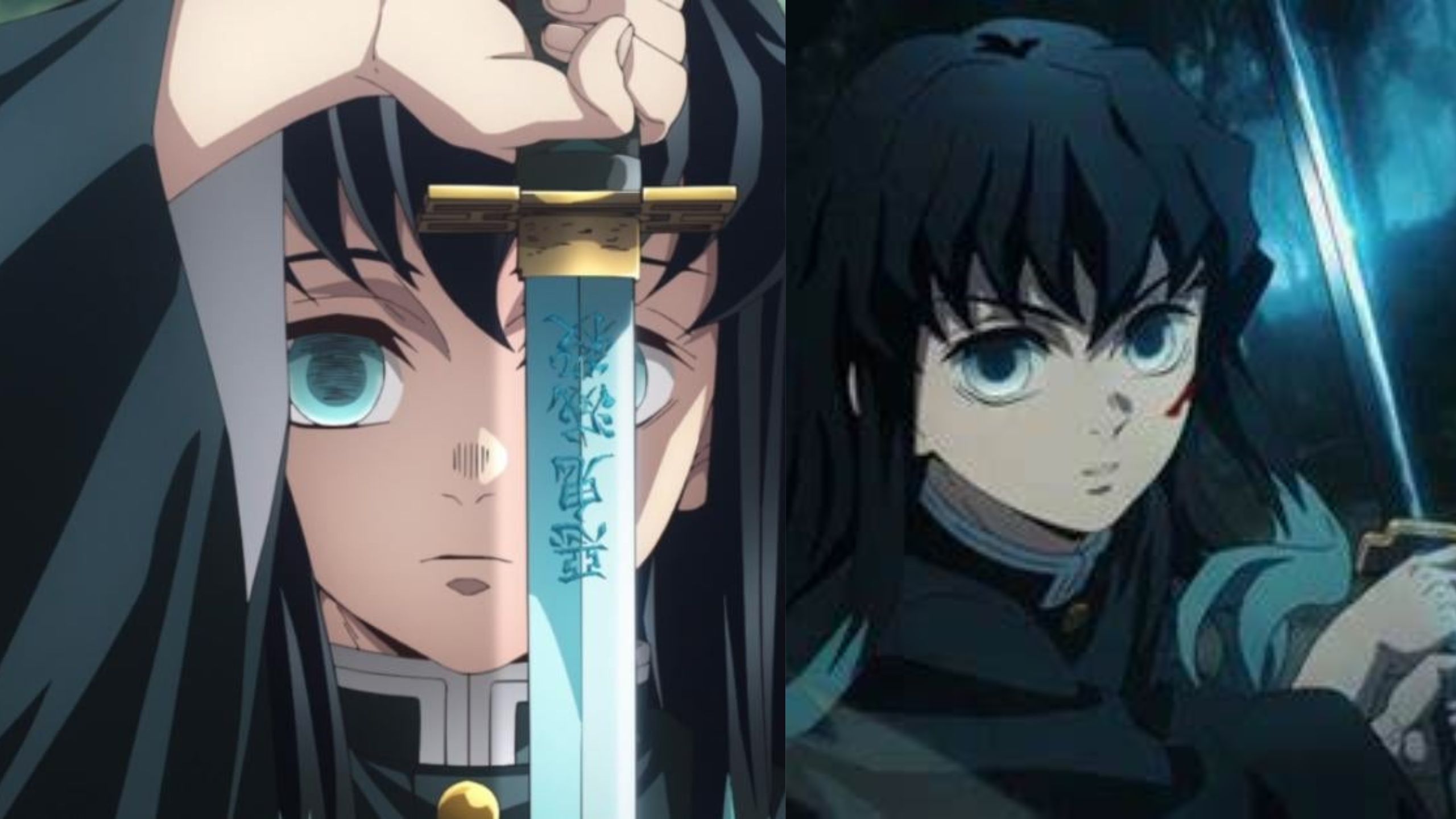
The Mist Hashira – Muichiro Tokito (Crunchyroll)
His death is not just the loss of a talented warrior but the loss of a young soul who had already endured more pain than most.
Muichiro’s legacy lives on in the hearts of those he fought alongside, serving as a reminder of the strength and courage of the Demon Slayer Corps.
Gyomei Himejima: The Stoic Stone Hashira’s Peaceful End
Gyomei Himejima, the Stone Hashira, is one of the most physically imposing members of the Demon Slayer Corps.
Despite his intimidating appearance, Gyomei is gentle and compassionate, traits that define his approach to life and battle.
His past is filled with hardship, and he has experienced loss and suffering that have shaped his stoic and wise demeanor.
Gyomei’s Stone Breathing technique allows him to harness immense strength, making him a powerful force on the battlefield.
Gyomei’s death is a bittersweet moment in Demon Slayer. He faces Kokushibo in a battle that costs him his life, but he meets his end with a sense of peace and acceptance.
Gyomei’s final moments are marked by a quiet strength, as he reflects on his life and the sacrifices he has made for the Corps.
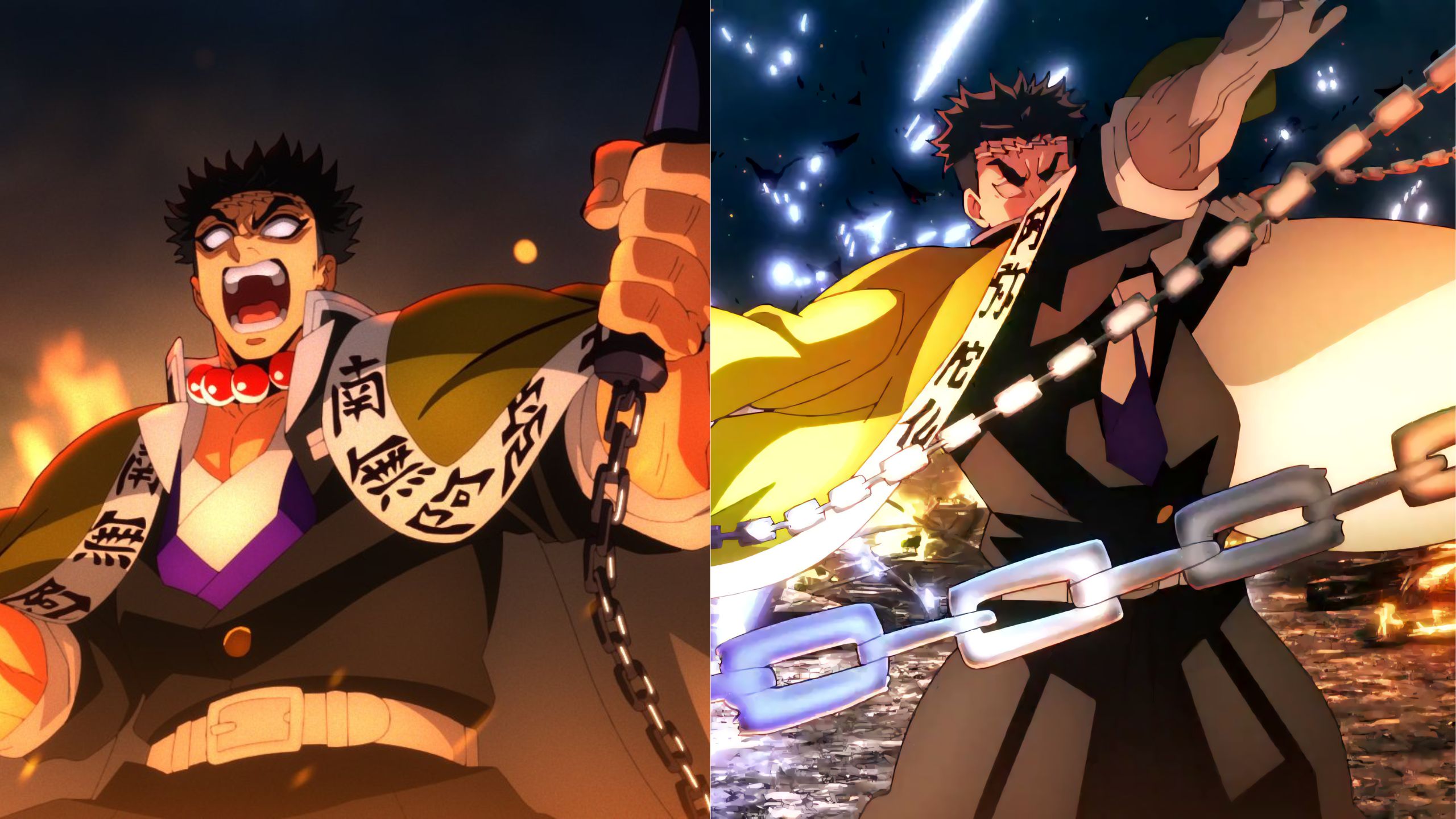
Himejima Gyomei Encounters Muzan (Image By Ufotable)
His death is not as graphic as some of the other Hashira’s, but it is no less impactful, as it represents the end of a life dedicated to protecting humanity.
Gyomei’s death is a testament to his unbreakable spirit and his dedication to the Corps.
His legacy is one of resilience, compassion, and strength, and his death serves as a reminder of the sacrifices that the Hashira are willing to make for the greater good.
Gyomei’s memory lives on in the hearts of those he fought alongside, and his sacrifice is a powerful reminder of the cost of heroism.
Tengen Uzui and Kyojuro Rengoku: The Unyielding Flame and Sound
Tengen Uzui and Kyojuro Rengoku are two Hashira whose deaths are marked by an unyielding determination to protect humanity.
Tengen, the Sound Hashira, is known for his flamboyant personality and his incredible strength.
His Sound Breathing technique allows him to use sound waves to enhance his attacks, making him a formidable opponent in battle.
Despite his injuries, including the loss of an arm, Tengen continues to fight with a fierce determination, unwilling to back down in the face of danger.
Kyojuro Rengoku, the Flame Hashira, is one of the most beloved characters in Demon Slayer . His death in the battle against Akaza is one of the most heartbreaking moments in the series.
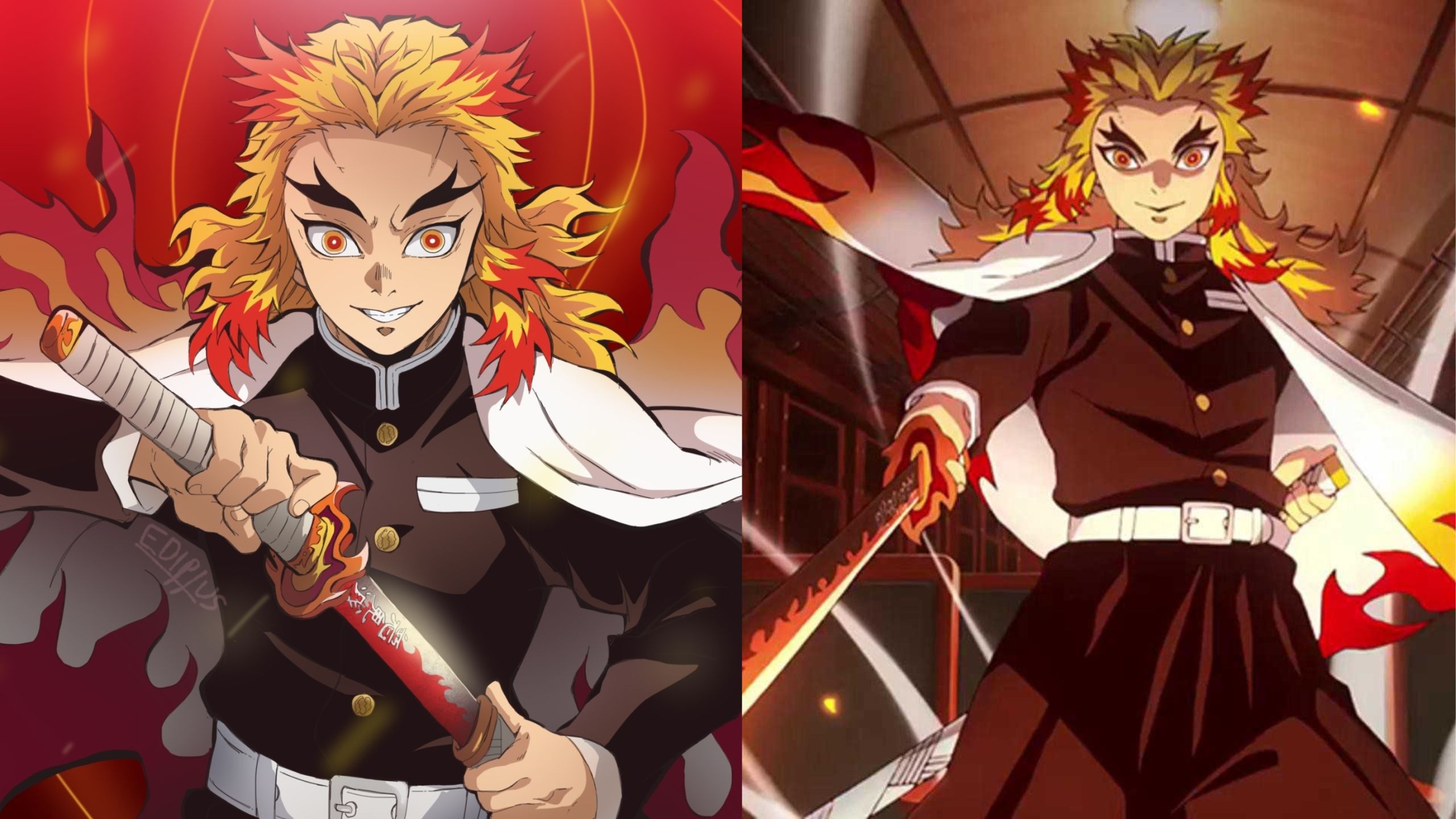
Kyojuro Rengoku (Crunchyroll)
Kyojuro’s unwavering resolve and his commitment to protecting the innocent make him a true hero. His death is a powerful reminder of the sacrifices that the Hashira are willing to make for the greater good.
Both Tengen and Kyojuro’s deaths serve as reminders of the strength and courage of the Hashira.
Their unyielding determination to protect humanity, even at the cost of their own lives, is a testament to their character.
Their deaths are not just losses for the Demon Slayer Corps but for the entire world, as they represent the best of what humanity has to offer.
The Legacy of the Hashira
The deaths of the Hashira are not just moments of loss; they are powerful testaments to the strength, courage, and resilience of the Demon Slayer Corps.
Each Hashira’s death serves as a reminder of the sacrifices that these warriors are willing to make for the greater good.
Their deaths are not just losses for the Demon Slayer Corps but for the entire world, as they represent the best of what humanity has to offer.
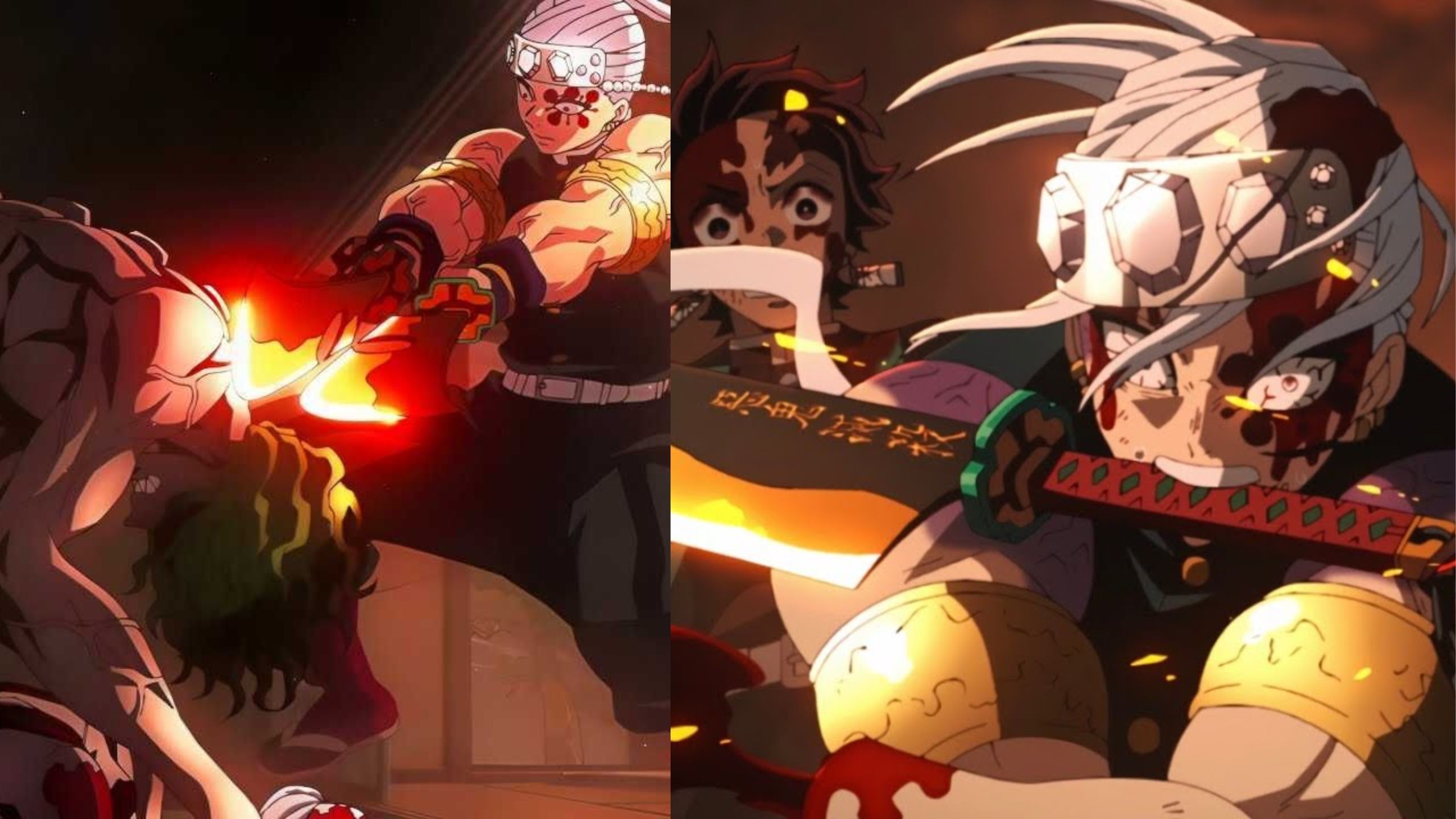
Tengen Uzui vs Gyutaro (Via Ufotable)
In Demon Slayer, the legacy of the Hashira lives on in the memories of those they protected.
Their sacrifices are not forgotten, and their courage continues to inspire new generations of demon slayers.
The Hashira’s deaths serve as powerful reminders of the strength and courage of the human spirit, and their legacy will live on for generations to come.
The highly popular anime and manga series, My Hero Academia , concluded its long and celebrated journey just a few months ago, leaving fans and critics in deep reflection over its successes and shortcomings.
Over the years, the series has undeniably captured the hearts of countless viewers, especially with its focus on the underdog protagonist, Izuku Midoriya, also known as Deku, and his journey to become the world’s greatest hero.
However, as fans now look back, there’s a shared sense of disappointment over one significant aspect where My Hero Academia fell short not necessarily in its character development or battle sequences, but in the missed potential of the world it created.
Author Kohei Horikoshi put substantial effort into building a world that feels vibrant and alive, where people are born with superhuman abilities called Quirks, and where being a hero has evolved from myth into a tangible profession, complete with both its glories and struggles.
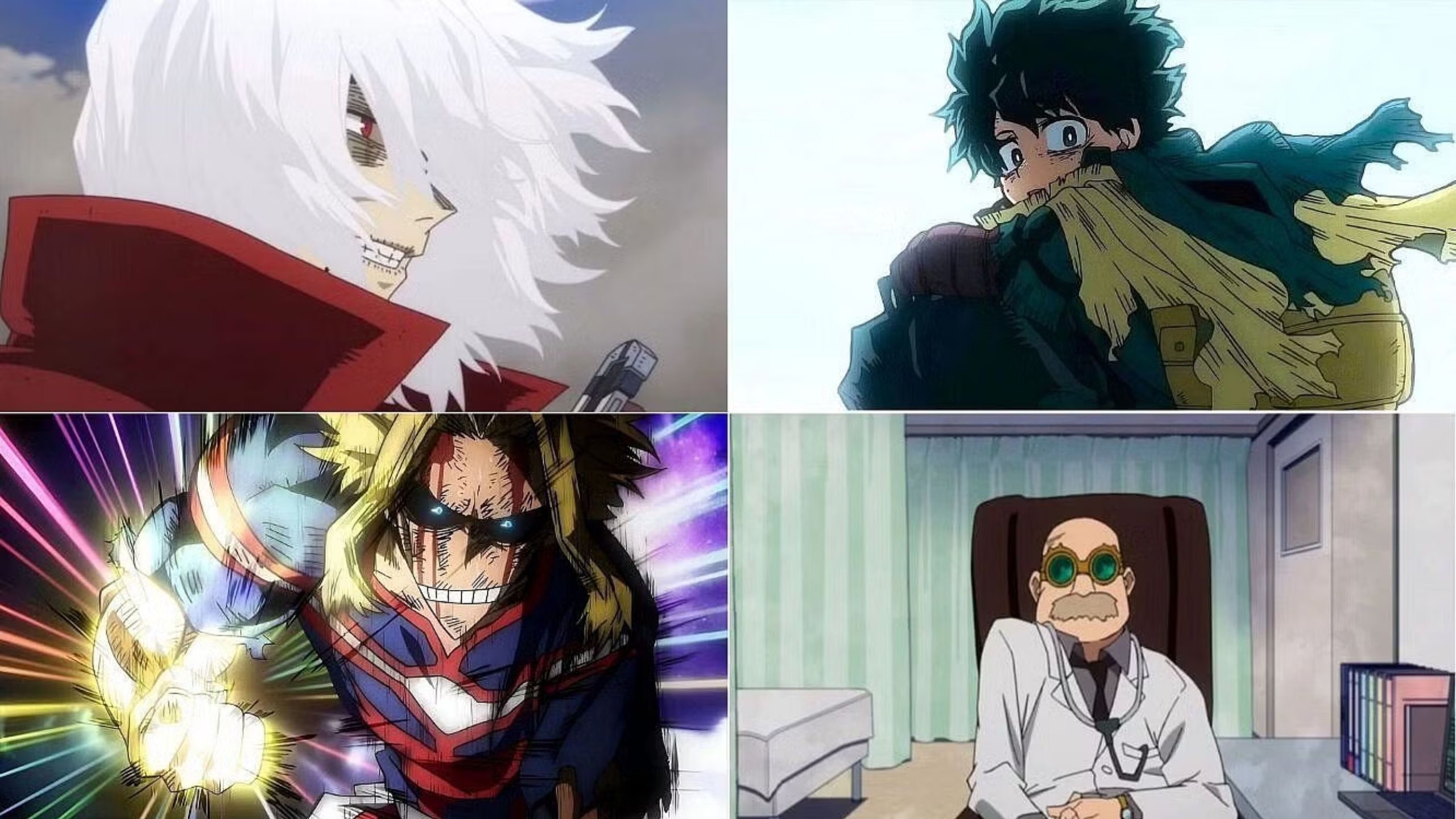
Deku and Shigaraki (Bones)
This isn’t just a simple “good versus evil” superhero narrative; it’s a world where heroism is a career, a vocation that involves real-life politics, media presence, and public approval.
At least, that’s how the series was initially set up. However, despite the Jumble of social and political implications, My Hero Academia ultimately fails to flesh out many of these complex layers.
Instead, it places almost exclusive emphasis on combat scenes and traditional hero-villain battles.
This neglect of deeper world-building, a dimension that could have made My Hero Academia even more profound, maybe Horikoshi’s greatest missed opportunity.
The Wasted World-Building Potential in My Hero Academia
When My Hero Academia first introduced us to its universe, the groundwork laid by Horikoshi hinted at something much larger than a standard superhero narrative.
With Quirks affecting every aspect of society, the story initially seemed poised to jump into the intricate nuances and moral dilemmas that would logically arise in a world where superpowers are an everyday reality.
The series touched on topics like hero commercialization, societal discrimination, and the pressures of heroism in a way that hinted at profound explorations of these themes.
Yet, the execution ultimately felt incomplete, as these promising concepts were quickly overshadowed by the focus on combat, character power-ups, and climactic battles.

Deku – My Hero Academia (Bones)
The ideas were introduced, but they often fell by the wayside, creating a sense of “wasted potential” for the world at large.
For instance, in the “Stain” arc, the storyline introduces us to the Hero Killer, Stain, who has an intense ideology regarding the integrity of heroes.
He believes that many heroes have lost sight of the essence of heroism, prioritizing fame, money, and media influence over the actual act of saving lives and helping others.
This commentary on the commercialization of heroism is a compelling topic, one that fans and critics alike found to be one of the series’ most thought-provoking moments.
Stain’s ideology forces us to question the motivations of the heroes we’ve come to admire. Are they fighting villains because it’s the right thing to do, or because it’s a lucrative career with high social status?
Yet, despite introducing such a profound perspective on heroism, Horikoshi doesn’t go much further with it.
Stain’s philosophy, while attracting, is never given a real opportunity to reshape or challenge the societal norms of this world.
No major hero in My Hero Academia truly embodies Stain’s criticisms. Instead, after the brief exploration in the “Stain” arc, the narrative quickly moves on, sidelining this potent critique of hero society.
As a result, the message feels incomplete, leaving readers wondering why this powerful concept was introduced only to be largely ignored in the broader storyline.
A Forced Social Commentary: Spinner and Shoji’s Conflict
Another instance of the series’ failure to fully realize its world-building potential comes in the form of the subplot involving Spinner and Shoji, two characters who possess animalistic traits as a result of their Quirks.
In the final war arc, their battle suddenly introduces the idea that Quirk users with animal features face discrimination and prejudice from society.
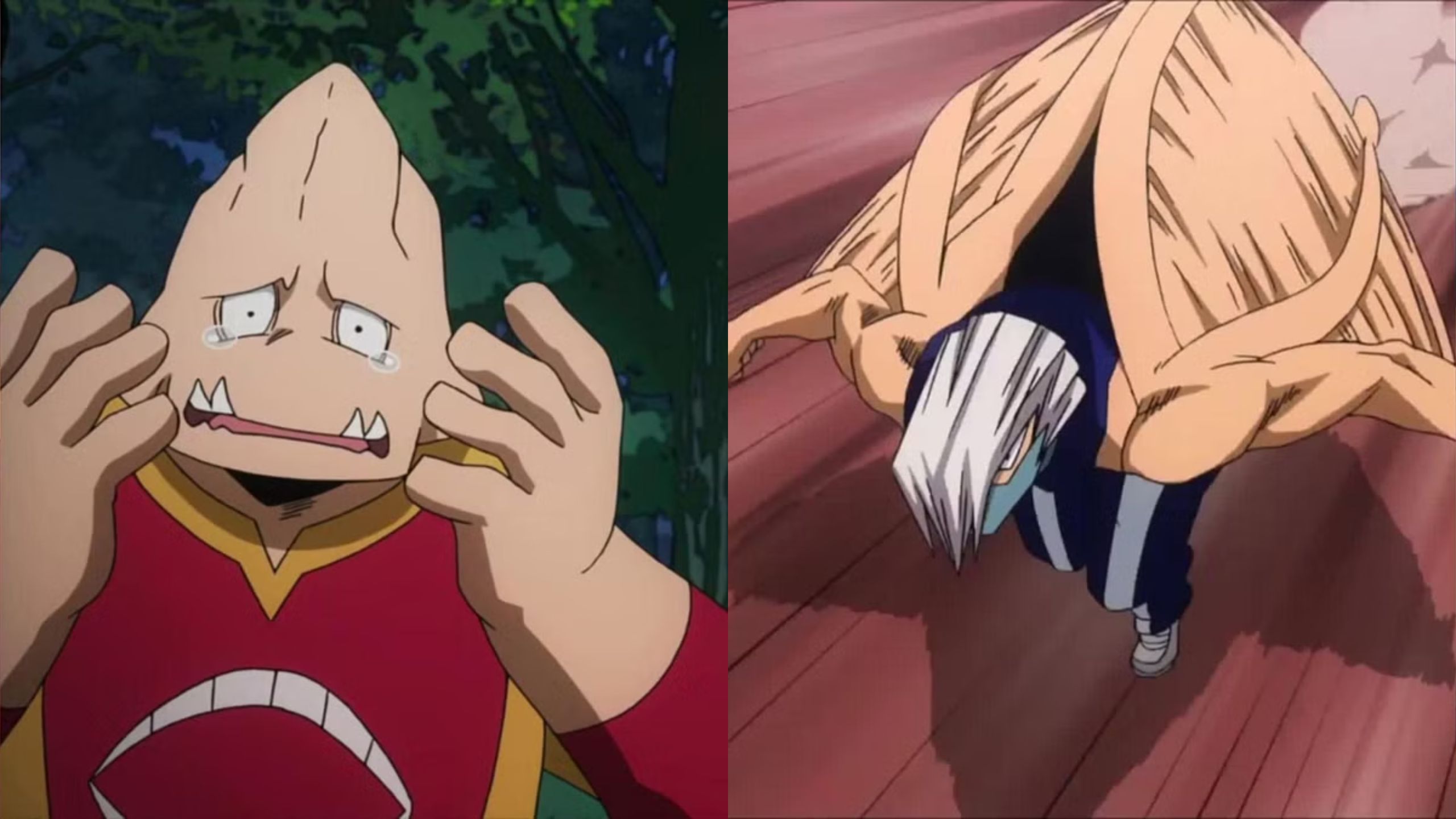
Shoji And Spinner (Bones)
This would be a significant and relevant issue, as discrimination based on appearance or inherent traits would likely be a major challenge in a world where people are born with such different abilities.
However, before this storyline, discrimination based on physical appearance was never a prominent theme in the series.
Neither Spinner nor Shoji had previously been depicted as experiencing prejudice or scorn for their looks, which makes this subplot feel abrupt and disconnected from the final narrative.
This plot point could have added a powerful layer to My Hero Academia, addressing a darker aspect of a Quirk-filled society and the biases that might exist in a world divided by various physical characteristics.
Yet, because this theme was introduced so late and without a prior foundation, it feels forced and underdeveloped, ultimately lacking the impact it could have had.
Shoji and Spinner’s struggle against societal prejudice could have been a significant subplot woven throughout the series, providing a window into how Quirk variety affects individuals on a social level.
Unfortunately, this theme of prejudice remains largely unexplored, leaving another gap in My Hero Academia’s world-building efforts.
Preferential Treatment and the Implications of Powerful Quirks
One of the core tenets of My Hero Academia is the importance of Quirks – or, rather, the societal value placed on certain types of Quirks.
The series makes it clear early on that some people, like Bakugo, are celebrated for their powerful Quirks, while others, like Izuku Midoriya, are shunned for their lack of one.
Izuku’s journey is marked by hardship and bullying precisely because he is Quirkless. This struggle forms the foundation of his character, highlighting the cruel reality of discrimination based on one’s Quirk status.
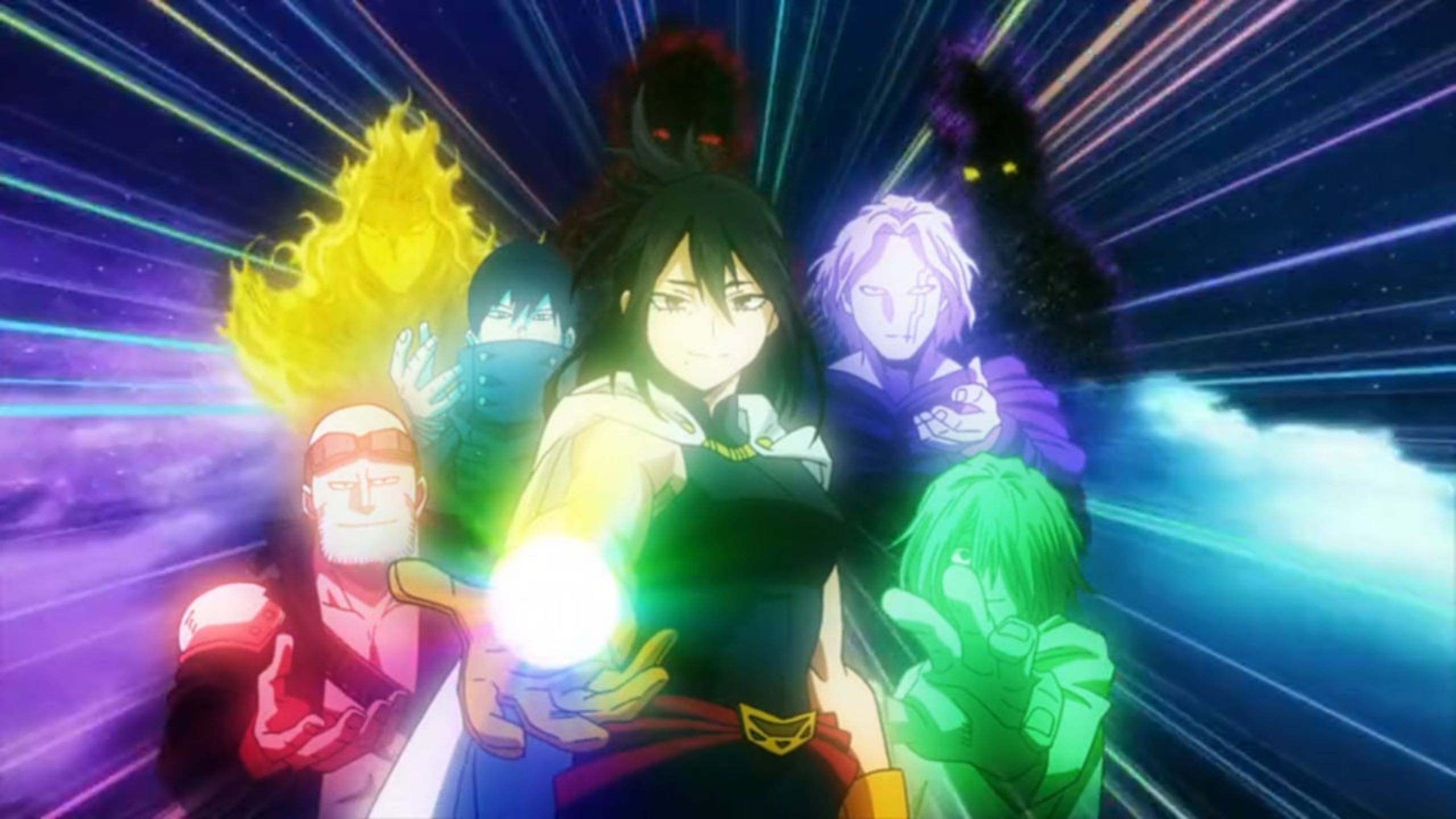
Previous One For All Users (Image Via Bones)
However, despite the emotional weight of this issue, it remains somewhat unresolved by the end of the series.
In the epilogue, we see Izuku mentoring a young boy at UA who is also struggling with being Quirkless.
Although this scene implies a continuation of Izuku’s journey to help those facing the same hardships, it doesn’t truly address or change the societal system that values individuals based on the power of their Quirks.
The deep-seated prejudice against Quirkless individuals, which had been such a central theme at the start, is left without a satisfying resolution.
Society, it seems, remains largely unchanged, and there is no real indication that Quirk discrimination has been addressed on a systemic level.
This is another instance where Horikoshi introduces a compelling social issue but fails to explore its broader implications or provide a meaningful solution, leaving readers feeling as though the storyline lacks completion.
The Compression of Time: How the Series’ Chronology Feels Rushed
Another aspect that undermines My Hero Academia’s world-building is the condensed timeline within which the story takes place.
Most of the series unfolds within Deku’s first year at UA, a highly condensed period that includes his journey from a Quirkless boy to one of the most powerful young heroes in training.
While Deku’s growth and progression are undeniably inspiring, the timeline’s brevity creates a sense of rush, making it difficult for the audience to fully grasp the enormity of his development and the changes within hero society.
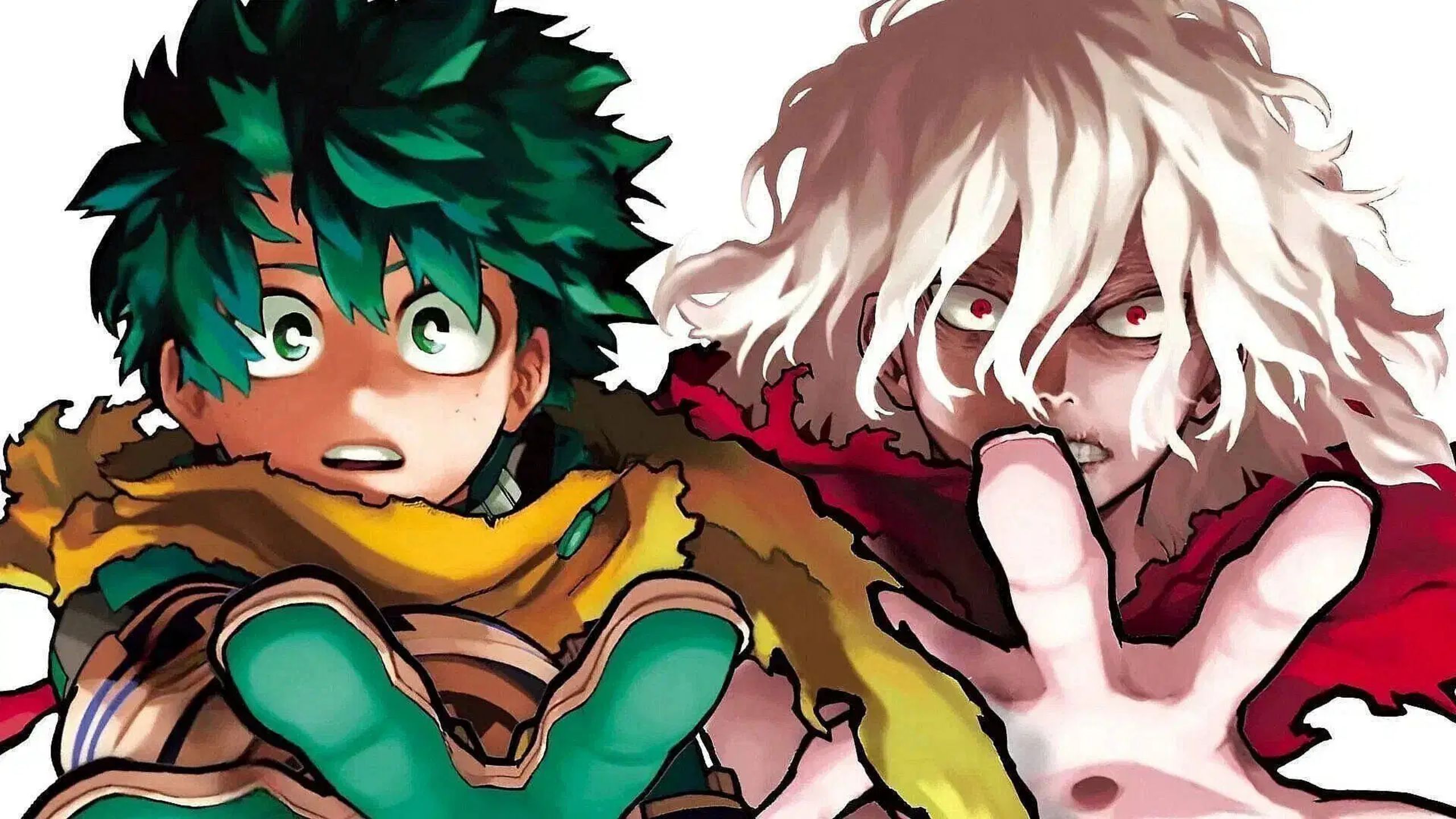
Deku and Shigaraki (Bones)
Deku spends a single year training under All Might, preparing for the rigorous journey ahead. This brief span, coupled with the sudden time-skip in the final chapter, leaves the storyline feeling hurried.
A longer timeline, spanning multiple years, might have allowed for a more organic exploration of the characters and their growth, as well as a deeper jump into the world around them.
By compressing the narrative into such a short period, Horikoshi sacrifices the opportunity for a more gradual, realistic unfolding of events, making the characters’ progress and societal changes feel somewhat rushed and lacking depth.
Shadows of the Hero Commission: Unexplored Government Influence in Hero Society
One of the more intriguing aspects of My Hero Academia is the Hero Public Safety Commission, a government organization that oversees the activities of heroes.
This commission wields significant influence over heroes, even going so far as to enlist individuals like Hawks and Lady Nagant to carry out morally dubious tasks in the name of public safety.
The commission’s role hints at a darker side of hero society, one that involves surveillance, manipulation, and morally ambiguous decisions that are kept hidden from the public eye.
However, the story never fully explores the extent of the commission’s power or the ethical dilemmas that accompany its actions.
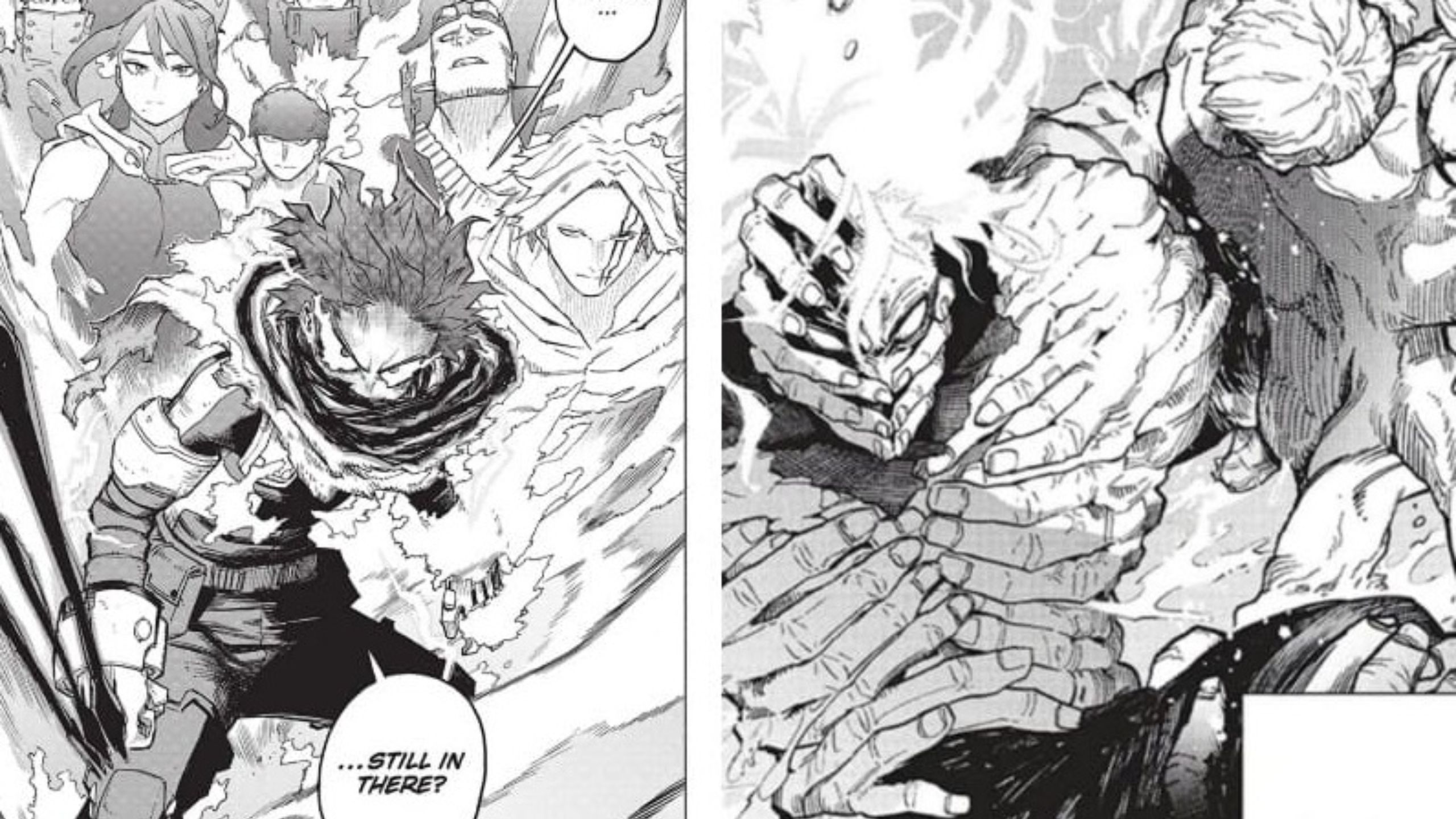
Deku And All For Onces From My Hero Academia (Bones)
Characters like Hawks and Lady Nagant offer a glance into this side of hero society, but the series stops short of investigating how these morally questionable actions impact the broader society or how they influence public perception of heroes.
The government’s role in hero society remains largely unexplored, leaving another avenue of world-building underdeveloped.
By failing to go deeper into the Hero Public Safety Commission’s influence, My Hero Academia misses the opportunity to explore the complex relationship between power, heroism, and government oversight.
International Heroes and the Lack of a Global Perspective
In a world where powerful villains like All For One pose a threat to humanity, it would stand to reason that heroes from around the globe would band together to combat such dangers.
Yet, despite the global implications of the series’ conflicts, international heroes play a surprisingly minor role in My Hero Academia.
The introduction of Star and Stripe, an American hero who briefly assists in the fight against All For One, suggests the existence of a global hero community.
However, her swift exit from the story and the lack of involvement from other international heroes leave this aspect feeling underdeveloped.
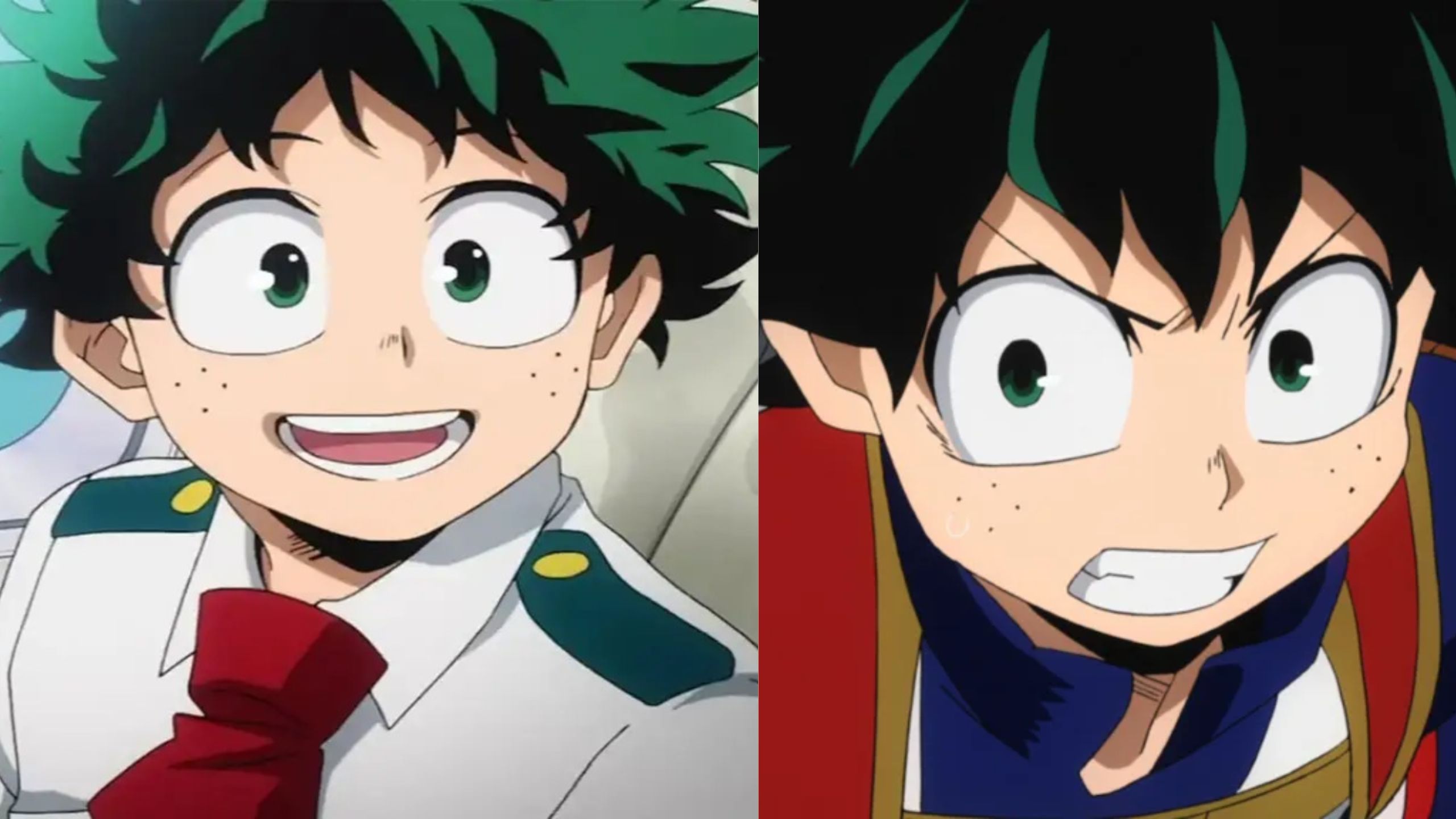
Deku From My Hero Academia (Crunchyroll)
Considering that All For One represents a worldwide threat, it is puzzling that no other heroes from outside Japan play a significant role in the final battle.
The lack of international collaboration or even acknowledgment of a global hero network feels like a missed opportunity to expand the world of My Hero Academia beyond Japan’s borders.
By not exploring the impact of international heroes or the possibility of a global hero alliance, Horikoshi limits the scope of his story, reducing what could have been an epic worldwide conflict to a primarily local struggle.
Reflecting on the Legacy of My Hero Academia
There is no doubt that My Hero Academia has been a massive commercial and cultural success.
Its characters, action sequences, and emotional arcs have resonated with fans worldwide, making it one of the most popular anime and manga series of the past decade.
However, the limitations in its world-building, particularly the failure to fully develop the rich, complex universe that was hinted at, have left a lasting impression on fans and critics alike.
The series presented several intriguing concepts, from the commercialization of heroism to the social issues surrounding Quirk discrimination, yet it stopped short of fully realizing these themes.
In the end, while My Hero Academia attracted the audiences with its action-packed storyline and inspiring character journeys, its world feels incomplete.
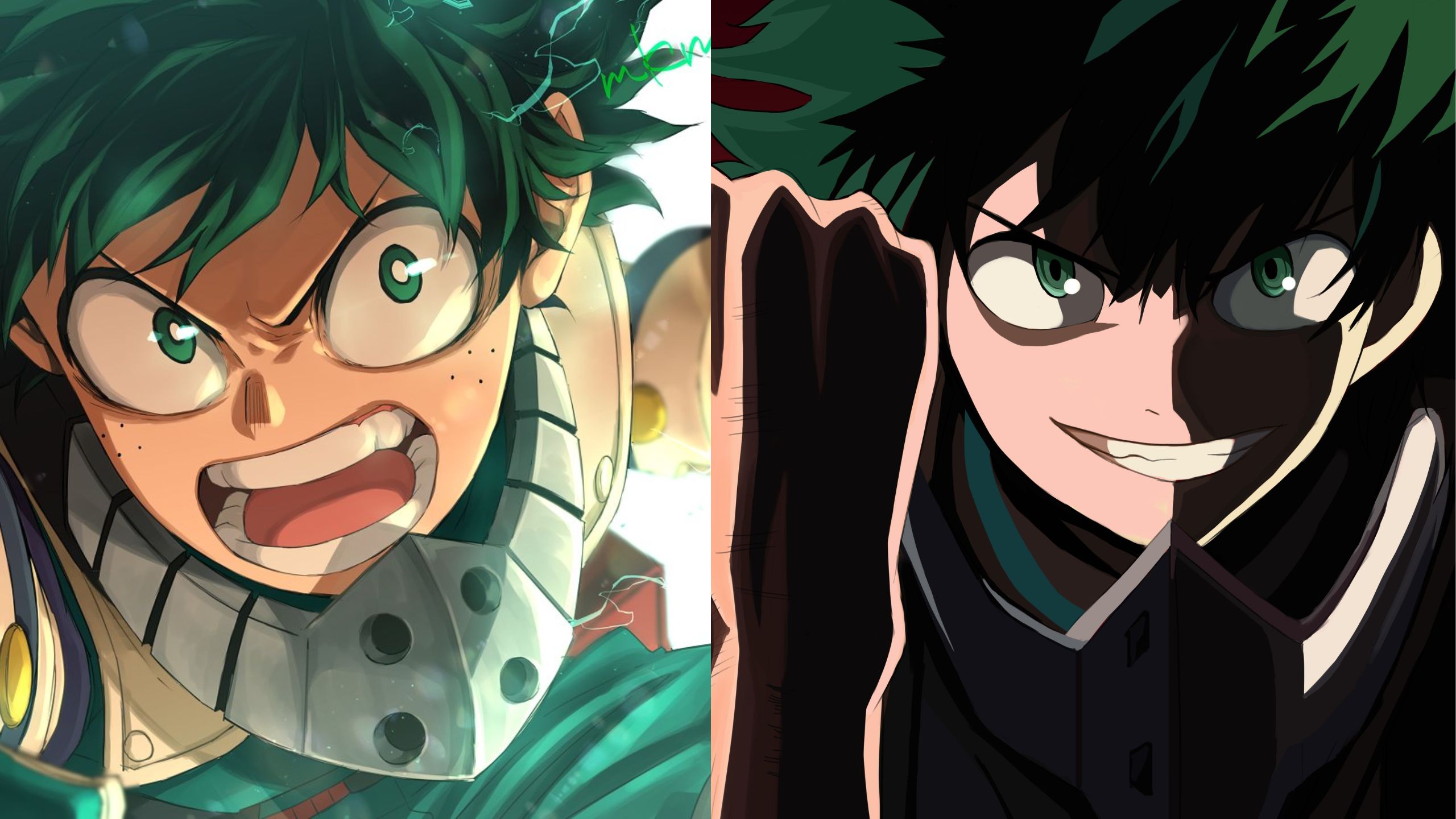
Deku – Manga Reference (Image via Shueisha)
The potential for a deeper, more nuanced exploration of hero society remains untapped, leaving fans with lingering questions about what could have been.
Horikoshi crafted a vibrant and dynamic world, but by focusing primarily on combat and hero-villain confrontations, he left many of the series’ most thought-provoking ideas underdeveloped.
My Hero Academia may have concluded, but the legacy of its unrealized potential endures, a reminder of the power of world-building and the impact of a story that dares to jump into the complexities of the world it creates.
