The 2000s were a fascinating time for reality television. Many shows tried to grab viewers’ attention. Some shows were unique and entertaining. Others were bizarre and strange. A few shows even had cruel elements.
Among all these shows, one stood out: The Swan. This show was unlike anything else. It combined a strange premise, cruel treatment of contestants, and an odd kind of success.
The Swan aired on FOX for two seasons from April 7 to December 20, 2004. The show’s concept was to take women who were considered “ugly ducklings” and transform them into swans through multiple plastic surgeries.
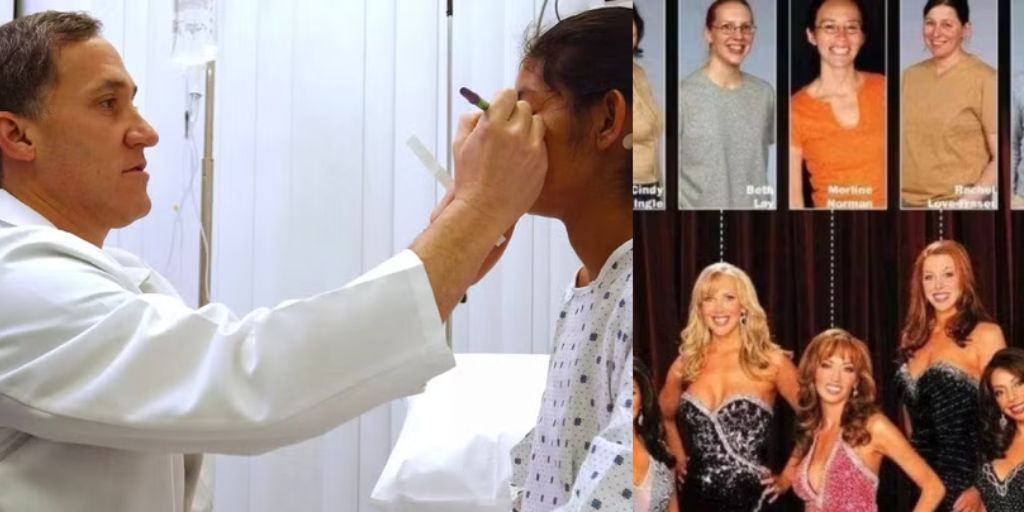
The process involved isolating these women from their friends and family for three months. They underwent intense plastic surgery, followed strict exercise routines, and attended therapy sessions.
Despite its odd and cruel nature, The Swan became popular, attracting an average of 9.1 million viewers. The show’s popularity raises questions about why people were drawn to such a strange concept.
The Show’s Premise
The show started by taking contestants who were unhappy with their looks. These women believed they were unattractive and wanted to change their appearance.
Producers promised them a transformation that would make them feel beautiful. However, the journey was anything but easy. Contestants faced intense pressure and strict rules throughout their time on the show.
One of the most shocking aspects of The Swan was that contestants were isolated from their families and friends for three months.
They were only allowed to make short phone calls each week. This isolation was meant to help them focus on their transformation. However, it also added to the emotional strain.
During these three months, contestants could not look at themselves in mirrors. All mirrors were covered, so they had no idea how their bodies were changing.
This lack of self-awareness made the reveal at the end even more dramatic. After three months of surgery, exercise, and therapy, the contestants saw their new looks for the first time in front of the team that transformed them.
At the end of the transformation period, the two contestants in each episode had to compete against each other.
Their competition was not just about looks; it included how well they handled recovery from surgery, their commitment to diet and exercise, and their openness in therapy. One contestant would be chosen to continue to The Swan Pageant, while the other would be sent home.
At the pageant, nine women, called “swans,” competed for a crown. They had to walk the stage in lingerie and swimwear.
The pressure to perform and look perfect was immense. This combination of extreme makeovers and competition created a unique and shocking television experience.
Immediate Backlash
Even while it was airing, The Swan received significant criticism. Society has changed a lot since the early 2000s. Today, many people advocate for body positivity.
They encourage self-acceptance and challenge unrealistic beauty standards. Looking back at shows like The Swan, many viewers now see them as cruel and harmful.
The backlash against The Swan was immediate. Major publications criticized the show for its harsh treatment of contestants.
For example, It was described The Swan as “hurtful and repellent,” highlighting the show’s lack of boundaries. The article pointed out that the show was willing to go to great lengths for ratings and viewer engagement.
The harshness of the show was evident in the demanding exercise routines and the psychological pressure put on the contestants. After undergoing extensive plastic surgery, women were expected to follow strict workout plans.
They had to spend up to two hours a day in the gym, six days a week. If they struggled to keep up, Nely Galán, the show’s creator and executive producer, would publicly criticize them.
Still from The Swan (Credit: FX)
One contestant faced harsh words from Galán for ordering cream cheese. She told her, “You’ll be a tub if you keep eating cream cheese.”
This kind of criticism made many viewers uncomfortable. It showed the extreme pressure these women were under to conform to a narrow standard of beauty.
The Therapy Sessions
Another controversial aspect of The Swan was the therapy segments. Therapist Lynn Ianni conducted sessions with each contestant.
During these sessions, she asked probing questions that forced contestants to reveal personal trauma. Each contestant had a backstory filled with struggles, and many came to the show seeking healing.
For example, one contestant had been a victim of a house fire, which left her with visible scars. Another was a widow dealing with the loss of her husband.
One contestant even received divorce papers during her time on the show. Sharing these painful experiences on national television made these women even more vulnerable.
Typically, therapy is a private space where individuals can talk about their feelings and experiences. However, the televised format removed that privacy.
he contestants had to share their traumas in front of millions of viewers, turning their pain into entertainment. This exploitation of their struggles raised ethical questions about the show.
Some contestants faced further criticism if they did not share enough during therapy. For instance, a contestant who was more reserved during her sessions did not make it to the pageant.
Another contestant struggled to recover from years of trauma in just three months and did not reach the pageant either.
The unrealistic expectation for emotional healing in such a short time frame highlighted the show’s problematic nature.
It takes years for many people to work through their traumas. Yet, The Swan expected contestants to make significant progress in just three months.
The Cost of Transformation
One of the most troubling aspects of The Swan was the notion of a “free” makeover. Contestants received hundreds of thousands of dollars worth of plastic surgery without paying for it.
However, this “free” offer came at a steep price. The women had to expose their deepest emotional wounds for the sake of entertainment.
The phrase “there’s no such thing as a free meal” applies perfectly here. While contestants did not pay for their surgeries, they paid with their privacy and emotional well-being. They were manipulated into sharing their pain and struggles on national television.
Other Extreme Shows
The Swan was not the only extreme makeover show during its time. Another show called Extreme Makeover aired on ABC from 2002 to 2007. While Extreme Makeover had some similarities to The Swan, it also had significant differences.
Extreme Makeover featured both men and women as contestants. Participants had more control over what changes they wanted to make to their appearance.
Unlike The Swan, where a team decided on the transformations, contestants on Extreme Makeover could voice their preferences.
Additionally, contestants on Extreme Makeover were allowed to see their reflections during the process.
This was a stark contrast to the experience of The Swan contestants, who were kept in the dark about their transformations. Moreover, Extreme Makeover did not include exploitative therapy sessions like those in The Swan.
While Extreme Makeover also faced criticism, it did not receive the same level of backlash as The Swan. This was partly because Extreme Makeover allowed contestants to reveal their stories without the same level of emotional exposure.
Contestants celebrated their transformations with family and friends instead of competing against one another in a pageant.
Cultural Shift in Plastic Surgery
During the 2000s, perceptions of plastic surgery were changing. Shows like Nip/Tuck, which first aired in 2003, highlighted the lives of plastic surgeons and their patients.
The show presented a mix of drama and ethical dilemmas related to cosmetic surgery. As a result, it paved the way for other shows focused on plastic surgery, including Dr. 90210, which followed the lives of Beverly Hills surgeons.
Despite its entertainment value, The Swan raised serious questions about the ethics of reality TV and the treatment of its contestants.
Dr. Anthony Youn, a plastic surgeon and YouTube personality, expressed concerns about The Swan. He criticized the show for manipulating contestants and rushing them into surgery during vulnerable times in their lives.
Dr. Youn pointed out that one contestant received surgery shortly after losing her husband. He emphasized that undergoing surgery while grieving is not a healthy choice.
He also highlighted the dangers of multiple surgeries in a short time, warning that it could lead to serious health risks.
Furthermore, he criticized how The Swan viewed contestants only as a series of surgeries instead of as complete individuals with complex emotions and experiences. The show failed to consider the long-term impacts of their transformations on the contestants’ mental health.
Even Crueler Shows
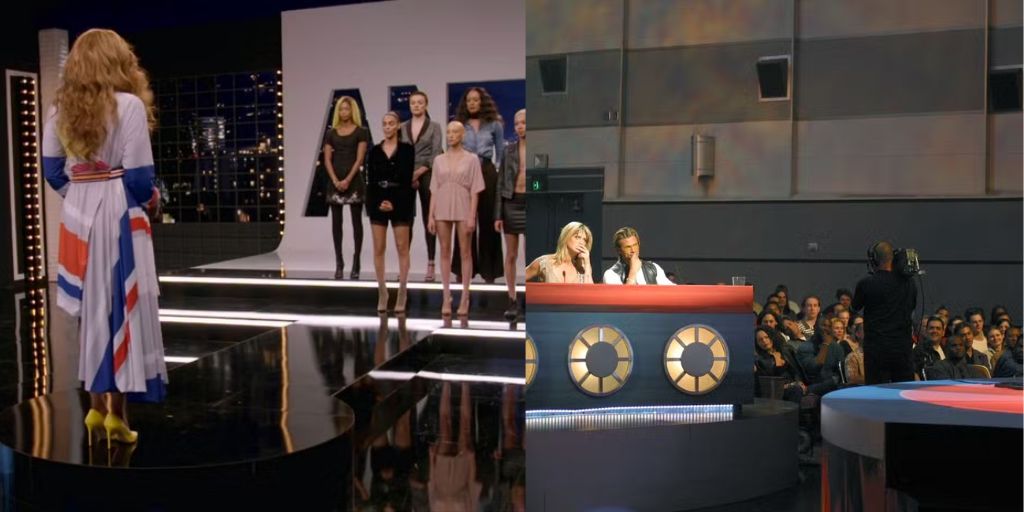
While many consider The Swan the harshest reality show of the 2000s, others argue that it was not the worst. Another short-lived show called Are You Hot? aired on ABC. This show featured a panel of celebrity judges who evaluated contestants solely on their appearance.
In Are You Hot?, contestants stood on stage in front of judges and an audience. The judges decided whether each contestant was “hot” or “not.”
If a contestant was deemed “hot,” they moved on to the next round. In the second round, contestants appeared in swimwear while judges picked apart their looks.
One judge even used a laser pointer to criticize a contestant’s legs. This kind of judgmental behavior was harsh and demeaning. Unlike The Swan, Are You Hot? did not pretend to offer any form of personal growth or transformation. It was simply a beauty contest based on looks alone.
In this regard, some viewers felt that The Swan was at least attempting to address deeper emotional issues. Still, many would argue that the emotional turmoil contestants faced on The Swan made it equally, if not more, harmful.
Contestants’ Reflections
Over the years, many contestants from The Swan have spoken out about their experiences on the show. Some have expressed regret, while others have found positive aspects in their journeys.
One contestant, who underwent extensive surgeries, described her time on The Swan as a “double-edged sword.”
While she appreciated the physical transformation, she felt emotionally drained after being scrutinized on national television. She struggled with self-image issues long after the show ended.
Another contestant shared that she felt exploited during her time on the show. She regretted sharing her painful past on camera, believing it only made her feel worse. She felt the show did not help her heal but instead turned her trauma into entertainment for viewers.
However, not all contestants had negative feelings about their experiences. Some expressed that The Swan helped them regain confidence. They felt empowered after their transformations, even if the journey was difficult. For these women, the show became a catalyst for personal growth.
The Aftermath of The Swan
The Swan left a lasting impact on reality television. Its unique combination of extreme makeovers, personal trauma, and competitive elements set a precedent for future shows. However, it also served as a cautionary tale.
After its run, the show sparked conversations about ethics in reality television. It led to discussions about how producers should treat contestants.
The backlash against The Swan paved the way for more compassionate portrayals of individuals in future reality shows.
In recent years, many reality shows have shifted towards more positive messages. They focus on self-acceptance, empowerment, and personal growth.
Shows like Queer Eye and The Great British Bake Off emphasize teamwork, community, and support rather than competition and judgment.
These modern shows showcase individuals working together to improve their lives. They celebrate diversity and challenge traditional beauty standards.
The shift from the harsh treatment of contestants in shows like The Swan to the more supportive environment of contemporary reality TV reflects changing societal values.
The Swan remains a controversial and memorable part of reality television history. Its strange and cruel premise attracted audiences while raising important ethical questions.
The show pushed the boundaries of what reality television could be, showing the intersection of beauty, trauma, and personal growth.
Still from The Swan (Credit: FX)
Today, many viewers look back on The Swan with a mix of curiosity and discomfort. It serves as a reminder of the lengths some shows will go to entertain audiences. As society continues to evolve, the lessons learned from The Swan will likely shape the future of reality television.
As viewers, we must remember the real people behind the cameras. They are not just contestants but individuals with their own stories, struggles, and dreams.
The impact of shows like The Swan on their lives should not be forgotten. While the allure of transformation may be compelling, we must also recognize the importance of empathy, understanding, and self-acceptance in our journey toward personal growth.
The Swan stands as a testament to both the power and the pitfalls of reality television. Its legacy continues to influence how we view beauty, self-acceptance, and the complexities of human experience in the entertainment world.
The Lord of the Rings is one of the most famous movie trilogies ever. Each movie is now seen as a classic. J.R.R. Tolkien’s work has been talked about, studied, and loved by readers and fans for many years. At one point, many thought it would be hard to turn his great story into films.
A 1978 animated film tried to combine parts of the first two books but did not do the story justice. It was clear that Tolkien’s story deserved to be shown as a big and exciting movie.
Peter Jackson, the director of the trilogy, was not the first person people thought of when they imagined making these films. Before working on The Lord of the Rings, he mostly directed low-budget horror films, like Meet the Feebles and Bad Taste.
However, Jackson turned out to be the right choice to bring the unique heroes and adventures of The Lord of the Rings to life on the big screen. His vision and creativity helped create a world that fans of the books could recognize and enjoy.
Success at the Box Office
The Lord of the Rings trilogy is one of the highest-grossing movie franchises in history. It made a lot of money at the box office and won many awards at the Academy Awards.
However, every movie adaptation has to make some changes from the original story to fit it into a shorter format. The films could not include everything from Tolkien’s books.
There are many scenes that were cut from the final films, but some of these scenes were added back into the Extended Editions.
Even with these additions, many characters and events from the books did not make it into the movies, and some new characters were created just for the films. Here is a closer look at each movie in The Lord of the Rings trilogy, ranked by how accurately they follow the books.
3. ‘The Lord of the Rings: The Return of the King’ (2003) Directed by Peter Jackson
The Lord of the Rings: The Return of the King had the important job of wrapping up one of the biggest movie projects ever.
The Extended Edition of the film is over four hours long! While some people criticized the movie for having too many endings, it was necessary to cut out many parts of the book to keep the story focused.
One major storyline that was left out is called the “retaking of the Shire.” In this part of the book, Frodo, Sam, Merry, and Pippin return to their home, the Shire, after defeating Sauron. Aragorn, who is played by Viggo Mortensen, becomes the new king of Gondor.
This storyline shows how the characters return to a peaceful life after their long adventures, and it highlights their growth throughout the story.
The movie also changed the order of some events. For example, the death of the Dark Wizard Saruman, played by Christopher Lee, happens at the beginning of the film instead of later.
This change was made because Saruman’s death occurs after the Ents, who are tree-like creatures, attack his fortress at Isengard.
Still from The Lord of the Rings (Credit: Prime Videos)
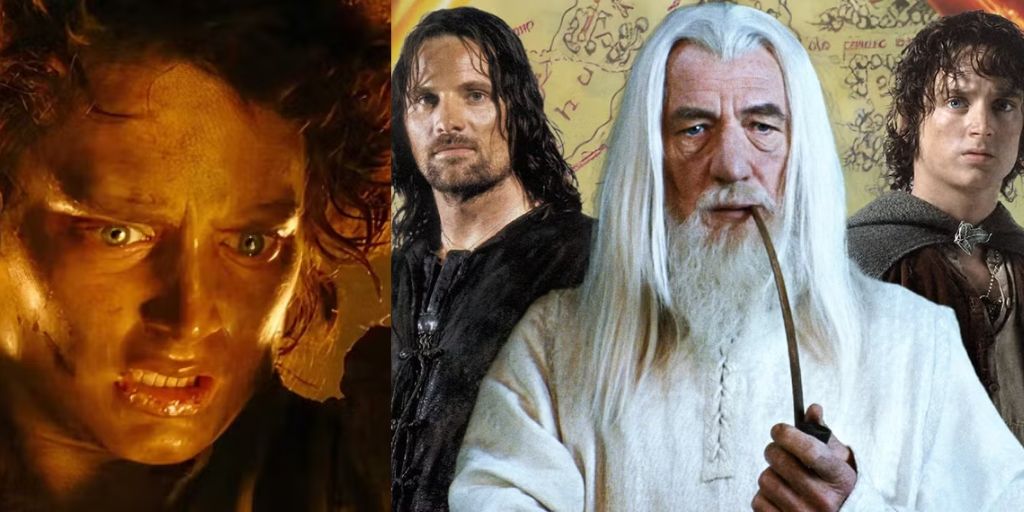
Other changes were made to add more depth to the characters. For instance, the character Arwen, played by Liv Tyler, faces more struggles about whether to stay with Aragorn. Gollum, played by Andy Serkis, ironically meets his end after fighting Frodo for the One Ring.
During their journey to Mount Doom, Sam becomes separated from Frodo. Additionally, Bilbo Baggins, played by Ian Holm, humorously forgets the events leading up to the discovery of the One Ring and his adventures with Gandalf, who is played by Ian McKellen.
While these changes did not stop The Lord of the Rings: The Return of the King from winning the Academy Award for Best Picture and making over $1 billion worldwide, they may have disappointed some hardcore fans of Tolkien’s work who wanted a more complete adaptation.
2. ‘The Lord of the Rings: The Fellowship of the Ring’ (2001) Directed by Peter Jackson
The Lord of the Rings: The Fellowship of the Ring is often considered the most straightforward film in Jackson’s trilogy.
Unlike the other two movies, it tells the story in the same order as it appears in the book. However, Jackson had to cut out a lot of background information that Tolkien took time to develop.
The film begins with an opening montage where Galadriel, played by Cate Blanchett, explains how Sauron first rose to power during the Second Age. She also explains how the One Ring escaped destruction when Isildur did not destroy it.
Jackson made some other important changes to the timeline. For example, he shortened the time between Frodo and Bilbo’s exits from the Shire.
The film also completely removes a part where Gandalf searches for Gollum before returning to Hobbiton.
In the movie, Bilbo’s obsession with the One Ring is more pronounced. This change highlights how the Ring has a corrupting influence.
In the film, when Bilbo uses his party trick of disappearing, it surprises everyone. In the book, both Gandalf and Frodo know about the trick and help Bilbo hide it.
Some fans were upset because the film cut out a significant part of the story between the Hobbits leaving the Shire and their first meeting with Aragorn, whom they know as “Strider” at the Prancing Pony inn. Many chapters that tell about their adventures in the woods were removed.
This may have been because Jackson wanted to keep the movie moving quickly so it would not drag. Even the Extended Edition could not include all the details from Tolkien’s longest novel.
One major character that fans missed was Tom Bombadil. He is a fan-favorite character with a significant role in Tolkien’s universe. Bombadil has a unique relationship with the magical creatures of the world, and fans have debated his importance for years.
In the film, Arwen is the one who saves Frodo after he is stabbed, which is a change from the book. She also leads directly to the Council of Elrond, which is a significant meeting of characters in the story.
Although some fans felt disappointed about the removal of certain moments for the sake of time, The Lord of the Rings: The Fellowship of the Ring had to appeal to both book fans and new viewers. In that way, it succeeded very well.
1. ‘The Lord of the Rings: The Two Towers’ (2002) Directed by Peter Jackson
The Lord of the Rings: The Two Towers is not a simple adaptation of the book. Instead, it cuts between two different storylines.
In Tolkien’s novel, one storyline follows Sam and Frodo as they travel to Mount Doom with Gollum as their guide. The other storyline follows Aragorn, Gimli, and Legolas as they gather forces and eventually reunite with Gandalf the White.
The film takes some creative liberties. For example, Aragorn’s near-death experience during the siege of the cliff does not happen in the book.
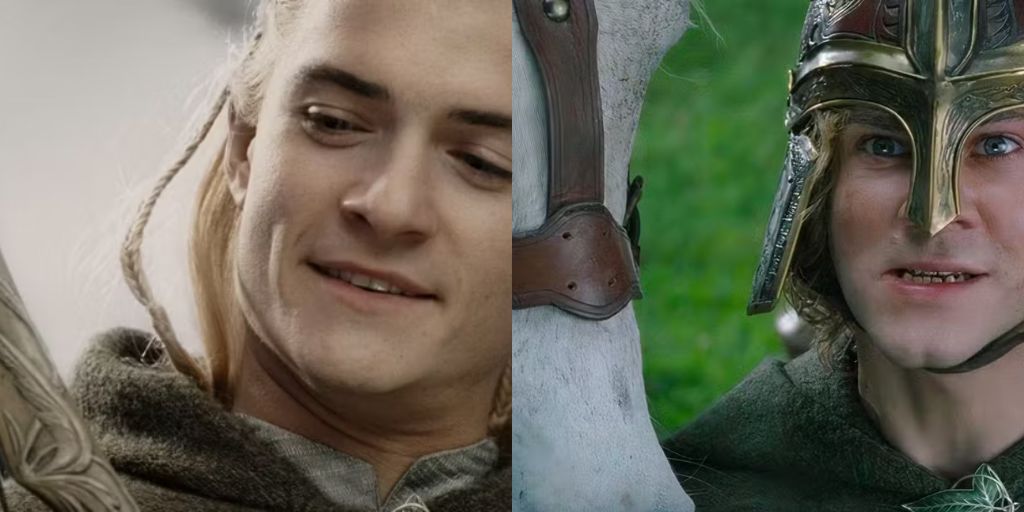
Eomer, played by Karl Urban, is also never banished as he is in the film. Additionally, Gimli’s jokes about dwarf women were taken from Tolkien’s appendices, found at the end of The Lord of the Rings: The Return of the King.
One important change was to increase the role of female characters. Tolkien’s novels do not have many female heroes, but the film gives more importance to Eowyn, played by Miranda Otto. Eowyn shows her knowledge about Aragorn’s true age, which adds depth to her character.
The Lord of the Rings: The Two Towers also deals with military strategy, a key part of the novel. It shows the differences in views between Aragorn and King Theoden, played by Bernard Hill, about how to protect innocent people.
One of the biggest character changes in The Two Towers is that of Faramir, the younger brother of Boromir, who is played by David Wenham.
The film shows the family issues that trouble the royal family of Gondor. In the movie, Faramir struggles with the decision to claim the One Ring for himself to gain his father King Denethor’s approval. In the book, Faramir does not command his men to attack Gollum and has much less conflict with Frodo.
Still from The Lord of the Rings (Credit: Prime Videos)
While some readers may not have liked these changes, the new character arc makes Faramir more engaging. He becomes a strong hero who rises above his family’s troubled legacy.
His leadership and the romantic relationship he develops with Eowyn are exciting aspects of The Lord of the Rings: The Two Towers.
The Importance of Adaptation
The success of The Lord of the Rings movies shows how important it is to adapt stories for different formats. Films are not the same as books.
A book can take many pages to describe a single moment, while a movie has only a few hours to tell a complete story. Because of this, filmmakers must make choices about what to keep and what to cut.
Changes made in The Lord of the Rings films are necessary to create a cohesive and engaging experience for viewers.
While some changes may upset fans of the books, they often help make the story clearer and more appealing to a wider audience.
For example, some characters and events from the books were cut because they did not fit into the movie’s pacing.
Other times, filmmakers added new characters or scenes to enhance the drama or excitement. These decisions are crucial in creating a film that can stand on its own while still paying homage to the source material.
Adapting stories like The Lord of the Rings involves balancing the original material with the needs of a film audience.
Filmmakers aim to create an enjoyable experience for those who are familiar with the books while also attracting new viewers who may not have read them.
The Legacy of The Lord of the Rings
The Lord of the Rings trilogy has left a significant mark on both film and literature. It has inspired countless filmmakers and writers since its release.
The way Peter Jackson brought Tolkien’s world to life changed how adaptations are made. The films combined stunning visuals, epic storytelling, and memorable performances, setting a new standard for fantasy films.
The trilogy also sparked a renewed interest in Tolkien’s works. Many people who watched the films felt encouraged to read the books for the first time. This phenomenon showed how powerful adaptations can be in introducing classic literature to new audiences.
In addition, The Lord of the Rings has inspired many other adaptations in film and television. Its success proved that fantasy stories can be commercially viable and critically acclaimed.
Many filmmakers now look to similar works to adapt, knowing that there is an audience for epic fantasy tales.
The films have also become a cultural touchstone, with many references to characters and events appearing in popular culture.
Quotes from the movies, like “One does not simply walk into Mordor,” have become well-known phrases that fans use in various contexts. The movies’ iconic imagery, such as the One Ring and the views of Middle-earth, are instantly recognizable even to those who have not seen the films.
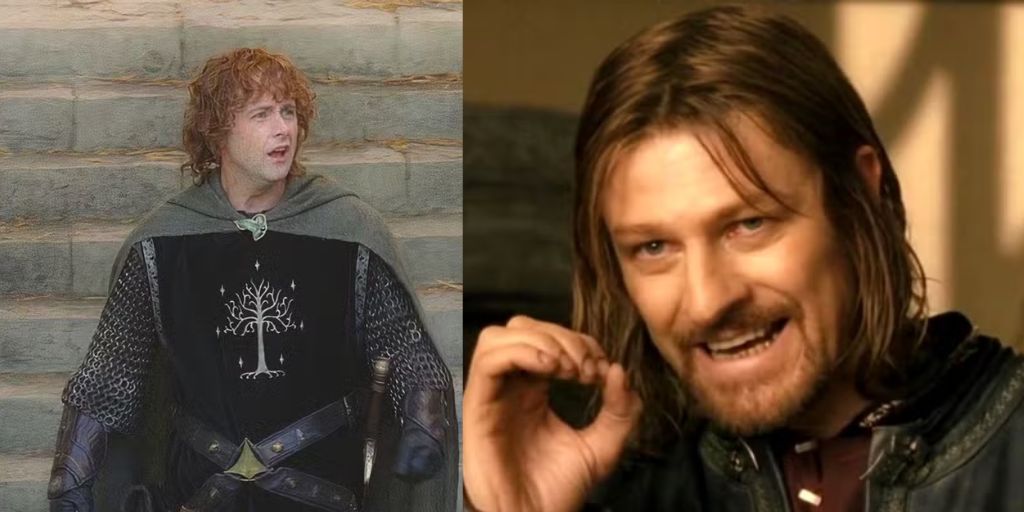
Still from The Lord of the Rings (Credit: Prime Videos)
The impact of The Lord of the Rings is evident in its numerous awards and nominations. The trilogy won a total of 17 Academy Awards, including Best Picture for The Return of the King.
These accolades showcase the films’ artistic and technical achievements, solidifying their place in cinema history.
The Lord of the Rings trilogy stands as a monumental achievement in filmmaking and storytelling. Despite the changes made in adapting Tolkien’s beloved works, the films successfully capture the essence of the original story. They bring to life the adventures, friendships, and battles that define Middle-earth.
Fans of the books may find themselves debating the choices made in the films, but the love for the story remains strong.
The trilogy invites audiences to experience a world full of wonder, bravery, and the timeless struggle between good and evil. With its rich characters and unforgettable moments, The Lord of the Rings will continue to resonate with viewers for generations to come.
