A controversial new bill introduced in Congress has sparked outrage among anime fans and civil rights advocates. The legislation, proposed by Representative Tom Saunders of Ohio, seeks to place an additional federal tax on anime streaming platforms, claiming they promote “foreign ideological influence” over American youth. The move was swiftly met with backlash from online communities and digital rights organizations.
Supporters of the bill argue the measure is designed to “preserve American culture,” alleging that Japanese animation indoctrinates viewers with values that conflict with U.S. traditions. During a press conference, Saunders said anime is “a form of cultural infiltration masquerading as entertainment,” pointing to shows like Attack on Titan and Death Note as examples of media that “warp moral perception.” His statement on the proposal quickly went viral.
Cultural Protection or Targeted Censorship?

Blue Box anime New Poster (Credits: TMS Entertainment)
The proposed legislation would apply a 10% surcharge to any streaming service that offers more than 30% of its content from non-Western sources, with anime platforms being the clear targets. This tax would also affect digital purchases of anime-related films and series. Critics argue that the bill disguises censorship as cultural preservation, warning that the policy opens the door for broader content restrictions.
Digital rights organizations like the EFF (Electronic Frontier Foundation) have condemned the bill, calling it a direct attack on consumer freedom and international creative exchange. Anime fans across social media have organized petitions and letter-writing campaigns to urge lawmakers to reject the proposal, viewing it as a discriminatory move against a specific fandom and artistic style.
Fans and Industry Figures Push Back

Berserk Volume Cover (Credits: Young Anime Comics)
Prominent voice actors and anime influencers have spoken out against the tax, with some likening it to Cold War-era propaganda policies. Streaming services like Crunchyroll have yet to release an official statement but are reportedly consulting with legal teams about the potential implications. Fans warn that such a move could lead to reduced access and increased subscription costs for U.S. viewers.
Meanwhile, educators and pop culture analysts have defended anime’s positive impact, noting its value in promoting creativity, language learning, and cross-cultural understanding. They argue that targeting anime reflects outdated anxieties rather than actual societal threats. This debate is unfolding at a time when anime is more globally influential than ever, with major studios investing in international projects.
Future of the Bill Remains Uncertain
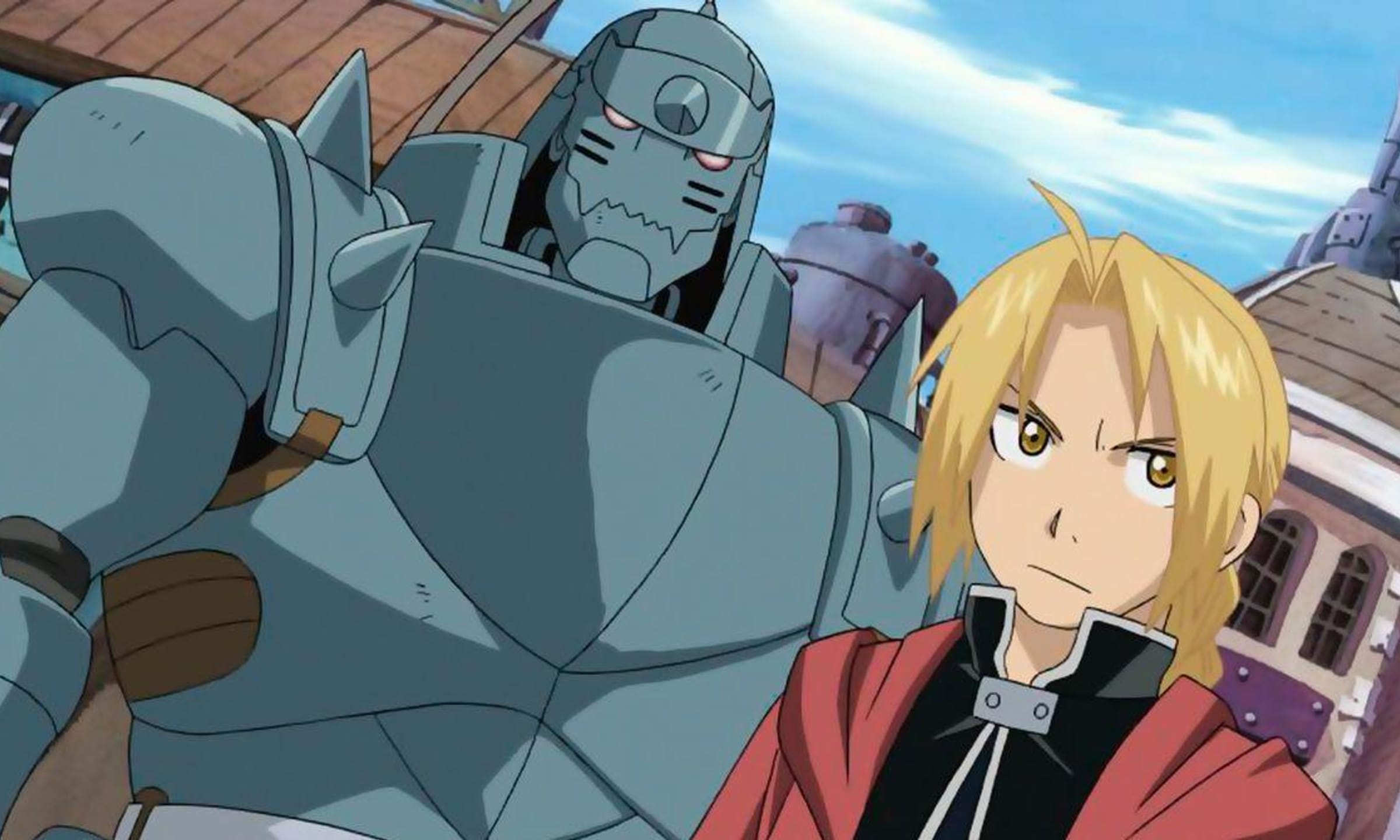
Fullmetal Alchemist Brotherhood fans after downvoting an anime (Credits: Bones)one piece
The proposed bill is expected to face strong opposition in Congress, especially from lawmakers representing districts with large anime fanbases and younger voters. Still, it has fueled renewed discussions about cultural identity and the role of international media in American life.
If passed, the bill could set a precedent for regulating foreign entertainment and spark legal challenges over freedom of expression. For now, anime lovers across the U.S. are bracing for what could become the most unexpected political fight of the year.
A controversial new study from a Tokyo-based social research firm has ignited fierce backlash online after claiming that anime fans, particularly those deeply immersed in fandom culture, experience significantly lower romantic success than non-fans. The study, published in Nippon.com’s behavioral trends section , surveyed over 3,000 participants aged 18–35 across Japan.
According to the researchers, those who self-identified as anime enthusiasts reported fewer long-term romantic relationships and more instances of social withdrawal. The study suggested that deep engagement with fictional characters may substitute for real-world intimacy, particularly among young men, thereby impacting dating opportunities and communication skills.
Fans Fight Back Against Stereotypes
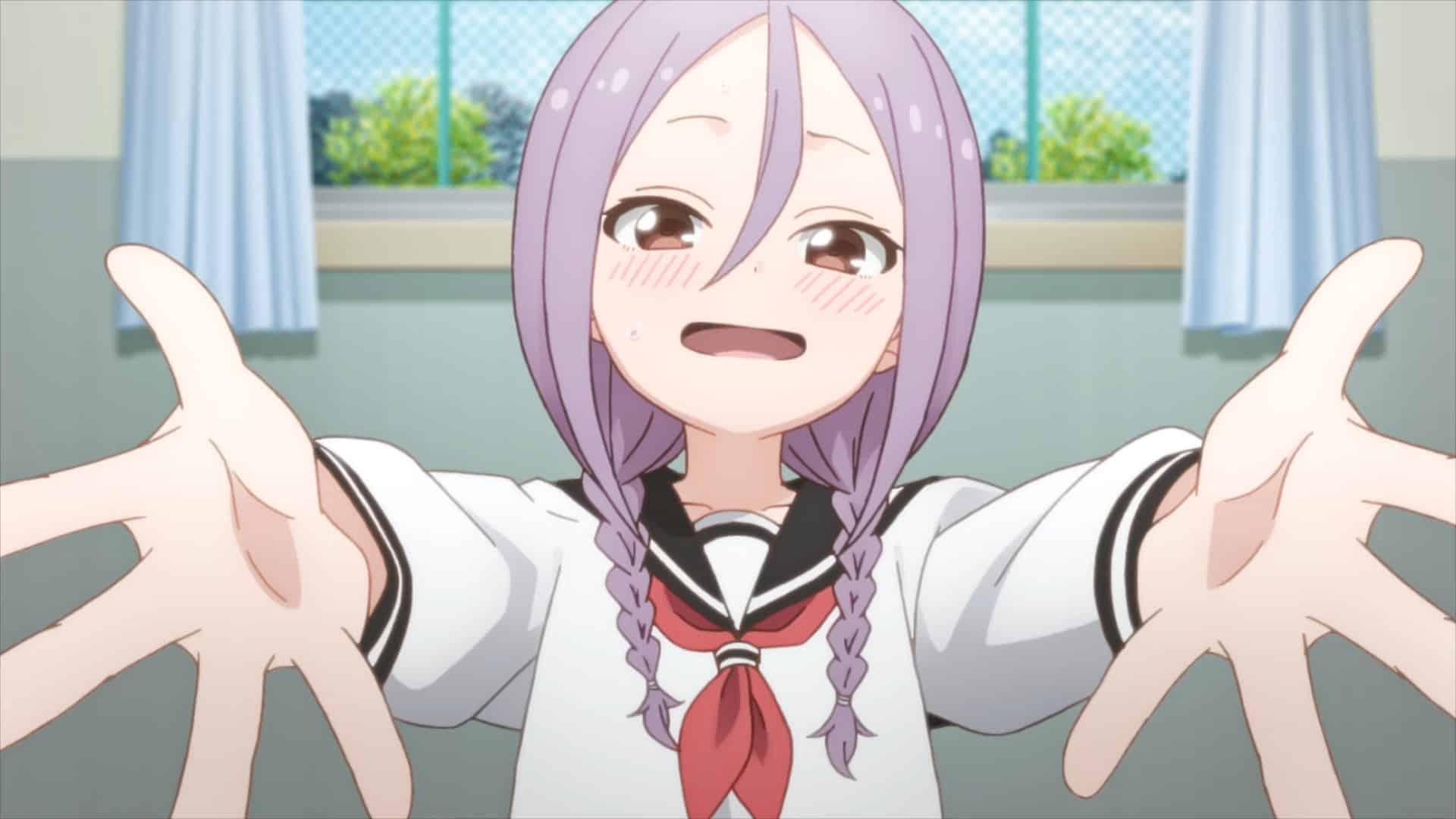
Urushi | Anime (Credits: Sliver Link)
Anime communities across platforms like Reddit and X (formerly Twitter) have condemned the study as judgmental and disconnected from reality. Users shared stories of thriving relationships while being die-hard fans, with one post going viral for calling the research “just another lazy attempt to paint otaku as broken.” Critics also questioned the study’s methodology, pointing out it didn’t account for socioeconomic or cultural factors.
The backlash echoes past incidents where anime was used as a scapegoat for social issues. As one user noted, “Nobody says football fans are emotionally unavailable just because they’re passionate about something. Why always anime?” The argument points to a deeper frustration among fans over recurring stigma.
Experts Urge Nuance in Interpretation

One Piece (Credits: Toei Animation)
Psychologists have weighed in, emphasizing the need for context. Dr. Aya Nishikawa, a cultural psychologist at Osaka University, warned against oversimplifying the data. “Correlation does not imply causation,” she explained. “Many fans turn to anime because they struggle socially, not the other way around. For some, anime is a refuge—not the cause of isolation.”
Dr. Nishikawa also noted that parasocial relationships, where individuals form attachments to fictional characters, aren’t exclusive to anime and exist across pop culture, including Western media. She encouraged public discourse that avoids pathologizing fandoms and instead looks at broader social structures influencing relationship dynamics.
Ongoing Debate Reflects Cultural Divide
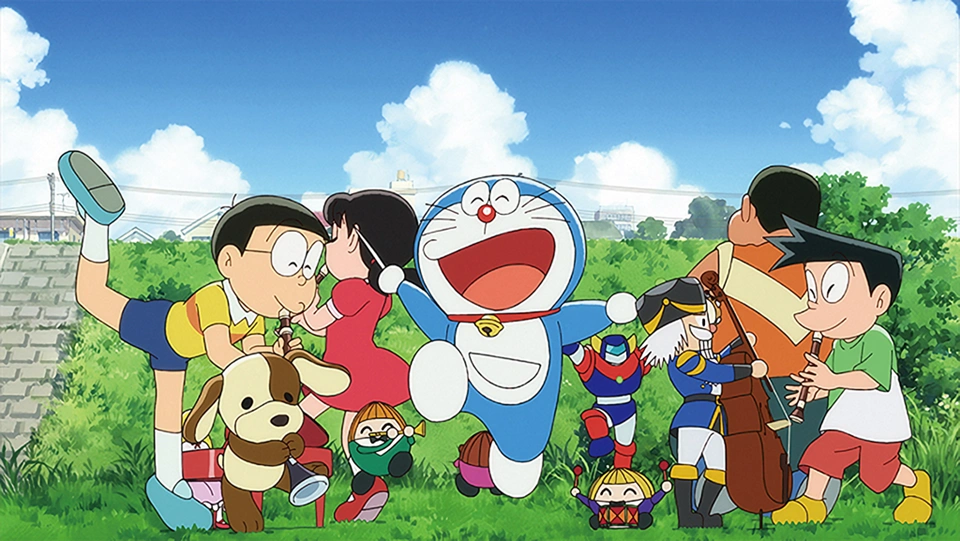
Doraemon’s 43rd Anime Feature Film (Credits: Shin-Ei)
The incident reignites broader tensions between mainstream norms and subcultures in Japan and abroad. As anime becomes more global, fans argue that clinging to outdated stereotypes risks alienating a vibrant and diverse community. While some see fandom as a red flag, others celebrate it as a creative and deeply human way to connect.
Whether the study gains wider acceptance or is dismissed as elitist junk science remains to be seen. But one thing is certain: the conversation it sparked has only made anime fans more determined to defend their identity and challenge assumptions.
