Recent warnings issued by U.S. police departments have stirred national concern, as authorities claim that anime may be a gateway to extremist ideologies. The warnings, directed primarily at parents, suggest that certain online anime fandoms could be recruiting grounds for radical groups. The fears center around the idea that the themes of rebellion, justice, and defiance present in some anime series could appeal to vulnerable individuals seeking a sense of belonging or purpose.
The statement has sparked intense debate across the country, with critics calling the alarmism unwarranted. Anime, a form of entertainment beloved by millions, has always been a target of scrutiny due to its vibrant fan culture and diverse themes. However, police claims that some anime communities are a breeding ground for extremism have raised alarms about the potential for censorship or overreach in policing online spaces.
Anime’s Role in Fandom and Identity Formation

One Piece, Blue Lock, Jujutsu Kaisen (Credits: Shueisha and Kodansha)
According to NBC News , police warnings highlight the idea that certain anime genres, such as those involving anarchism, rebellion, and anti-authoritarianism, might appeal to individuals already at risk of radicalization. They caution that online forums and social media platforms associated with these anime fandoms can sometimes serve as breeding grounds for radical ideologies.
However, fans and defenders of anime argue that this characterization is grossly exaggerated. Anime, like any form of media, attracts a wide variety of viewers, many of whom are simply drawn to the unique storytelling and artistic style rather than any political or ideological message. Critics of the police warnings argue that demonizing anime could lead to the unjust marginalization of an entire subculture, particularly when the vast majority of anime fans engage with the medium as a form of entertainment and personal expression.
The Backlash and the Future of Anime Fandom

One Piece, Blue Lock, Jujutsu Kaisen (Credits: Shueisha and Kodansha)
In response to the warnings, anime communities have rallied to defend their space, stressing the importance of creative freedom and self-expression. Many fans have taken to social media, using hashtags like #AnimeIsNotExtremism and #StopTheHate to challenge the notion that anime is inherently linked to dangerous ideologies. These movements argue that scapegoating anime could distract from the deeper issues of radicalization and ignore the more complex factors that contribute to such behaviors.
Meanwhile, parents are left grappling with how to address their children’s media consumption in an age where online spaces are constantly evolving. With extremist groups finding various ways to reach vulnerable audiences, questions surrounding media responsibility, censorship, and freedom of expression are only becoming more complicated.
In a controversial move, France has enacted new legislation targeting risqué cosplay costumes in public spaces. The law, which criminalizes “indecent exposure” by cosplayers, has sparked backlash from the cosplay community, who argue that their creativity and self-expression are being unfairly restricted. The law specifically targets anime-inspired outfits that feature scantily clad characters, claiming that cartoon depictions do not justify revealing clothing in public settings.
While France has long been known for its progressive stance on individual expression, this new legislation represents a crackdown on what some lawmakers see as inappropriate behavior. The law’s proponents argue that cosplay can sometimes cross the line into indecency, especially when anime characters, who often wear revealing outfits, are depicted in real life. The move has raised significant concerns among both cosplayers and free speech advocates, who warn that it could have broader implications for artistic expression and personal freedoms.
The Debate Over Creative Freedom and Public Decency
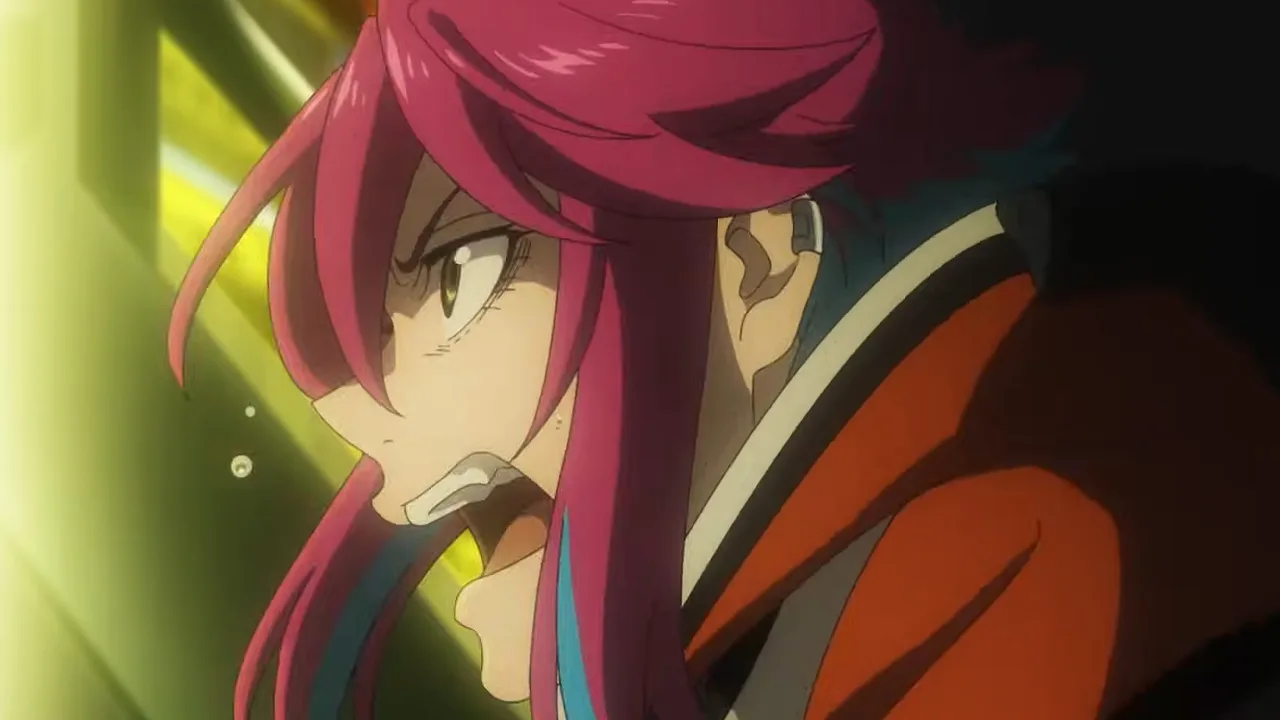
Moonrise
The law has reignited debates over the balance between personal freedom and public decency. Critics argue that cosplayers, who often spend hours crafting their costumes, should not be punished for their artistic choices. Many have pointed out that the law could lead to widespread censorship of cosplay and stifle the creative expression of an entire subculture. Additionally, they contend that the focus on cosplay may distract from more pressing issues surrounding public decency and safety.
On the other hand, supporters of the law argue that public spaces should maintain certain standards of decency. They believe that while cosplay is a legitimate form of artistic expression, there should be limitations on how much skin can be exposed in public spaces. These individuals argue that such costumes could send inappropriate messages to minors and create an uncomfortable environment in public places.
Cosplay Community’s Response and Future Outlook
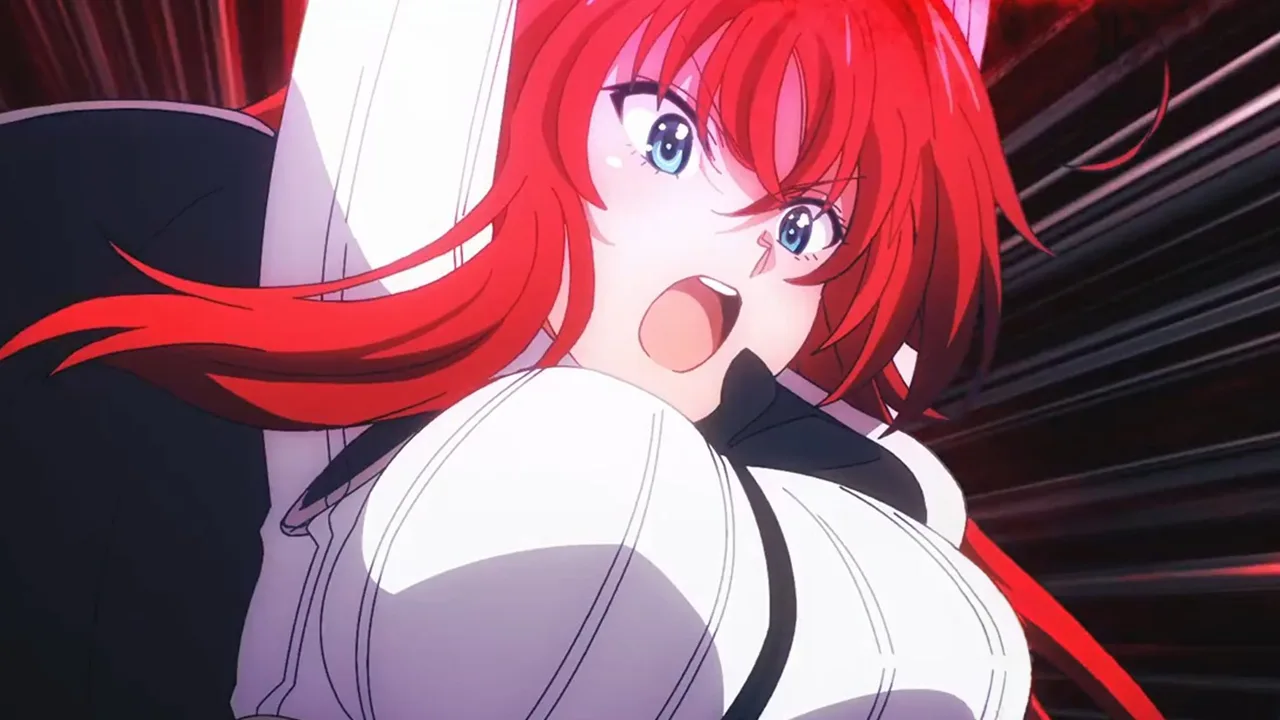
High School DxD
In response to the legislation, the cosplay community has rallied against what they see as an infringement on their rights. Cosplay events, particularly in major cities like Paris, attract thousands of attendees who dress up as their favorite anime, manga, and video game characters. The new law threatens to disrupt these gatherings, with some cosplayers fearing they could face legal action simply for wearing their costumes. Social media platforms have seen an outpouring of support for the cosplay community, with fans calling for the law to be overturned.
Legal experts are already speculating that the law could face challenges in the courts, as it potentially violates fundamental freedoms of expression and creativity. As the controversy continues to unfold, it remains to be seen whether the law will be amended or struck down altogether.
