A recent proposal from a U.S. senator has sparked controversy as he called for an investigation into anime streaming platforms, specifically Crunchyroll and HIDIVE, for distributing ecchi content without sufficient age verification measures. These platforms have been accused of failing to implement effective controls to prevent minors from accessing explicit material. This move has ignited a larger debate over the regulation of anime content.
Despite the availability of parental controls on platforms like Crunchyroll, which allows users to restrict access to mature content, concerns continue to rise about their effectiveness. Even with content filters in place, some critics argue that underage viewers can still easily access adult-themed anime without proper age checks. This ongoing issue underscores the complexities of regulating online content, especially in the realm of anime, where genres like ecchi are widely popular.
The Role of Parental Controls and Age Verification
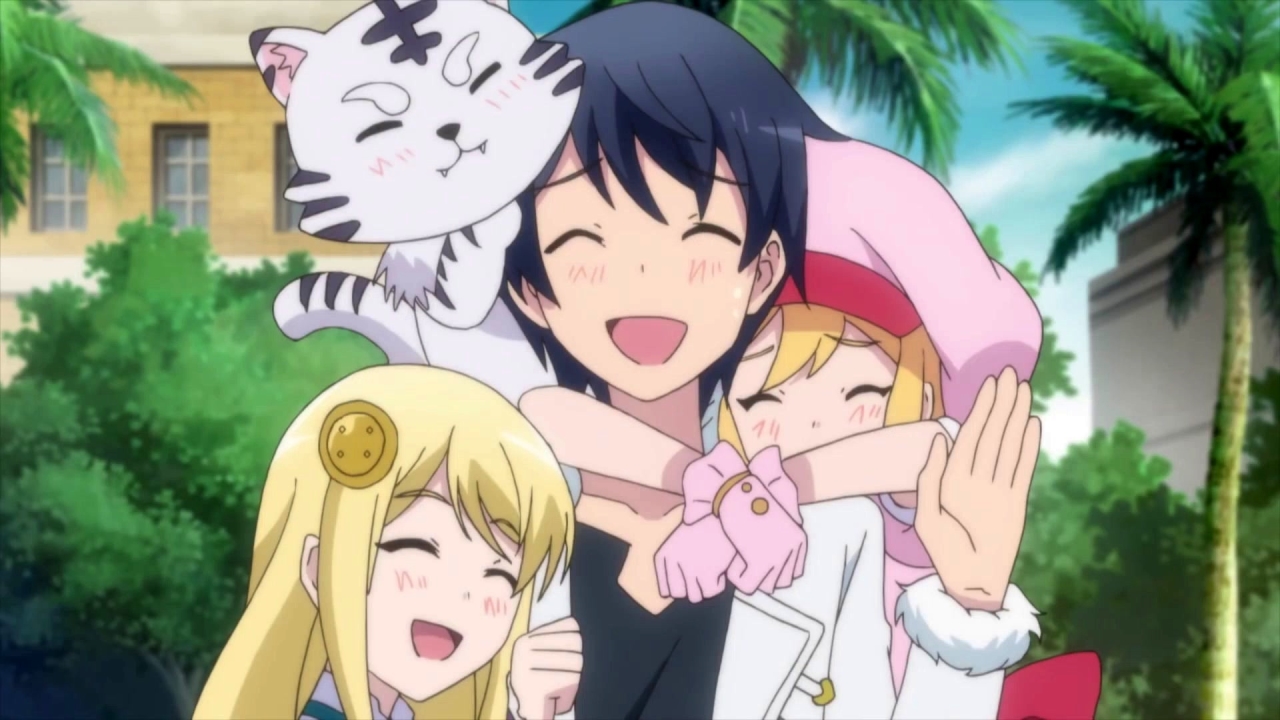
In Another World With My Smartphone (Credits: Crunchyroll)
Crunchyroll offers a set of parental controls to help prevent minors from watching explicit content, including the ability to restrict mature-rated anime titles. However, there are concerns about how well these features work in practice, with some critics claiming that the age-restriction tools are not foolproof. Similarly, HIDIVE has implemented parental control settings to manage content visibility, but questions about the system’s rigor persist.
Debate Over Regulation and Creative Freedom
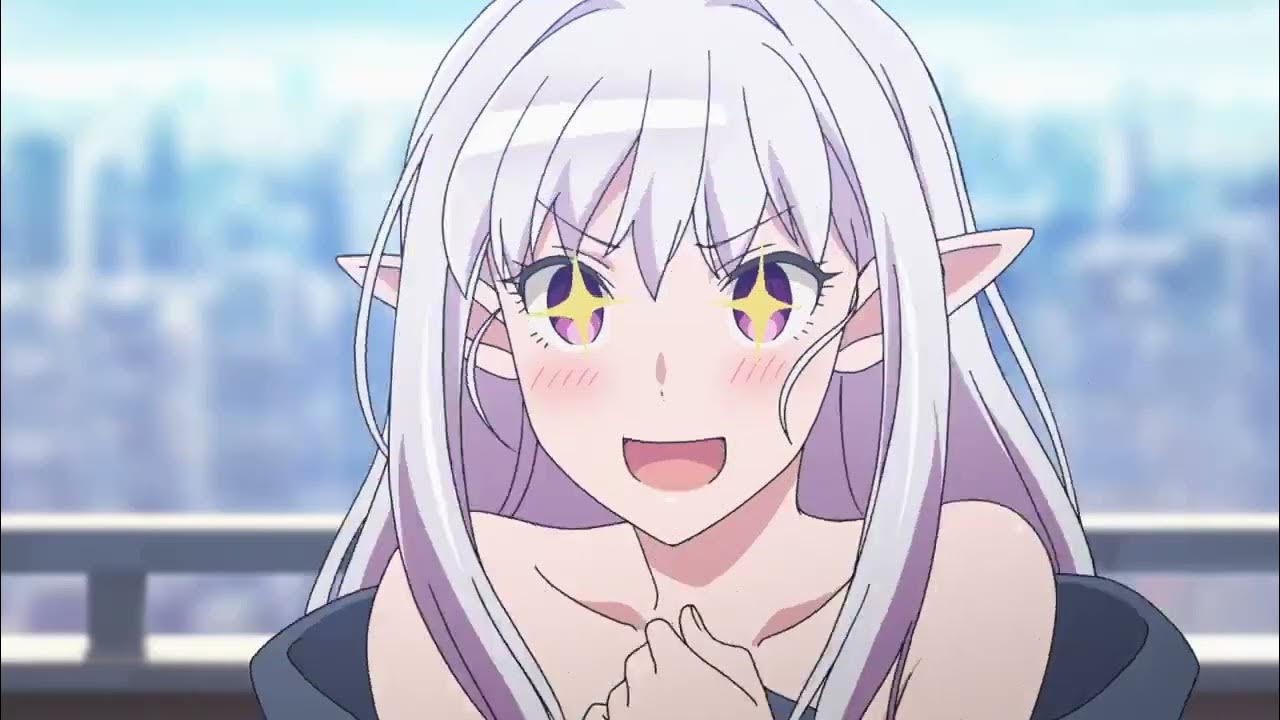
Welcome to Japan, Ms. Elf! Anime (Crunchyroll)
This controversy brings up broader discussions about the balance between protecting young viewers and respecting the artistic freedom of anime creators. While anime often portrays diverse and complex themes, including ecchi, it also faces scrutiny due to its accessibility to a global audience, including children and teens. The senator’s call for investigation places the onus on streaming services to ensure that they do not inadvertently expose minors to inappropriate material.
As streaming platforms like Crunchyroll and HIDIVE continue to grow in popularity, especially among younger audiences, the debate over content regulation will likely persist. Both the entertainment industry and lawmakers must work together to find a middle ground that protects viewers without restricting creative expression.
In a significant move, the Chinese government has banned 29 anime series, including the highly popular Attack on Titan , claiming that these series “glorify rebellion” and promote “foreign influence.” The decision is part of a broader crackdown on media content that the government deems inappropriate or dangerous to national morals. This ban follows China’s increasing efforts to control the types of media that can be consumed by its citizens, particularly content from foreign sources.
The series blacklisted by the Chinese authorities include some of the most famous anime worldwide, such as Attack on Titan , Tokyo Ghoul , and The Promised Neverland . These shows have been accused of presenting violent themes, challenging authority, and undermining traditional values. Critics argue that such series may influence younger generations in ways that conflict with the country’s official ideologies and cultural norms. As part of the government’s push for cultural conformity, China continues to prioritize content that promotes patriotism and aligns with its social and political objectives.
Media Control and Censorship in China
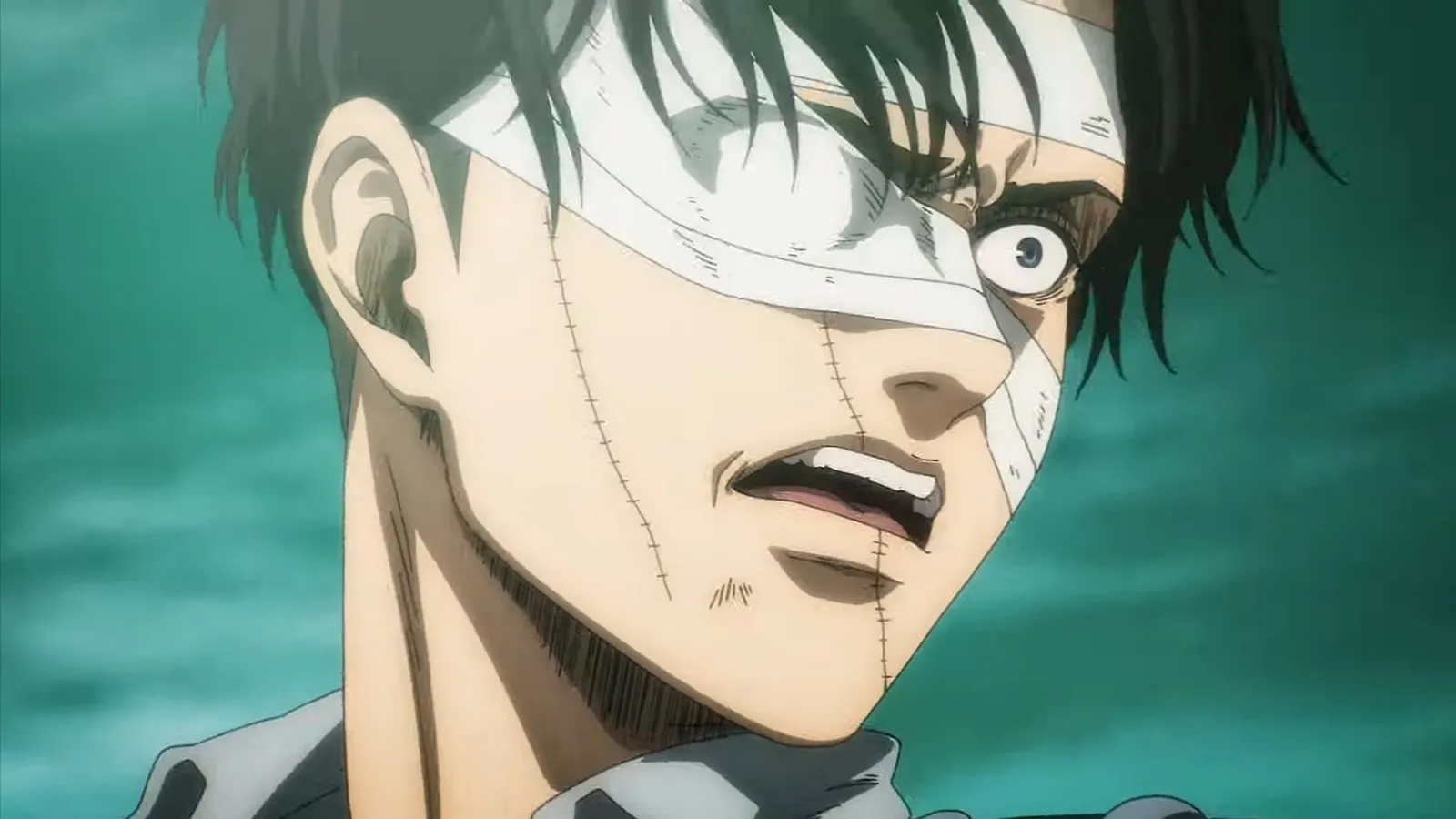
Attack on Titan Final Season Part 3 Part 2 (Credits: Mappa)
China’s control over media and entertainment is not new. The government has long maintained strict oversight of television, film, and online content, with particular emphasis on regulating foreign material. This latest ban on anime highlights how the government is expanding its reach into digital platforms, where anime has seen a rapid rise in popularity. Streaming services like Bilibili and Tencent Video, which have become go-to platforms for anime fans in China, are now tasked with adhering to increasingly stringent content regulations.
The censorship of anime also aligns with China’s broader strategy of controlling how the younger generation engages with media. Officials have raised concerns about the impact of foreign culture on Chinese youth, viewing it as a potential destabilizing force. By limiting access to popular international media, the government aims to protect its cultural identity and prevent the spread of ideas that it deems harmful or subversive. The move is a clear signal that China is willing to exert more power over both the content and the platforms that distribute it.
Global Reactions and Impact on International Markets
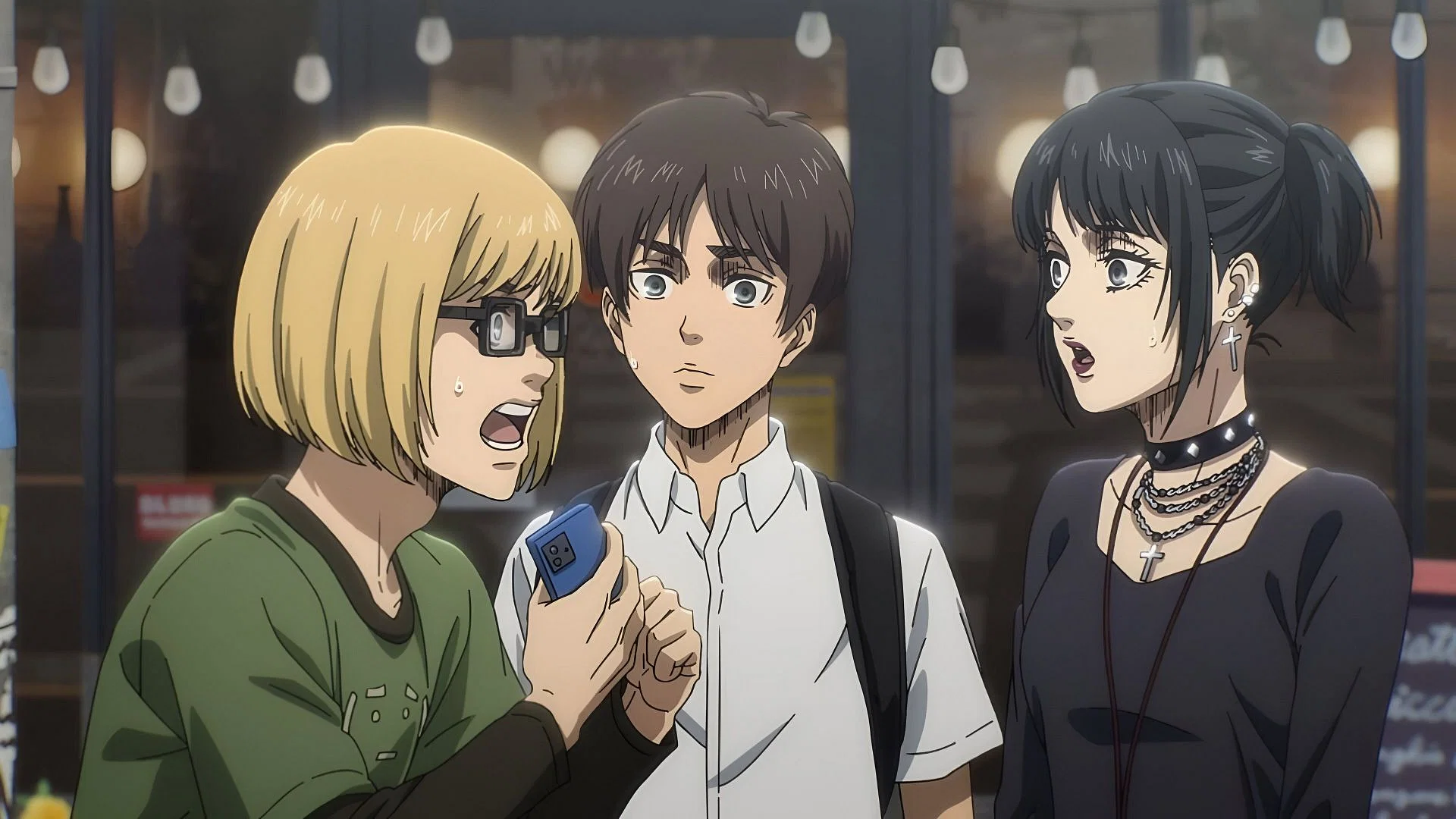
Attack On Titan post credit scene (Mappa)
The ban has sparked outrage among international fans, who view the censorship of anime as an infringement on artistic freedom and creative expression. Many have criticized the Chinese government for its heavy-handed approach, particularly in light of the popularity of anime across the globe. Fans of Attack on Titan and other banned series are upset that content they love will no longer be available in the region.
At the same time, the ban raises important questions about how censorship affects the global media landscape. As anime continues to grow in popularity outside of Japan, the ability of governments to restrict access to international content is becoming a major issue. While some argue that China has the right to regulate content within its borders, others believe that the move represents a dangerous trend toward cultural isolationism and government control over entertainment.
