I understand that not everyone might agree with my opinion, but I’m not a huge fan of the Venom movies. These films were a big success, and because of that, they opened the door for other poorly thought-out projects like Morbius and Madame Web.
But the problem starts even earlier, with the whole concept of a Venom movie that doesn’t first establish Spider-Man. As a fan of comic books, it’s hard to ignore this misstep.
Venom’s entire purpose as a character is to be the opposite of Peter Parker, a darker and more dangerous version of Spider-Man.
That’s why he’s called Venom—he’s the poisonous side of the superhero world, connected to the idea of spiders and their venom. Without Spider-Man, Venom’s origin just doesn’t make much sense.
The first Venom movie, which came out in 2018, was a huge missed opportunity. It didn’t do nearly enough to make the audience care about Eddie Brock, the human who bonds with the alien symbiote, or the symbiote itself.
Tom Hardy played Eddie Brock, and while Hardy is a talented actor, the script just didn’t give him enough to work with. The movie tried to be fun and engaging, but it fell short, leaving fans with a film that felt like a watered-down version of what could have been. Still, it made a lot of money, so a sequel was inevitable.
The second movie, Venom: Let There Be Carnage, was a small improvement over the first, but not because it was necessarily a better movie. It was just so silly that it ended up being entertaining, even though it didn’t make much sense.
The film leaned into the absurdity, and that made it somewhat enjoyable in a “so bad, it’s good” kind of way. The humor was more on point, and the action was bigger and louder, but the story still left a lot to be desired.
Now we have Venom: The Last Dance, the third and final movie in the trilogy. It manages to start off strong, giving us the best version of Eddie Brock and Venom that we’ve seen so far.
But as the movie goes on, it gets bogged down by too many issues that take away from the positive aspects of the film. In the end, while it’s probably the best of the three, it still feels like a bit of a mess.
The Plot of Venom: The Last Dance
The movie picks up right after the post-credits scene of Spider-Man: No Way Home, which teased Venom’s involvement in the multiverse. Oddly enough, though, Venom: The Last Dance decides to completely reshoot that scene for some reason, which feels unnecessary and confusing.
Now back in their own universe, Eddie and Venom are on the run from the law. They’re also being hunted by a secret black ops organization that wants to capture Venom for their own purposes. On top of that, a powerful new villain named Knull, the creator of the symbiote race, has sent a group of deadly creatures called Xenophages to track down and kill Venom.
The premise sets up an action-packed story with plenty of room for excitement. Venom is still adjusting to life with Eddie, and their dynamic is one of the highlights of the film. They bicker and argue like an old married couple, but underneath the banter, there’s a genuine bond that’s grown over the course of the trilogy.
This time around, their relationship feels more natural, and the humor lands better than in the previous films. Tom Hardy, who co-wrote the movie, clearly has a lot of love for the character of Venom, and that passion shines through in his performance.
Tom Hardy Shines in His Dual Role
One thing I can’t criticize is Tom Hardy’s dedication to his role as both Eddie Brock and Venom. He plays both characters with a level of commitment that shows how much he cares about bringing them to life on screen.
Even in the weaker moments of the trilogy, Hardy has always been a bright spot, and Venom: The Last Dance is no exception. He fully embraces the weirdness of the character, and it’s clear that he’s having fun with it.
The movie does a better job than its predecessors in making Eddie and Venom more likeable anti-heroes. They aren’t full-on villains, but they aren’t your typical superheroes either. Their moral compass is a bit skewed, and they don’t always do the right thing for the right reasons.
But that’s part of what makes them interesting to watch. This time, their banter is sharper, and the film is easily the funniest of the three. There are even some surprisingly emotional moments between Eddie and Venom that work well despite the absurd situations they find themselves in.
The action scenes also stand out in this film. Venom: The Last Dance has the best action sequences in the trilogy by far. The first major fight scene, where Eddie and Venom take on a group of low-level criminals, is a highlight.
It makes great use of both Eddie’s human skills and Venom’s alien abilities, creating a dynamic and exciting fight that shows how well they work together.
Later in the film, there’s a thrilling chase sequence where Venom takes control of several animals, which adds a creative twist to the usual superhero chase scene. And of course, the final battle is filled with impressive visuals and unique imagery that make it stand out from the typical third-act fight in superhero movies.
Weak Subplots and Forgettable Side Characters
Despite these strong points, Venom: The Last Dance stumbles in several areas, particularly when it comes to its subplots and side characters. The movie introduces a secretive military organization that’s hunting Venom, led by a character named Rex Strickland, played by Chiwetel Ejiofor.
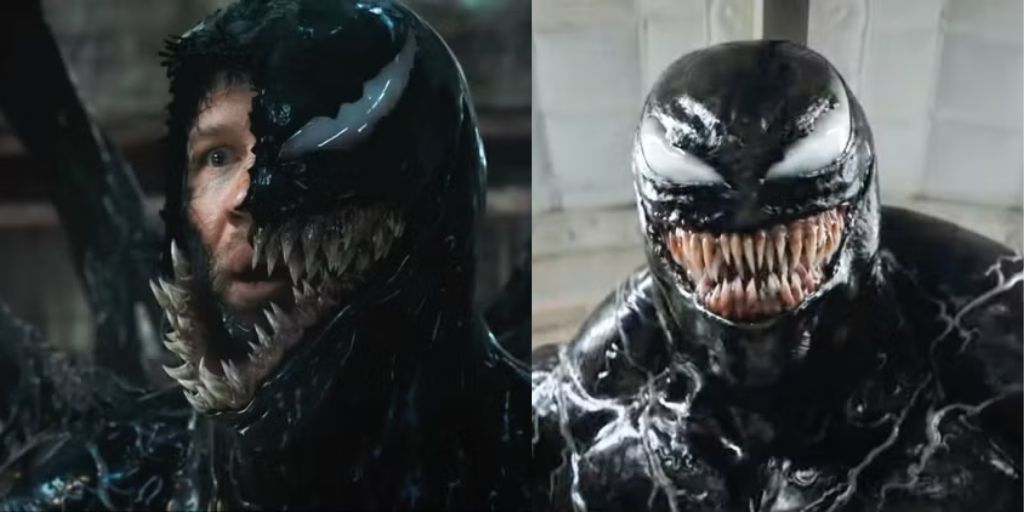
Still from Venom The Last Dance (Credit: Sony)
There are also two scientists, Dr. Payne (played by Juno Temple) and Dr. Sadie (played by Clark Backo), who are working for the military. While the movie tries to give these new characters some depth, their stories just aren’t interesting enough to hold the audience’s attention.
Rex Strickland is supposed to be a formidable opponent for Eddie and Venom, but his character feels underdeveloped. Chiwetel Ejiofor is a talented actor, but he doesn’t have much to work with here. The same goes for Juno Temple and Clark Backo, whose characters are both given quirky personality traits that don’t add much to the story.
One of them is obsessed with Christmas for no apparent reason, which feels like an attempt at humor that doesn’t quite land. These side plots take up far too much screen time, pulling focus away from the more engaging parts of the film.
Knull, the movie’s supposed big bad, also falls flat. Played by a talented actor, Knull should have been a more imposing and mysterious figure. Instead, the film reveals too much about him too soon, turning what could have been a menacing villain into a marketing tool to sell more tickets.
Knull’s presence in the film feels more like an afterthought than a fully realized threat. He’s introduced as the creator of the symbiotes and is supposed to be this all-powerful being, but the movie doesn’t give him enough to do. As a result, he doesn’t leave much of an impression.
The real villains of the movie are the Xenophages, a group of powerful, monstrous creatures sent by Knull to hunt down Venom. These creatures are terrifying in their brutality, especially for a PG-13 movie, and the way they kill their victims is shockingly violent.
However, they lack any real personality or motivation beyond their desire to destroy, which makes them less interesting than they could have been. They serve their purpose as physical threats, but they don’t add much to the story beyond that.
Plot Holes and Inconsistencies Weaken the Story
Another major issue with Venom: The Last Dance is the number of plot holes and inconsistencies that plague the story. The Xenophages, for example, are incredibly inconsistent in how dangerous they are.
In one scene, they’re inches away from killing Eddie and Venom, but in the next, they seem to forget about them entirely. The movie can’t seem to decide how powerful they should be, which makes the stakes feel less real.
This inconsistency extends to other aspects of the film as well. Certain plot points contradict ideas that were introduced in the previous films, creating a sense of confusion and disorganization.
It feels like the movie is constantly rewriting its own rules, which makes it hard to stay invested in the story. The Venom trilogy as a whole has struggled with continuity, but The Last Dance takes it to another level, making it difficult to follow the logic of the world the filmmakers have created.
Ironically, the fact that Venom: The Last Dance is the most inconsistent movie in the trilogy is perhaps the most consistent thing about the series as a whole.
These movies have always been a mix of highs and lows, with moments of brilliance followed by frustrating missteps. Venom as a character has always existed in this gray area between hero and villain, between serious and silly, and the movies reflect that in their unevenness.
Final Thoughts on the Venom Trilogy
So, is Venom: The Last Dance the best movie in the trilogy? I would say yes, despite its many flaws. It’s the most entertaining of the three, with better action scenes, funnier dialogue, and a stronger portrayal of Eddie and Venom’s relationship. There’s a lot to enjoy here if you’re willing to overlook the weaker parts of the film.
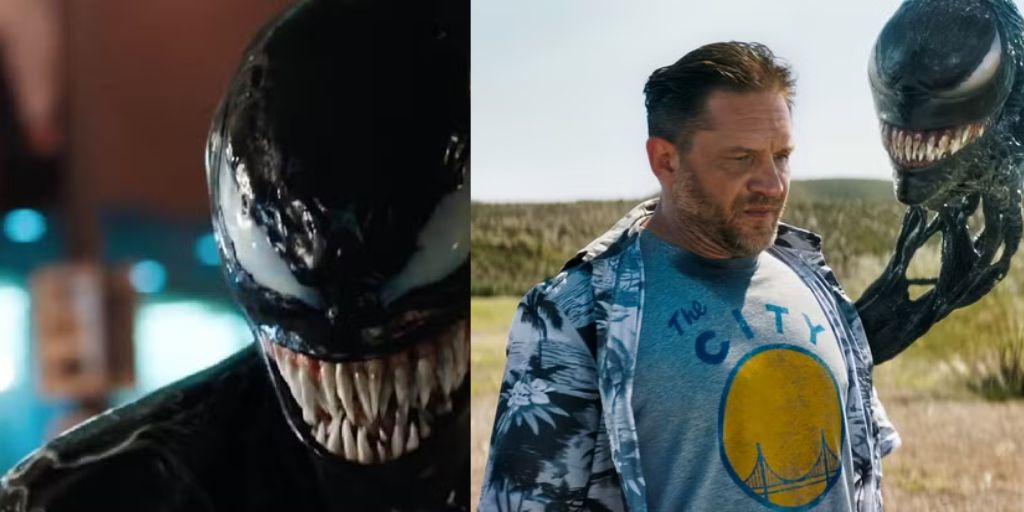
Still from Venom The Last Dance (Credit: Sony)
But at the end of the day, the Venom movies still feel like a missed opportunity. They never quite managed to live up to the potential of the character, and while The Last Dance is an improvement, it’s still not enough to make the trilogy truly memorable.
These films are like that kid on the little league baseball team who wins the “Most Improved” trophy. You appreciate their effort and can see that they’ve gotten better, but you know they’re probably not going to make it to the big leagues.
Venom: The Last Dance is a fun ride for fans of the character, but it’s unlikely to leave a lasting impression. With Sony continuing to expand its own universe of Spider-Man-related characters, it’s hard to say what the future holds for Venom.
But one thing is for sure: as long as Tom Hardy is involved, the character will continue to have a passionate and dedicated fan base.
Agatha All Along’s latest episode is very satisfying in many ways. The newest episode of Marvel’s Disney Plus series confirms that Joe Locke’s character, Teen, is a comic-accurate version of Billy Maximoff. It also gives us one of the best origin stories in the MCU so far.
Plus, there is a surprise appearance by Evan Peters’ character, Ralph Bohner, from WandaVision. Episode 6, titled “Familiar By Thy Side,” is the most memorable episode of the series yet.
Thankfully, Episode 6 does not slow down the series’ pacing by spending all its time on backstory. The most rewarding moment comes when we finally see the aftermath of Billy’s rampage on the Witches’ Road from Episode 5.
This week’s episode starts in an unexpected place for a series about witchcraft. It opens with William Kaplan’s Bar Mitzvah on his thirteenth birthday.
This moment quickly shifts to William’s tragic death in a car crash. After his death, his spirit is possessed by Billy’s spirit from nearby Westview.
The episode skillfully connects the lost boy’s background to the other members of Agatha All Along’s main coven. It also provides Billy’s perspective from the early episodes of the series. Once the story catches back up with Agatha (Kathryn Hahn), we see her struggling to get out of the mud where Billy left her at the end of Episode 5.
They have a chance to confront the truth about Billy. The events in “Familiar By Thy Side” show that Agatha is the perfect mentor for Joe Locke’s long-lost Maximoff character in the series.
Agatha and Billy’s Connection
In Episode 6, Agatha can relate to Billy’s journey as a witch more than anyone else. As the son of the witch who cursed Agatha to live out her Mare of Easttown-style fantasies for three years after WandaVision, Agatha’s reunion with Billy is surprising.
She does not seem to hold any grudges against him. While she teases Billy for his past lies and mocks him for searching for his brother, Agatha also seems genuinely impressed by Billy’s ability to survive the destruction of Westview’s hex.
Her passionate speech about what it means to be a witch highlights the similarities between their stories. This shows that Agatha understands what Billy has been through better than anyone else in Agatha All Along.
Hahn delivers her speech with emotion and tears, making it clear that her words come from a sincere place. Agatha All Along gives us many reasons to see why. Episode 6 shows how Billy escaped death through morally questionable actions, such as taking over a stranger’s life.
Agatha’s past during the Salem Witch Trials involved her surviving by using her powers to kill her entire coven, including her mother. Although the show has not confirmed whether Agatha’s actions were intentional or out of desperation to escape execution, these deaths haunt her in Episode 5’s seance.
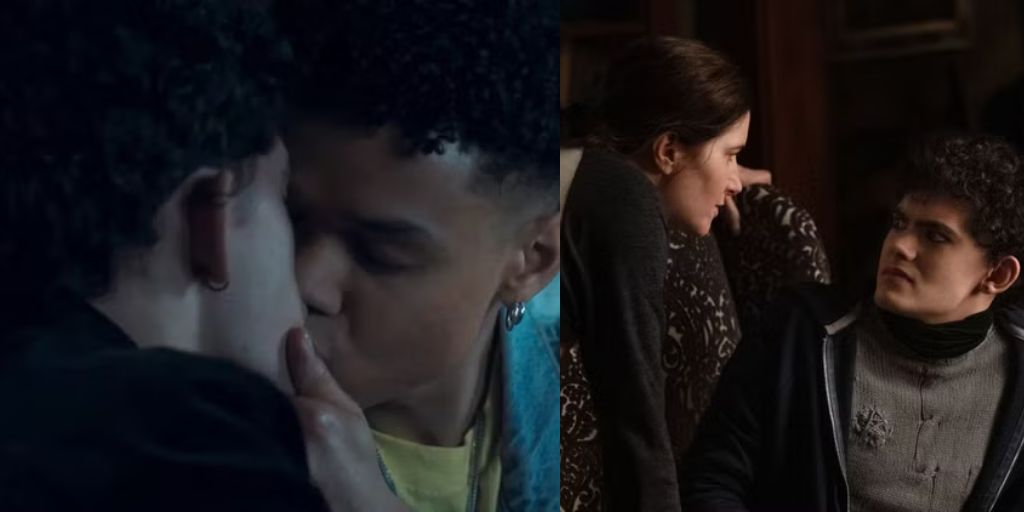
Still from Agatha All Along (Credit: Disney)
They are often cited as reasons why Agatha cannot be trusted. Yet, despite the stigma and shame connected to her survival, Agatha has managed to remain her same, delightfully unlikable self for centuries after her coven’s destruction. This proves that she can help guide Billy through his own mixed emotions.
Billy’s Struggles and Agatha’s Guidance
While Billy may take after Wanda (Elizabeth Olsen) in claiming a questionable sense of moral righteousness, Episodes 5 and 6 show that he is just as dangerous. He needs help with his magic. His emotional attack against his coven shows this clearly.
In addition, Billy’s inability to summon his powers against Agatha to prove he can walk the Witches’ Road alone demonstrates his need for an experienced witch to help him gain control. Agatha has had enough recent experience with feeling powerless.
Billy’s backstory also shows that Wanda’s son clearly looked up to Agatha at one point. He excitedly googled her name and trusted her to help him access the Witches’ Road through the song connected to it.
This connection suggests that the two could grow even closer if Billy takes the risk of placing his faith in Agatha again.
The episode goes into Billy’s past, revealing important details about his life. We see glimpses of his childhood, family, and the circumstances that led to his current state.
His longing for connection and acceptance is evident. As a young witch, he feels lost and uncertain about his identity. Agatha’s experience can guide him through these challenges. Her ability to empathize with him creates a strong bond between the two.
Comedy and Chemistry Between Agatha and Billy
Outside their reunion in the present, Episode 6 also shows Billy’s past. This further cements his connection to Agatha Harkness.
Their comedic scenes show that they operate on a similar chaotic wavelength. Billy’s perspective during Episode 1’s interrogation scene highlights their hilarious and offbeat energy.
The refreshing focus on Billy’s relationship with his boyfriend, Eddie (Miles Gutierrez), mirrors Agatha’s past relationship with Rio Vidal (Aubrey Plaza). This establishes both characters as positive examples of queer representation in a superhero universe that has often lacked LGBTQ+ presence.
While Agatha and Rio’s relationship anchors Agatha All Along as a whole, Billy’s relationship with Eddie offers a more personal way for Agatha to empathize with the complicated circumstances of Billy’s life.
One of the most heartwarming moments in Episode 6 is when Billy struggles to tell Eddie the truth about himself.
Despite the difficulty, Eddie accepts Billy for who he is. However, it still takes a moment for Eddie to feel comfortable meeting Ralph Bohner for information about the hex.
Agatha’s unresolved tension with Rio indicates a complex dating history. Therefore, she is the perfect person to help Billy show the tricky dynamics of dating as a witch. She could even serve as a queer mentor for Billy in a world where both identities face discrimination from religious puritans.
Themes of Acceptance and Support
As Agatha and Rio’s relationship grows in each episode, the three of them could conquer the Witches’ Road together.
This would offer the MCU’s most prominent example of a queer found-family trope within its largely traditional onscreen mythos.
Frequent mentions of Agatha’s biological son, Nicholas Scratch, and the unconfirmed rumor that she traded him for the Darkhold have already established that Agatha’s bond with Billy is partly shaped by maternal loss.
Episode 6 expands on the extent of their connection. Agatha’s speech about the Witches’ Road shows her empathy for Billy’s magical journey.
At the same time, Billy’s queer relationship offers another way for Agatha to guide him. This sets the stage for a heartwarming team-up if both characters can overcome their mutual distrust.
The episode effectively illustrates the personal growth of both characters. Billy learns to embrace his identity as a witch and to confront the challenges he faces. Agatha, on the other hand, grows through her interactions with Billy and the lessons they share.
Together, they represent the importance of understanding and support in the journey of self-discovery.
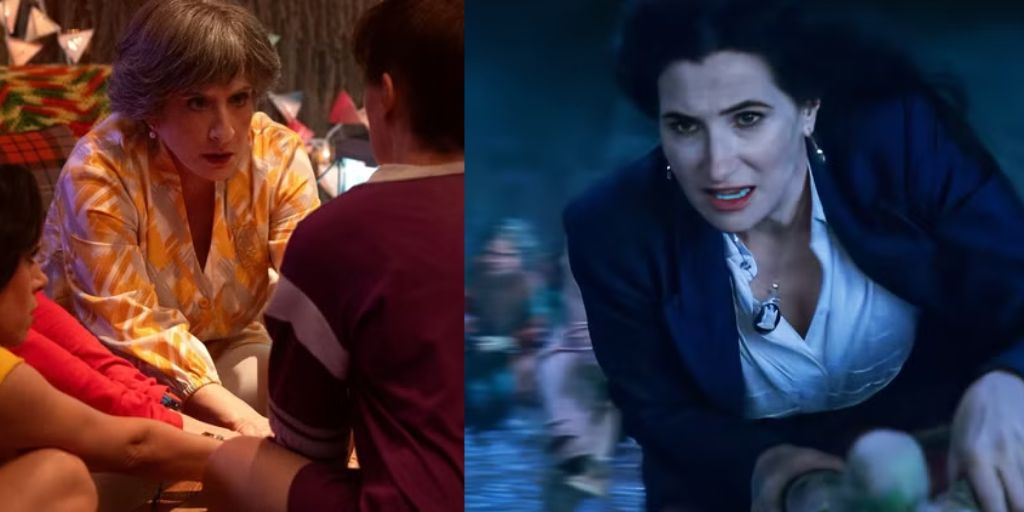
Agatha Harkness Faces The Salem Seven As Secrets From Her Past Threaten The Coven’s Survival (Disney+)
The show’s scheme of identity and acceptance resonates deeply with viewers. Many people can relate to the struggles Billy faces as he tries to understand who he is in a world that often feels unwelcoming.
Agatha’s guidance provides a sense of hope and empowerment for those who may feel lost or misunderstood. Their bond exemplifies the idea that even in difficult circumstances, individuals can find strength in one another.
The Power of Friendship
As the episode progresses, the friendship between Agatha and Billy becomes more profound. They share their experiences, fears, and hopes, creating a safe space for vulnerability.
This connection highlights the importance of friendship in facing life’s challenges. It reminds us that we do not have to face our struggles alone.
The episode also showcases the power of mentorship. Agatha serves as a guide for Billy, helping him face the complexities of being a young witch.
Her wisdom and experience provide valuable insights that allow him to grow and develop his magical abilities.
As he learns from her, he also teaches her about the younger generation’s struggles. This mutual exchange of knowledge strengthens their bond and emphasizes the significance of intergenerational relationships.
A New Chapter for Billy
The story of Billy Maximoff in Agatha All Along is one of growth, acceptance, and self-discovery.
Throughout Episode 6, we witness his transformation from a confused and uncertain young witch to someone who begins to embrace his identity and powers.
This journey is not just about learning magic; it is about understanding himself and his place in the world.
As Billy and Agatha face their complicated pasts, they also find common ground. Their shared experiences create a sense of camaraderie that deepens their connection. Billy learns to trust Agatha, and she becomes a source of strength for him as he faces the challenges ahead.
The episode also emphasizes the importance of community. As both characters deal with their struggles, they find solace in each other.
This sense of belonging is crucial for individuals who often feel isolated or misunderstood. It reinforces the idea that everyone needs support from others to thrive.
The Future of Agatha All Along
Looking ahead, the relationship between Agatha and Billy opens up exciting possibilities for future episodes.
As they continue to show their connection, viewers can expect to see further development of their characters. The potential for growth, both individually and as a duo, is immense.
The themes of acceptance, friendship, and mentorship will likely remain central to the story.
As the series progresses, it will be interesting to see how Billy’s journey unfolds and how Agatha’s guidance influences his path. Their dynamic sets the stage for compelling storytelling that resonates with audiences.
The show’s commitment to representing queer relationships is commendable. By highlighting the importance of these connections, Agatha All Along contributes to a more inclusive superhero universe. It showcases the beauty of diverse identities and the strength that comes from embracing who we are.
A Bright Future Ahead
Agatha All Along Episode 6, “Familiar By Thy Side,” successfully combines action, emotion, and humor.
The episode deepens our understanding of Billy Maximoff and his relationship with Agatha Harkness. It reinforces the importance of acceptance, friendship, and mentorship in overcoming life’s challenges.
The bond between Agatha and Billy serves as a powerful reminder of the strength found in connection. As they face their journeys together, they exemplify the idea that we can find guidance and support in unexpected places.
As we look forward to future episodes, the potential for growth and development is exciting. The scheme of identity, magic, and relationships will continue to engage and resonate with audiences.
In a world where acceptance and understanding are needed more than ever, Agatha All Along offers a hopeful and inspiring narrative that highlights the power of connection.
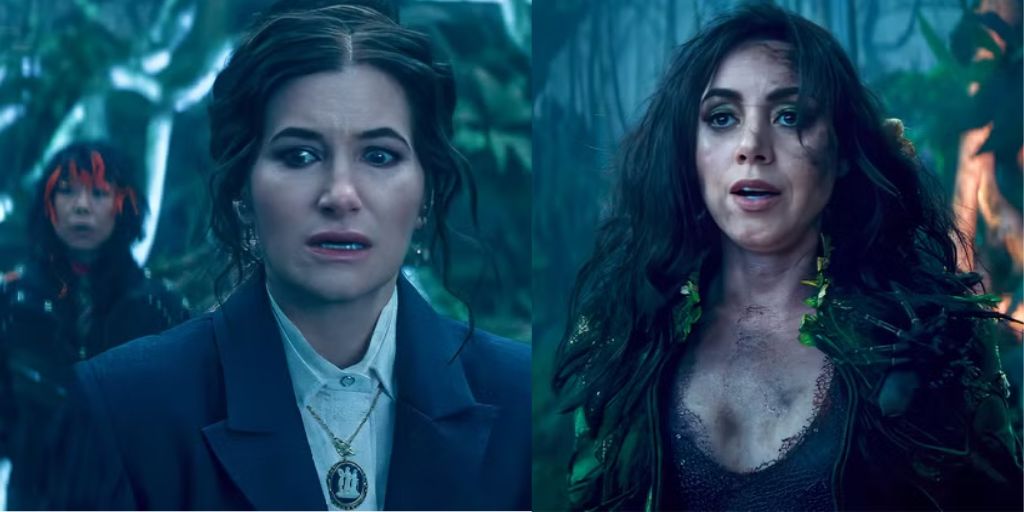
Still from Agatha All Along (Credit: Disney+)
The themes presented in this episode provide a sense of optimism for both the characters and the viewers.
As Billy embraces his identity and learns to face the complexities of being a witch, he also serves as a source of inspiration for others facing similar struggles.
Agatha All Along has successfully crafted a narrative that not only entertains but also speaks to the heart of the human experience.
With its focus on connection, acceptance, and self-discovery, the series stands as a testament to the power of storytelling in shaping our understanding of ourselves and each other.
