AJ Beckles, the English voice actor for Dandadan ’s Okarun, is at the center of controversy after sharing fanart depicting the character with Black features. The image, created by a fan of color, was reposted on Beckles’ social media and praised for its style. However, some Japanese fans saw it as an attempt to alter the character’s race, accusing the actor of cultural disrespect.
According to ComicBook.com , the reaction was swift and intense. Online users in Japan began trending hashtags demanding Beckles be removed from the project. Some labeled the artwork as “blackwashing,” claiming that changing the skin tone of a Japanese character was offensive and unwelcome in anime representation.
Culture Clash Over Artistic Expression
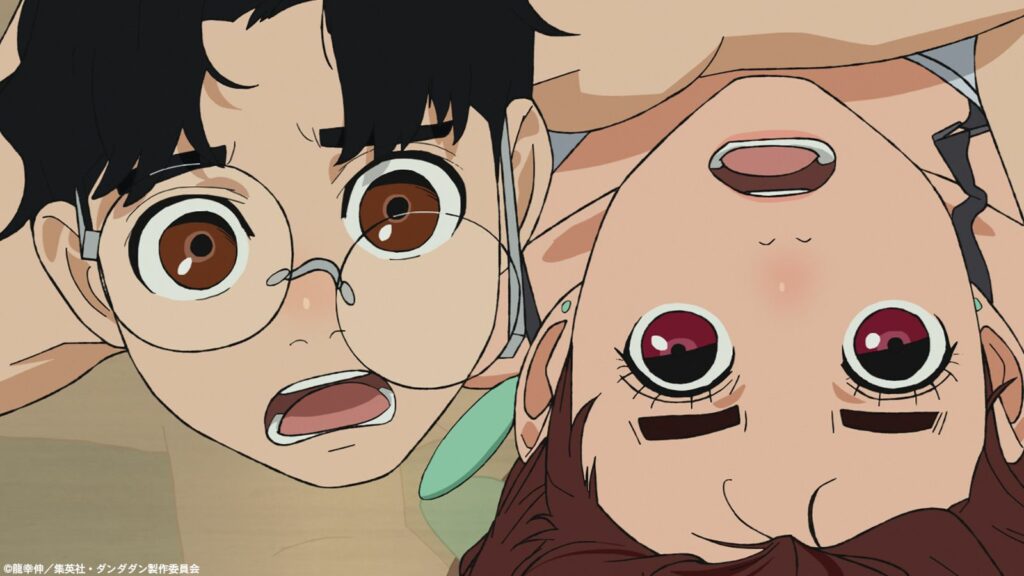
Dandadan Episode 10 Still
The situation highlights a growing cultural tension between global fandoms and Japanese audiences. While fanart in Western spaces often celebrates diversity and reimagines characters with inclusive features, Japanese fans tend to prioritize canonical accuracy. Critics argue that changing a character’s ethnicity—even in fan interpretations—disrespects the original creators’ intent.
Defenders of Beckles point out that he didn’t draw the image and only supported a fan’s artistic tribute. Others note the hypocrisy in global fandoms that often accept whitewashed versions of characters in Western media, yet reject artistic diversity when it reflects Black fans. The situation has reignited discourse over whose voice “counts” in anime appreciation.
Voice Actor Retreats from Online Platforms
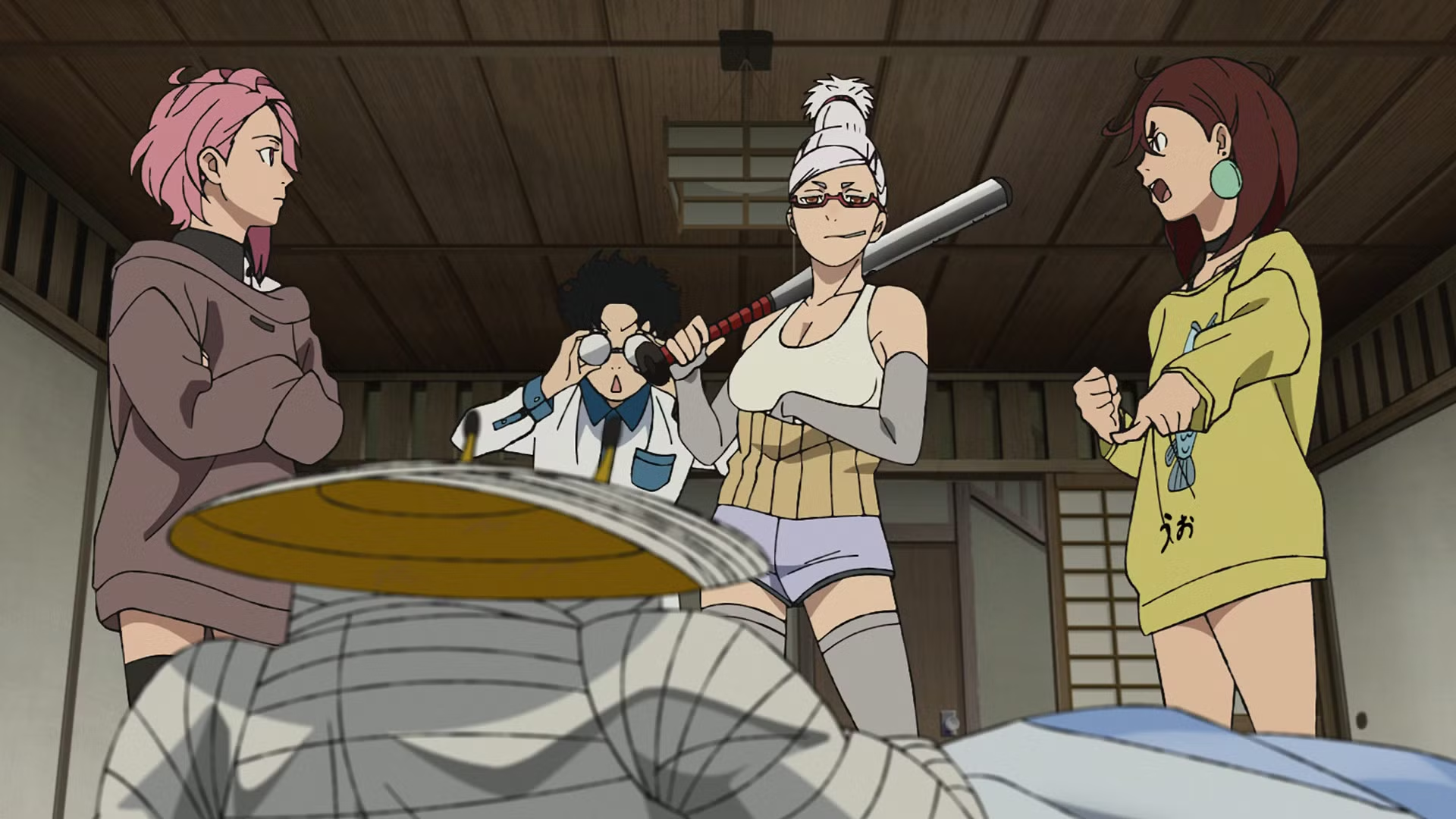
Dandadan Episode 10 Still
Facing escalating threats and harassment, Beckles has now deactivated his X (formerly Twitter) and Instagram accounts. His agency has declined to issue a statement, and Dandadan ‘s production team has remained silent. This silence has fueled speculation about whether pressure from Japanese fans could influence future casting decisions.
The absence of official support has upset many fans who see Beckles’ treatment as racially charged and unfair. Several fellow voice actors have expressed solidarity online, warning that this sets a dangerous precedent where global voice talents are penalized for engaging with diverse fan communities.
Industry Implications and Fandom Divide
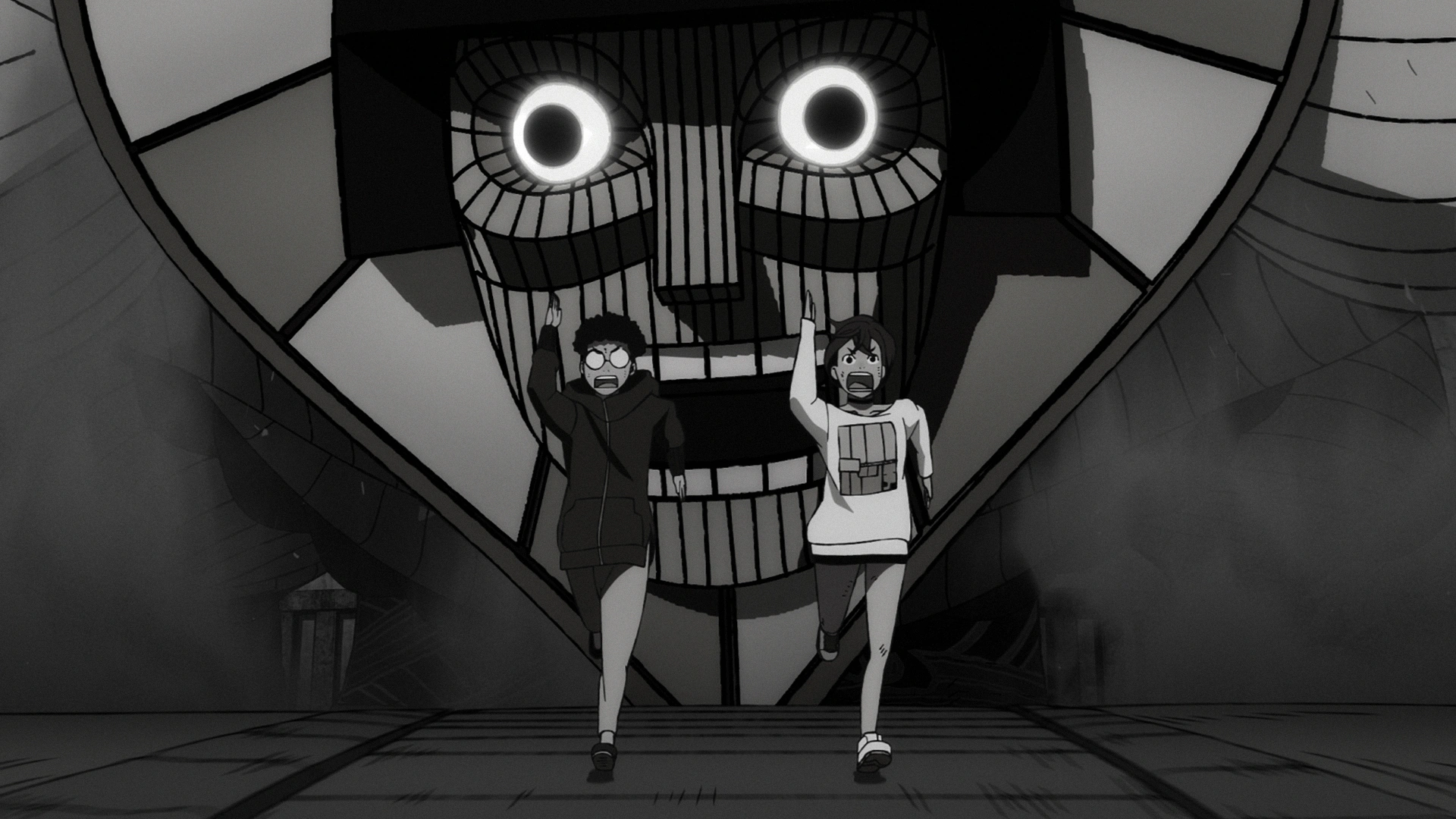
Dandadan Episode 2 Still (via Crunchyroll)
This controversy underscores the fragile dynamics in anime’s international growth. As anime gains popularity across cultures, tensions about representation, localization, and creative freedom are likely to grow. Studios must now balance cultural authenticity with a diverse, global fanbase that brings different values to the table.
Beckles’ case is not isolated—it joins a list of incidents where race, fandom, and anime collide. How this one ends could shape how the industry navigates identity, art, and actor conduct moving forward.
In a move that left many anime fans stunned, Colombian reggaeton superstar J Balvin made an unexpected voice cameo in the English dub of Solo Leveling , portraying a minor villain. The brief appearance was meant to be a surprise marketing twist, but instead, it drew fierce criticism from viewers who described the performance as “awkward,” “emotionally flat,” and “the worst dub moment of the year.”
According to Screen Rant , Balvin’s role was limited to one episode, where he voiced a cocky guild member in a minor fight scene. However, the mismatched tone of his delivery and an unnatural reading of lines became a lightning rod for backlash. Fans flooded social media with complaints, questioning why a music star with no acting experience was cast in a professional anime dub.
Fans Slam Crunchyroll for “Gimmicky” Casting
Aharen-san is Indecipherable (Credits: Crunchyroll)
Anime purists and casual viewers alike have called out Crunchyroll for what they describe as a “gimmick-driven” approach to localization. While celebrity cameos are common in Hollywood animated films, they remain rare and risky in anime dubs. Viewers noted that Balvin’s flat delivery broke immersion in one of Solo Leveling ’s most intense early scenes.
Memes mocking the dub spread quickly, with clips of the scene circulating on TikTok and X (formerly Twitter). Some fans likened the performance to a “bad high school play,” while others posted side-by-side comparisons with the original Japanese version to show the stark quality gap. One viral tweet said, “Crunchyroll made me turn on subs just to avoid J Balvin’s voice. Please never do this again.”
Community Debates Celebrity Crossovers in Anime
Trigun (Credits: Crunchyroll)
Not everyone condemned the appearance. A small segment of fans defended Crunchyroll, arguing that cross-industry collaborations could help introduce anime to new audiences. They pointed out that Solo Leveling already enjoys global appeal, especially in Latin America, where Balvin’s star power could attract nontraditional viewers.
However, this defense didn’t hold up against the wave of backlash. Most critics agreed that if celebrities are to be included in dubs, they must meet the same standards expected of voice professionals. The incident has revived the old debate about whether anime dubs should prioritize accessibility, artistic fidelity, or marketing reach.
Crunchyroll Yet to Respond, but Pressure Mounts
Dorohedoro (Credits: Crunchyroll)
As of now, neither J Balvin nor Crunchyroll has issued a public statement regarding the criticism. Fans have urged the company to address the situation and re-affirm its commitment to quality dubbing. Some are even petitioning for the cameo episode to be redubbed with a professional VA.
This controversy may force anime distributors to rethink celebrity tie-ins. While big names can draw headlines, anime fans have made it clear that poorly delivered performances—even in cameo roles—can erode trust in a dub’s integrity.
