Few animated characters have captured international hearts like Wallace and Gromit, the timeless stars of Aardman Animation.
For decades, Wallace, a cheerful inventor, and his quiet yet expressive dog Gromit have taken fans on delightful adventures, building a lasting legacy through stop-motion animation that audiences of all ages continue to love.
Their stories in short films like The Wrong Trousers and feature-length movies such as The Curse of the Were-Rabbit have made them unforgettable in animation.
Aardman Animation, the studio behind Wallace and Gromit, has faced many challenges over its long career. From studio fires and clay shortages to the loss of Peter Sallis, Wallace’s original voice actor, these obstacles could have halted the series at many points.
However, Aardman continued, driven by a commitment to bringing this beloved pair back to the screen. Now, with creator Nick Park leading the way, Wallace and Gromit return in the new Netflix film, Wallace & Gromit: Vengeance Most Fowl. Almost 20 years since their last movie, Wallace and Gromit remain just as lovable and charming as ever in this latest adventure.
Wallace and Gromit: Back in Vengeance Most Fowl
In Wallace & Gromit: Vengeance Most Fowl, Wallace, now voiced by Ben Whitehead, is still the well-meaning, ambitious inventor fans know and love. But now, Wallace finds himself dealing with overdue bills and growing pressure from Gromit, who feels Wallace is becoming overly dependent on new technology.
Wallace invents Norbot the Smart Gnome, an advanced gardening robot voiced by Reece Shearsmith, who represents Wallace’s latest attempt at solving his problems through invention.
However, as usual, things take a comical turn for the worse when an old feathered enemy from Wallace and Gromit’s past returns, bent on revenge and seeking what he believes is rightfully his.
Familiar Faces Bring New Energy
Wallace & Gromit: Vengeance Most Fowl brings back the characters fans adore while adding fresh twists. Ben Whitehead takes on the role of Wallace, making him the full-time voice after the passing of Peter Sallis.
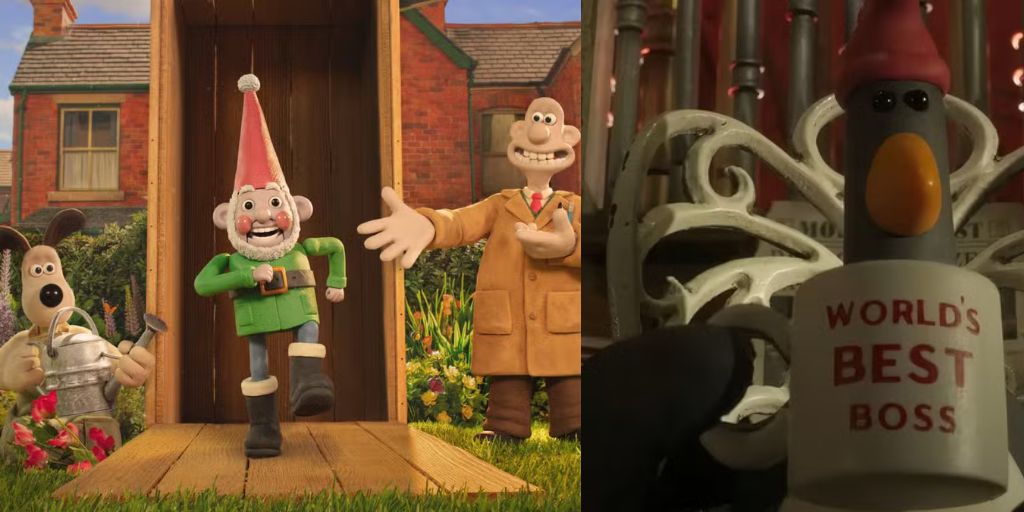
Still from Wallace & Gromit Vengeance Most Fowl (Credit: Netflix)
Whitehead’s performance captures the essence of Wallace’s character, making him sound almost identical to Sallis’s beloved portrayal.
Many sound-alikes often struggle to perfectly imitate a predecessor’s voice, especially when it comes to unique vocal tones and mannerisms. Yet Whitehead effortlessly brings Wallace’s cheese-loving, quirky spirit to life.
Gromit, the silent canine companion, shines once again as one of animation’s best silent protagonists. Known for cleaning up the messes Wallace creates, Gromit doesn’t need words to convey what he’s thinking; every glance, eyebrow raise, and sigh perfectly communicates his emotions.
His expressive gestures remind viewers of his loyalty, intelligence, and love for Wallace, all without a single spoken word. The humor and connection between these two characters provide much of the charm that has made Wallace and Gromit so beloved over the years.
The Return of Feathers McGraw, the Hilarious Villain
A standout character in Vengeance Most Fowl is the villainous Feathers McGraw. This crafty penguin and master of disguise originally appeared in The Wrong Trousers, becoming a fan-favorite villain. Feathers McGraw is back, adding humor and suspense to the story as he tries to outwit Wallace and Gromit.
Despite having an even simpler design than Gromit, Feathers McGraw’s expressions and mannerisms make him an unforgettable antagonist. His small, emotionless eyes and calm yet devious nature give him a distinct personality that makes viewers laugh even as he schemes against our heroes. Feathers McGraw’s role as an “evil” penguin feels ironic and funny, enhancing the movie’s humor.
The New Addition: Norbot the Smart Gnome
A new character in Vengeance Most Fowl is Norbot the Smart Gnome, a robotic gardening assistant created by Wallace. Norbot, voiced by Reece Shearsmith, adds a mix of humor and creepiness to the movie. He has a unique look, blending Wallace’s quirky design style with a touch of unsettling charm.
While Norbot provides some comedic moments, his eerie appearance may unsettle younger viewers. Aardman Animation is known for including eerie characters in its films (the robot dog from A Close Shave is a memorable example). Norbot’s presence in the film gives it a slightly spooky edge, adding to its appeal but also serving as a caution for parents with very young children.
Visual Storytelling: Aardman’s Signature Style
One of the strengths of Wallace & Gromit: Vengeance Most Fowl lies in its visual storytelling. Aardman Animation excels at telling stories through visuals, relying on subtle gestures and expressions rather than words alone. This style, seen in classics like Chicken Run and Shaun the Sheep, is as effective as ever in Vengeance Most Fowl.
Large parts of the film unfold without dialogue, yet every scene flows with clarity and coherence, much like a masterful silent film.
Vengeance Most Fowl draws comparisons to legendary silent films by Charlie Chaplin and Buster Keaton. The movie’s humor relies more on clever gags and puns rather than complex twists, creating a lighthearted viewing experience.
However, some jokes may appeal more to British audiences, such as references to British comedy duo Ant & Dec. For international viewers, a few jokes might miss the mark due to these cultural references, yet the film remains enjoyable fully.
A Nod to Wallace and Gromit’s History
Wallace & Gromit: Vengeance Most Fowl honors the history of the series while introducing a unique twist. Unlike most Wallace and Gromit tales, which can be enjoyed independently, Vengeance Most Fowl serves as a more direct sequel to The Wrong Trousers.
This sequel approach has pros and cons. Longtime fans will enjoy the nostalgic callbacks, references, and familiar characters, but newer viewers may feel they’re missing out on inside jokes. While watching previous Wallace and Gromit films isn’t required to enjoy Vengeance Most Fowl, it enhances the experience by adding context to some of the humor.
A Message on Technology and Its Drawbacks
One of the underlying themes in Vengeance Most Fowl is technology’s influence and potential downsides. Wallace, ever the gadget enthusiast, builds Norbot to assist with his daily tasks, but soon finds himself relying too much on technology.
This theme reflects a cultural concern, as many people today feel both empowered and burdened by modern tech. While the message is relevant, it becomes less clear as the story progresses. By the end of the film, the takeaway seems to be that technology can be both helpful and harmful depending on how it’s used.
Although not a groundbreaking perspective, this theme fits well within Wallace’s character as an inventor who always means well but often faces unintended consequences.
Aardman’s Craftsmanship Shines in Every Frame
On a technical level, Wallace & Gromit: Vengeance Most Fowl showcases Aardman Animation’s expertise. The film’s stop-motion style, detailed animations, and expressive characters reflect the craftsmanship Aardman is known for.
Wallace and Gromit’s world is visually rich, filled with small details that make each frame a pleasure to watch. The animation team’s dedication is evident in the way they create fluid, lifelike movements for characters made of clay. This careful attention to detail allows each character, from Wallace and Gromit to Norbot and Feathers McGraw, to feel vivid and alive.
The music in Vengeance Most Fowl adds to the film’s charm, enhancing the action and humor without overpowering the story. Each scene has a musical backdrop that fits the tone, whether it’s a cheerful tune during Wallace’s inventions or a suspenseful melody as Feathers McGraw plots his next move. The blend of animation, sound, and music gives Vengeance Most Fowl a nostalgic yet fresh feel, making it a delightful watch from start to finish.
Vengeance Most Fowl: A Family-Friendly Adventure for All Ages
Wallace & Gromit: Vengeance Most Fowl provides a straightforward and enjoyable experience for audiences of all ages. The film doesn’t aim to break new ground or redefine the Wallace and Gromit series but instead focuses on delivering a fun and wholesome adventure.
Its humor, heart, and lovable characters make it suitable for both long-time fans and newcomers. While it may not have the groundbreaking twists of The Curse of the Were-Rabbit, it offers a solid, lighthearted story that’s easy to enjoy.
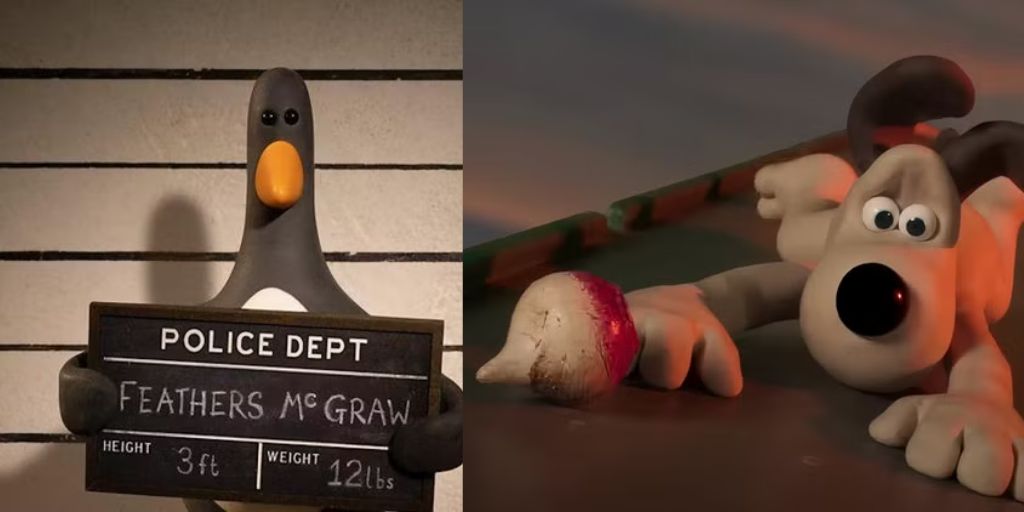
Still from Wallace & Gromit Vengeance Most Fowl (Credit: Netflix)
The film’s simplicity is part of its charm. In an era of complex stories and intense action sequences, Vengeance Most Fowl feels refreshing in its straightforwardness. It doesn’t need extravagant plots or high-stakes drama to entertain; the interactions between Wallace, Gromit, and their eccentric world provide all the excitement needed.
The Legacy of Wallace and Gromit Lives On
As Wallace and Gromit return to the screen, Vengeance Most Fowl serves as a reminder of their lasting appeal. Aardman Animation has created a pair of characters that resonate with audiences around the world, crossing generational and cultural boundaries.
The bond between Wallace and Gromit, filled with humor, loyalty, and care, remains the heart of the series. With this latest film, Aardman continues the legacy of Wallace and Gromit, proving that timeless characters like these can always find new stories to tell.
In Wallace & Gromit: Vengeance Most Fowl, fans will find the same warmth and charm they’ve come to expect. Whether viewers are revisiting these characters or discovering them for the first time, Wallace and Gromit offer a delightful escape into a world where friendship, adventure, and a bit of mischief are always around the corner.
The Elves, also known as Quendi, are fascinating and mysterious beings in J.R.R. Tolkien’s stories. They play key roles in The Lord of the Rings, The Hobbit, and the TV show The Rings of Power. Compared to Men and Dwarves, the Elves stand out because they are almost immortal.
Among them are Sindarin Elf Legolas and Calaquendi High Elf Galadriel. Both belong to the same family, but their ancestral histories divide into different branches.
The Creation of Elves and Men
The book The Silmarillion tells us more about how Eru Ilúvatar, the supreme being of the Universe, created the Elves and Men, who are called the “Children of Ilúvatar.” The Avari are a group of Elves who chose not to follow the call of the Valar to Valinor, a land of peace and eternal light. Their decision to stay in Middle-earth makes them different from the Eldar, who accepted the Valar’s invitation and journeyed to Valinor.
The story of the Avari begins with the awakening of the Elves, the Firstborn of Ilúvatar. They awoke by the shores of Cuiviénen, a remote and mythical place in Middle-earth.
The Elves were the first beings to awaken in the world. The Valar, powerful beings responsible for shaping and governing the world, learned about the Elves and wanted to protect them from Melkor, the first Dark Lord, later known as Morgoth.
The Valar believed the Elves were special creatures and invited them to Valinor to keep them safe from Morgoth’s evil. In the section “Of the Coming of the Elves and the Captivity of Melkor” from The Silmarillion, Tolkien highlights that this invitation was a key moment in Elven’s history. It caused a division, both physically and culturally, between those who accepted the call (the Eldar) and those who refused (the Avari).
The Avari, whose name means “The Unwilling” in Quenya (the Elvish language), decided to stay in Middle-earth. They made this choice for several reasons: some were afraid of the long journey, others were content with their lives, and some did not trust the Valar.
The Choice of the Avari
Because Tolkien wrote little about the Avari, they remain mysterious. What is known is that they stayed scattered across Middle-earth and, over time, changed in language, culture, and appearance from their kin in the West. Since they chose to stay, the Avari did not gain the same knowledge and wisdom that the Eldar gained from their interactions with the Valar. As a result, their kin viewed them as more rustic or uncivilized.
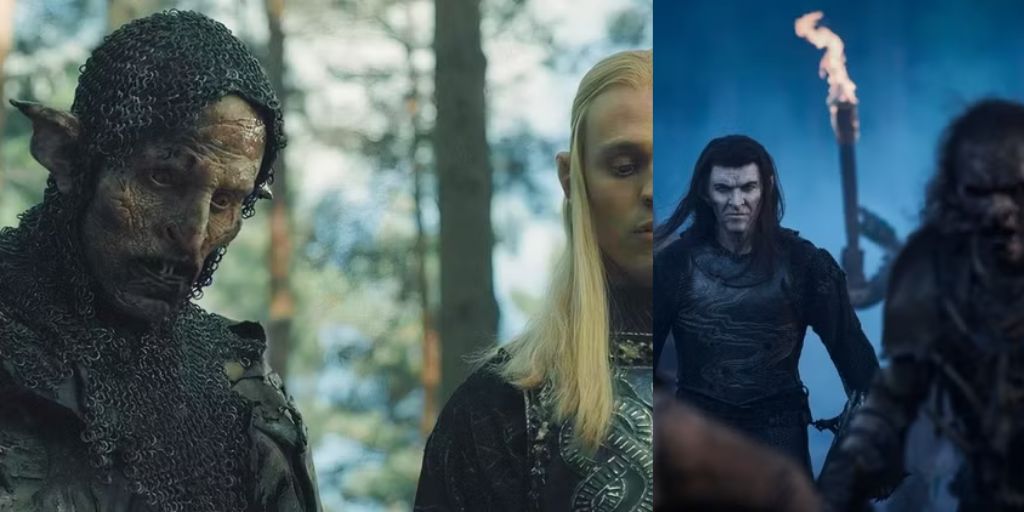
Still from The Lord of the Rings The Fellowship of the Ring (Credit: Prime Video)
One of the most interesting aspects of the Avari is their relationship with other peoples of Middle-earth, especially with Men. In Tolkien’s works, it is suggested that the early Men who awoke in the eastern parts of Middle-earth first met the Avari.
These early encounters helped Men form their first impressions of the Elves. However, as time passed, the Avari became more secretive and hidden. They faded into obscurity as the more powerful Elven kingdoms of the Eldar and Sindar became more dominant.
The Avari’s Life in Middle-earth
The Avari’s life in Middle-earth was marked by both beauty and struggle. Unlike the Eldar, who enjoyed the light and safety of Valinor, the Avari faced the dangers of a world plagued by darkness and evil. They lived in various places across Middle-earth, including forests, mountains, and valleys. Their homes were often hidden and hard to find, which added to their mystery.
The Avari were known for their unique cultures and traditions. They developed their own languages and customs, separate from those of the Eldar. These differences made them interesting but also created misunderstandings with other Elves. The Avari held onto their way of life, focusing on living in harmony with nature.
The Avari had a strong connection to the land. They respected the natural world and saw themselves as part of it. This relationship with nature influenced their art, music, and stories. They created beautiful songs about their surroundings, celebrating the beauty of Middle-earth. However, their isolation also meant that they could not easily share their culture with others.
The Threat of Darkness
Though they were often overlooked in Tolkien’s narratives, the Avari played an important role in the larger story. Their choice to stay in Middle-earth came with tragic consequences. As they remained behind, the land began to change. Darkness and corruption grew stronger due to Morgoth’s influence.
Morgoth’s rise to power brought suffering to all free peoples, including the Avari. While the Eldar found safety in Valinor, the Avari faced the full impact of Morgoth’s evil. They witnessed the devastation he caused and the chaos that followed.
One idea in Tolkien’s lore is that Orcs were originally Elves who were corrupted by Morgoth. Because the Avari remained in dangerous areas of Arda, far from the protection of the Valar, they were vulnerable to Morgoth’s attacks. He captured many of them, subjecting them to torture and dark magic. This dark sorcery twisted their bodies and minds, transforming them into creatures that served Morgoth.
In The Two Towers, Treebeard tells Merry and Pippin about Trolls, saying, “…Trolls are only counterfeits, made by the Enemy in the Great Darkness, in mockery of Ents, as Orcs were of Elves.” This connection between the Avari and the Orcs highlights the tragic fate of those who remained behind.
The Evolution of the Avari’s Story
Throughout his career, Tolkien revisited the origins of Orcs multiple times. One major concern he had was how High Elves could become such twisted forms as Orcs. In later writings, he considered the idea that Orcs might have been created from Men instead of Elves, as Men were more easily corrupted. This ongoing scheme of the Avari and Orcs adds depth to the story of Middle-earth.
The Avari’s story is complex, filled with themes of choice, consequence, and resilience. While they may not be central to The Lord of the Rings, they contribute to the richness of Tolkien’s mythology. Their experiences show the impact of decisions and the challenges of living in a world filled with darkness.
The Legacy of the Avari
The Avari’s legacy continues to resonate through Tolkien’s works. Their choice to stay in Middle-earth serves as a reminder of the strength found in remaining true to oneself, even in difficult circumstances. The Avari embodies the spirit of independence and the importance of choices in shaping one’s destiny.
Despite their tragic fate, the Avari represent hope and endurance. They survived in a world filled with threats and maintained their identity even as darkness surrounded them. This resilience adds depth to the full mythology and highlights the varied experiences of the Elves.
A Different Perspective on Elves
The Avari also provides a different perspective on what it means to be an Elf. While the Eldar experienced enlightenment and growth in Valinor, the Avari lived in a more primitive state, facing the raw realities of Middle-earth. This contrast allows readers to see the complexity of the Elvish experience, showcasing different paths and outcomes.
The interactions between the Avari and other peoples of Middle-earth, especially Men, illustrate how choices and relationships shape identities. The Avari’s early encounters with Men influenced their understanding of the Elves and contributed to the myths and stories that emerged in later generations.
The Role of Nature
The Avari’s close relationship with nature stands out in Tolkien’s stories. Their deep respect for the land and its creatures highlights the importance of harmony with the natural world. The Avari saw themselves as part of the cycle of life and believed in living sustainably. This connection to nature influenced their way of life, art, and traditions.
As custodians of the land, the Avari understood the value of preserving the environment. Their songs and stories reflected their appreciation for the beauty of Middle-earth, celebrating the forests, rivers, and mountains that surrounded them. This deep bond with nature serves as a powerful reminder of the importance of caring for the Earth.
The Mystery of the Avari
The mystery surrounding the Avari adds intrigue to Tolkien’s legendarium. Because little is known about them, readers are left to ponder their lives and experiences. This ambiguity encourages imagination and invites fans to create their own stories about Avari.
Tolkien intentionally left many details about the Avari open to interpretation. This choice allows readers to engage with the material and show the themes of choice, consequence, and the complexities of existence. The Avari embodies the idea that not all stories are fully told and that some mysteries remain.
Conclusion: The Avari’s Place in Tolkien’s World
In the grand scheme of Tolkien’s world, the Avari hold a unique and essential place. Their story illustrates the richness and complexity of Elven’s life, emphasizing the themes of choice, consequence, and resilience.
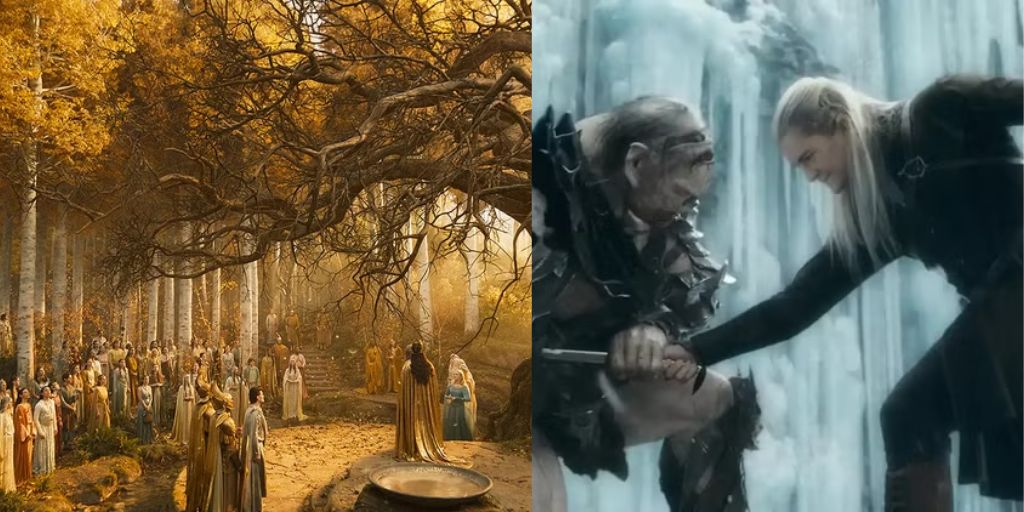
Still from The Lord of the Rings The Fellowship of the Ring (Credit: Prime Video)
While they may not be as celebrated as the Eldar, the Avari contribute to the depth of Middle-earth, reminding us of the strength found in embracing one’s identity and the lasting impact of choices.
The Avari serves as a testament to the diverse experiences of the Elves and the importance of their role in the wider mythology.
Their connection to nature, relationship with other beings, and tragic fate enrich Tolkien’s storytelling. The Avari reminds us that every choice shapes our path and that even in darkness, there can be beauty and strength.
