Warren G, an American rapper, record producer, and entrepreneur, has a net worth of $6 million as of 2024. Best known for his pioneering contributions to the G-funk genre and his massive success in the 1990s, Warren G’s career spans decades, and his influence on West Coast hip-hop continues to be felt today.
His rise to fame was marked by the release of his debut album, Regulate… G Funk Era (1994), which went triple platinum, thanks to the success of his hit single “Regulate.”
While Warren G is often associated with his iconic collaborations with artists like Nate Dogg, Snoop Dogg, and Dr. Dre, his musical journey began in the tough neighborhoods of Long Beach, California.

Warren G (Credit: YouTube)
He was born Warren Griffin III on November 10, 1970, and grew up in an environment shaped by adversity and the close-knit nature of the hip-hop community.
From humble beginnings, Warren G went on to help define an entire subgenre of rap music and secure his place in the annals of hip-hop history. Let’s take a deeper dive into how Warren G achieved a $6 million net worth and built his successful career.
Breakthrough Success with “Regulate… G Funk Era”
While Warren G had already contributed to Dre’s projects, it was his solo work that truly put him on the map. In 1994, Warren G released his debut album, Regulate… G Funk Era , under the Violator label.
The album’s lead single, “Regulate,” was a massive success, reaching No. 2 on the Billboard Hot 100 and becoming an anthem for West Coast rap.
“Regulate” also appeared on the soundtrack of the film Above the Rim (1994), solidifying its place in pop culture. The album went triple platinum, selling over 3 million copies in the United States alone.
Warren G’s signature sound was a laid-back, funky vibe, often described as “G-funk.” The genre blended smooth melodies with hard-hitting beats, characterized by the use of synthesizers and funk samples.
His success with Regulate… G Funk Era was largely due to his ability to combine these elements with catchy, relatable lyrics that resonated with fans.
Tracks like “This DJ” also performed well, becoming another chart-topping hit for Warren.
Expanding His Career: More Albums, Collaborations, and the 213 Reunion
Warren G’s success didn’t stop with his debut album. His second album, Take a Look Over Your Shoulder (1997), was another hit, certified Gold by the RIAA after selling over 500,000 copies.
Featuring collaborations with artists like Nate Dogg and Snoop Dogg, the album showcased his continued relevance in the West Coast rap scene.
The third album, I Want It All (1999), also achieved Gold certification and featured guest appearances from some of the biggest names in hip-hop, including Jermaine Dupri, Snoop Dogg, and Slick Rick.
However, by the early 2000s, the hip-hop landscape had begun to shift, and Warren G’s commercial success waned.
His fourth album, The Return of the Regulator (2011), was released to minimal fanfare and failed to produce any significant singles.
It marked the end of his tenure with major record labels, as Warren G opted to pursue an independent route with the release of In the Mid-Nite Hour (2005) under the label Hawino Records.
This album, though considered a lower-budget project, was another reflection of Warren’s deep connection to the G-funk sound and his loyalty to his West Coast roots.
In 2004, Warren G reunited with Nate Dogg and Snoop Dogg as part of the group 213 for the album The Hard Way .
Although the album didn’t make a significant commercial impact, it was an important milestone for fans of the trio.
The reunion highlighted the continued bond between these three West Coast legends, despite the changing dynamics of the rap game.
Entrepreneurship and Personal Ventures
Beyond his music career, Warren G has expanded his interests into entrepreneurship. In 2019, he launched his own line of barbecue sauces and rubs, Sniffin Griffins BBQ .
The brand was created with the goal of bringing quality, flavorful sauces to the market, and it is available for both retail and restaurant supply.
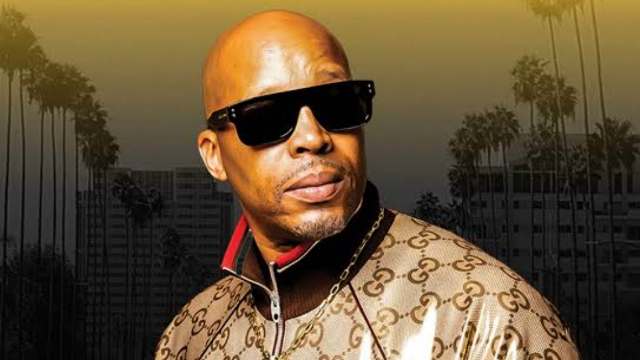
Warren G (Credit: IMDb)
While it’s difficult to quantify how much Warren’s BBQ business contributes to his $6 million net worth, it’s clear that he has successfully leveraged his celebrity status to diversify his income streams.
Warren’s entrepreneurial endeavors reflect a broader trend among celebrities, who are increasingly using their fame to create profitable side businesses.
His BBQ venture is just one example of how Warren G has built upon his rap legacy to continue generating wealth.
Lasting Legacy
Warren G’s influence on hip-hop cannot be overstated. As a member of the legendary rap trio 213 and a solo artist, he helped define the sound of West Coast hip-hop in the 1990s.
His signature G-funk style, with its smooth melodies and laid-back beats, became synonymous with the genre and helped elevate the careers of other artists like Snoop Dogg and Nate Dogg.
Though his commercial success has fluctuated over the years, Warren G’s impact on the rap industry is undeniable.
His unique blend of production and smooth rap delivery has left a lasting mark on the genre, and his continued business ventures and entrepreneurial spirit show that he is still finding ways to capitalize on his fame.
Today, Warren G continues to tour and perform, often teaming up with other legends from the West Coast rap scene.
His work has not only influenced hip-hop but has also paved the way for future generations of artists to embrace their roots while reaching for new opportunities in music and business.
Bernard Marcus, who passed away on November 5, 2024, at the age of 95, was an iconic American entrepreneur, philanthropist, and co-founder of The Home Depot, one of the largest and most successful home improvement retailers in the world.
At the time of his death, Marcus had amassed an impressive net worth of $7.4 billion, making him one of the wealthiest individuals in Georgia and a significant figure in both the retail and philanthropic worlds.
The Birth of The Home Depot and the Path to Wealth
In 1978, Bernard Marcus and Arthur Blank were fired from Handy Dan after a disagreement with the company’s board. Far from being a setback, this event marked the beginning of one of the most successful entrepreneurial ventures in modern history.

Bernard Marcus (Credit: YouTube)
Together with investment banker Ken Langone and merchandising expert Pat Farrah, Marcus and Blank co-founded The Home Depot in 1979.
The concept behind The Home Depot was revolutionary: large warehouse-style stores that offered a vast selection of home improvement products at competitive prices, paired with exceptional customer service.
The first two Home Depot stores opened in Atlanta, Georgia, in 1979. Despite initial struggles, Marcus’s vision and business acumen proved successful, and the company quickly expanded.
Within a decade, Home Depot grew from a small operation to a national powerhouse, with hundreds of stores across the U.S., Canada, and Mexico.
Under Marcus’s leadership, The Home Depot became synonymous with home improvement retail, and its success helped redefine the industry. By 1997, Home Depot had become a multi-billion-dollar corporation, and Marcus had cemented his place as one of the wealthiest businesspeople in America.
Net Worth Growth and Earnings from The Home Depot
At the height of his career with Home Depot, Bernard Marcus’s personal wealth soared. When he retired in 2002, he owned 60 million shares of Home Depot, a stake that contributed significantly to his fortune.
Although Marcus was no longer actively managing the company, his involvement in The Home Depot had been extremely lucrative.
Between 1987 and 2002, Marcus earned an estimated $500 million in salary and dividends from his stake in the company.
His wealth was bolstered further by the company’s meteoric rise, which was propelled by its expansion into new markets and its dominance in the home improvement sector.
Even after Marcus retired, Home Depot’s continued success allowed his net worth to grow steadily.
He did not have to disclose his financial interests in Home Depot following his retirement, as his stake in the company was not large enough to meet SEC disclosure requirements.
However, Marcus’s wealth remained formidable, as his shares in the company continued to appreciate, and the company paid out dividends that added to his net worth.
In 2020, Steve Madden published his memoir, The Cobbler, How I Disrupted an Industry, Fell From Grace & Came Back Stronger Than Ever , where he discussed his career journey, his time at The Home Depot, and his contributions to the company’s growth.
His legacy and influence on the company remained profound, and his net worth continued to reflect his years of successful business leadership.
Philanthropy and Giving Back
After stepping down from the day-to-day operations of The Home Depot, Marcus devoted much of his time to philanthropy.
Through the Marcus Foundation, which he established in 1989, Bernard Marcus donated hundreds of millions of dollars to causes ranging from medical research to children’s health, veterans’ support, Jewish initiatives, and public policy advocacy.
One of Marcus’s most notable philanthropic achievements was the creation of the Georgia Aquarium in Atlanta, which opened in 2005 with a staggering $250 million gift from Marcus.
At the time of its opening, the Georgia Aquarium was the largest aquarium in the world, and it remains a key attraction in Atlanta today.
Beyond the Georgia Aquarium, Marcus was a major donor to hospitals, universities, and various charitable organizations.
He strongly believed in the power of philanthropy to effect meaningful change in society. His charitable donations spanned a wide range of sectors, but he was particularly passionate about supporting organizations focused on healthcare, education, and social welfare.
Legacy and Continuing Influence
Bernard Marcus’s legacy extends beyond his impressive net worth of $7.4 billion. As a businessman, he revolutionized the retail industry, creating a multi-billion-dollar company from the ground up.
As a philanthropist, he demonstrated the power of giving back, particularly through his support of initiatives that impacted the local community and society at large.

Bernard Marcus (Credit: Pinterest)
He was also an advocate for free-market principles and political engagement, contributing both financially and publicly to various political causes and candidates.
His fortune, amassed primarily through his stake in The Home Depot, allowed him to make substantial investments in his personal passions, including art, real estate, and education.
He used his wealth not only to fuel his own endeavors but also to encourage other successful business leaders to contribute to the common good.
In terms of his net worth, Marcus’s influence cannot be overstated. His wealth came not only from the initial success of Home Depot but from his ability to sustain and grow that wealth through strategic investments and his commitment to corporate social responsibility.
He will be remembered as one of the most successful entrepreneurs of his generation and as someone who used his fortune to leave a lasting, positive impact on the world.
