Dragon Ball GT has long been one of the most divisive chapters in the franchise. Now, over two decades after its debut, fans are learning the full story behind its creation. In a new interview between former Dragon Ball manga editors, translated by X/Twitter user @Venixys, Fuyuto Takeda reveals how GT came from behind-the-scenes panic as Dragon Ball Z neared its end.
The Pressure Cooker Behind GT’s Creation
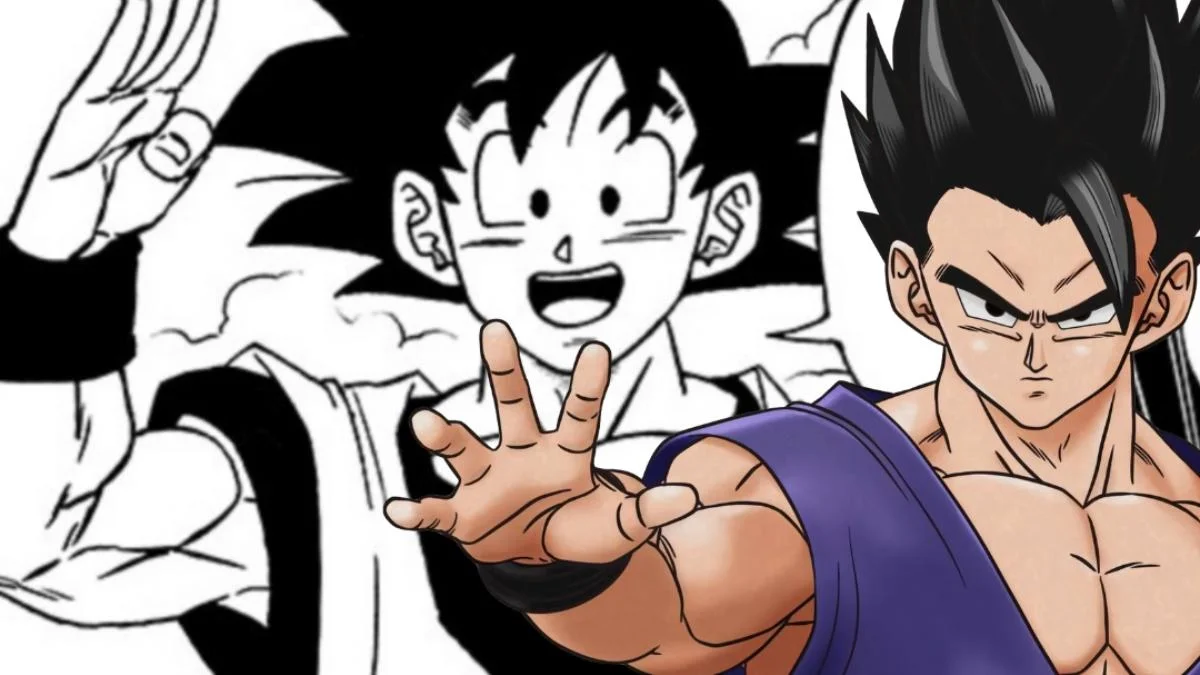
Goku and Gohan (Credits: Akira Toriyama)
As Takeda recalls, there was a consistent uncertainty about when Dragon Ball Z would truly end. The manga’s conclusion left broadcasters and editors scrambling. Unlike most titles, Dragon Ball had no set production ceiling. This gave Toei time to maneuver, but as the manga wrapped up, it became clear that action had to be taken quickly.
The birth of Dragon Ball GT 🧵14/n pic.twitter.com/ZkiiZo68xp — Enomis (@Venixys) March 24, 2025
The result was GT. Toei needed a new pitch, and Takeda reveals the “GT” in the title was not a cryptic apology to Toriyama, as many fans believed. It simply meant Gran Turismo, a reference to endurance racing. The series was intended to be a lengthy voyage — metaphorically and literally — that would keep the franchise running.
Toriyama may not have overseen the project directly, but he contributed the idea of a space-travel story and approved the name GT. That same sense of wide-eyed adventure and the transformation of Goku into a child, often criticized at the time, has since resurfaced in Dragon Ball Daima, showing how foundational the GT concept truly was.
The Legacy Of Dragon Ball GT Today
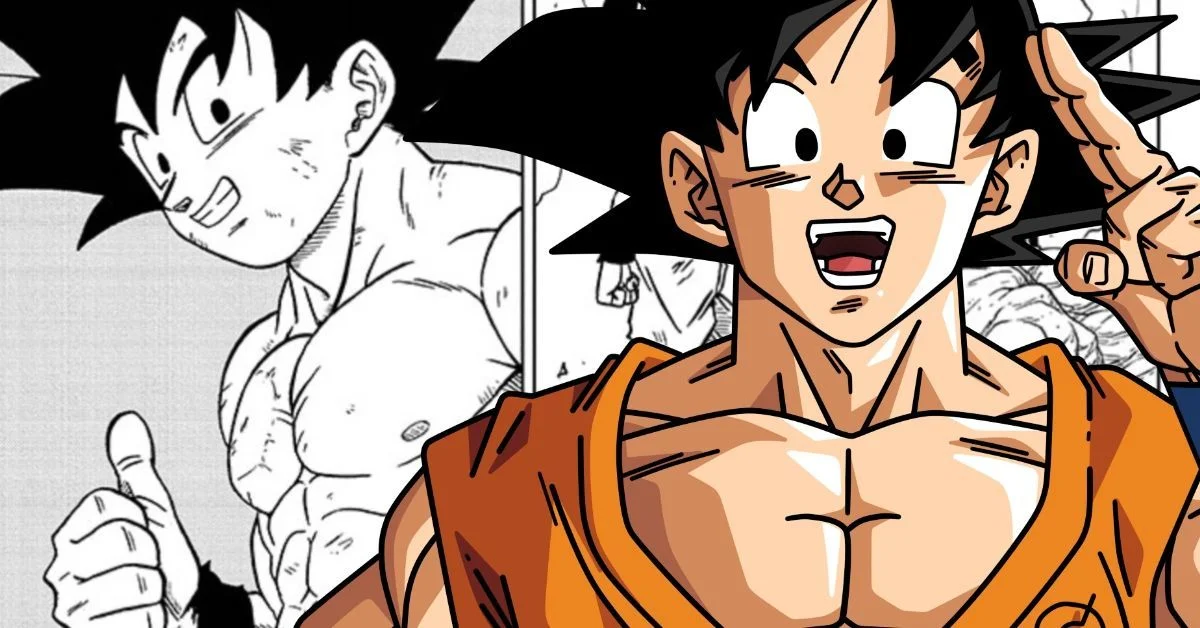
Goku (Credits: Akira Toriyama)
When GT first aired, fans were quick to voice disappointment. The lack of Toriyama’s direct storytelling, inconsistent power scaling, and tonal shifts alienated many longtime viewers. Yet time has softened that judgment. Some fans now consider GT’s ending one of the best in the franchise. Others appreciate the maturity and emotional finality it brought.
This softened reception is especially clear in how audiences embraced Dragon Ball Daima, which pulled heavily from GT’s visual themes and narrative setup. The shift in sentiment reveals how GT’s reputation has evolved — from failure to cult favorite.
It’s poetic, then, that in the wake of Akira Toriyama’s passing, the once-unstoppable Dragon Ball machine has paused. With Super on indefinite hiatus and Daima concluded, the franchise stands at a crossroads once again. Back when GT was born, the idea that Dragon Ball could stop was unthinkable. Today, the series rests in a moment of reflection, perhaps for the first time since its explosive rise.
For better or worse, GT emerged from a moment of urgency, but its legacy proves that sometimes even desperate creation can leave a lasting impact.
One Piece has spanned more than two decades without ever focusing on romance for its main character. Monkey D. Luffy has consistently shown more passion for meat and adventure than any human connection. Yet that hasn’t stopped fans from shipping him with various characters—none more popular than Nami. Now, a new official anime spin-off has reignited the fire around this pairing.
The recently launched One Piece in Love, also known as Loving One Piece, is making waves across Japan’s social platforms. The short-format anime imagines its characters as school students, and in this romantic reimagining, Luffy and Nami are undeniably a couple. Though it’s not canon to the main series, the romantic twist is stirring speculation among fans—and Oda’s confirmation of the spin-off’s official status only deepens the intrigue.
Oda Acknowledges the Spin-Off, But Not the Ship
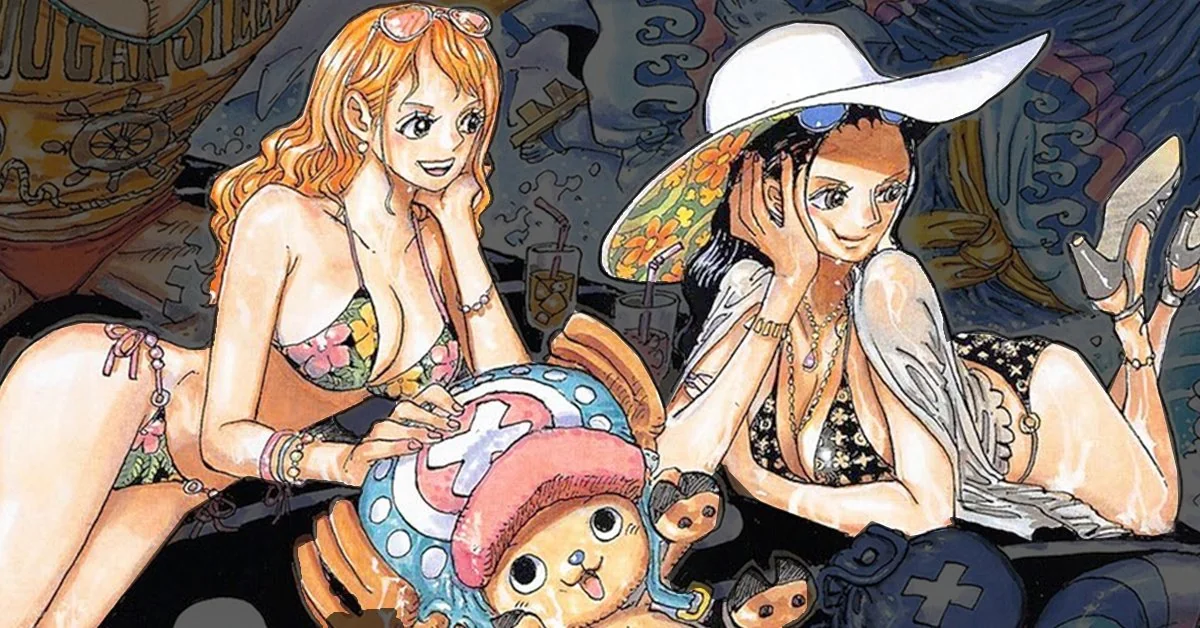
Nami, Robin, and Chopper (Credits: Eiichiro Oda)
One Piece in Love debuted this spring on platforms like TikTok and Instagram, portraying a playful, slice-of-life romance. Characters share the names and personalities of their pirate counterparts, but they live in a modern, youthful setting. In this alternate take, Luffy and Nami exchange bashful looks, light flirting, and the kind of soft moments that fans have dreamed of for years.
Oda confirmed in yesterday’s message that “Loving One Piece,” featuring student characters named Luffy and Nami in love, is an “official” spin-off anime/manga. Does this mean LuNami ship is canon?🥰 pic.twitter.com/Ae8yrvYBmI — sandman (@sandman_AP) April 2, 2025
Series creator Eiichiro Oda didn’t deny its authenticity. In a sketch shared to social media, Oda urged fans to check out the anime, saying, “The anime One Piece in Love is here, so please watch it. It is so crazy. It’s an official spin-off, seriously.” While he refrained from addressing the Luffy x Nami aspect directly, his endorsement confirms the series is more than just fan service—it’s part of the official One Piece universe, even if just in spin-off form.
Why Luffy x Nami Keeps Fans Talking
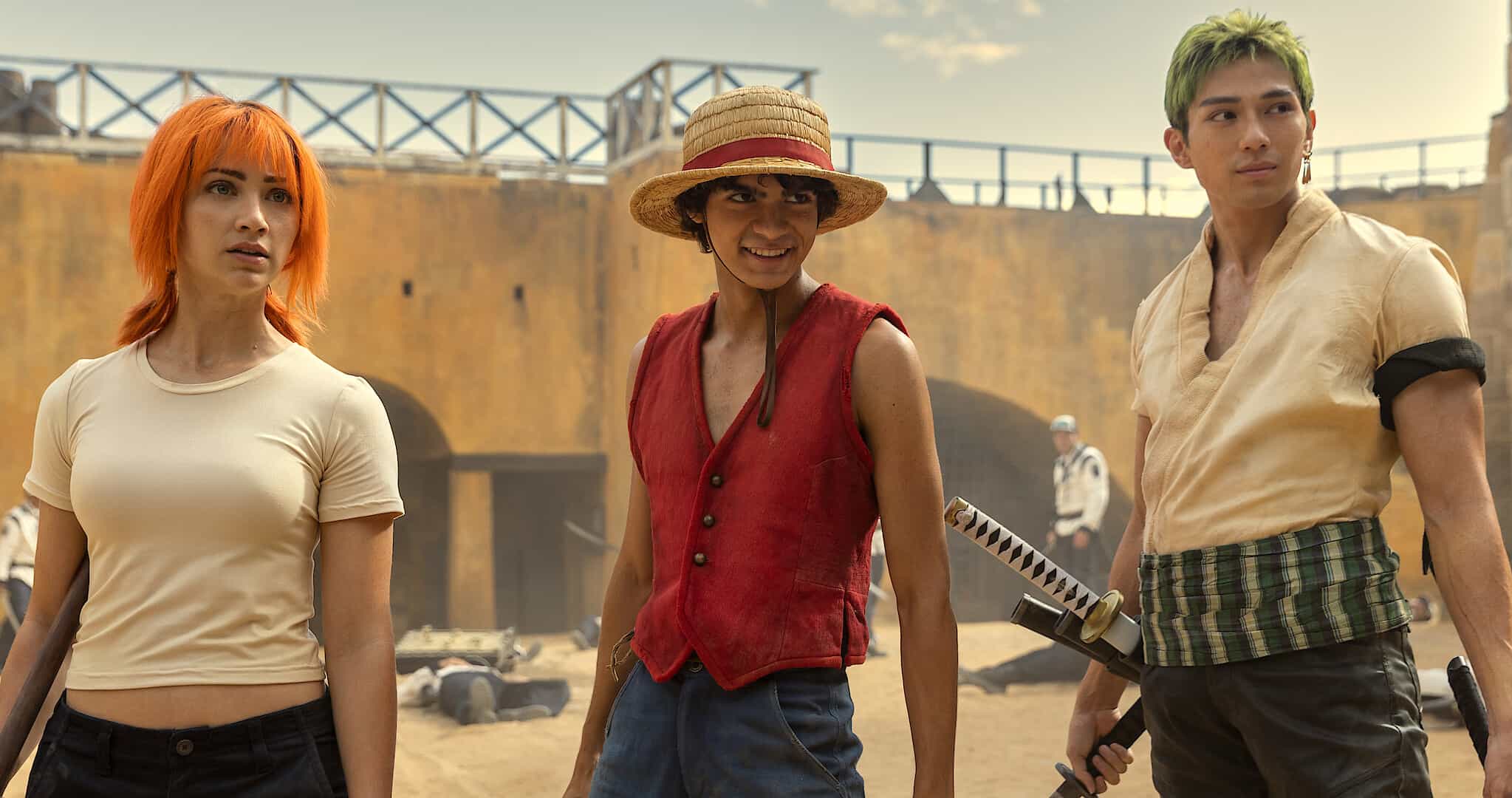
Nami, Luffy, and Zoro (Credits: Netflix)
In the main timeline, romance has never been Luffy’s priority. He’s fended off love interests like Boa Hancock and rarely shows emotional vulnerability in that regard. However, his bond with Nami has evolved tremendously since they first set sail together in the East Blue. From Nami’s infamous “Help me” moment to her quiet trust in Luffy during pivotal arcs, their relationship has emotional depth.
In fact, even Sanji has called out the pair’s chemistry. In One Piece Film: Gold, subtle glances and reactions further hint at a connection beneath the surface. Still, after more than 30 years, the manga and anime have kept Luffy romantically neutral, prioritizing his role as captain and dreamer over potential pairings. Yet fan interpretations continue to grow, bolstered by scenes that show genuine care between him and Nami.
With One Piece in Love gaining traction, fans are once again rallying behind the Luffy x Nami ship. While nothing official has shifted in the main storyline, the romantic spin-off gives that corner of the fandom a playful “what if” scenario. Whether it foreshadows anything or remains a fun side project, only time—and perhaps Oda—can tell.
