K-Pop, short for Korean Pop, has become a global sensation over the last decade. Groups like BTS, BLACKPINK, and EXO have captured hearts around the world, breaking records and topping charts in countries far from South Korea. As K-Pop gains more international attention, it’s clear that Western influence is playing a significant role in shaping the genre. However, this shift has sparked debates about whether the original essence of K-Pop is being lost.
One of the most noticeable changes is the increasing use of English lyrics in K-Pop songs. In the past, K-Pop tracks were primarily in Korean with just a few English phrases. Now, it’s common to find songs that are mostly in English or have significant English verses. This change helps make the music more accessible to international fans but raises questions about the preservation of Korean culture in the music.
Additionally, the music styles in K-Pop are evolving to match popular Western trends. Genres like hip-hop, trap, and EDM are now frequently heard in K-Pop songs. Many groups collaborate with Western artists and producers, which adds to this blending of styles. While these partnerships create exciting music, they sometimes overshadow traditional K-Pop sounds that were once a defining feature of the genre.
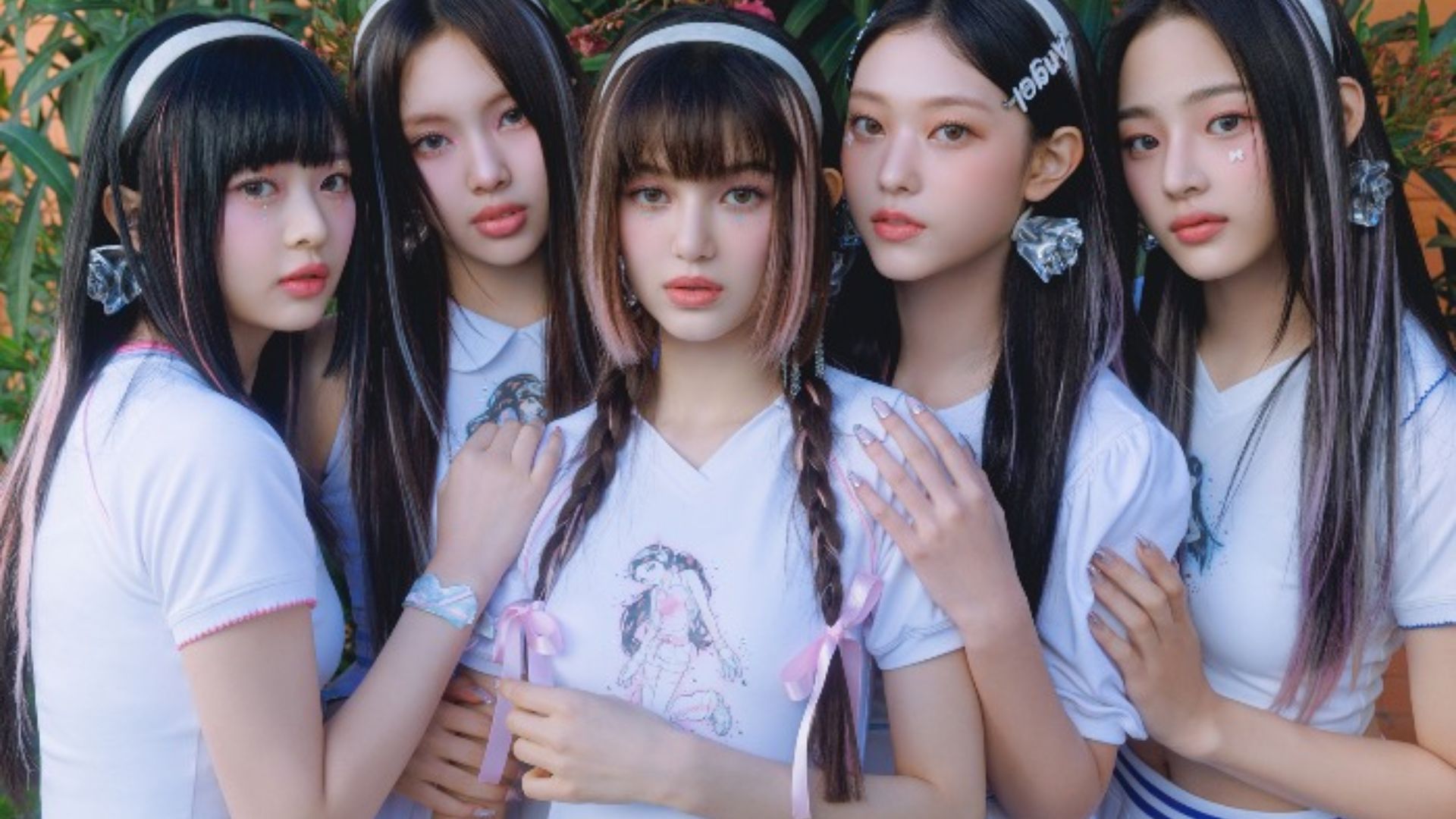
(Credits: Newjeans)
Changes in Visual and Performance Styles
K-Pop has always been known for its elaborate choreography and unique fashion. However, recent trends show a growing influence of Western fashion and stage performances. Some K-Pop idols are now adopting a more casual, street-style look, moving away from the polished, high-fashion appearances that were common in earlier eras.
Music videos, too, are reflecting this shift. Many now feature concepts and storytelling elements that are inspired by Western pop culture, which contrasts with the distinctive storytelling style that used to define K-Pop visuals.
While Western influence has helped K-Pop gain global recognition, some fans worry that it’s diluting the cultural identity that made it special. K-Pop originally stood out because of its blend of Korean traditions with modern music. As it becomes more Westernized, there’s a fear that it could lose this unique identity.
However, others see this as a natural evolution. They argue that K-Pop’s ability to adapt and change is part of what makes it so successful. By embracing different influences, it can continue to grow and reach new audiences while still maintaining its roots.

(Credits: IVE)
Striking a Balance
For K-Pop to thrive internationally while preserving its cultural identity, finding a balance is essential. Artists and producers need to stay true to the genre’s Korean roots while embracing global trends in a thoughtful way.
Ultimately, the future of K-Pop lies in its ability to adapt without losing sight of what makes it unique. As Western influence continues to shape the genre, K-Pop fans hope it will find ways to celebrate its heritage while remaining a leader in the global music industry.
In One Piece, Luffy’s Devil Fruit, the Gomu Gomu no Mi, has long been perceived as a simple Paramecia-type fruit granting rubber-like abilities. However, recent revelations have revealed a deeper, more profound connection to the ancient past. The World Government, aware of its true nature, has endeavored to suppress this knowledge, understanding its potential to disrupt the established order.
The Gomu Gomu no Mi is actually the Hito Hito no Mi, Model: Nika—a Mythical Zoan-type Devil Fruit. This fruit bestows upon its user the attributes of the legendary Sun God, Nika, embodying the “Warrior of Liberation.” Its awakening grants the user unparalleled freedom and strength, enabling them to reshape their environment and combatants with boundless creativity.
The World Government’s Concealment Efforts

Luffy (Credits: Toei Animation)
The World Government has been aware of the Gomu Gomu no Mi’s true identity for over 800 years. Recognizing its potential to empower individuals like Luffy, who embody the spirit of liberation, they have actively sought to suppress its existence. This suppression is evident in their attempts to acquire the fruit and their efforts to erase any knowledge of its true nature from public consciousness.
Luffy’s connection to Joy Boy is not merely symbolic; it is deeply intertwined with the powers granted by the Hito Hito no Mi, Model: Nika. This connection signifies Luffy’s role as a liberator, destined to challenge oppressive forces and bring about significant change. His journey reflects the ancient struggle against tyranny, with his Devil Fruit abilities serving as a catalyst for the fulfillment of Joy Boy’s legacy.
Conclusion
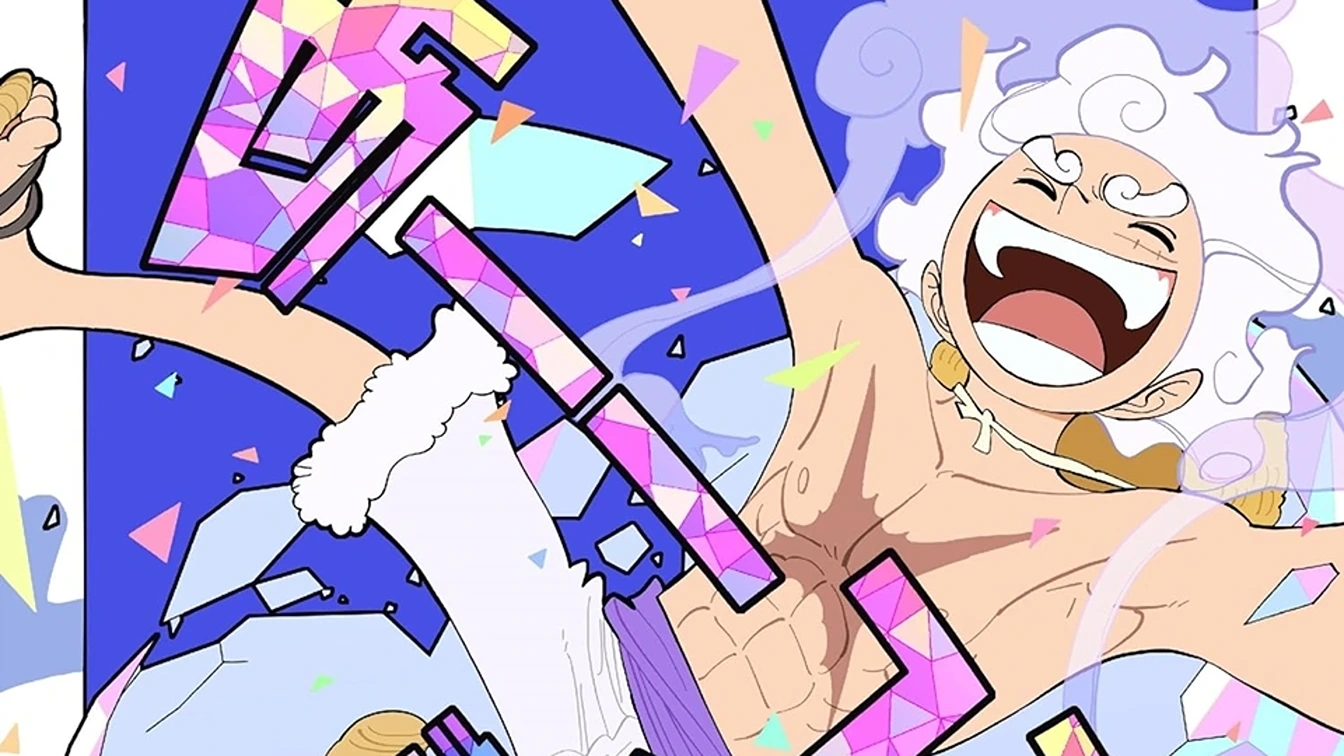
Luffy (Credits: Eiichiro Oda)
The revelation of Luffy’s Devil Fruit as the Hito Hito no Mi, Model: Nika, underscores the profound narrative depth of One Piece. It highlights themes of freedom, legacy, and the cyclical nature of history. The World Government’s efforts to conceal this truth reflect their fear of the upheaval that such knowledge could incite. As Luffy continues his journey, the true power of his Devil Fruit will undoubtedly play a pivotal role in shaping the future of the world
