People are showing their interest in what happened to the Hot Bench judges. In Season 9, two new judges made their entries, making everyone wonder about the reason. Before diving into it, let’s learn what the show is about.
Starting from the basics, Hot Bench is a court show on Syndication that made its debut back in 2014. Created by Karen J. Beck, right now, Season 9 is going on with Episode 35, set to release on 3 November 2022. The show is based on the three judges discussing the advantages and loopholes of various serious cases. Later, they come up with a fair judgment. It is narrated by Christopher Thomas in 2020. Not to mention that Hot Bench is reported to have also earned an Emmy Award nomination.
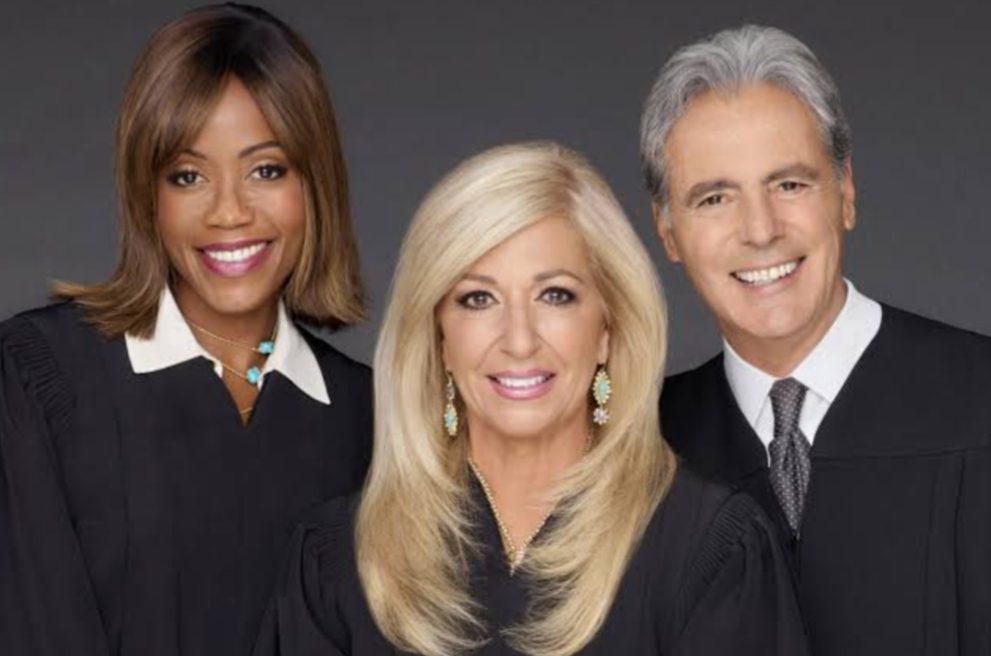
Hot Bench Old Judges: Michael Corriero, Patricia DiMango, and Tanya Acker
What Happened To The Hot Bench Judges?
Who are the two new judges? Yodit Tewolde and Rachel Juarez have brought new dynamics to the courtroom show. David Theodosopoulos shared that both these women have diverse backgrounds and experiences, which would add more value to Hot Bench.
Talking more about them, Judge Yodit Tewolde is a criminal defense attorney. She owns a criminal defense firm and also serves as the legal analyst hosting The Grio’s Making the Case. She also contributed to America’s Most Wanted.
On the other hand, Judge Rachel Juarez has previously handled various civil cases for large corporate clients. She also served as the Temporary Judge at the Los Angeles County Superior Court Temporary Judge Program.
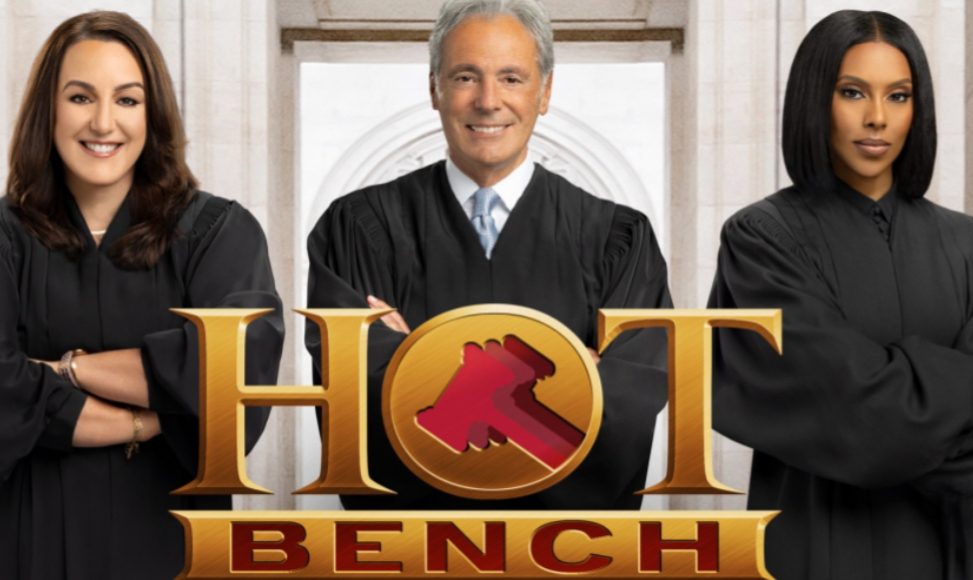
Hot Bench New Judges: Michael Corriero, Rachel Juarez, and Yodit Tewolde
Despite serving the courtroom show for several years, both Patricia DiMango and Tanya Acker left the show, having good terms with the entire Hot Bench crew. Best wishes to both for their next endeavors.
Because of the change in Hot Bench cast after such a long time, some people thought that the show got canceled in 2022. But, fortunately, it didn’t. Season 9 premiered on 12 September 2022, making everyone happy. Some even got more excited with the news of the replacement of the judges, wondering about their declaration of the cases.
As the teaser starts, we see that Rachel Juarez, one of the two entrants, is witty. She calls out one of the witnesses on a Car mistake that would be obvious to most people. It doesn’t really mean that the witness is lying. Later on, we get people who are obviously lying, like the person who says his phone was stolen, yet it seems too convenient for him.
Judge Yodi Towolde is obviously more head-on with the people in the courtroom, she knows what she is talking about, and no odd behavior will go through her. Meanwhile, Michael Corriero leads the panel with absolute authority. New Heat and some new characters in court. The Judges are ready for it.
If you are wondering about the old judge, Michael Corriero, he has served at New York State Court for 28 years. So, he is very experienced. The show has gained more audience after their entries. It seems like both the new judges are doing great. Hoping to see them in the renewals too, if it ever happens, though.
In case you are away from home or don’t have access to Syndication, you can still watch Hot Bench Season 9. Where? It is also available on The Roku Channel and fuboTV. You can check out these two options, having different plans. Happy Streaming!
So, How did the headless horseman lose his head? Since the Middle Ages, the Headless Horseman has been a fabled character in mythology worldwide. Traditionally, the figure is shown as a rider on a horse sans his head. Depending on the tale, the horseman is carrying his head or is completely missing it and looking for it.
From Washington Irving’s “The Story of Sleepy Hollow,” which exposed an early American society to a goblin rider threatening the tranquil lanes of a small New York community, comes the most well-known version of the headless equestrian.
The Headless Horseman is somewhat of a town mascot in the village of Sleepy Hollow today; he may be seen on fire vehicles, sports jerseys, and large town monuments. Some people dressed as headless horsemen for Halloween, and people have considered the tale a horror tale for years, but how did the headless horseman lose his head? Let’s decode.
The Headless Horseman’s Origin
The Middle Ages are when one of the earliest references to the Headless Horseman can be found. The Irish “Dullahan” or “Gan Ceann” mythology, which history describes as resembling the Grim Reaper, is among the best-known. He is, therefore, fearsome, fierce, and out to gather souls.
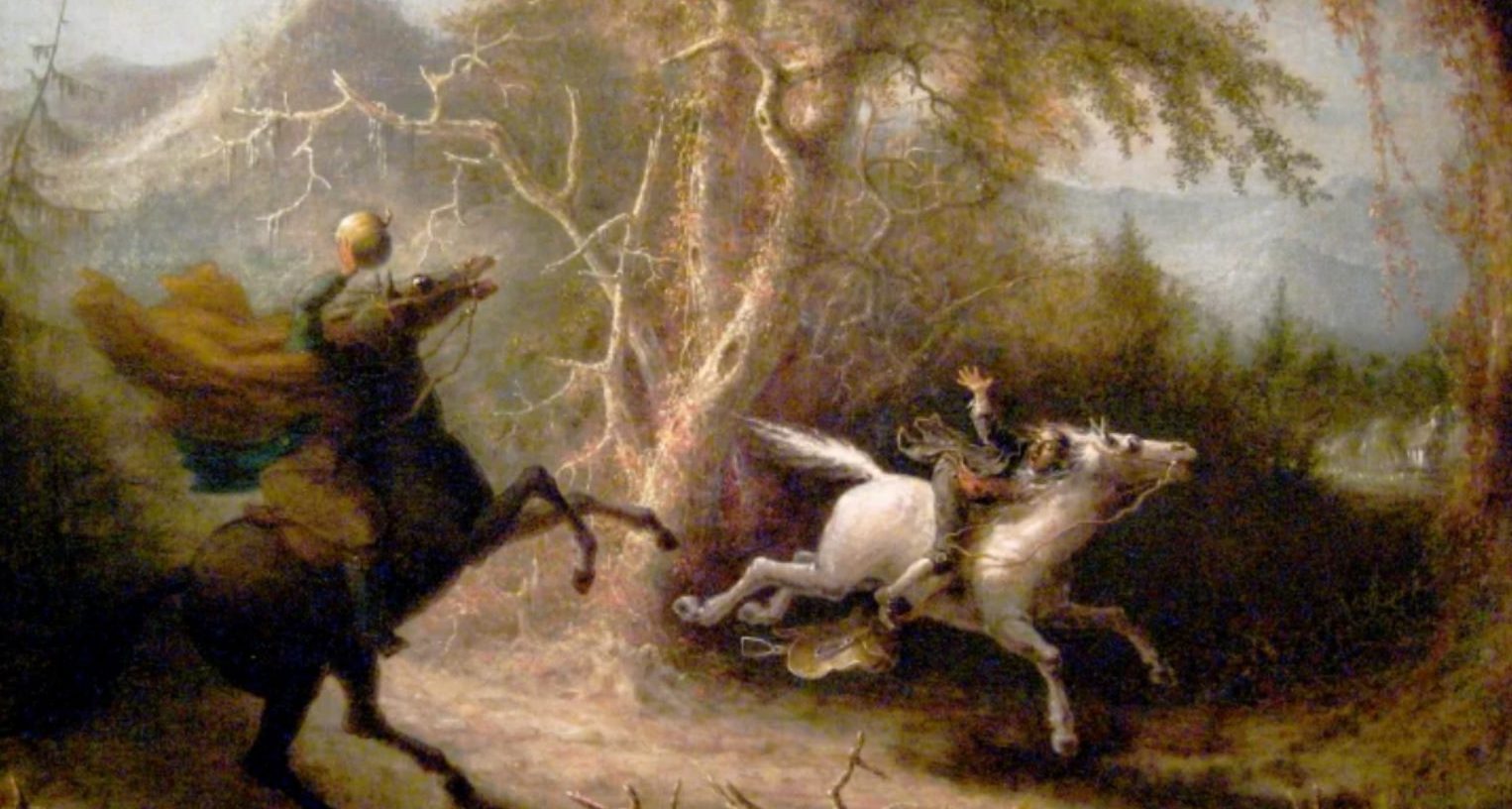
The Headless Horseman’s Origin.
According to The Vintage News, the dark faerie known as the Dullahan is closely related to the Celtic God Crom Cruach, also known as the Dark God of the Burial Mound. Around the sixth century, Ireland stopped offering sacrifices to their dark God, according to some accounts (Crom Dubh). As a replacement, the myth of a headless horseman emerged.
The Dullahan raises his grin-adorned head, which occasionally glows, to see far away. The ghastly rider can occasionally be seen riding a six-horse carriage or galloping around on a black horse while brandishing a whip.
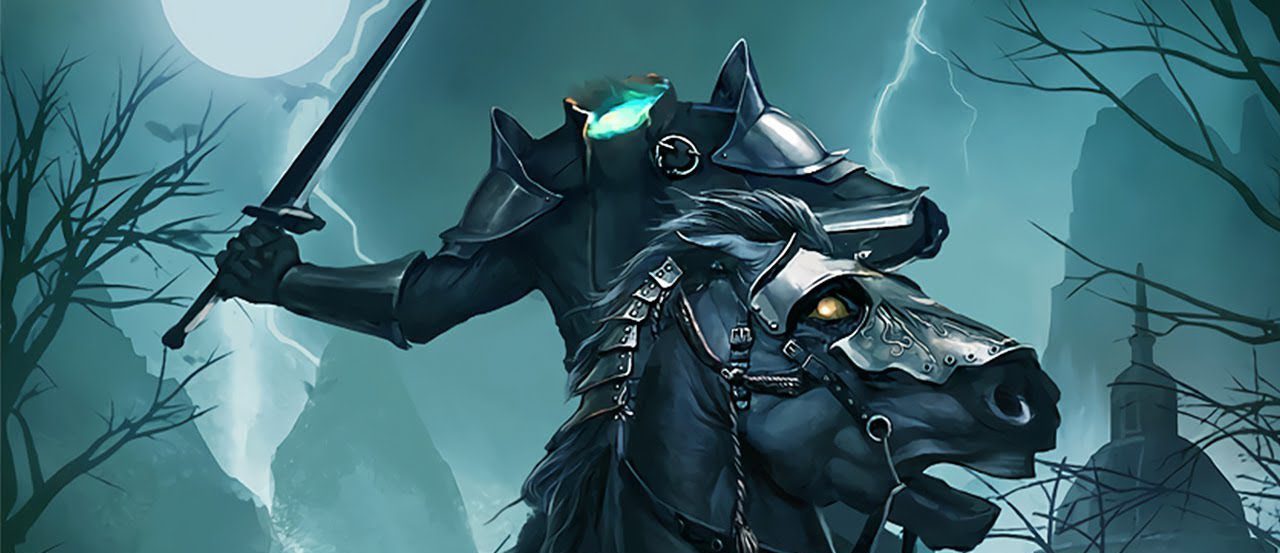
Headless horseman.
According to The Irish Place, looking at the Dullahan will cause immediate blindness. Sorry, but if you hear the evil faerie call out your name, you have been picked as his next death victim. He is a ghoul that prefers the night. On festival days after dusk, the Dullahan, according to the Irish, search for prey.
How Do The Brothers Grimm Explain The Legend?
German folktales from the 1600s that include a headless rider were collected by the Brothers Grimm. The Brothers Grimm introduced the legend at the start of these tales: Any man who commits a crime that calls for decapitation during his lifetime will be sentenced to be headless in his afterlife.
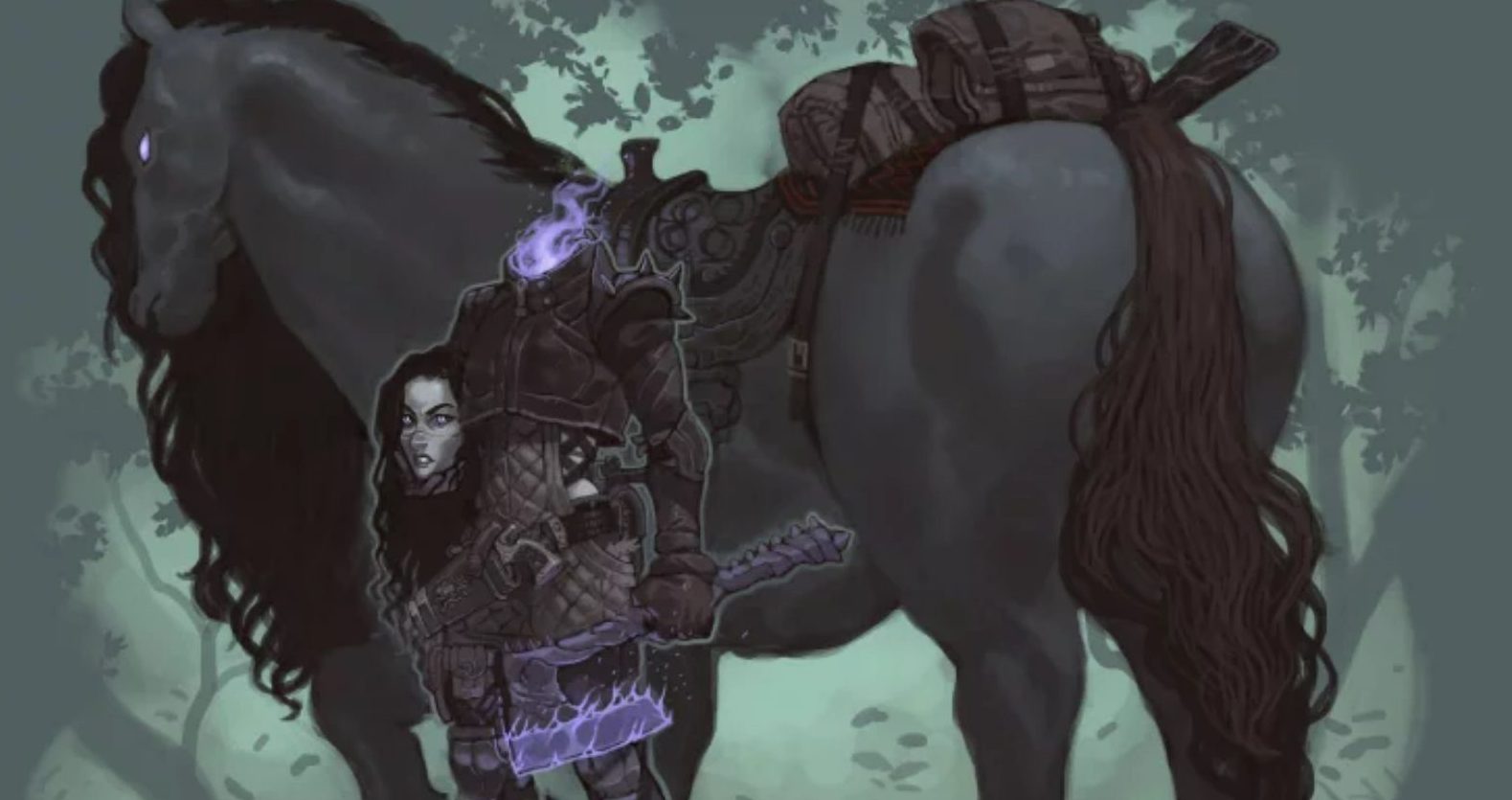
In the Dresden legend “Hans Jagenteufel,” a woman is picking acorns close to the “Lost Waters” section of the woodland when she hears a hunting horn followed by a thump. A rider on a grey horse and wearing a grey cloak stands above the woman when she turns around.
How Do The Brothers Grimm Explain The Legend?
The woman doesn’t give it much thought and keeps gathering acorns. The same horseman meets the woman in the woods the following day, but he is carrying his head this time. The rider introduces himself as Hans Jagenteufel and asks if she collected the acorns without permission before telling the woman that he used to drink too much and take whatever he wanted when he was younger.
His sinful life had doomed him to an awful spiritual existence. The Headless Horseman becomes somewhat of a cautionary tale in this German translation. The Headless Horseman serves as a reminder to the living not to steal to escape his terrible fate.
Scotland’s Headless Soldier
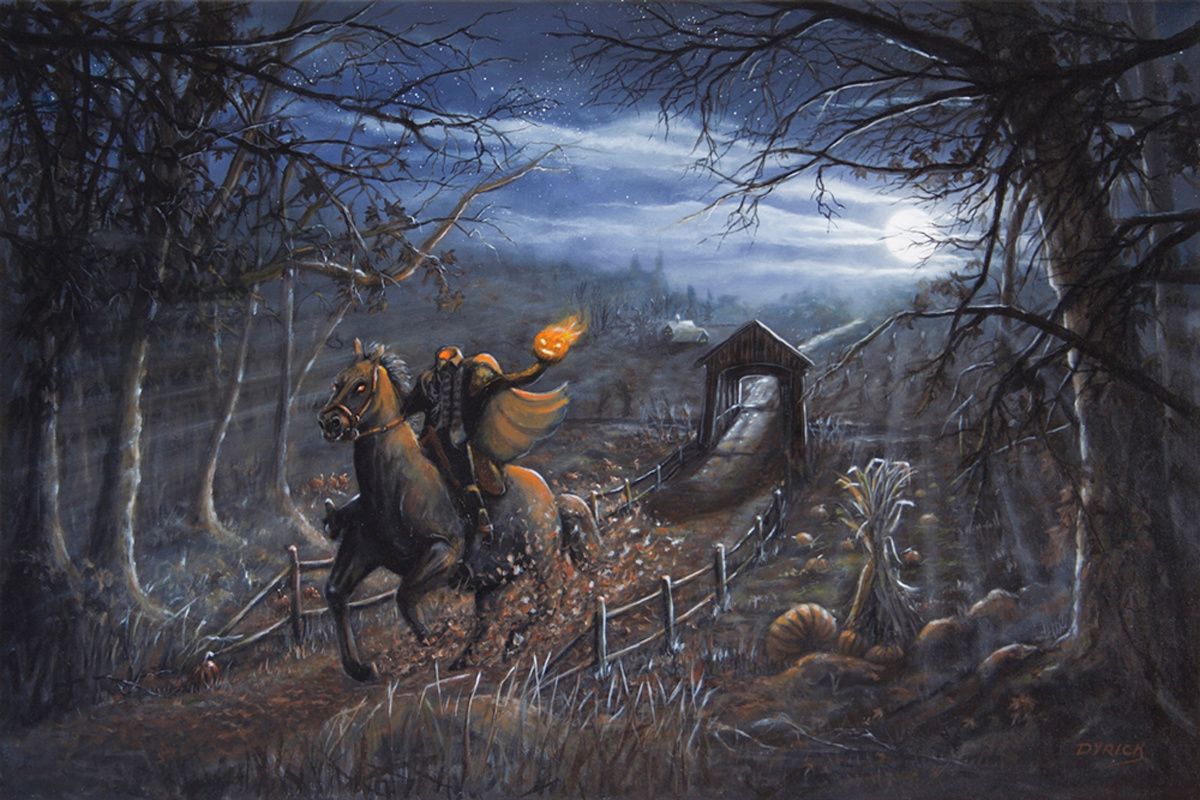
According to Scottish folklore, there was conflict within the Maclaine clan in the 16th century in the Glen More valley (which crosses the Isle of Mull). According to a Scottish author at the Hazelnut Tree, the clan chief Iain Og got into a fight with his son Ewen after denying him property.
Scottish legend.
They prepared a large-scale duel for 1538. But the fairy who washed the blood off garments the day before the combat told Ewen that if his servant forgot to give him butter for breakfast the next day, he wouldn’t make it through the fight. It turned out that Ewen Maclaine’s morning table was devoid of butter.
Was The Headless Horseman A Wild German Huntsman?
Numerous works by Sir Walter Scott, Gottfried Burger’s “A Wild Huntsman,” tales compiled by Karl Musäus, and those of the Brothers Grimm feature the Wild Huntsman, a different German interpretation of the Headless Horseman.
The German legend.
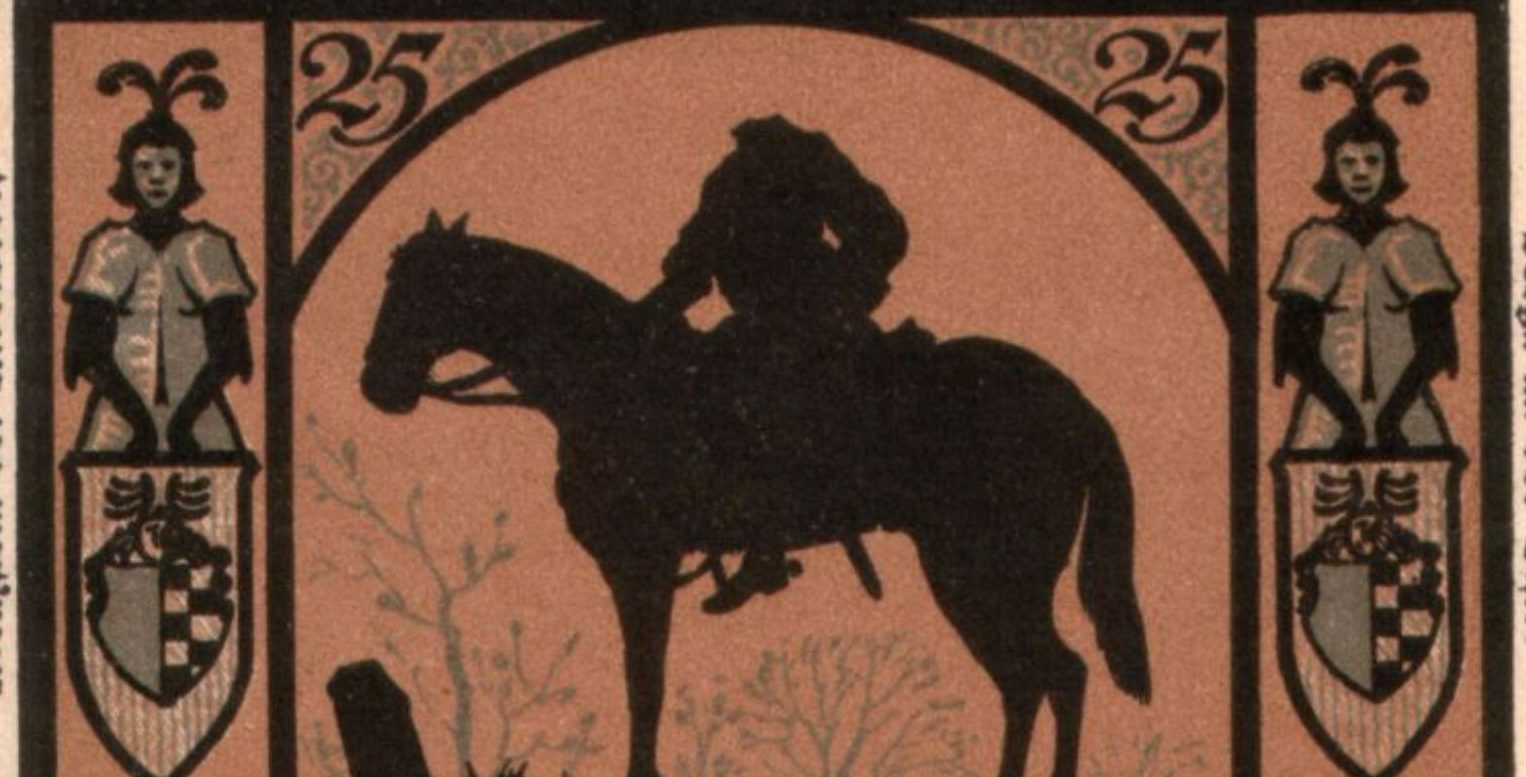
According to a legend in Brunswick, a man by the name of Hackelberg is so dedicated to hunting that, when he passes away, he begs God to keep him on planet Earth to hunt rather than send him to heaven. After that, Hackelberg took on the persona of the Wild Huntsman and spent his time prowling the woods in search of a game.
Hunters are advised not to go hunting the following day if they hear the wild hunter’s booming horn. The Wild Huntsman represented hunting mishaps for Germans and served as a symbol of retribution. The Wild Huntsman sought out those who had mistreated others so he could punish them if he came across them in the woods.
Do The Indian Folktales Mention The Headless Horseman?
Not all jockeys without crowns have threatening backgrounds. The Headless Horseman is truly a hero in Indian tradition. The “Jhinjhr” is a king who has lost his head while protecting his village from bandits or lawmen, per traditions from the Indian states of MP. The Woodland Horse Center, on the other hand, contends that the jhinjhr might have been a Mughal-mounted infantry protecting his prince.
The Legend Of The Sleepy Hollow
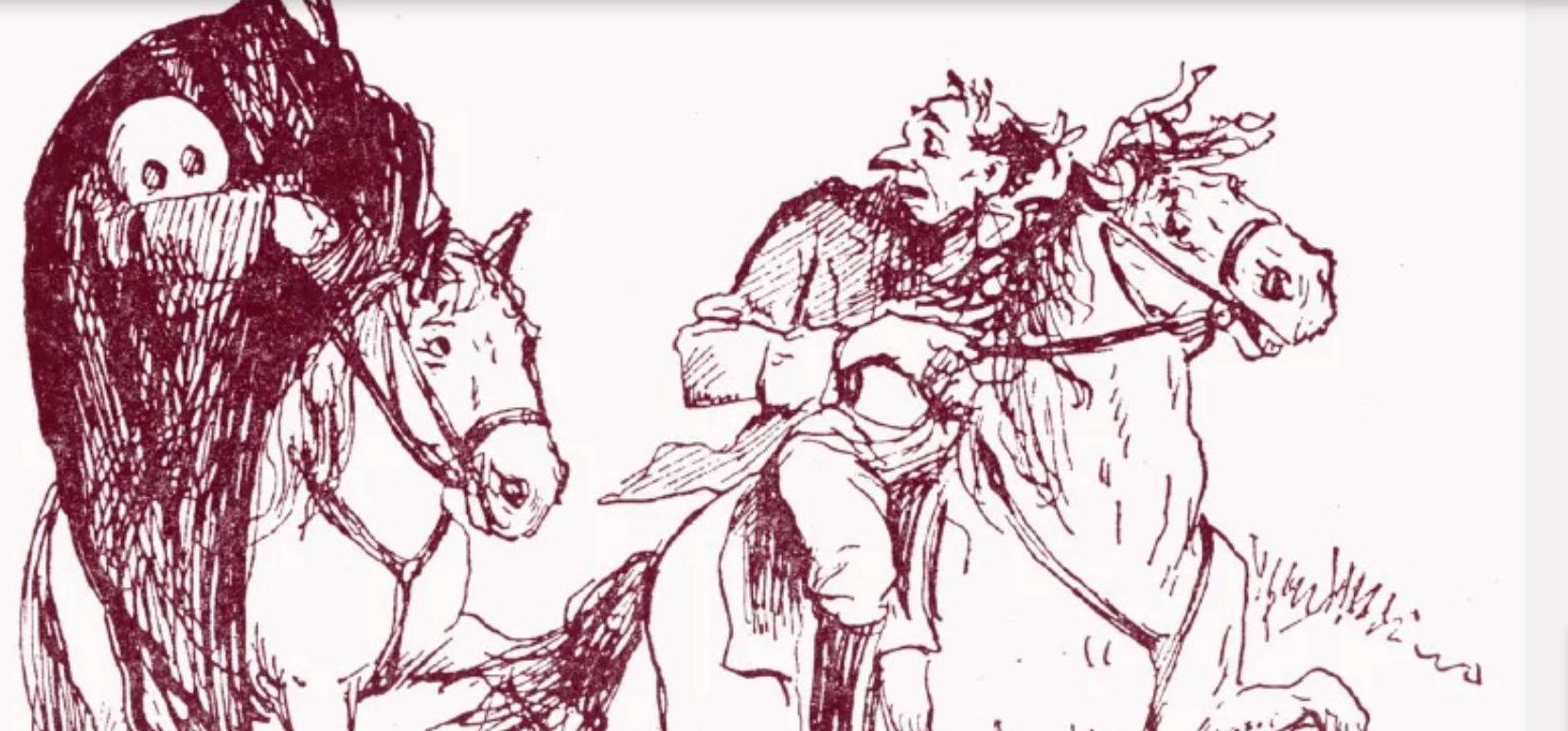
The Headless Horseman is well known to American audiences because of Washington Irving’s 1820 novel “The Legend of Sleepy Hollow.” In Irving’s gothic classic, which is situated close to modern-day Tarrytown, New York, schoolteacher Ichabod Crane learns about the local Dutch tradition of a headless Hessian soldier haunting the Old Dutch Church when he arrives in Sleepy Hollow.
The sleepy hollow.
The superstitious Crane devours these legends about the headless, galloping ghoul. However, he has a romantic rival in the bulky Brom Van Brunt. He also develops feelings for the local 18-year-old princess, Katrina Van Tassel.
The Widely-Talked-About Image Of The Headless Horseman
The Headless Horseman resembles the spectral Hessian soldier wearing his uniform and a black cloak while riding a saddle with his head. The Hessian, who is enormous, rides so quickly that he is likened to the wind.
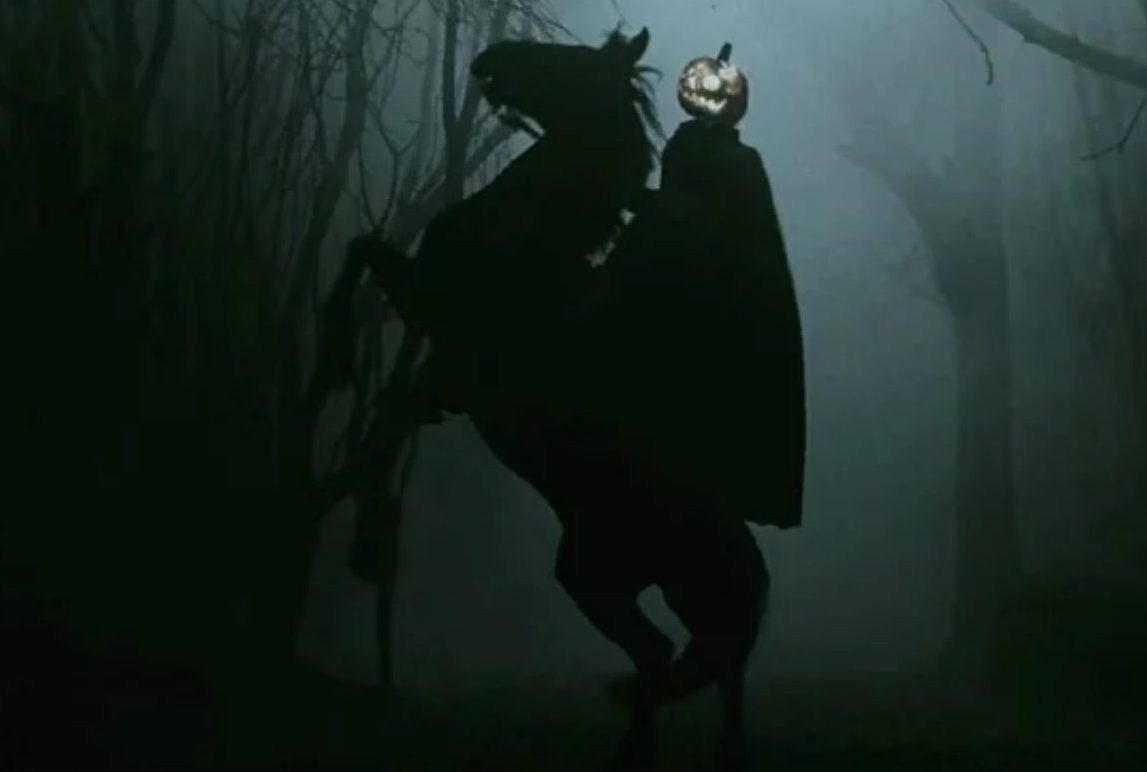
The famous image of the headless soldier.
Despite being uniquely horrifying in and of itself, Irving’s equestrian appears kid-friendly compared to Dullahan from Irish folklore. The Dullahan carries his head high, with a terrible grin, little black eyes, and the stench of rotting flesh, according to Dullahan.com.
This evil fairy from Ireland travels in a black carriage pulled by six horses or on a large black horse, which is occasionally headless. In some versions of the story, this savage creature also wields a whip crafted from a human spine and a pail of blood, as if he weren’t already terrifying enough.
How Did The Headless Horseman Lose His Head?
The horseman was a Hessian soldier fighting in the American Civil War in the original version of “The Legend of Sleepy Hollow.” He can now rise from the grave and pursue travelers since he was beheaded by a cannonball that flew overhead and buried in a grave outside of a church.
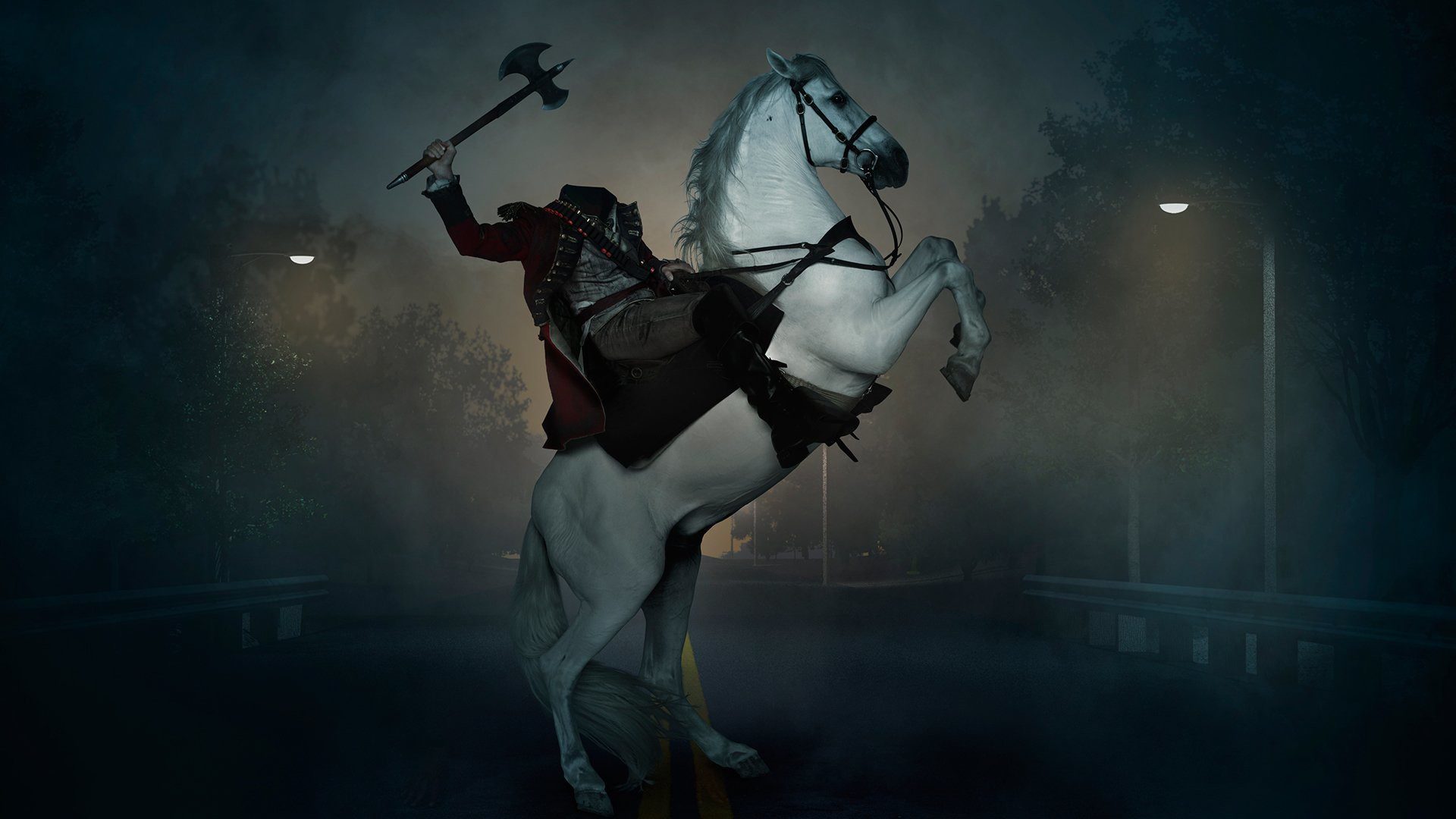
How did the headless soldier lose his head?
When the horseman was still alive in Tim Burton’s “Sleepy Hollow,” his head was cut off and buried with his skeleton. Since his skull’s meaning was taken from his burial, he resides inside the Doom Tree, which is filled with bodies with missing heads.
In preparation for his planned human retribution for having his head taken, the horseman emerges when it is misty around sunset. His head regrows after the conclusion of this film and is never seen again.
What Does The Headless Horseman Signify?
According to Franz Potter, a professor of Gothic studies at the National University, these ghostly figures typically represent the past that continues to haunt the present. Potter stated, “The horseman, like in the old days, still seeks explanations, vengeance, and can’t rest.” “The past pursues us, haunting us, so we never forget it.”

What does the headless soldier actually represent?
Because of this, traditions about the headless horseman frequently develop in many civilizations after wars, tragedies, and famines. For instance, according to The Irish Place, the Dullahan legend gained notoriety in the sixth century after Ireland became Christian and stopped sacrificing to the God Crom Dubh.
As stated by Smithsonian Magazine, Irving’s Headless Horseman also addresses the horrors left behind by the War of 1812 and the yellow fever epidemic. The fear of the Headless Horseman is a relic of our past that hangs over the town of Sleepy Hollow or the isolated towns of Germany like a contagious disease.
