The controversial as Roseanne Barr’s from her hit show “Roseanne” and its spinoff, “The Conners.” Roseanne Conner, the character she portrayed, underwent a significant shift, marking the end of an era and highlighting the impact of real-life events on fictional narratives.
Roseanne Barr, once at the height of her career, found herself in hot water after a single tweet in May 2018. The tweet, which targeted Valerie Jarrett, a former Obama adviser, contained racist remarks. This led to a swift and severe reaction from ABC, which canceled the show’s highly successful revival within hours of the tweet’s publication, despite its top ratings that season.
Despite the cancellation of “Roseanne,” the Conner family’s story was far from over. ABC quickly developed “The Conners,” a spinoff show that would carry on the family’s saga without Roseanne Barr. However, the challenge remained of how to address the absence of Roseanne Conner. This led to a significant decision on how to write her off the series.
The first episode of “The Conners,” titled “Keep on Truckin’,” directly addressed Roseanne’s absence. The Conner family, in mourning, sat around the kitchen table, initially believing that Roseanne had passed away from a heart attack. But the coroner’s report later revealed a truth: Roseanne had died from an opioid overdose, a dramatic twist that provided closure to her departure while reflecting real-life struggles.
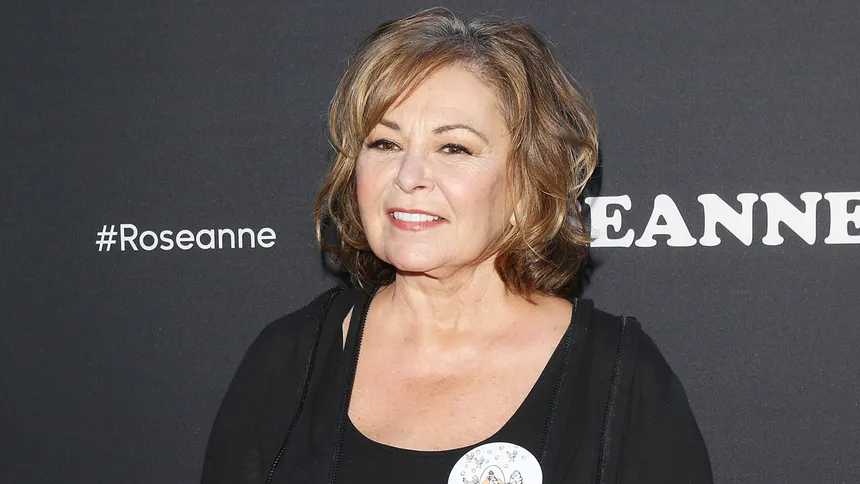
Roseanne Barr (Image via Getty)
Roseanne’s death from an overdose was not only a plot device but a reflection of the larger opioid epidemic affecting many families. It was also a strategic move to distance the show from Barr’s controversial actions, allowing the remaining characters to thrive without the shadow of the previous drama. This shift allowed the show to continue without the baggage of the prior scandal.
After the departure of Roseanne, “The Conners” has continued to evolve. It now explores the ongoing lives of the Conner family, tackling a wide range of social issues, from healthcare to shifting family dynamics. While still capturing the spirit of the original show, it has adapted to modern-day concerns, ensuring the story remains relevant.
The decision to write off Roseanne Conner was a bold move that honored the character’s legacy while paving the way for the show’s progression. It showcased the resilience of the Conner family and the show’s ability to overcome challenges. Today, “The Conners” stands as a testament to the lasting appeal of its characters and the family dynamics that have resonated with audiences for decades.
The Discovery Channel, once celebrated for its educational and documentary programming, has undergone a dramatic transformation in recent years. Once synonymous with learning and exploration, it now leans heavily on reality TV shows. This shift has raised questions and sparked debates about the channel’s changing identity.
One of the primary drivers of this change is audience demand. Discovery, like many other cable networks, has embraced reality TV because it consistently draws larger audiences and higher ratings. Unlike documentaries, reality shows are less expensive to produce, making them a cost-effective way to boost advertising revenue.
The channel has also fallen victim to “network decay,” or channel drift. This occurs when networks shift away from their niche roots to appeal to a broader audience. For Discovery, this has meant moving from specialized educational content to more generalized entertainment. The aim is to attract a wider viewership, even if it means losing their original identity.
Changes in streaming services have also influenced Discovery’s direction. In 2023, Discovery+ removed live feeds from its own and related channels like HGTV and TLC. This decision likely aligns with plans to merge Discovery+ with HBO Max. By cutting costs and consolidating offerings, Discovery aimed to stay competitive in the streaming wars.

Discovery Channel (Image via Getty)
A stark reduction in science and educational programming has been a notable shift for Discovery. Nature documentaries like Planet Earth and Life were once flagship productions in partnership with the BBC. However, when Discovery ended its collaboration with the BBC in 2021, it signaled a significant move away from its roots in factual storytelling.
Discovery’s lineup now features reality TV series like Fast N’ Loud , Street Outlaws , and The Devil’s Ride . These shows focus on topics like car restoration, street racing, and biker gangs—content far removed from the educational focus that initially defined the channel.
Even the iconic Shark Week , once a hallmark of marine education, has shifted toward sensationalism. Critics argue that it now prioritizes entertainment over scientific accuracy, relying on flashy content to drive ratings rather than providing meaningful insights into shark behavior.
The evolution of the Discovery Channel reflects broader trends in media, as channels adapt to shifting viewer preferences and financial pressures. However, the move away from education has left some loyal viewers nostalgic for its former glory.
