In the mysterious world of Lost , the fates of Walt and Michael are as puzzling as the island itself. Their story unfolds through heartache, sacrifice, and unresolved mysteries that continue to delight audiences.
Walt Lloyd, portrayed by Malcolm David Kelley, was introduced as a young boy with a strange connection to the island. His significance was clear from the start, with characters like John Locke sensing something unique about him. In the Season 1 finale, “Exodus Part 3,” Walt is kidnapped by the Others, setting the stage for much of the second season’s plot. The Others’ interest in Walt was not a coincidence; it stemmed from his unusual abilities and his potential role in the island’s fate.
As the series continued, Walt’s role diminished, mainly due to actor Malcolm David Kelley growing older. This made it difficult to maintain Walt’s character as a child. Despite the reduced screen time, Walt remained crucial to the island’s mysteries. His psychic abilities, including projecting images and possibly seeing the future, were central to his enigmatic persona. These powers were hinted at through visions seen by other characters like Shannon and Sayid, who encountered ghostly images of Walt while he was off the island.
Michael, Walt’s father, played a vital role, especially in the second season. His desperate journey to save his son led him to make dire choices. Michael’s betrayal of the survivors in exchange for Walt’s freedom was a pivotal moment in the series. This tragic decision caused a rift between father and son. Michael’s actions, including the deaths of Ana Lucia and Libby, weighed heavily on him, resulting in guilt and regret. His storyline culminated in his death in Season 4.
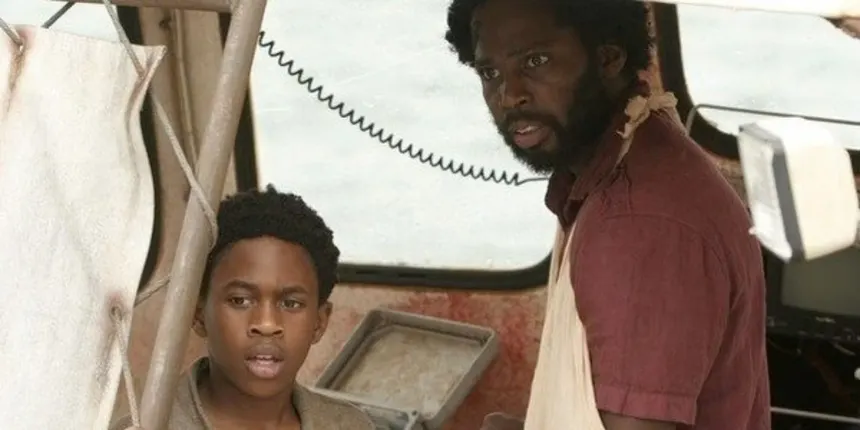
Michael and Walt on Lost (Image via Getty)
After leaving the island, Walt’s life took a darker turn. He was institutionalized at Santa Rosa Hospital under the name Keith Johnson, marking a period of personal turmoil. This phase likely stemmed from both his psychic abilities and the lingering effects of the island. His time in the hospital reflected the lasting impact of the island on those connected to it, even after leaving.
In the epilogue, “New Man in Charge,” Walt’s story came full circle. Hurley and Ben visited him at Santa Rosa Hospital, recognizing his unique link to the island and offering him a role in its future. Walt’s acceptance of this offer hinted at a new beginning, possibly allowing him to find purpose and closure. The possibility that Walt might help Michael’s spirit find peace and reunite with Vincent, the dog, added a sense of resolution.
Michael’s fate, however, was more tragic. He remained tied to the island, unable to “move on” due to his past actions and the island’s mysterious influence. As a ghost, Michael’s whispers to Hurley and others served as a haunting reminder of the island’s power over those deeply connected to it.
The unresolved nature of Walt and Michael’s stories was a deliberate choice by the creators, reflecting Lost ’s broader themes. The mysteries of the island were left open-ended, encouraging fans to form their own conclusions. While some may have desired more closure, the ambiguity surrounding their fates only adds to the show’s enduring appeal and fosters ongoing discussions among its fanbase.
Ultimately, Walt and Michael’s journeys in Lost are a testament to the show’s ability to craft complex narratives that leave lasting questions. Their unresolved stories serve as poignant reminders of the island’s profound influence on the lives of those it touched.
The controversial as Roseanne Barr’s from her hit show “Roseanne” and its spinoff, “The Conners.” Roseanne Conner, the character she portrayed, underwent a significant shift, marking the end of an era and highlighting the impact of real-life events on fictional narratives.
Roseanne Barr, once at the height of her career, found herself in hot water after a single tweet in May 2018. The tweet, which targeted Valerie Jarrett, a former Obama adviser, contained racist remarks. This led to a swift and severe reaction from ABC, which canceled the show’s highly successful revival within hours of the tweet’s publication, despite its top ratings that season.
Despite the cancellation of “Roseanne,” the Conner family’s story was far from over. ABC quickly developed “The Conners,” a spinoff show that would carry on the family’s saga without Roseanne Barr. However, the challenge remained of how to address the absence of Roseanne Conner. This led to a significant decision on how to write her off the series.
The first episode of “The Conners,” titled “Keep on Truckin’,” directly addressed Roseanne’s absence. The Conner family, in mourning, sat around the kitchen table, initially believing that Roseanne had passed away from a heart attack. But the coroner’s report later revealed a truth: Roseanne had died from an opioid overdose, a dramatic twist that provided closure to her departure while reflecting real-life struggles.
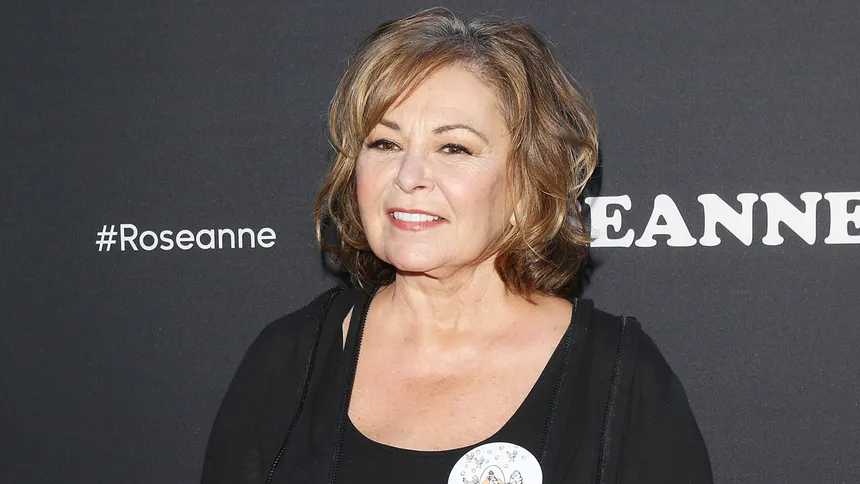
Roseanne Barr (Image via Getty)
Roseanne’s death from an overdose was not only a plot device but a reflection of the larger opioid epidemic affecting many families. It was also a strategic move to distance the show from Barr’s controversial actions, allowing the remaining characters to thrive without the shadow of the previous drama. This shift allowed the show to continue without the baggage of the prior scandal.
After the departure of Roseanne, “The Conners” has continued to evolve. It now explores the ongoing lives of the Conner family, tackling a wide range of social issues, from healthcare to shifting family dynamics. While still capturing the spirit of the original show, it has adapted to modern-day concerns, ensuring the story remains relevant.
The decision to write off Roseanne Conner was a bold move that honored the character’s legacy while paving the way for the show’s progression. It showcased the resilience of the Conner family and the show’s ability to overcome challenges. Today, “The Conners” stands as a testament to the lasting appeal of its characters and the family dynamics that have resonated with audiences for decades.
