When Gandalf (Ian McKellen) says, “I will not say do not weep, for not all tears are evil,” in The Lord of the Rings: The Return of the King, many viewers are already crying a lot.
This moment comes in the ending sequence of the third movie in Peter Jackson’s trilogy, which is both sad and hopeful.
It starts with Aragorn (Viggo Mortensen) becoming the king of Gondor and ends with Frodo (Elijah Wood) and Gandalf leaving Middle-earth behind for Valinor, a place for the Elves.
The Hobbits return to the Shire, and this marks the start of the Fourth Age. But what happens in Middle-earth after Sauron’s final defeat? Luckily, J. R. R. Tolkien shown more about Middle-earth’s future, explaining how the world moves on.
The Age of Men Begins with Aragorn as the New King of Gondor
In The Return of the King, Gondor is a kingdom that has lost its strength and is trying to keep its influence over the South. Boromir (Sean Bean) and Faramir (David Wenham) achieve great victories during the War of the Ring.
However, their father, Denethor (John Noble), the steward of Gondor, is not as eager as his sons to see Gondor regain its former glory.
After Denethor falls in the Battle of the Pelennor Fields, Aragorn steps up to take the throne. The situation calls for strong and inspiring leadership that only the true heir to the line of Elendil and Isildur can provide.
In the movies, Aragorn often hesitates about fulfilling his destiny as the heir to the throne of Gondor. However, in the books, this is a goal he thinks about from the beginning. He talks about it a lot, even when Boromir is by his side.
Regardless, Aragorn becomes the new king, the first Gondor has had in centuries since the line of Isildur was broken. As King Elessar, he marries the love of his life, Arwen (Liv Tyler).
Together, they have a son, Eldarion, and two daughters. Aragorn’s rule lasts for 120 years, and after that, Eldarion inherits the throne.
Aragorn’s reign is a time of peace and cooperation. He strengthens the bonds of Gondor with Rohan, which is now ruled by King Éomer (Karl Urban). The last remnants of Sauron’s influence in Rhûn and Harad are also defeated.
Aragorn even gives land by Lake Núrnen, which used to be part of Mordor, to the Easterlings so they can settle there and live peacefully. He also re-establishes the ancient realm of Arnor in the North. Aragorn becomes the High King of both Gondor and Arnor, ensuring protection for the Shire.
These actions help make the start of the Fourth Age a time of peace and prosperity, but it is unknown how long this will last, as Tolkien does not go into much detail about this in his writings.
The Dominion of Men Means Magic Slowly Fades from Middle-earth
In the Second Age, one main concern for the Elves was the fading of the Light of the Eldar, which symbolizes the magic that existed in Middle-earth at that time. To solve this problem and stop the Light from fading, they made the three Elven Rings, as seen in The Lord of the Rings: The Rings of Power.
These rings help the Elves keep their light from disappearing. However, all the Rings of Power are connected to the One Ring, which was forged by Sauron. Once the One Ring is destroyed in The Return of the King, the Rings of Power lose their abilities and become simple heirlooms from a time when magic was still alive in Middle-earth.
Because of this, the Elves, like Galadriel (Cate Blanchett) and Elrond (Hugo Weaving), must leave Middle-earth and go to the Undying Lands of Valinor. As the Light of the Eldar diminishes, places like Rivendell and Lórien slowly fade, becoming distant memories.
Other races, like the Dwarves and Hobbits, begin to disappear as well. Dwarves initially cooperate with Men, but a few centuries into the Fourth Age, they lose interest in surface affairs and keep to themselves in their mountain homes. The same goes for Hobbits. According to Tolkien, they still exist in the countryside but prefer to avoid any contact with humans.
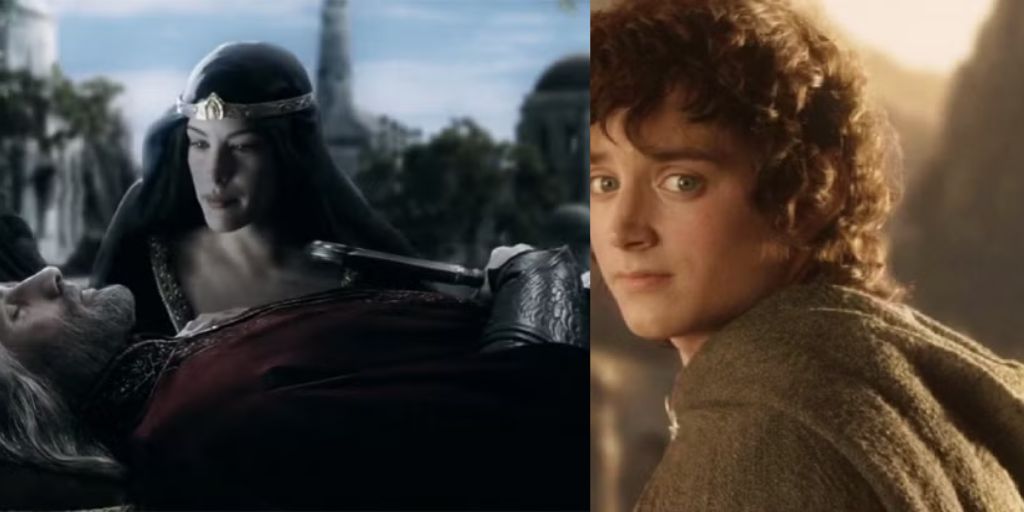
Still form The Lord of the Rings: The Return of the King (Credit: Max)
As for the members of the Fellowship of the Ring, Samwise Gamgee (Sean Astin) marries Rosie Cotton (Sarah McLeod), and they have a large family. He, Merry (Dominic Monaghan), and Pippin (Billy Boyd) become mayors of their respective areas in the Shire and also serve as advisors to King Elessar.
Sam is eventually allowed into Valinor to spend the rest of his days with Frodo, while Merry and Pippin are laid to rest beside Aragorn in Minas Tirith. Legolas (Orlando Bloom) and Gimli (John Rhys-Davis) also leave for Valinor, making Gimli the only Dwarf permitted in the Undying Lands.
Tolkien’s World Continues All the Way into the Seventh Age
Thinking about Middle-earth after The Lord of the Rings is emotional. However, Tolkien makes it clear in his writings that these events are supposed to be the distant past of our own world. These events took place, and Arda (the world) continued after the Fourth Age.
In Letter 211 and in The Nature of Middle-earth, Tolkien concludes that the passing of the ages has “quickened,” meaning the world is now in the Seventh Age. What happens in the Fifth and Sixth Ages is unknown. Still, the ages of Middle-earth usually end with the defeat of a Dark Lord, which is a safe assumption.
An interesting part of Tolkien’s tales is the Athrabeth Finrod ah Andreth, a section in the book Morgoth’s Ring. This is a conversation between the Elf Finrod Felagund (played by Will Fletcher in The Rings of Power) and the human woman Andreth.
They debate topics like mortality and the nature of the divine. Finrod believes that understanding these issues is beyond Elves, Men, and even the Valar. Following that, Andreth mentions the ancient Edain prophecy of the Old Hope.
This is a deep belief that some humans have about a possible future intervention by Eru Ilúvatar (who is really God) to heal the world and fix the damage caused by Morgoth’s corruption. The prophecy says that one day, Eru might enter into Arda directly to bring about the redemption and restoration of the world.
This idea connects to Tolkien’s own Christian beliefs, especially the idea of incarnation—the belief that God could take human form to heal the world. This idea parallels the Christian understanding of Jesus Christ.
While the Athrabeth does not directly link this hope to any specific religious doctrine, Tolkien’s theological ideas subtly influence this vision of divine intervention.
He even came up with an alternative idea for the Apocalypse, called the Dagor Dagorath, after which the reshaping of Arda would take place. However, his son, Christopher Tolkien, mentions in Morgoth’s Ring that he later abandoned these ideas.
So, if we take Tolkien’s concept literally, it suggests that Middle-earth is still continuing, now as the world we live in. We are dealing with the corruption of Morgoth. Eru has already entered the world, and what happens next seems to be in our hands.
Life in Middle-earth After the War of the Ring
After the War of the Ring, life continues for many characters in Middle-earth. Each character faces new challenges and adventures in the peace that follows. The impact of Sauron’s defeat is felt throughout the lands, as old alliances are strengthened, and new friendships are formed.
In Gondor, Aragorn’s rule brings a time of renewal. He focuses on rebuilding the city and restoring its former glory. People feel a sense of hope, and the lands prosper under his guidance.
The people of Gondor enjoy peace, and trade increases with neighboring kingdoms. Aragorn also values the advice of his friends and allies, including Legolas and Gimli, who play important roles in the new kingdom.
In Rohan, King Éomer takes over after Théoden’s death. He works to strengthen ties with Gondor and protects his people from any remaining threats.
Éomer leads his riders into battle against any who dare to disrupt the peace. Under his rule, Rohan thrives, and its people celebrate their culture and traditions. The bond between Rohan and Gondor grows stronger as they work together to face any challenges.
In the Shire, life goes on in a peaceful manner. The Hobbits enjoy their simple pleasures. They plant gardens, tend to their farms, and hold celebrations.
Sam, Merry, and Pippin bring joy to the Shire. Sam raises a large family and becomes a respected leader in the community. He often shares stories of their adventures and inspires the younger generation.
The Dwarves and Their New Paths
The Dwarves, led by Gimli, continue their work in the mountains. They rebuild their homes and strengthen their defenses. Gimli becomes a bridge between Dwarves and Elves. His friendship with Legolas symbolizes a new era of cooperation between races. They show the beauty of Middle-earth together, creating a bond that lasts beyond their lifetimes.
As time passes, the Dwarves start to withdraw from the affairs of Men. They become more focused on their own communities and treasures. While they appreciate their past alliances, they choose to remain separate. The Dwarves find comfort in their mountain homes, crafting beautiful items and honoring their ancient traditions.
The Legacy of the Fellowship
The members of the Fellowship continue to honor their past and the sacrifices made during the War of the Ring. Sam carries the memory of Frodo and their journey to destroy the One Ring. He shares stories of bravery with his children and grandchildren. These tales become part of the Shire’s history.
Merry and Pippin also reflect on their adventures. They become respected leaders in their own right, guiding the Shire and making important decisions. They remain close friends with Sam and support each other through challenges.
Legolas and Gimli often return to the Shire to visit their friends. They share stories of their travels and adventures in other lands. Their friendship represents the unity between races and the importance of standing together against darkness.
The Fate of the Elves
As the Elves depart for Valinor, their absence leaves a significant impact on Middle-earth. Places once vibrant with magic start to fade. Rivendell and Lórien become quiet and distant memories. The beauty and wonder of the Elves’ magic slowly diminish, marking the end of an era.
Galadriel, Elrond, and other Elves find peace in the Undying Lands. They live in harmony, free from the worries of Middle-earth. However, their departure leaves a longing for the magic that once was.
The Future of Middle-earth
As Middle-earth continues into the Fourth Age, new challenges arise. While peace reigns, there are whispers of dark forces lurking in the shadows. The people remain vigilant, knowing that threats can emerge at any time. Aragorn, Éomer, and other leaders work together to ensure the safety of their lands.
Tolkien hints at the possibility of new adventures in the Fifth and Sixth Ages. The world evolves, and with it, the stories of its inhabitants. Although the details remain a mystery, the spirit of bravery and friendship continues to guide the people of Middle-earth.
Eru Ilúvatar and the Promise of Hope
Tolkien’s writings convey a deep sense of hope for the future of Middle-earth. The prophecy of the Old Hope suggests that divine intervention may come one day to heal the world. The belief in Eru Ilúvatar’s eventual return resonates with many characters in Tolkien’s tales. They hold onto the idea that goodness will triumph over evil.
This message reflects Tolkien’s own faith and belief in redemption. The struggles faced by the characters mirror the challenges faced by humanity. The journey of the Fellowship shows that hope exists even in the darkest times.
The Enduring Legacy of Middle-earth
The legacy of Middle-earth lives on in the hearts of its inhabitants. Stories of courage, friendship, and sacrifice continue to inspire future generations. The bonds formed during the War of the Ring create a sense of unity that lasts long after the battles have ended.
As the ages pass, the influence of the past shapes the future. The experiences of the characters serve as lessons for those who come after them. The themes of love, bravery, and resilience echo through time, reminding everyone that even in the face of adversity, hope endures.
Middle-earth Today
Today, the world may appear different, but the spirit of Middle-earth continues to exist. People live with the lessons learned from Tolkien’s tales. The struggles and triumphs of the characters remind us of our shared humanity.
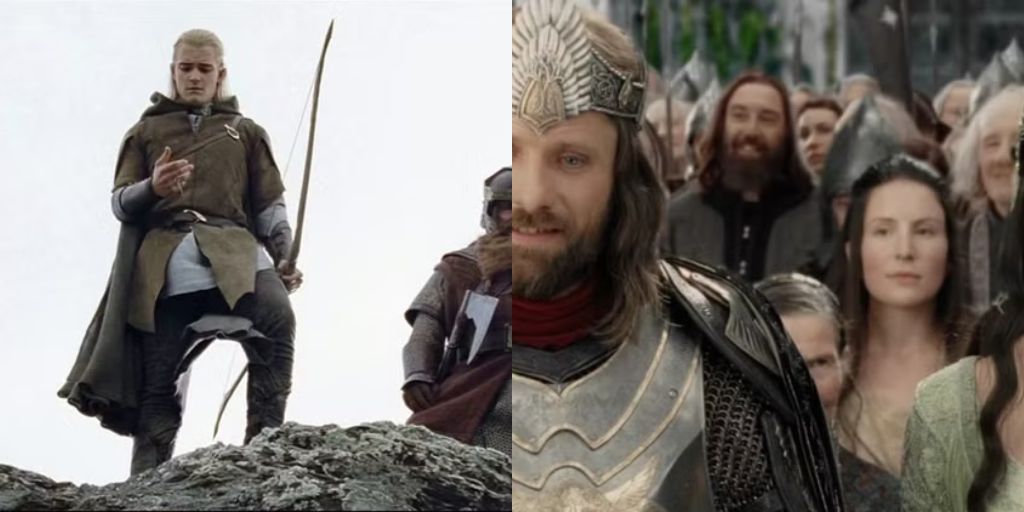
Still form The Lord of the Rings: The Return of the King (Credit: Max)
Just like the heroes of Middle-earth, we face challenges and uncertainties. However, we can choose to stand together and support one another. The friendships and alliances formed in the stories remind us of the power of unity.
Conclusion: The Ongoing Journey of Middle-earth
As we reflect on the future of Middle-earth, we see that it is a world full of possibilities. The events following the War of the Ring show that life goes on, and new adventures await. The hope for redemption and healing remains a powerful theme in Tolkien’s works.
The legacy of the Fellowship, the resilience of the people, and the enduring magic of Middle-earth inspire us to embrace our journeys. Just as the characters faced their destinies, we too can shape our own futures.
The story of Middle-earth is not just a tale of the past; it is a reminder that we hold the power to create a better world, one filled with hope, courage, and love.
Now that the fourth and final season of Superman & Lois is upon us, it is crucial to address some significant character developments, especially concerning Jordan Kent, played by Alex Garfin. Fans have seen Jordan grow in some ways, but he seems to be struggling with his identity and responsibilities as a superhero.
Despite gaining powers and earning the title of Kansas’ latest “Superboy,” it feels like he has not matured as much as fans hoped since his family first moved to Smallville.
While Jordan has experienced changes, his lack of impulse control has become a more pressing issue, particularly now that his father, Superman, is absent. This absence brings new challenges for Jordan, pushing him into a position where he must learn to manage his powers and emotions effectively.
Jordan’s Journey: Growth and Challenges
Jordan’s character journey has not been without its obstacles. When his family relocated from Metropolis to Smallville, Jordan faced various emotional and mental health challenges. The transition to a smaller town was difficult for him, leading to feelings of isolation and uncertainty.
Throughout the earlier seasons, he has shown moments of growth, such as developing friendships and learning about his abilities. However, his biggest problem remains his inability to restrain himself, which often leads him to make hasty decisions without considering the consequences.
Jordan’s father, Clark Kent, portrayed by Tyler Hoechlin, serves as a mentor and role model for him. Clark has effectively balanced his dual identity as Superman and Clark Kent by mastering his abilities and keeping his emotions in check.
He learned the importance of maintaining his secret identity and the responsibility that comes with his powers. Unfortunately, despite having Superman as a mentor, Jordan has not followed in his father’s footsteps. When faced with challenges, Jordan often reacts impulsively rather than thoughtfully, which puts himself and his loved ones in jeopardy.
Impulse Control: A Growing Concern
The issue of impulse control is central to Jordan’s character. From the very beginning, viewers have witnessed his tendency to act on instinct rather than taking a moment to assess the situation. This pattern has become increasingly apparent, particularly in light of recent events in the series.
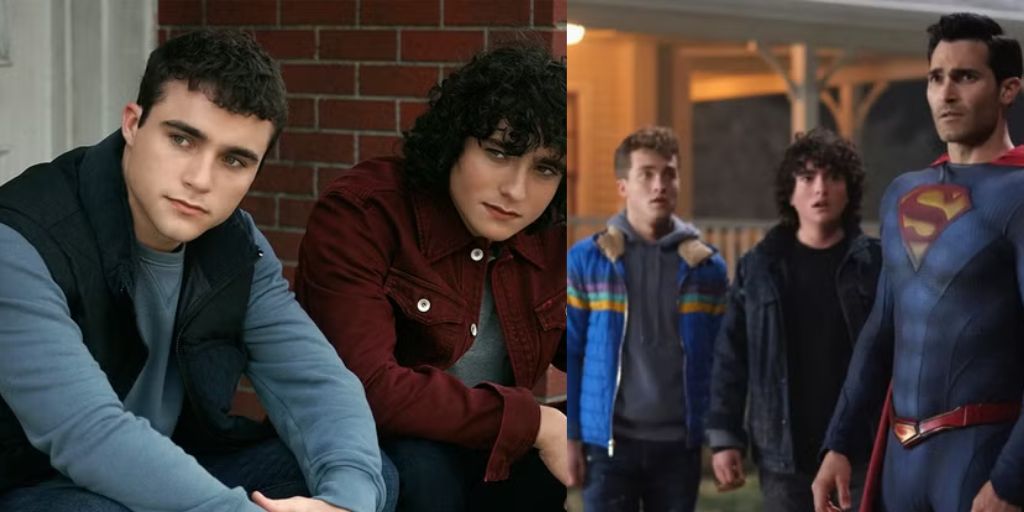
Still from Superman & Lois (Credit: CW)
For example, his behavior around Sarah, played by Inde Navarrette, has often crossed boundaries. Jordan’s relentless pursuit of her, coupled with his emotional outbursts, highlights his struggles with self-control. He often acts on his feelings rather than thinking through the potential consequences of his actions.
One of the most notable examples of Jordan’s impulsivity was his “reveal to the world” moment from the previous season.
Instead of taking the time to consider the impact of his actions, he chose to expose himself and his powers, creating a media frenzy and putting his family at risk. This incident illustrates his ongoing struggle to understand the weight of his decisions and the responsibilities that come with being a superhero.
Mental Health and Growth
In the first season, Jordan’s impulsive behavior could be explained as part of his mental health struggles. He faced many challenges when the Kents moved to Smallville, grappling with anxiety and feelings of inadequacy. With the support of his family and friends, particularly his brother Jon and Sarah, he worked through many of his issues.
However, despite this progress, it appears that Jordan has not taken any active steps to improve his self-control. He continues to make similar mistakes repeatedly, which raises questions about his growth as a character.
In contrast, Jon, portrayed by Michael Bishop, has shown significant growth since the series began. After making mistakes in Season 2, he learned from them and has made a conscious effort to be more level-headed. Jon has taken his father’s lessons to heart and strives to be a responsible and reliable person.
He still makes mistakes but uses them as learning experiences, which is a key part of growing up. This contrast between the brothers emphasizes Jordan’s struggles and the need for him to mature into the hero he aspires to be.
The Role of Family and Mentorship
With Superman gone and the threat of Lex Luthor looming, Jordan finds himself at a critical crossroads. The absence of his father leaves him without a guiding force, which makes his impulsive decisions even more concerning.
Clark’s teachings were vital in helping Jordan understand the importance of restraint and responsibility. Without those lessons, Jordan risks losing his way and endangering not only himself but also those around him.
Lois Lane, played by Elizabeth Tulloch, is another crucial figure in Jordan’s life. Although she has a strong personality and often rushes into situations, she has also faced the consequences of her actions.
Jordan shares some traits with his mother, including a tendency to act without thinking, which can lead to reckless decisions. Both Jordan and Lois have relied on Superman to come to their rescue, but now they must learn to face their challenges without his guidance.
As the season progresses, Jordan needs to recognize the value of taking a step back and planning his actions, especially when dealing with formidable foes like Lex Luthor.
The need for careful consideration and strategy has never been more critical. Jordan must confront the reality that he cannot rely solely on his powers; he must also use his intellect and emotional intelligence to make sound decisions.
The Importance of Brotherhood
The relationship between Jordan and Jon has always been an essential aspect of the series. Jon’s character often mirrors that of their father, embodying the qualities of patience, wisdom, and responsibility.
As the older brother, Jon has previously played a vital role in helping Jordan manage his emotions, especially during panic attacks and moments of crisis. With Clark out of the picture, Jon may need to step up even more to help guide Jordan through this challenging time.
As Jordan continues to face obstacles and confront his impulsivity, Jon’s support may become increasingly valuable. Their bond could be the key to helping Jordan gain control over his emotions and powers.
Together, they can repair their relationship and work toward becoming the heroes their father envisioned them to be. This dynamic presents an exciting opportunity for character development, as both brothers learn to rely on each other in new and meaningful ways.
The Journey to Becoming the Man of Steel
As the fourth season unfolds, fans are eager to see whether Jordan can evolve into the true hero he aspires to be. With Superman’s absence and the looming threat of Lex Luthor, this moment may serve as a wake-up call for him. Jordan is at a crossroads; he can either continue down a reckless path or embrace the lessons he has learned and grow into his role as a superhero.
The final season presents an opportunity for Jordan to reach his potential. He must confront his flaws, acknowledge the consequences of his actions, and take ownership of his responsibilities.
This journey will not be easy, but Jordan must develop the qualities that will define him as the next Man of Steel. As he faces challenges and learns from his mistakes, fans will be rooting for his growth and development.
Facing Lex Luthor
The emergence of Lex Luthor, portrayed by Michael Cudlitz, adds another layer of complexity to Jordan’s journey. Luthor is a formidable adversary, known for his cunning intellect and ruthless tactics.
With Luthor now aware of the Kent family’s secrets, Jordan must tread carefully. His impulsive actions could put everyone he cares about in danger, making it more important than ever for him to think before he acts.
In the past, Luthor has proven to be a master manipulator, exploiting the weaknesses of those around him. Jordan’s lack of impulse control could make him an easy target for Luthor’s schemes.
To combat this threat, Jordan must learn to approach situations with caution and strategic thinking. He cannot afford to let his emotions cloud his judgment, especially when dealing with an opponent like Luthor.
The Potential for Redemption
Jordan’s journey this season may also mirror themes of redemption and growth. Many characters in the series have faced their struggles and have found ways to rise above them.
For Jordan, this could mean confronting his flaws head-on and working to overcome them. As he learns to manage his powers and emotions, he can prove to himself and others that he is capable of becoming a true hero.
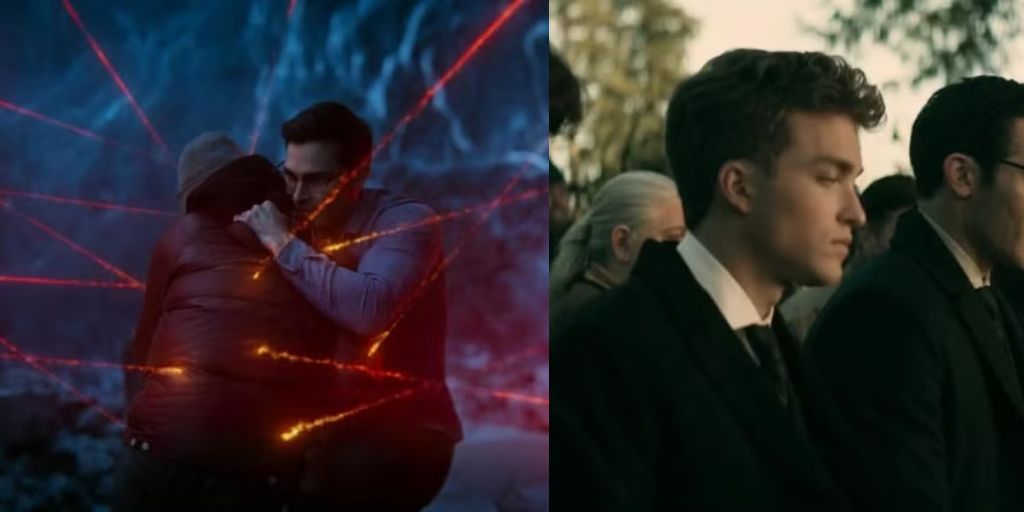
Still from Superman & Lois (Credit: CW)
Ultimately, the final season of Superman & Lois holds great potential for Jordan Kent. His character arc is a compelling scheme of growth, responsibility, and the importance of family support. Fans are eager to see how he faces these challenges and whether he can emerge as the hero he was meant to be.
A Journey Worth Following
As the story unfolds, Jordan’s journey in Superman & Lois will continue to impress audiences. His struggles with impulse control, his evolving relationship with Jon, and the looming threat of Lex Luthor all contribute to a rich narrative filled with potential.
Viewers will be watching closely to see how Jordan responds to the challenges ahead and whether he can truly embody the spirit of the Man of Steel.
In a world where heroes are defined not only by their powers but also by their character, Jordan Kent stands at a pivotal moment.
It is a time for him to rise to the occasion, learn from his mistakes, and prove himself as a worthy successor to his father. The final season promises to be an exciting and transformative journey for Jordan and his family, making it a story worth following until the very end.
