The US Open Golf tournament is one of the four majors in professional golf. It is an annual event that takes place in the United States and is open to both professionals and amateurs. The US Open has a unique structure compared to other golf tournaments, and it’s important to understand this structure if you want to follow along with the action! This article will take a closer look at the US Open tournament structure and explain everything you need to know about it.
The US Open is one of the biggest golf tournaments in the world, and it takes place every year in the United States of America. The tournament has a rich history dating back to 1895, and each year there are plenty of exciting matchups and moments that keep fans coming back for more.
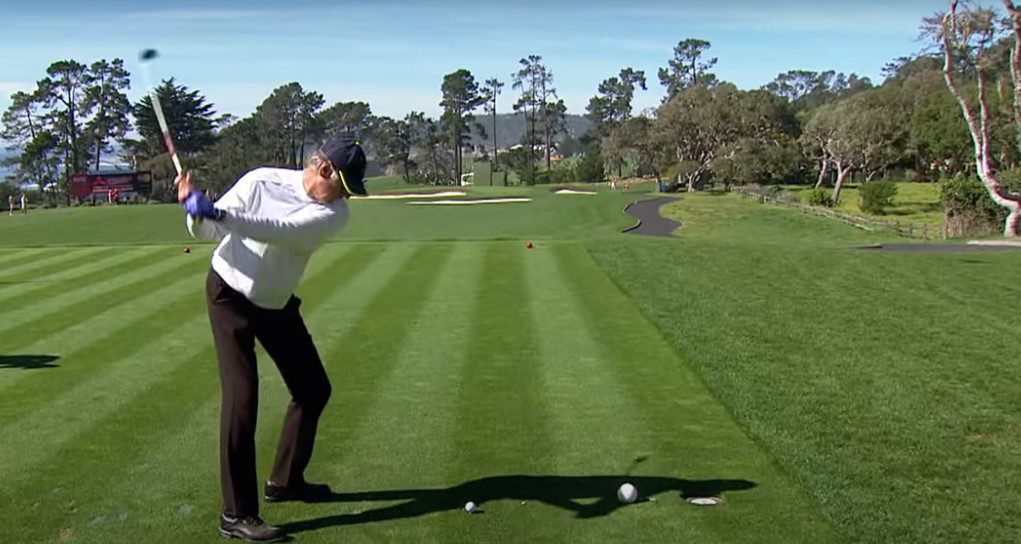
Golf is more popular than ever!
History Of The US Open
On a nine-hole course, the first US Open was held on October 4, 1895, at the Newport Country Club in Newport, Rhode Island. It was a 36-hole competition that was completed in one day. Ten professionals and one amateur took part. Horace Rawlins was the winner, a 21-year-old Englishman who had arrived in the United States earlier that year to take up a position at the host club. He received $150 cash from a prize fund of $335 and a $50 gold medal; his club received the USGA-presented Open Championship Cup trophy.
The tournament was fully dominated by experienced British players until John J. McDermott won the tournament for the United States. Soon after, American golfers began to win regularly, and the game became one of the four majors. Since 1911, the title has been dominated by American players. Only six countries different from the United States have won the championship since 1950, with South Africa winning five times since 1965. For the first time since 1910, a streak of four consecutive non-American winners occurred from 2004 to 2007.
US Open Structure
The US Open is played over four days, Thursday through Sunday. It starts with two rounds of 18 holes each, followed by a cut to the lowest 70 scores and ties after 36 holes. The tournament then continues with two more rounds of 18 holes each, for a total of 72 holes. If there is a tie after 72 holes, an 18-hole playoff is held on Monday to determine the winner.
In recent years, the US Open has been played at various golf courses across the country. However, it is typically held at a course located in or near a major city. This allows more fans to attend the tournament and watch the action live. The US Open is one of the most prestigious golf tournaments in the world, and it attracts a large number of top-level players. In order to compete in the US Open, players must first qualify by finishing in the top 60 of the Official World Golf Ranking or winning a qualifying tournament.
What Is The US Open Prize?
The purse for the US Open got a bump last year to 22.5 million dollars. So, if you win, you get US$ 3.15 million. The total prize money payouts on the PGA Tour for the 2021-22 season have increased to $427 million, up from $367 million the previous year. Even so, the Players Championship has the highest prize money payout ($20 million) of the four majors.
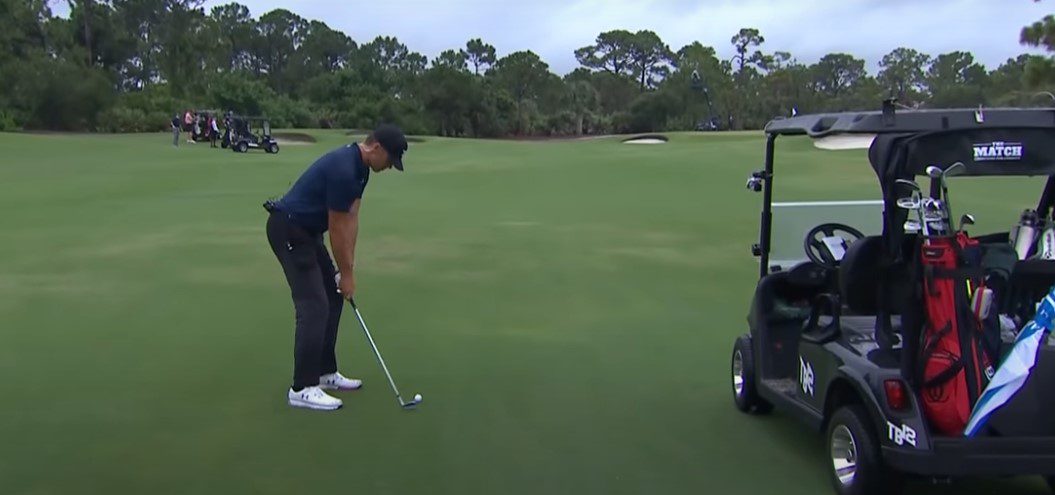
Do you have what it takes to win the US Open?
Why Is Golf So Popular?
Golf is a popular sport for many reasons. It can be played by people of all ages and skill levels, and it is a great way to get outside and enjoy the fresh air. Golf is also a social game, and it’s a great way to meet new people and make new friends. In addition, golf is a challenging sport that can be very rewarding. There is nothing quite like sinking a long putt or hitting a hole-in-one! If you’re thinking about taking up golf, we encourage you to give it a try! It’s a great game that can be enjoyed by people of all ages and skill levels. Thanks for reading, and we hope you enjoy your round of golf!
Although the ending of Spielberg’s “theme park gone wrong” catastrophe thriller is not as complex as some sci-fi movies, there are depths to Spielberg’s Jurassic Park that not everyone noticed on first viewing. Jurassic Park was a huge smash for Jaws filmmaker Steven Spielberg when it was released in 1993, and it was a unique blockbuster that received both critical and financial accolades. The film combined criticism on scientific research with mile-a-minute thrills to great effect, telling the simple premise of a theme park filled with cloned dinosaurs that quickly turns into a nightmare.
With the earlier smash Westworld, writer Michael Crichton had previously visited similar material. The film adaptation of Jurassic Park, on the other hand, was a more family-friendly hit with compelling characters and some of the best tense set-pieces ever. However, beneath the film’s dramatic, entertaining action, both the original writer and Spielberg provide much symbolism and reflection on science, tech, and humanity’s greed.
Jurassic Park Plot Explained
The original “Jurassic Park” introduced audiences to the premise of a theme park built on real dinosaurs… as well as all of the fatal flaws that such an idea entails. When a hacker’s software command, along with a tropical storm, wipes down the island’s energy grid, which regulates everything from the dino paddock gates to the visitor center door locks, contemporary technology proves to be the park’s Achilles’ heel. After the park’s electricity goes out, the film’s following act is spent with the various human guests fighting to stay alive long enough to communicate with one another and switch the power back on.
The film concludes in the park’s ultra-modern visitor facility, where paleobotanist Ellie Sattler and paleontologist Alan Grant try to reboot the park’s computer network connections while also keeping an eye on the park owner’s teenage grandkids, Tim and Lex. The visitor’s facility, however, proves to be no safe haven as Velociraptors break in and begin attacking them.
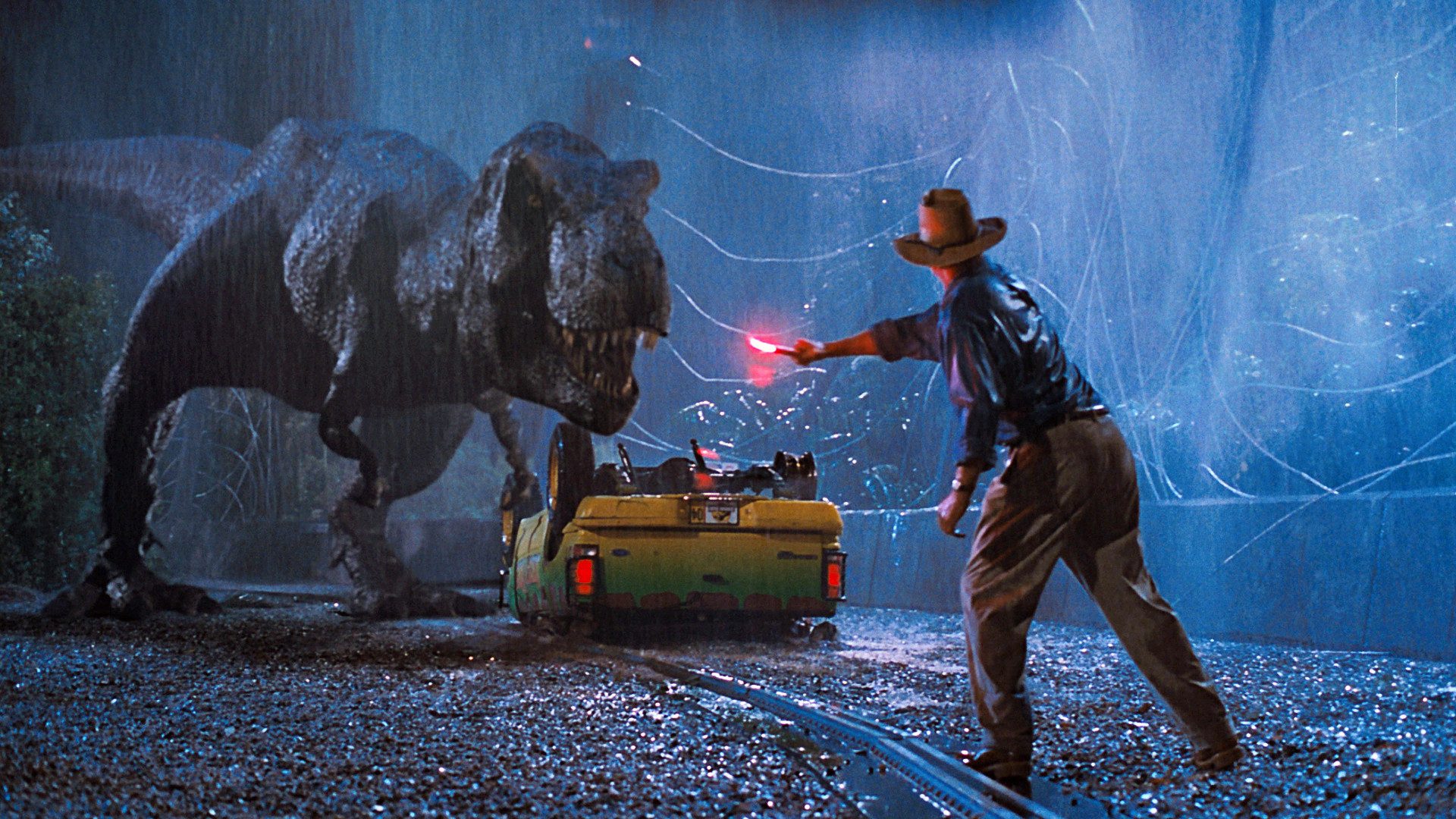
Jurassic Park Ending Explained
Thankfully, Lex is a gadget geek and manages to restart the system on her own. While Ellie and Grant fight off the extraordinarily intelligent raptors, Lex fixes the phones and door locks, giving them just enough time to warn park owner John Hammond to call for help from the mainland… before they have to outrun the raptors once more. However, just as they appear to be caught by the raptor pack, a released Tyrannosaurus rex slams into the visitor facility lobby, attracting the raptors’ attention and allowing the humans to escape.
The gang meets up with Ian Malcolm and Hammond, who are driving one of the region’s few gas-powered SUVs to the helipad, where Hammond’s corporation has a chopper waiting for them. Grant witnesses a flock of birds soaring over the ocean as they fly off the island to safety, supposedly leaving the dinosaurs far behind while they travel towards civilization, throwback back to an earlier remark in which Tim questioned him about his notion that dinosaurs turned into birds. The scene reinforces the film’s theme of “life finds a way,” and it brings up the question of whether the dinosaurs are as confined as the humans believe.
Jurassic Park Ending Explained
Jurassic Park’s ending effectively ties up loose ends and repeatedly returns to the reoccurring theme of “life finds a way.” The movie’s conclusion implies that the park may have been a disaster for mankind, but the dinosaurs are still amazing creatures who survived against all obstacles. As a result, the finale of Jurassic Park criticizes the individual shortcomings of characters like John Hammond as well as Denis Nedry while applauding the dinosaur’s survival and Grant’s character improvement, both of which demonstrate that life will always find a way.
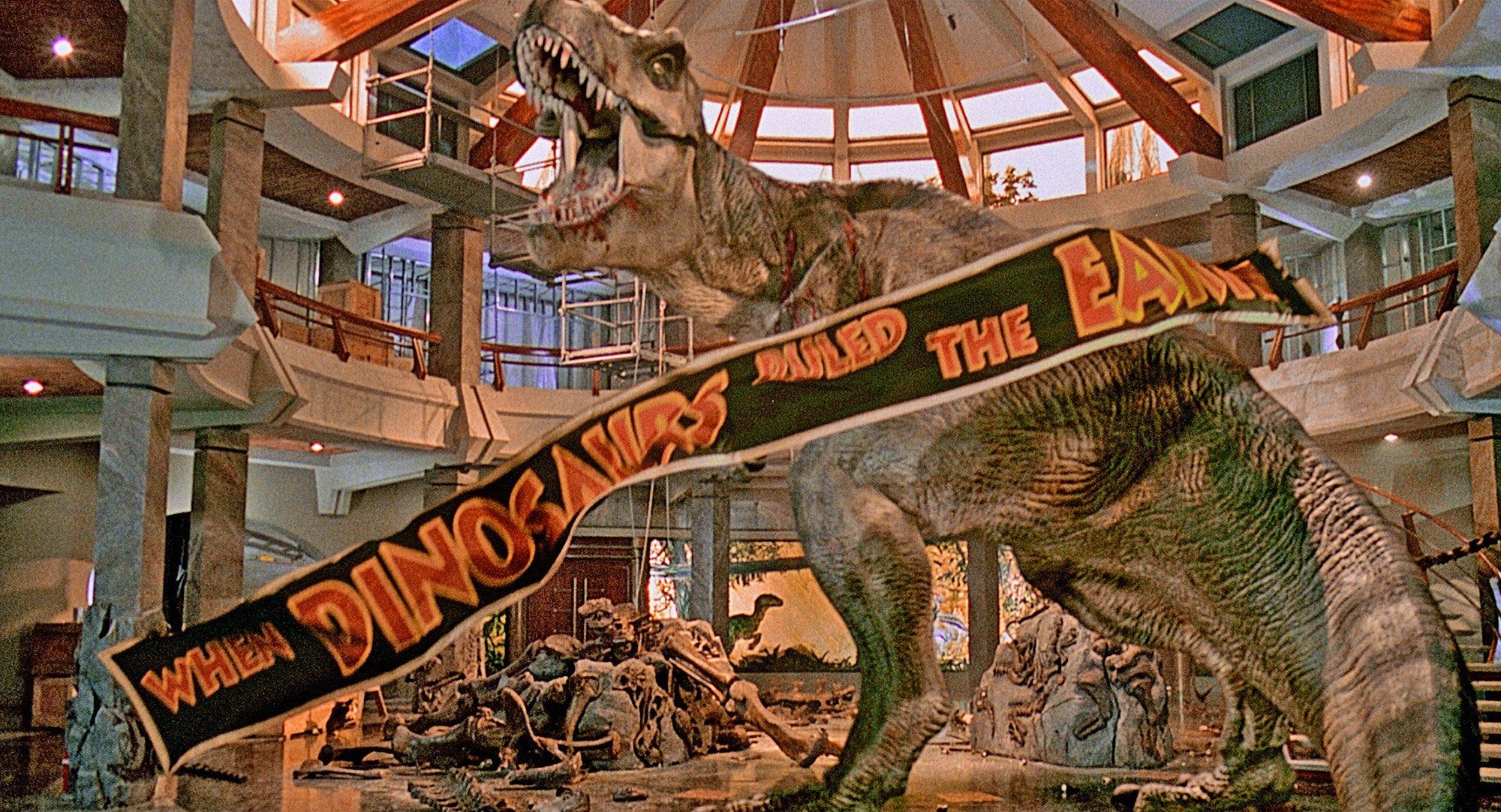
Jurassic Park Ending Explained – T-Rex Saves The Humans In The End
T-Rex Saves The Humans In The End
As the music swells and the movie’s major monster unknowingly saves the remaining humans from the raptors, the T-Rex’s surprising entrance at the end of Jurassic Park makes for a genuinely rewarding bit of epic action. The audience has likely forgotten about the T-Rex by this point, thanks to the exciting raptor chase throughout the visitor facility.
The scene, however, serves more than just a narrative function. In terms of thematic significance, the image of the T-Rex standing in the ruins of the visitor facility as the welcome banner falls is symbolic, as it shows that life really will “find a way,” with the T-Rex living even as the theme park for which it was made crumbles. The Jurassic Park life flourishes, but the pride and arrogance that attempted to confine it crumble.
Alan Grant’s Development
The character development of Dr. Alan Grant in the first Jurassic Park (sadly undone in Jurassic Park III, but then rectified by Jurassic World: Dominion) matches what the film is trying to communicate about “life finding a way.” Grant’s development as a character is shown in the scene when the two kids were sleeping on his shoulder, and he admires it.
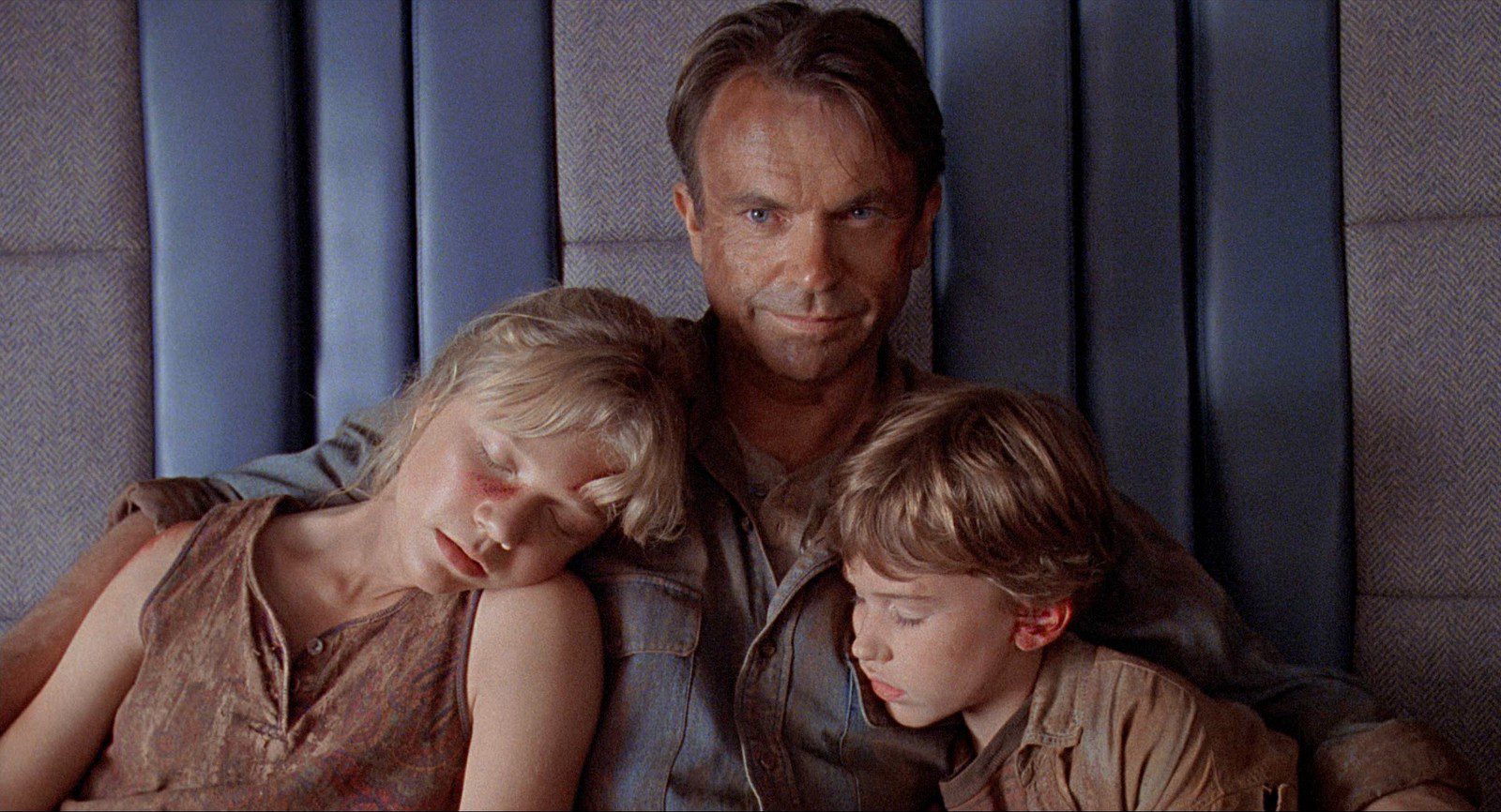
Jurassic Park Ending Explained – Alan Grant’s Development
Grant’s scaring of a child attending an archaeological dig in the film’s opening scene demonstrates that he isn’t good with kids, but the kids grow to rely on him during the events of Jurassic Park, and Grant rises to the occasion. Their sleeping on his shoulder demonstrates that he is now a secure father figure, and Neill’s previously distant personality has excelled in the parental caregiving role he was thrust into. Life has found a way to mature and deepen Grant’s character as the film leaves Jurassic Park’s islands behind.
Did Ray Arnold Really Die
Ray Arnold is killed by the end of Jurassic Park’s action, despite the fact that his death isn’t shown visually. The reason he isn’t seen after exiting to physically reboot the island’s system is that the raptors tracked him down and killed him, as Sattler’s finding of his severed arm strongly suggests. In a strange coincidence, a real-life tropical storm prevented the crew from filming Samuel L Jackson’s character’s death scene, prompting some viewers to speculate about his fate. Despite the fact that his amputation was never faked, the character is nonetheless canonically dead in the Jurassic Park/World franchise.
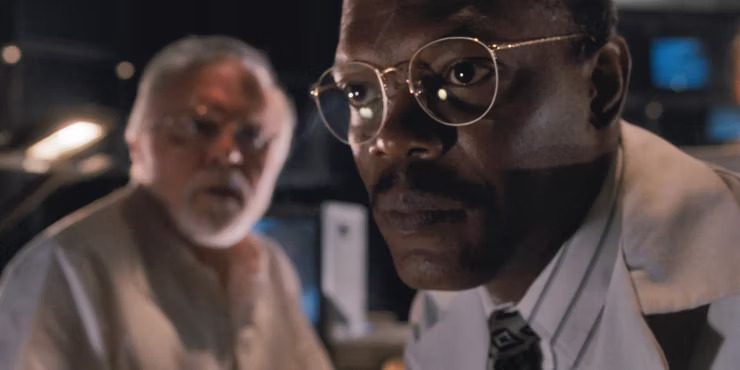
Jurassic Park Ending Explained – Did Ray Arnold Really Die
The Concept of Jurassic Park Was Harmful
Not only are Sattler, Grant, Dr. Ian Malcolm, and the kids alive at the end of Jurassic Park, but so is park owner John Hammond. This is essential because the movie depicts the park’s downfall as being caused primarily by Dennis Nedry’s reckless, selfish decision to breach the internal systems, but even if he hadn’t done anything, the end result (destruction of the park) was unavoidable as they were playing with the nature by cloning the creatures that were meant to be dead. People think that the failure of the Jurassic park was caused by the actions of a few bad characters like Dennis Nedry and Dodgson, but the failure was already written when the park was created.
The Bird And The Dinosaurs
At the end of Jurassic Park, the survivors in the helicopter witness a flock of pelicans that serves two symbolic purposes. They’re the very first normal creatures the group has seen since the goat that was devoured by an offscreen T-Rex early in the film, so their presence serves as a reassuring sign that the characters of the film are returning to normalcy after the chaos of the titular park.
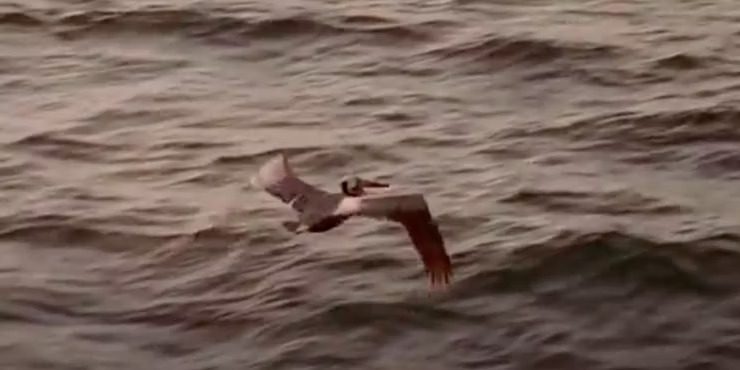
Jurassic Park Ending Explained – The Bird
However, early in the movie, a comparison was made between dinosaurs and the birds that evolved over time from them, so Jurassic Park is also using this shot to show that, like the pelicans, dinosaurs are not necessarily monsters but rather just another one of nature’s magnificent creations (even if somewhat one of them are dangerous), and that, with the humans flown away and the island to themselves, they’ll quickly be returning to “normality.” Seeing the pelicans fly away from the island also serves as a reminder to viewers that the helicopter isn’t the only means to depart Isla Nublar, which sets up the sequels.
What Jurassic Park’s Ending Tells
In Spielberg’s film Jurassic Park, the risks of people trying to play God are discussed, although Hammond’s experimenting isn’t openly criticized as much as his profit-making is. His decision to trust resentful, underpaid employees like Dennis Nedry causes the theme park to fail rather than the process of cloning dinosaurs itself, and his desire to clone more “interesting” (or profitable) predators like the T-rex puts the park’s visitors in risk. The existence of the dinosaurs in Jurassic Park implies that life will “find a way,” regardless of whether the experiments are destroyed by Nedry’s evil purpose or Hammond’s money-making schemes.
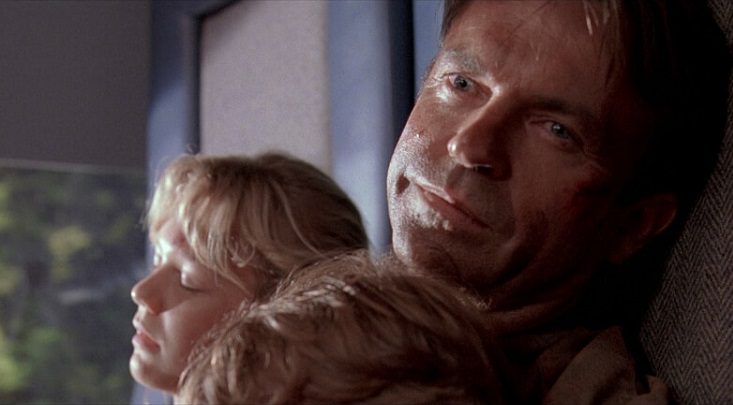
Jurassic Park Ending
Grant, Sattler, and the rest of the cast regularly refer to the dinosaurs as “beautiful,” implying that they are admired and awed by their presence. As a result, Jurassic Park implies that dinosaurs aren’t monsters but that humans copying them must take precautions, as life will always persist, even if humans attempting to control it don’t. Hammond’s attempts to profit from the dinosaurs’ magnificence are met with the downfall of his park, whilst Nedry’s attempts to steal dinosaur DNA are met with a more direct punishment in the form of his terrible death.
