The Season 2 finale of The Lord of the Rings: The Rings of Power delivered numerous surprises that left fans talking. The episode, titled “Shadow and Flame,” focuses on the character of Durin IV (played by Owain Arthur), who faces significant challenges as he ascends to the throne of Khazad-dûm.
This journey is not straightforward; it comes at the cost of losing his father to the fearsome Balrog of Morgoth. The implications of his rule unfold against a backdrop of political intrigue and familial rivalry, revealing a complex narrative rich with themes of power, loyalty, and the burdens of leadership.
The Rise of Durin IV Amidst Loss
In the aftermath of his father’s death, Durin IV’s ascension to the throne brings with it questions of legitimacy. His wife, Disa (played by Sophia Nomvete), and his steward, Narvi (Kevin Eldon), express concern about rumors circulating in Khazad-dûm.
According to these rumors, Durin IV was not the preferred heir of King Durin III (Peter Mullan). Instead, there are whispers that his brother, who has yet to be named, is gathering support from various Dwarf-lords to challenge Durin IV’s claim to the throne. This newfound threat raises questions about loyalty, family dynamics, and the broader implications for the Dwarven society.
The episode effectively sets up a tension-filled narrative that will likely play out in future seasons. The introduction of Durin IV’s brother, who poses a sudden and unexpected challenge, adds layers to the story. Viewers are left wondering who this brother is and why he has remained largely unmentioned until now.
This dramatic twist not only complicates Durin IV’s journey but also emphasizes the intricacies of Dwarven politics, which are deeply influenced by lineage, loyalty, and power.
Understanding the Dwarven Family Tree
To better comprehend the implications of Durin IV’s rise, it is essential to reference J.R.R. Tolkien’s original writings. The lore surrounding the Dwarves, particularly in the Second Age, is somewhat limited.
The Rings of Power takes creative liberties with Tolkien’s works, weaving a narrative that, while diverging from the original text, creates a compelling story in its own right. The series aims to build a coherent narrative that resonates with viewers, even if it occasionally strays from Tolkien’s established lore.
One of the challenges in this endeavor is the lack of detailed information about Durin III’s family tree. In the original texts, Tolkien did not show Dwarven history in depth during the Second Age. Most of what is known comes from the appendices of The Lord of the Rings and other brief writings.
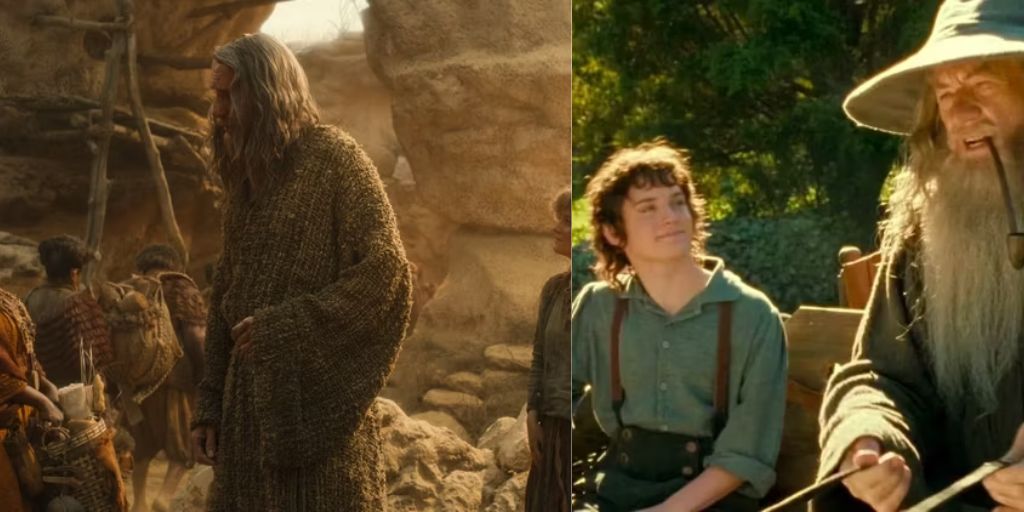
Still from The Rings of Power (Credit: Prime Video)
These texts mention Durin III as the king of Khazad-dûm during significant events, such as the forging of the Rings of Power by the Elven smith Celebrimbor and the dark influence of Sauron, who disguises himself as Annatar.
Interestingly, while Durin III is a prominent figure in the Second Age, Tolkien’s writings do not provide clear details about his heirs or the dynamics of his family. In the original lore, Durin III faces no Balrog, as the creature does not awaken until later.
The books do not clarify whether Durin IV is indeed the son of Durin III, leaving a significant gap in the lore that The Rings of Power aims to fill. By introducing Durin IV as the son of Durin III and crafting a storyline that involves a sibling rivalry, the series opens up new possibilities for character development and plot progression within the context of Middle-earth.
The Awakening of the Balrog: A New Timeline
Another key aspect of the Season 2 finale is the introduction of the Balrog in Khazad-dûm. In Tolkien’s writings, there is no mention of the Balrog awakening during the Second Age.
However, The Rings of Power chooses to show this concept, suggesting that the show is depicting the fall of Khazad-dûm much earlier than Tolkien originally wrote. This decision allows the series to goes into themes of darkness and corruption that seep through Middle-earth, setting a darker tone for the unfolding events.
By bringing the Balrog into the narrative, the series not only creates a significant threat for Durin IV and his people but also establishes a connection to the greater history of Middle-earth.
The concept of darkness spreading through the land resonates with the overarching themes present in Tolkien’s works, where the struggle between light and darkness is a central focus.
Although the series may not adhere strictly to Tolkien’s timeline, it successfully creates a narrative that makes sense within its own framework, establishing a foundation for future conflicts and character arcs.
Durin VI and the Legacy of Khazad-dûm
The Balrog’s presence also ties into the larger history of Khazad-dûm, particularly in relation to Durin VI, who emerges in the Third Age. In the original lore, Durin VI is the king of Khazad-dûm who unwittingly awakens the Balrog while searching for mithril.
This event leads to his demise and the subsequent rise of Náin, his son, who becomes the last king of Khazad-dûm before he too falls to the Balrog’s wrath. The tale of Durin VI serves as a cautionary reminder of the dangers of greed and the perils of going too deeply into the earth.
The introduction of the Balrog in The Rings of Power allows for the possibility of reimagining characters and events from the Third Age. As the series progresses, there is potential to weave the storylines of Durin VI and Náin into the fabric of Durin IV’s journey.
For instance, Náin could be introduced as Durin IV’s brother, thus creating a rich narrative view that connects various timelines and characters. This integration would not only deepen the character development but also provide fans with a more cohesive understanding of the Dwarven lineage and its struggles.
A Power Struggle Within Khazad-dûm
The tensions between Durin IV and his brother set the stage for an intense power struggle within Khazad-dûm. As the story unfolds, viewers will likely see how this familial conflict influences the political dynamics of the Dwarven kingdom.
Durin IV’s claim to the throne is precarious, especially considering the rumors and the public knowledge of his estranged relationship with his father, Durin the Elder. This estrangement creates an environment where his brother might find support among those who question Durin IV’s legitimacy.
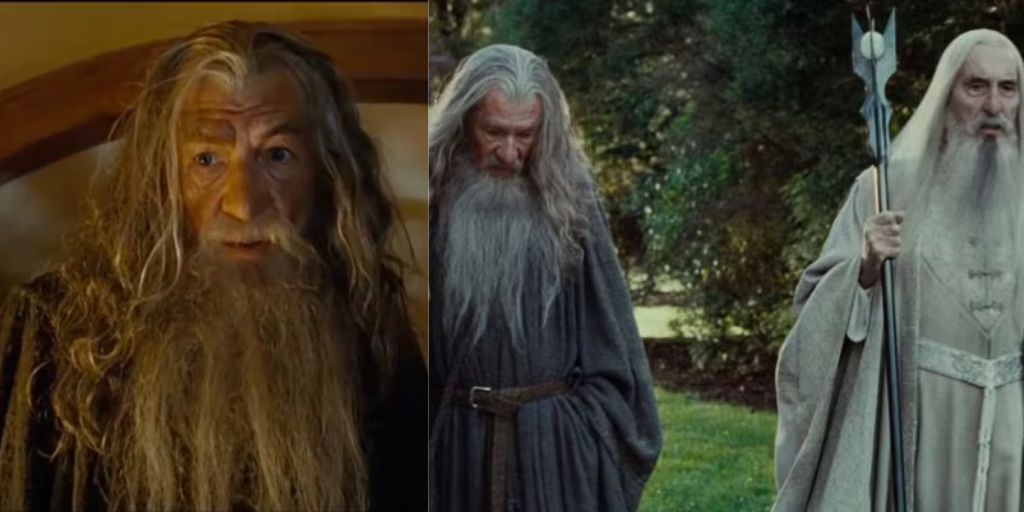
Still from The Rings of Power (Credit: Prime Video)
As Season 2 concludes, Durin the Elder acknowledges Durin IV as “King Durin.” However, this declaration lacks formal documentation, leaving room for doubt and dissent. The tension is palpable, and the stage is set for a clash of ideologies within Khazad-dûm.
Durin IV, who aims to stop the mithril mining and protect his people from the dangers lurking below, finds himself in direct opposition to his brother’s ambition. This conflict not only highlights the struggle for power but also the ethical dilemmas faced by leaders in times of crisis.
The Stakes Are Higher for Durin IV
As the narrative unfolds, Durin IV’s character is put to the test. He must follow the treacherous waters of political intrigue while grappling with the responsibilities of leadership.
The burden of kingship weighs heavily on his shoulders, especially as he strives to unite the Dwarves against external threats while also addressing internal conflicts. The introduction of a brother vying for the throne complicates matters further, making Durin IV’s journey one of self-discovery and resilience.
In the upcoming Season 3, viewers can expect to see how Durin IV confronts these challenges. The potential for conflict with his brother may lead to a deeper scheme of their relationship and the values they uphold.
Will Durin IV embrace the ideals of unity and protection, or will he succumb to the pressures of power and rivalry? The stakes are higher than ever, and the choices he makes will shape the future of Khazad-dûm.
The Importance of Family and Loyalty
The theme of family loyalty emerges as a crucial element in the unfolding narrative. Durin IV’s relationships with his father, his wife, and his brother play pivotal roles in shaping his character and decisions. The loyalty of Dwarven lords will also be tested as the power struggle intensifies.
Viewers will witness how personal bonds and allegiances are strained as characters grapple with the complexities of their identities and the expectations placed upon them.
Disa’s character, in particular, serves as a source of support for Durin IV. Her belief in his potential to lead Khazad-dûm is a guiding force as he faces the challenges ahead.
The dynamics between Durin IV, Disa, and their family further emphasize the significance of partnership and understanding in leadership. Disa’s role may become increasingly prominent as the narrative progresses, highlighting the importance of strong relationships in times of turmoil.
A Broader Perspective on Middle-earth
The events unfolding in Khazad-dûm resonate beyond the confines of the Dwarven kingdom. They reflect the broader struggles faced by various races in Middle-earth. As darkness spreads, the choices made by leaders in different realms will have far-reaching consequences.
The series hints at interconnected narratives, where the fate of one kingdom may impact others, showcasing the interconnectedness of Tolkien’s world.
In The Rings of Power, the struggle for power within Khazad-dûm serves as a microcosm of the larger battle against darkness that permeates Middle-earth.
The decisions made by Durin IV and his brother could set in motion a chain of events that influences the fate of other realms, echoing the themes of sacrifice, heroism, and the fight against evil that are central to Tolkien’s works.
Conclusion: Anticipation for Future Seasons
As the Season 2 finale of The Rings of Power concludes, audiences are left with many questions and a heightened sense of anticipation for what lies ahead.
The character of Durin IV is at the forefront of a narrative that intertwines themes of family, power, and the struggle against darkness. The introduction of his brother and the challenges he faces create a rich scheme of conflict that promises to unfold in future seasons.
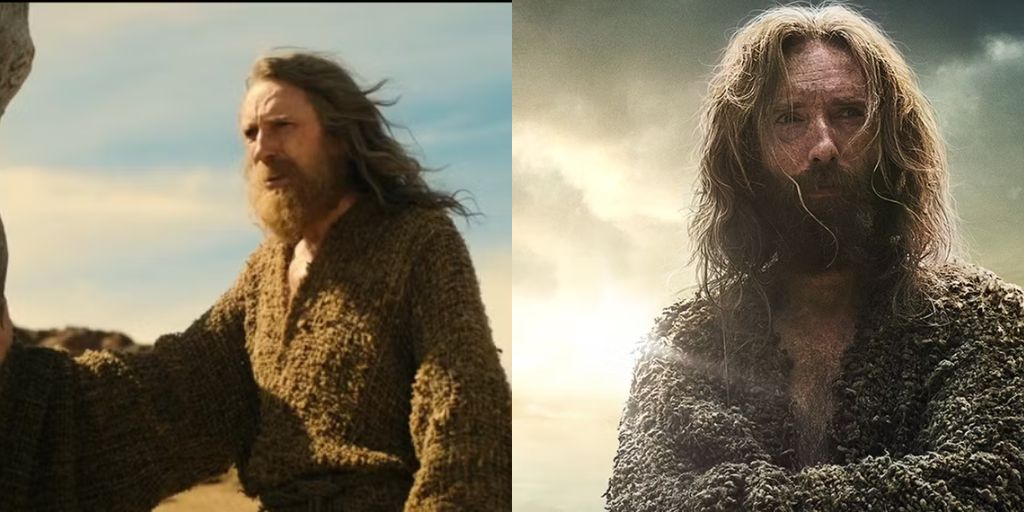
Still from The Rings of Power (Credit: Prime Video)
With the potential for political intrigue, character development, and moral dilemmas, The Rings of Power is setting the stage for a attractive scene of Dwarven lore and the complexities of leadership.
As viewers prepare for Season 3, they can expect a deeper move into the struggles of Durin IV and the fate of Khazad-dûm, ultimately shaping the course of events in Middle-earth.
In the meantime, fans can catch up on all the thrilling moments of Season 2, now available to stream on Prime Video in the U.S. The journey through the Second Age of Middle-earth is far from over, and the surprises that await promise to keep audiences engaged and eager for more.
Hellboy: The Crooked Man is the latest movie that attempts to bring Mike Mignola’s famous paranormal investigator back to life on the big screen. Many fans of Hellboy argue that this film could be the most loyal adaptation of the original comic book character.
Directed by Brian Taylor, the movie is based on a short comic series co-created by Mignola and the late artist Richard Corben. Mignola himself co-wrote the screenplay for the film, ensuring that the events follow the comic closely.
The story is set in 1958 and centers around Hellboy, a demonic creature raised by humans, who investigates paranormal occurrences for the Bureau for Paranormal Research and Defense (BPRD). Hellboy (portrayed by Jack Kesy) finds himself in the Appalachian mountains alongside Bobbie Jo Song (Adeline Rudolph), a rookie paranormal investigator.
During their journey, they meet Tom Ferrell (Jefferson White), a war veteran who has returned to his hometown to confront the dark past that haunts him.
The supernatural conflict they face involves a villain known as the Crooked Man (Martin Bassendale), with whom Tom once made a terrible deal. The movie follows the trio as they struggle to defeat the Crooked Man and survive in a world filled with magic, curses, and demons.
The movie’s key question is whether Hellboy will triumph or fall victim to the dark forces he faces. But unlike earlier Hellboy films where the titular character often emerges as the sole hero, this story shows that defeating evil requires teamwork.
Hellboy’s Journey: A Cinematic History
Before going deeper into The Crooked Man, it’s important to understand Hellboy’s cinematic history. Hellboy, a character created by Mike Mignola in 1993, first appeared in the comic book series Hellboy: Seed of Destruction.
He became an iconic figure in the comics world for his unique personality and distinctive appearance: red-skinned, with a stone-like right hand, two horns he grinds down, and a love for cigars.
He is the son of a demon and a witch, destined to bring about the Apocalypse, but he was raised by humans and works for the BPRD to protect the world from supernatural threats.
Hellboy made his cinematic debut in 2004, directed by Guillermo del Toro, and starring Ron Perlman in the lead role. Del Toro’s take on Hellboy blended gothic horror with a whimsical sense of adventure, receiving praise from critics and fans alike.
The success of the first film led to a sequel, Hellboy II: The Golden Army (2008), which was also directed by del Toro. Both films became fan favorites for their engaging storylines, impressive visuals, and deep connection to Mignola’s original comics.
After the del Toro films, there was a long period without a Hellboy movie until 2019, when director Neil Marshall’s reboot hit theaters.
This version, starring David Harbour, promised to be more faithful to the comics but was ultimately criticized for lacking the magic of del Toro’s films. Fans and critics alike felt the 2019 film focused too much on gory action and missed the heart and charm that made the original films stand out.
With Hellboy: The Crooked Man, the filmmakers aimed to deliver a movie that balances loyalty to the comics with a fresh perspective. Mignola’s close involvement with the project, including co-writing the screenplay, gave fans hope for a more faithful adaptation than previous attempts.
Setting the Stage: 1958 Appalachia and the Dark Magic of The Crooked Man
The Crooked Man opens in the Appalachian mountains in 1958, a time when superstition and folklore still held strong influence in rural areas. Hellboy and Bobbie Jo Song, a new member of the BPRD, find themselves in the remote mountain region, investigating strange supernatural happenings.
There, they encounter Tom Ferrell, a war veteran with a mysterious past and a deep connection to the dark magic that plagues the region.
The Appalachian mountains, with their deep forests, rugged landscapes, and isolated communities, provide the perfect backdrop for a story about curses, witches, and demons. The setting not only adds to the atmosphere of dread and mystery but also taps into the region’s rich folklore traditions.
Legends of witches, spirits, and pacts with the devil have long been part of Appalachian culture, making the setting feel both authentic and menacing.
Tom Ferrell, played by Jefferson White, is a key figure in the story. He grew up in these mountains and made a deal with the Crooked Man when he was young. The Crooked Man is a malevolent demon who promises wealth and power in exchange for Tom’s soul.
While Tom regretted his decision, the pact was sealed, and it has haunted him ever since. After serving in World War II, Tom returns to his childhood home to confront the darkness that continues to follow him.
The Crooked Man, portrayed by Martin Bassendale, is one of Hellboy’s most terrifying enemies. His power comes from the deals he makes with people, stealing their souls and using them to increase his own strength.
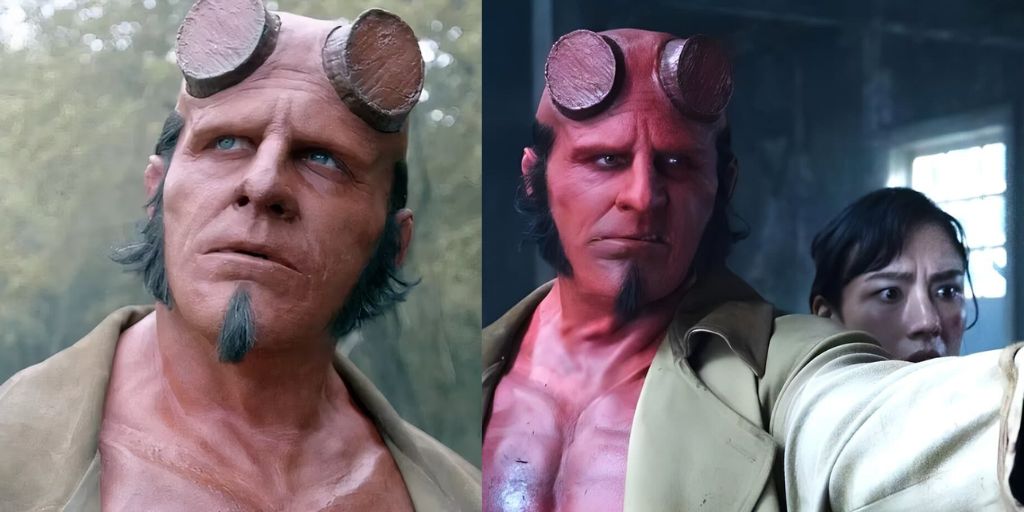
Still from Hellboy The Crooked Man (Credit: Ketchup Entertainment)
In the movie, the Crooked Man is depicted as a grotesque and deformed figure who lives in a decaying mansion deep in the mountains. His presence casts a shadow over the entire film, as Hellboy, Tom, and Bobbie Jo must figure out how to break the curse he has placed on Tom and stop him from causing more harm.
Bobbie Jo Song’s Magical Awakening
One of the key characters in Hellboy: The Crooked Man is Bobbie Jo Song, played by Adeline Rudolph. Bobbie Jo is a rookie investigator at the BPRD who, throughout the movie, discovers her own magical abilities. She starts the film unsure of her powers, but as the story progresses, she grows more confident and learns to harness her innate magic.
Bobbie Jo’s journey mirrors many classic hero’s journeys, where the protagonist discovers hidden strengths within themselves in the face of great adversity. Early in the movie, Bobbie Jo is eager to prove herself, but she lacks the control and confidence to tap into her magical abilities.
This changes when she faces a giant spider in the town’s catacombs alongside Watts, a local preacher played by Joseph Marcell.
Hellboy and Bobbie Jo initially came to the Appalachian mountains to investigate reports of a massive spider, and the confrontation with this creature becomes a turning point for Bobbie Jo. In the battle against the spider, she is able to cast a powerful spell that drives out the dark magic controlling it.
This victory not only gives Bobbie Jo the confidence she needs but also weakens the Crooked Man’s hold over the region. Bobbie Jo’s character development is one of the highlights of the movie, as she evolves from a novice into a powerful and essential member of the team.
Tom Ferrell’s Redemption and the Defeat of the Crooked Man
The heart of The Crooked Man is Tom Ferrell’s quest for redemption. Having made a deal with the Crooked Man years earlier, Tom has been carrying the weight of his mistake ever since. His story reflects classic themes of guilt, atonement, and the consequences of past actions.
The Crooked Man’s curse has haunted Tom, and he has been unable to escape it, no matter how hard he tried. One of the key elements of the curse involves a mystical object called a “witchball,” created by the witches of Tom’s village. This witchball is central to Tom’s plan to defeat the Crooked Man and lift the curse on his soul.
Hellboy, Tom, and Bobbie Jo join forces to confront the Crooked Man at his mansion. The battle is intense, with Hellboy facing visions of his own dark destiny. At one point, Hellboy’s mother appears in a vision, urging him to take his own life, and reminding him of his role in bringing about the Apocalypse.
Despite these disturbing visions, Hellboy pushes through and joins Tom in the final battle against the Crooked Man.
In a climactic moment, Tom forces the Crooked Man to consume the witchball, which weakens the demon significantly. Hellboy then delivers the final blow by using his Right Hand of Doom to pummel the Crooked Man before shooting him with his signature revolver, the Good Samaritan.
As the Crooked Man’s head is blown apart, gold coins pour from his skull, symbolizing the souls he has stolen over the years. This moment is both horrifying and poetic, as the Crooked Man’s evil is visually undone.
In the end, Hellboy gives one of the coins to Tom, symbolizing the lifting of the curse on Tom’s soul. Tom is finally free from the Crooked Man’s grip, and the film concludes with him and Bobbie Jo being airlifted to safety by the BPRD.
Effie Kolb’s Dark Fate: A Twist from the Comics
While the Crooked Man is the primary villain of the movie, another character plays a significant role in the story’s supernatural conflict: Effie Kolb. Played by Leah McNamara, Effie is a witch who plays a key role in Tom’s curse.
She originally encouraged Tom to make a deal with the Crooked Man, convincing him that it would make him a powerful witch. Effie’s manipulation of Tom led him down the path of darkness, and she continues to have power over him throughout the movie.
In a fitting end for the character, Effie meets a dark and poetic fate in the final moments of the film. After the Crooked Man is defeated, Hellboy and Tom encounter Effie in the woods, rapidly aging.
Earlier in the film, Tom mentioned that despite many years passing, Effie had remained the same age as him. This suggests that Effie had made her own deal with the Crooked Man for eternal youth.
In a scene lifted directly from the comics, Tom approaches Effie with the cursed bridle that she had once placed on his father, transforming him into a horse.
The film ends with the image of a white horse standing in the woods, with the words “Beware! I Am A Witch!” painted on its side, hinting at Effie’s final transformation. This moment is both eerie and symbolic, leaving a lasting impression on the audience.
A Standalone Story in a Franchise-Driven World
One of the most refreshing aspects of Hellboy: The Crooked Man is its status as a standalone film. In an age where film franchises are constantly expanding and interconnected universes dominate the box office, The Crooked Man stands out as a self-contained story.
During a panel at San Diego Comic-Con, director Brian Taylor was asked about the possibility of more Hellboy films. Taylor responded by saying that while he was open to the idea, The Crooked Man was always intended to be a standalone story.
“I hate it when folks try to do a movie and sell you a whole franchise… if the first one’s good, I’m coming back,” Taylor said. This approach aligns with the original Hellboy comics, where most of Hellboy’s adventures are standalone stories that can be read independently.
For fans of Hellboy, this approach is a welcome change. While the world of Hellboy is vast and filled with interesting characters, sometimes a simple, self-contained story can be more satisfying than a film that tries to set up a franchise. The Crooked Man delivers a complete story that respects its source material while offering something fresh for both longtime fans and newcomers.
The Challenges of Adapting Hellboy: A Mixed Reception
Despite its strengths, Hellboy: The Crooked Man has received mixed reviews. On the one hand, Jack Kesy delivers a solid performance as Hellboy, capturing both the gruff exterior and the underlying humanity of the character. Kesy’s portrayal has been praised as a worthy successor to Ron Perlman, who famously portrayed Hellboy in the del Toro films.
However, the film suffers from a limited budget, and this is particularly evident in the visual effects. The creatures and supernatural elements, while imaginative, often look underwhelming due to the film’s reliance on CGI. Fans of del Toro’s Hellboy films, which were known for their stunning practical effects and creature designs, may find the visuals in The Crooked Man lacking.
Additionally, the fact that The Crooked Man was released straight to video on demand (VOD) has led some to question whether there is still a future for Hellboy on the big screen.
The movie’s modest release strategy, combined with its mixed reception, leaves the future of the Hellboy franchise uncertain. While The Crooked Man is a far better adaptation than the 2019 reboot, it may not be enough to reignite the franchise.
What’s Next for Hellboy? Could Animation Be the Answer?
Given the mixed reception of Hellboy: The Crooked Man and the challenges of bringing Mignola’s unique world to life on a limited budget, some fans have suggested that the next step for Hellboy might be animation. Mike Mignola’s art style, with its bold lines and gothic atmosphere, lends itself well to the animated format.
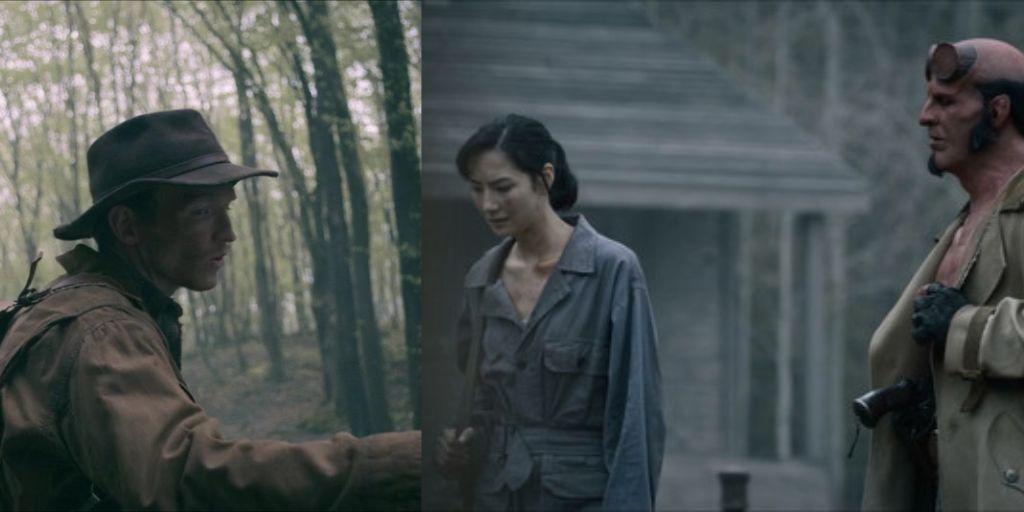
Still from Hellboy The Crooked Man (Credit: Ketchup Entertainment)
An animated Hellboy film could capture the visual essence of the comics in a way that live-action films have struggled to do.
Mignola has previously expressed interest in animation, and there have been animated Hellboy projects in the past, such as Hellboy: Sword of Storms and Hellboy: Blood and Iron, which were well-received by fans.
If Hellboy is ever adapted again, a return to animation might be the best way to stay true to the character’s roots while delivering a visually stunning and faithful adaptation of Mignola’s work.
Hellboy: The Crooked Man is a solid adaptation that stays true to the spirit of Mike Mignola’s comics. While it may not have the big-budget spectacle of del Toro’s Hellboy films, it offers a faithful and engaging supernatural story with strong performances and a refreshing focus on a standalone narrative.
The future of Hellboy on the screen remains uncertain, but one thing is clear: fans of the character will continue to seek out new adventures, whether in live-action or animated form.
