Dancing with the Stars has been a popular reality show since it first aired in 2005. This show combines celebrities and professional dancers, who partner together to perform various ballroom dances. Each week, the audience watches these performances live and votes for their favorite couples.
The couples with the lowest combined scores from the judges and audience votes face elimination until only one couple remains. This couple wins the coveted mirrorball trophy.
Over the years, Dancing with the Stars has created many memorable moments and has become a staple of American entertainment. However, there is one major problem that continues to affect the competition: the voting system.
While the idea of letting fans vote for their favorite contestants seems exciting and engaging, it often leads to unfair results. Many talented dancers have been sent home early because they do not receive enough votes, even when they have high scores from the judges. This has caused frustration among viewers and fans alike.
This article will show the issues with the fan voting system in Dancing with the Stars. We will discuss how fan votes influence the outcome of the competition, why this can be problematic, and why the judges’ scores should carry more weight in determining who stays and who goes.
We will also consider potential solutions to improve the fairness of the voting system and enhance the viewing experience for everyone involved.
The Format of the Show
Dancing with the Stars features a diverse group of celebrities from various backgrounds, including actors, athletes, musicians, and reality TV stars.
Each season starts with a group of contestants who are paired with professional dancers. These professionals train their partners in different dance styles, including the cha-cha, tango, foxtrot, and waltz.
The show typically airs live, adding excitement and pressure for both the contestants and the audience. Each week, the couples perform for the judges and the viewers. The judges score the performances on a scale of 1 to 10, and these scores reflect the quality of the dance and the skill displayed by each couple.
After the performances, the audience has the opportunity to vote for their favorite dancers. The couple with the lowest combined score from the judges and audience votes faces elimination.
This format allows fans to engage with the show and support their favorite celebrities, but the reliance on fan voting can lead to unfair outcomes.
The Problem with Fan Voting
The fan voting system allows viewers to have a say in who stays in the competition, which can be exciting. However, it also leads to significant problems. Most viewers are not trained in ballroom dancing.
Therefore, their votes may not reflect the quality of the performances. Instead, fans often vote based on their personal feelings toward the celebrity, rather than their dancing skills.
Celebrity Status Over Skill
One of the biggest issues with the voting system is that it often prioritizes celebrity status over actual dance talent. Fans may be more likely to vote for a contestant they recognize or admire, regardless of their performance quality.
This creates a situation where skilled dancers can be eliminated while less talented contestants remain, solely because of their popularity.

Still from Dancing with the Stars (Credit: Disney)
For example, in Season 32, Harry Jowsey, a reality TV star, was partnered with professional dancer Rylee Arnold. Despite his struggles with dancing, Harry managed to place sixth in the competition.
Many viewers were surprised because other contestants who had better skills and dance abilities were eliminated earlier in the season. This situation highlights how celebrity status can overshadow actual talent.
Another example is Lele Pons, a social media influencer and entertainer, who was considered one of the best dancers of the season.
Despite consistently scoring high with the judges, she was eliminated, leaving fans frustrated. The outcry from viewers made it clear that many felt the voting system needed to change to give skilled dancers a fair chance.
Notable Examples from Past Seasons
The Dancing with the Stars voting system has had several notable instances that have raised eyebrows and sparked debates among fans and judges alike. These examples illustrate the issues with the fan voting system and its impact on the competition.
Bobby Bones and the Controversy
One of the most discussed instances occurred in Season 27 when Bobby Bones, a radio personality, won the mirrorball trophy. Bobby was not known for his dancing skills, and throughout the season, he consistently received low scores from the judges. However, he had a large following due to his radio show, and he encouraged his listeners to vote for him each week.
As a result, Bobby advanced further in the competition than many talented dancers who received higher scores. Even as he improved over the weeks, the controversy surrounding his win raised questions about the fairness of the voting system. Many fans felt that his victory was not based on dance talent but rather on his popularity and the size of his fan base.
Bobby himself acknowledged the unusual circumstances surrounding his win, expressing confusion about how he had managed to secure the trophy. This situation exemplified the shortcomings of a voting system that allows fan votes to outweigh the judges’ expertise and scores.
Other Instances of Unjust Eliminations
The issue of unjust eliminations is not limited to just one season. Throughout the history of Dancing with the Stars, numerous talented contestants have faced early eliminations due to the voting system.
For instance, in Season 30, Jesse Metcalfe, an actor known for his work on Desperate Housewives, was eliminated despite showcasing strong performances. His early exit shocked many viewers, especially considering that other couples who scored lower continued in the competition.
In another example, Shangela, a drag performer, wowed judges with her talent and charisma but was eliminated in Season 31. Fans expressed their frustration, arguing that Shangela brought creativity and skill to the competition, and her departure felt unjust.
These examples highlight the recurring theme of fan voting causing skilled dancers to leave the show too soon. Viewers expect to see the best dancers compete for the title, but the voting system can disrupt this expectation.
The Importance of Judges’ Scores
The judges on Dancing with the Stars are experienced professionals with years of training in dance. They have the knowledge and skill to evaluate performances accurately. Their scores should weigh heavily in determining who stays and who goes home each week.
However, this is not always the case. Often, the judges’ scores do not have the same impact as fan votes. This creates a situation where a contestant who dances poorly can advance in the competition simply because they have a strong fan base. As a result, talented dancers may be unfairly eliminated, frustrating both the judges and the audience.
The judges’ expertise should be respected, and their opinions should carry more weight in the decision-making process. They understand the skills required for each dance and can offer valuable insights into which contestants deserve to stay based on their performances.
A Call for Change
Many viewers and judges have called for a change in the voting system. The current system creates an imbalance that undermines the competition’s integrity. The focus should be on the quality of the dance performances rather than the celebrity status of the contestants.
If the judges’ scores were given more weight, the competition would likely feel fairer. Viewers want to see the best dancers shine and be rewarded for their hard work. By reevaluating the voting system, Dancing with the Stars can better honor the talent of its contestants.
The Impact of Early Voting
One major change in recent seasons has been the shift to early voting. In earlier seasons, fans had time to cast their votes after the performances.
This allowed viewers to see all the dances before making their decisions. However, now, voting closes almost immediately after the last dance ends. This change puts contestants who perform later at a disadvantage, as some fans may not have time to vote.
Unfair Advantage to Early Performers
The early voting system can create an unfair advantage for contestants who perform earlier in the show. Those who dance later may not receive as many votes simply because viewers are rushing to vote without having seen their performance.
This situation also encourages viewers to vote based on their favorite celebrities rather than the quality of the dance they just witnessed. This system goes against the purpose of the show, which aims to showcase the talents of all participants.
The Need for More Time to Vote
It would be beneficial for Dancing with the Stars to allow more time for voting. This way, fans can watch all performances and make informed choices. Having time to reflect on the dances can lead to better decisions and help ensure that the most deserving contestants remain in the competition.
The show could also consider extending the voting window after the performances end. This way, viewers would have the opportunity to watch all the routines and vote accordingly. Allowing fans to make decisions based on the actual performances would enhance the fairness of the competition.
Viewer Frustration and Calls for Change
Many viewers have expressed their frustration with the fan voting system over the years. They feel that talented dancers are often sent home early while less skilled contestants stay longer due to their celebrity status. This has led to calls for change among fans and even some contestants.
Judges’ Reactions to Unfair Outcomes
Judges have also voiced their concerns about the current voting system. Len Goodman, the head judge until his passing, famously exclaimed, “There’s no justice here!” after Juan Pablo Di Pace was eliminated in Season 27. His statement resonated with many fans who felt that the voting system undermined the hard work and dedication of the dancers.
A Possible Solution
While fan voting is an essential part of Dancing with the Stars, it should not be the sole determining factor in eliminations. A balanced approach would allow fans to participate while still prioritizing the judges’ expertise.
Judges’ Scores Weighted More Heavily
One potential solution is to give the judges’ scores more weight in the full results. For example, if judges’ scores count for 70% of the total score and fan votes account for 30%, this would ensure that skilled dancers have a better chance of advancing. This system would encourage fans to support contestants based on their dance abilities rather than their celebrity status.
Additionally, this change could lead to more competitive and fair outcomes. Talented dancers would have a better opportunity to showcase their skills and continue in the competition, regardless of their fame. This would improve the full quality of the performances and create a more enjoyable experience for viewers.
Maintaining Fan Engagement
Fan engagement is crucial for the show’s success. Instead of eliminating fan voting, the show could make it more structured. For instance, fan votes could be collected during the show, but the actual results could be revealed later. This way, fans can engage with the competition while allowing judges’ scores to have a more significant impact on the outcome.
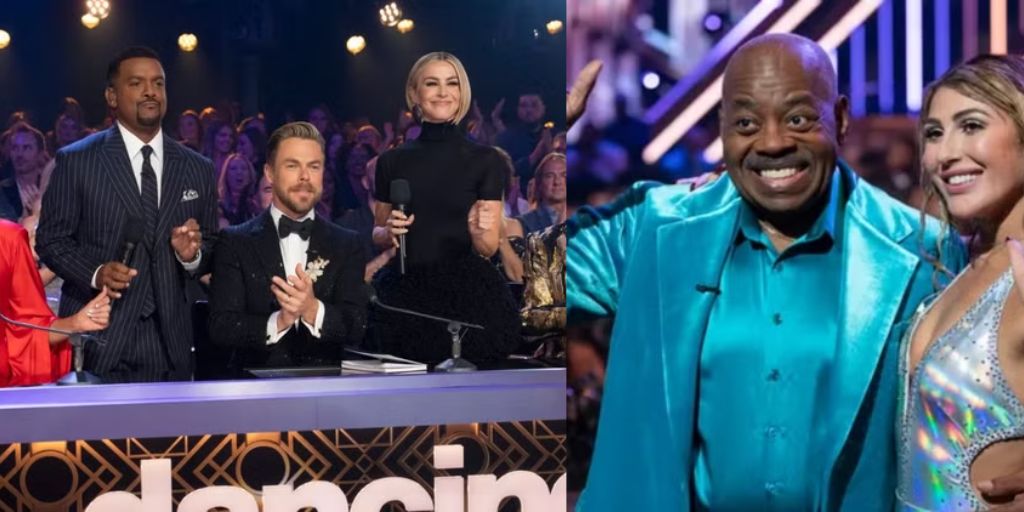
Still from Dancing with the Stars (Credit: Disney)
The show could also consider creating a system where fans can vote during the show but only for specific segments. For example, fans could vote on their favorite performances after all couples have danced. This would encourage viewers to engage with the competition while giving equal weight to both judges and fans.
Conclusion
Dancing with the Stars has provided entertainment for millions of viewers since its debut in 2005. However, the reliance on fan voting has created challenges that undermine the competition’s integrity. Talented dancers often leave the show too early, while less skilled contestants stay longer due to their celebrity status.
To maintain fairness, the show should reevaluate its voting system. The judges’ expertise should be valued more than public opinion.
By giving judges’ scores more weight and ensuring that fans can engage with the competition meaningfully, Dancing with the Stars can provide a better viewing experience for all.
The goal should be to showcase the true talent of each contestant and ensure that the best dancers are rewarded for their hard work. It is time for Dancing with the Stars to pull back on fan voting and create a fairer competition that honors the skill and dedication of all participants.
With a balanced approach, the show can continue to entertain while providing a fair and just environment for its dancers.
By addressing the current shortcomings of the voting system, Dancing with the Stars can maintain its popularity and keep viewers engaged while ensuring that the competition reflects true talent and skill.
After a wait of almost two years, the second season of House of the Dragon finally premiered on HBO and Max at the start of summer.
Fans are excited to know that the prequel series will have four seasons in total, and they are eager to find out when the third season will air.
Unfortunately, just like the fans of George R.R. Martin’s A Song of Ice and Fire book series, there seems to be little news about the next chapter of House of the Dragon. Currently, there is no new information about upcoming episodes.
At the New York Comic Con (NYCC), three main stars of the show—Matt Smith, Fabien Frankel, and Tom Glynn-Carney—shared their lack of updates. They play Daemon Targaryen, Ser Criston Cole, and King Aegon II Targaryen, respectively.
During their appearance at the event, they told the audience that they had not even seen a script for the third season.
They admitted they did not know what scenes would be included in the next episodes. Frankel was the only one among them with some information, but he chose not to share it with his co-stars.
What’s Next for House of the Dragon?
One good thing about the beloved television series is that it is based on George R.R. Martin’s work, which gives readers some insight into what may happen next. Fans can look forward to the upcoming storylines and how they will lead to intense and dramatic conclusions.
Although the Season 2 finale received mixed reactions from viewers, the season did provide some strong hints about the future of the House of the Dragon universe. It also set the stage for how the story can connect to HBO’s original hit series, Game of Thrones.
The upcoming episodes promise exciting battle scenes and major confrontations, particularly with the Dance of the Dragons, which is expected to escalate tensions. One significant battle is The Battle of the Gullet, which will take the conflict to the sea.
This event is set to have thrilling moments that will keep viewers on the edge of their seats. Another essential showdown will occur between Matt Smith’s Daemon Targaryen and his nephew, the hotheaded Prince Aemond Targaryen, played by Ewan Mitchell.
The Challenges of Production
The production team and cast have not released any substantial updates regarding the timeline for Season 3. This absence of information is disappointing for fans who are eager for news.
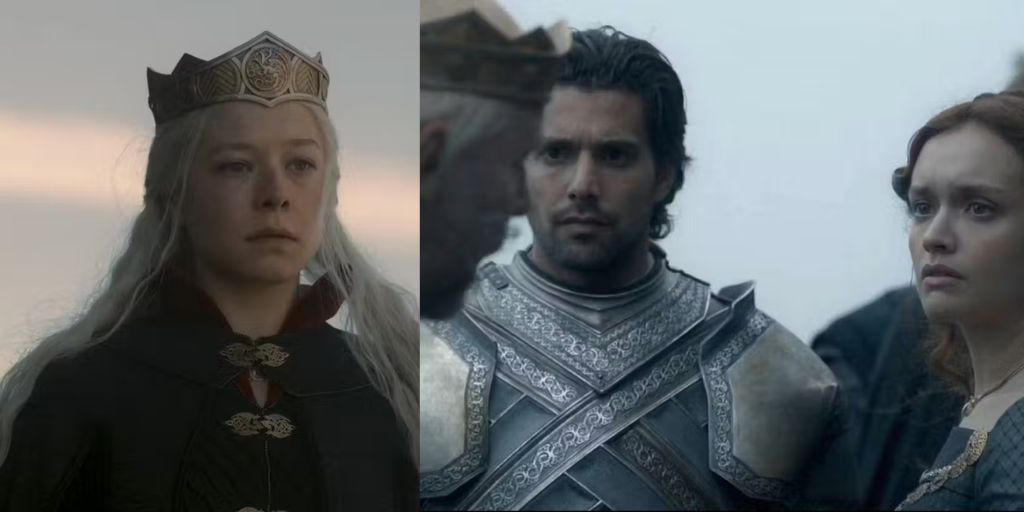
Still from House of the Dragon (Credit: HBO)
The lack of a script at this stage also raises questions about the pace of production and whether the show can maintain the momentum it has built thus far. The anticipation is palpable, but the silence on developments can be frustrating.
Such delays can happen for various reasons, including the complexities of writing, scheduling, and logistics involved in creating a high-quality series. Given the high expectations set by the first two seasons, the creators might be taking extra care to ensure that Season 3 meets or exceeds these standards.
Audience Expectations
Fans of House of the Dragon are eager for answers about characters and storylines that have attracted them. The series has a rich backdrop filled with political intrigue, family conflict, and epic battles.
Each character has their own motives, desires, and challenges, making the story complex and engaging. The anticipation for Season 3 hinges on how well the writers can continue to weave these narratives.
Moreover, the connection to Game of Thrones adds another layer of excitement. Many fans want to see how the events of House of the Dragon will link to the original series.
There are numerous plot threads and character arcs that can be shown, and viewers are eager to see how the story unfolds. The anticipation for future episodes is not just about the battles and drama, but also about character development and how they face the dangers that come with power and ambition.
Behind the Scenes
While the cast is largely in the dark about the specifics of Season 3, the behind-the-scenes team likely continues to work on the production. The complexity of filming a fantasy series with dragons, battles, and elaborate sets means that planning takes significant time. Showrunners often invest a lot of effort into crafting a compelling narrative that will resonate with fans and critics alike.
The series is known for its impressive production values, including stunning visuals and intricate costumes. These elements play a significant role in bringing the world of Westeros to life, and the creators may want to ensure that Season 3 maintains the same high standards. This commitment to quality may be one reason for the slower pace in production.
Fan Theories and Speculation
In the absence of official updates, fans have taken to social media and forums to speculate about what could happen in the next season. Theories abound, ranging from potential character deaths to shocking plot twists.
The dedicated fanbase actively discusses possibilities and shares their hopes for the direction of the story. This kind of engagement reflects the strong connection viewers feel toward the series and its characters.
The discussions often highlight how invested fans are in the outcomes of their favorite characters. For example, the relationship between Daemon and Aemond promises to be a focal point of conflict, and fans are curious about how their rivalry will develop. Given the characters’ histories and personalities, any confrontation between them could lead to memorable and intense moments.
The Waiting Game
As fans continue to eagerly await news about House of the Dragon, the show’s success indicates that there is a dedicated audience ready to follow the story wherever it goes. Seasons 1 and 2 are currently available to stream in their entirety on Max, allowing new viewers to join in on the excitement. This accessibility ensures that interest in the series remains high as people discover it for the first time.
While the lack of immediate updates can be disheartening, it is also part of the experience of following a long-running series. Fans are accustomed to the ups and downs of production timelines, especially in the high-quality television world. The wait may be frustrating, but it often builds anticipation and excitement for what is to come.
The future of House of the Dragon remains uncertain as fans look forward to Season 3. While there are currently no updates on production or script developments, the connection to George R.R. Martin’s work provides a foundation for what may come next.
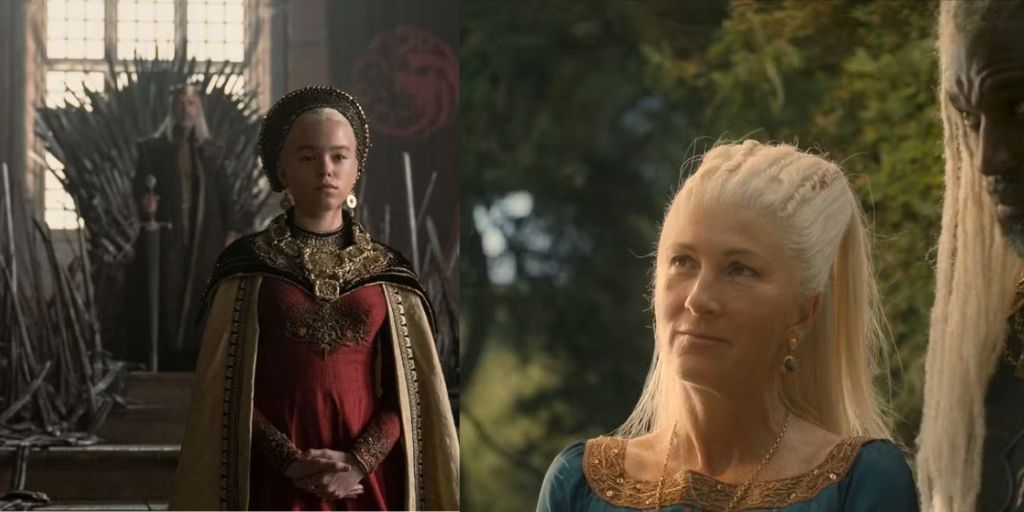
Still from House of the Dragon (Credit: HBO)
The excitement surrounding the series continues to grow, driven by fan theories and speculation about character arcs and future battles.
As viewers wait for more news, they can take comfort in knowing that Seasons 1 and 2 are available for streaming, offering a chance to rewatch the epic moments that have already unfolded. The journey of House of the Dragon is far from over, and fans are ready for whatever comes next.
