Paul Simon and Art Garfunkel, the legendary folk-rock duo behind hits like Bridge Over Troubled Water and The Sound of Silence, captivated audiences with their harmonious melodies.
However, their successful partnership came to an end in 1970 due to personal tensions, creative differences, and conflicts over individual ambitions. While they reunited sporadically over the years, their relationship remained strained.
Childhood Friendship and Early Music Career
Simon and Garfunkel’s partnership began long before they became global music icons. They met in fourth grade and quickly bonded over their shared love for music.
By age 13, they had already written their first song, The Girl for Me. In 1957, they performed under the name Tom & Jerry and even scored a minor hit with Hey Schoolgirl.
However, their early career was not without obstacles. According to Garfunkel, their initial success was short-lived, leading to a temporary fallout between them.
Despite their differences, they eventually reunited and, in 1966, skyrocketed to fame with The Sound of Silence. Their music continued to dominate the charts, with hits like Mrs. Robinson, which was featured in the film The Graduate in 1968.
Growing Tensions: Ego and Resentment
Even at the height of their success, tensions between Simon and Garfunkel were brewing. Their manager, Mort Lewis, revealed that Simon often felt overshadowed by Garfunkel, who was the lead vocalist.
Meanwhile, Garfunkel was aware that Simon, as the primary songwriter, held more creative control over their music. This power imbalance led to a growing sense of resentment on both sides.
The Breaking Point: Garfunkel’s Acting Career
The final blow to their partnership came when Garfunkel pursued an acting career. Both musicians had been cast in Mike Nichols’ 1970 film Catch-22, but Simon’s role was ultimately cut.
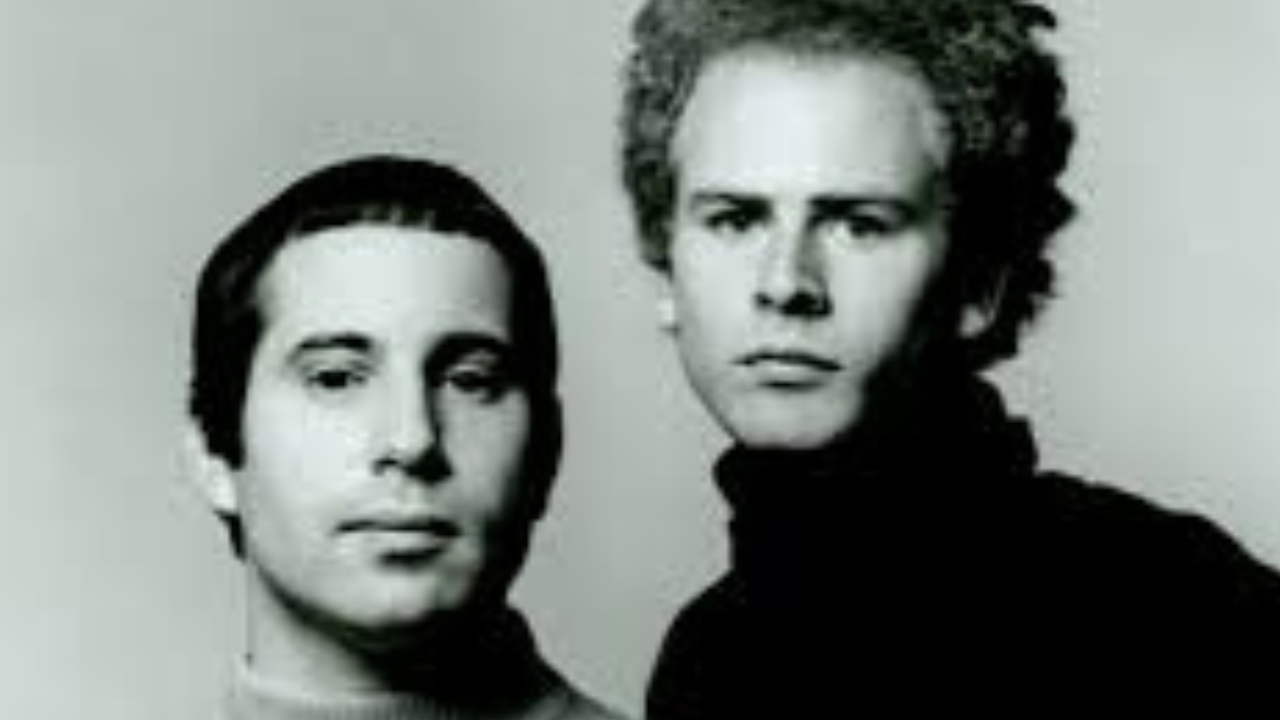
Paul Simon and Art Garfunkel (Credit: YouTube)
While Simon was left disappointed, Garfunkel moved forward with his acting ambitions and secured a role in Nichols’ next film, Carnal Knowledge (1971), alongside Jack Nicholson and Candice Bergen.
What upset Simon most was that Garfunkel never told him about Carnal Knowledge until after committing to the project.
Feeling betrayed, Simon confronted Garfunkel, who admitted that he feared Simon would stop working on their music if he had known. Simon saw this as a breaking point and decided to end their musical partnership.
Ironically, years earlier, Simon had similarly recorded solo songs behind Garfunkel’s back, which had also caused tension.
However, by 1970, Simon had realized he could successfully continue his career without Garfunkel, and their final concert as a duo took place in July of that year.
Reunion Attempts and Lingering Tensions
Despite their falling out, Garfunkel found it difficult to accept the breakup, later questioning why Simon would walk away from such a successful collaboration.
In a 2015 interview, he even accused Simon of having a “Napoleon complex,” implying that his short stature contributed to his controlling nature.
Despite these harsh words, the duo reunited on a few occasions. In 1981, they performed a free concert in New York City’s Central Park, which attracted over 500,000 fans.
In 2002, they reunited at the Grammy Awards to perform The Sound of Silence, which led to a successful reunion tour from 2003 to 2004.
Plans for another tour in 2010 were scrapped when Garfunkel developed vocal cord issues, forcing him to step away from performing.
By the time Simon embarked on his farewell tour in 2018, many hoped for a final reunion, but Simon declined to bring Garfunkel on stage.
Simon Jordan, a British entrepreneur, media personality, and former football club owner, has built an impressive fortune estimated at $100 million. His success spans multiple industries, including mobile phones, football, property development, and media.
Known for his bold business decisions and outspoken nature, Jordan has left a significant mark in the business and sports world.
Early Life and Background
Born on September 24, 1967, in Thornton Heath, South London, Simon Jordan grew up in a working-class family.
He attended Purley High School for Boys before leaving formal education at the age of 16. From a young age, he had a strong drive for success, which led him to enter the business world through sales.
His early experiences in mobile phone sales and the automotive sector paved the way for his entrepreneurial career.
Rise in the Mobile Phone Industry
Jordan’s business journey began in the mobile phone retail sector, where he quickly became one of the UK’s top salesmen. Recognizing the growing demand for mobile phones, he co-founded Pocket Phone Shop in 1987 alongside Andrew Briggs.
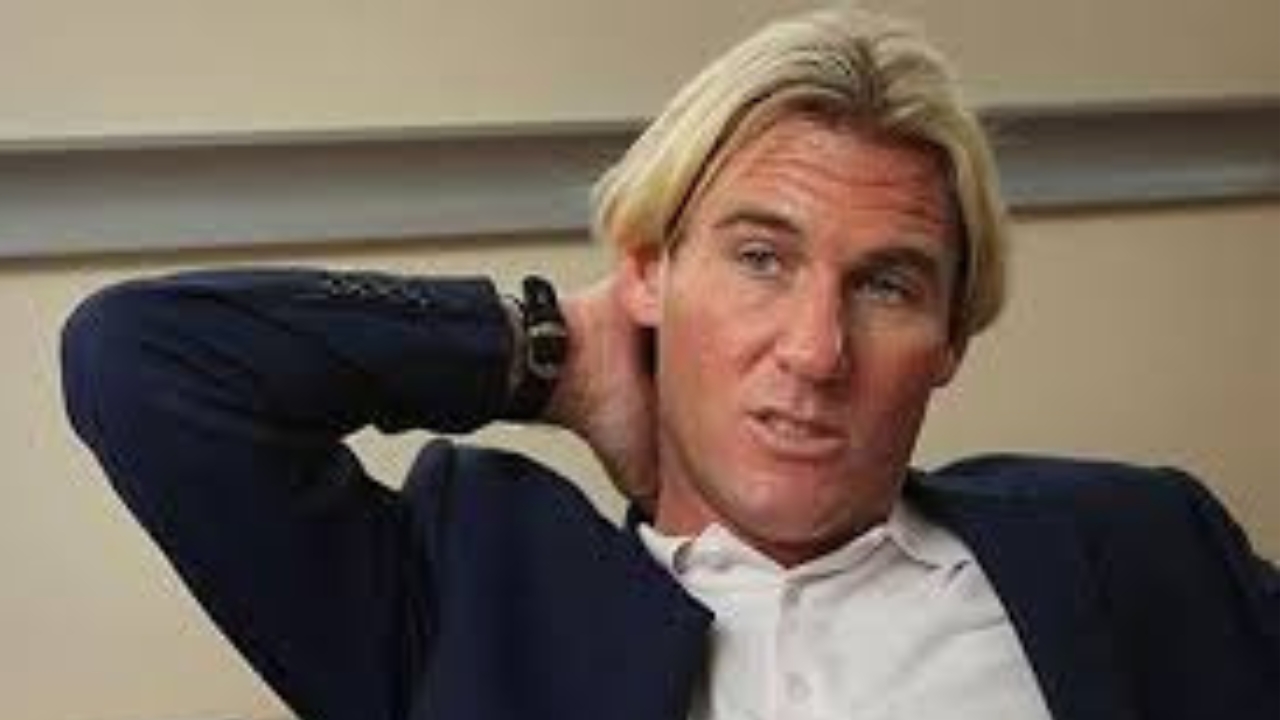
Simon Jordan (Credit: YouTube)
The company started with an initial investment of £30,000 and grew into one of the largest independent mobile phone retailers in the UK.
Over the years, Pocket Phone Shop expanded to more than 150 stores, serving a vast customer base. In 2000, Jordan sold the company to One2One (which later became T-Mobile) for an impressive £73 million, personally pocketing around £36.5 million.
This major financial breakthrough provided the foundation for his future ventures.
Owning Crystal Palace Football Club
In 2000, at the age of 32, Simon Jordan made headlines by acquiring Crystal Palace Football Club for £10 million.
Under his leadership, Crystal Palace enjoyed some successes, including a promotion to the Premier League in 2004. However, the club faced financial difficulties, and in 2010, Jordan stepped down as chairman.
The club eventually entered administration, and he lost his ownership stake. Despite this, his involvement in football solidified his reputation as an ambitious and bold investor.
Business Ventures Beyond Football
Simon Jordan didn’t stop at football; he explored multiple industries, further diversifying his wealth.
Sports Marketing & Media
Jordan established a sports marketing agency, which later caught the attention of advertising giant WPP. In 2005, WPP acquired the agency, further boosting Jordan’s fortune.
His media presence also grew, and he became a regular commentator on football. His bold opinions and unfiltered commentary made him a controversial yet respected voice in sports media.
Property Development
Leveraging his financial success, Jordan invested in real estate, further strengthening his financial portfolio.
His ventures in property development allowed him to generate substantial wealth beyond his football and media engagements.
Automotive Industry
Before his success in mobile phones, Jordan worked as a car salesman. His understanding of the automotive market led him to make strategic investments, increasing his fortune over the years.
Publishing and Restaurants
- In 2002, Jordan co-founded Octane, a high-end car magazine. He later sold his 50% stake in 2006, profiting from the venture.
- In 2006, he opened Club Bar and Dining, a high-end restaurant in London. However, he sold it in 2010 to the Ottolenghi Group, which later rebranded it as Nopi.
Career and Public Image
Following his business ventures, Simon Jordan transitioned into media and broadcasting. He became a radio and TV commentator, regularly discussing football, business, and current affairs.
His candid opinions and outspoken personality made him a popular yet polarizing figure in British media.
Jordan has also made guest appearances on various TV shows, offering insights on entrepreneurship and football management.
His media career has kept him in the public eye, further contributing to his wealth and influence.
