It’s a frustrating reality that even some of the most beloved and critically acclaimed series end up being canceled after just one or two seasons. If you’re a fan of a Netflix original that got axed, you’re not alone in wondering why the streaming giant makes such decisions. While it may seem perplexing, there are real, strategic reasons behind the cancellations.
Viewing Numbers and Audience Engagement
Netflix is primarily a business, and like any business, it needs to ensure that its investments generate returns. The most important metric in determining whether a show stays on the platform is its viewership.
Netflix (Image via Getty)
When a show is released, Netflix tracks how many people watch it, how long they watch it, and how quickly they finish it. This data plays a huge role in deciding whether a series is worth continuing. Shows that have low viewership or fail to engage audiences may not meet Netflix’s expectations for success. Even if a show has great critical acclaim or a loyal fan base, if it doesn’t drive enough views or engagement (like repeat watches), Netflix may choose to cancel it to reallocate resources to more popular projects.
Cost of Production vs. Revenue Generation
Original content on Netflix isn’t cheap to produce. From high-budget action series to smaller-scale dramas, the cost of creating shows can quickly add up. This is especially true when a series requires expensive special effects, A-list actors, or high-quality sets.
Netflix often finds itself weighing the production costs against potential revenue generation. A show might get canceled if the cost of producing the next season outweighs the income it generates from subscriptions. While some shows may have a loyal fan base, if the revenue from subscriptions doesn’t justify the budget, the show may be canceled to avoid further financial loss.
Saturation of Content
As Netflix expands its content library, there’s a greater need for differentiation between shows. With so much content available, some shows can get lost in the crowd, even if they have unique qualities. Sometimes, the platform will cancel shows because they are simply too similar to others in their library, making it harder for them to stand out. In cases like this, the platform might want to focus on creating new, more innovative content rather than continuing with a show that lacks distinction in a saturated market.
Shifting Priorities and Strategy
Moreover, Netflix occasionally changes its focus to specific genres or even specific countries. A show that was successful in one market may not have the same appeal globally. This shift in priorities may lead Netflix to cancel shows that no longer fit their evolving content strategy.
Critical Reception and Social Buzz
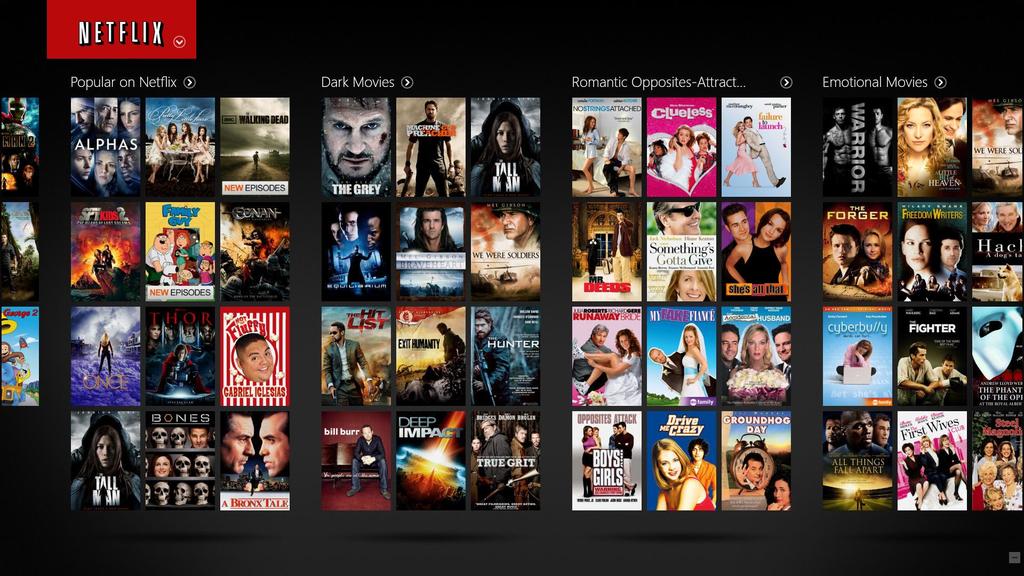
Netflix shows (Image via Getty)
In some cases, Netflix may opt to cancel a show despite decent reviews because it didn’t generate enough conversation or buzz to keep the momentum going. In today’s social media-driven world, the amount of buzz a show generates plays an increasingly important role in its survival. If a show isn’t trending or being discussed widely, Netflix might feel it’s not worth continuing.
Creative Challenges and Showrunner Decisions
A key part of a show’s success is the creative direction set by its showrunner. Showrunners are responsible for the vision and execution of a series, and if there’s a change in the leadership or creative challenges during production, it can lead to a show’s downfall.
Sometimes, a show may face internal challenges like creative differences, disagreements on the direction of the story, or even behind-the-scenes conflicts that impact the show’s production and reception. These issues can affect the consistency and quality of the content, which may contribute to a decision to cancel it, even if it started strong.
Global Market and Regional Success
Netflix is available in over 190 countries, and each region has different tastes and preferences when it comes to content. Sometimes, a show may be successful in one market but fail to resonate in others. For example, a drama series that does well in the U.S. may not generate the same level of interest in Europe or Asia.
When Netflix invests in international content, it tries to cater to regional tastes, but not every show will be successful across all markets. If a show doesn’t resonate with a large enough audience on a global scale, Netflix may decide to cancel it. This decision can be based on regional viewership data that shows a lack of interest outside the original production area.
Overestimating Potential
Another reason shows get canceled is when Netflix overestimates its potential in terms of viewership or impact. Shows are often given a chance based on exciting pitches, interesting concepts, or potential celebrity involvement. However, if the show fails to live up to these expectations, Netflix may decide to cut its losses early rather than risk continued investment in something that’s not working.
In these cases, the cancellation is more about misjudging the show’s ability to attract and keep viewers rather than an issue with quality. A show may have had all the ingredients for success but just didn’t come together as expected.
Netflix (Image via Getty)
Contractual and Licensing Issues
In some cases, a show may face cancellation due to licensing and contractual issues. Netflix often produces original content in collaboration with other studios or partners. If there’s a breakdown in the relationship with those partners, it can lead to issues with continuing the series. Additionally, if licensing rights are about to expire or become too costly to renew, Netflix may opt to cancel the show rather than continue with expensive contracts.
The Changing Streaming Environment
The finale of Moana 2 is an explosive, game-changing moment that not only alters the protagonist’s fate but also sets the stage for future sequels, including the much-anticipated Moana 3 . The sequel follows Moana as she embarks on a daring mission to restore a sunken island, Motufetu, and lift a curse that endangers her people. Alongside her loyal crew and the return of Maui, she faces off against the villainous god, Nalo, whose actions set the curse in motion.
With Moana 2 poised to dominate at the box office, the film ends with a tantalizing preview of what could be to come. The conclusion transforms Moana and her world in significant ways, expanding both the scope of her journey and her powers. Here’s how the ending reshapes Moana’s character and sets the foundation for further adventures.
Moana 2 Ending Explained
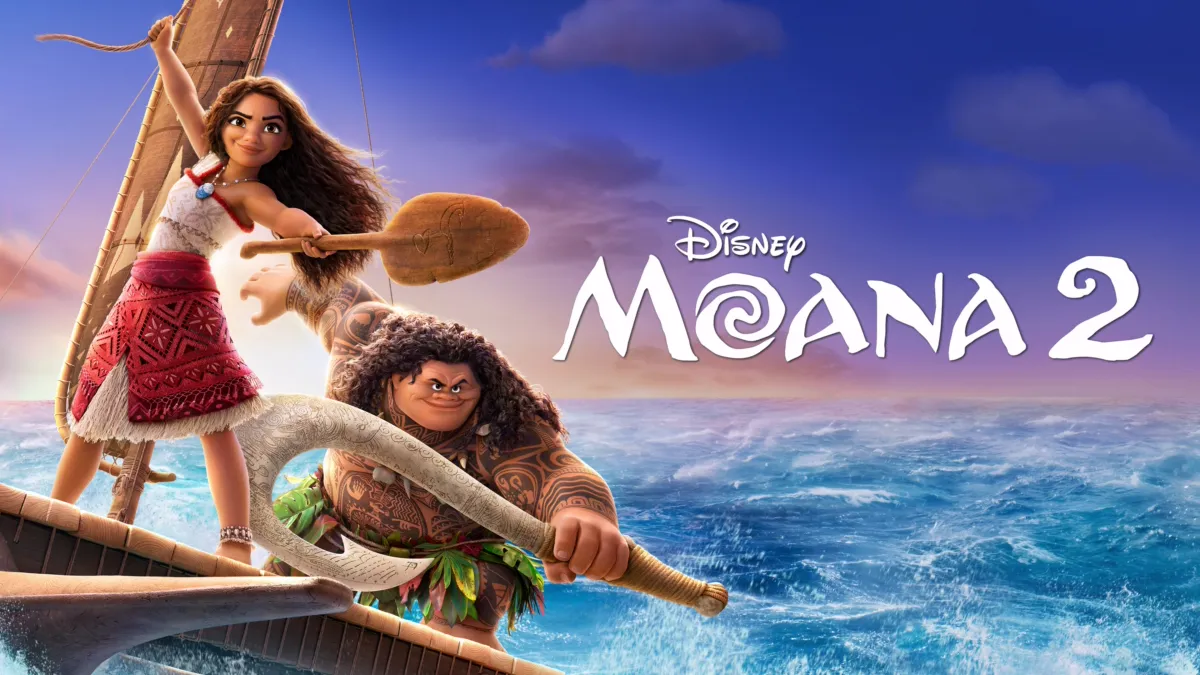
Moana 2 (Image via Getty)
One of the biggest surprises in Moana 2 occurs during the climax when Moana seemingly dies while attempting to restore Motufetu. Her near-death experience leads to a profound transformation, as she is resurrected by the ocean and her ancestors, including her grandmother and Tautai Vasa. This resurrection grants Moana the status of a demigod, similar to Maui, and imbues her with immortality, enabling her to survive otherwise fatal injuries.
In the film’s final moments, the ocean plays a crucial role in Moana’s revival, making it clear that she is now part of something larger than herself. This powerful shift elevates Moana from a determined leader to a near-mythical figure, marking a pivotal moment in her character arc.
Moana’s Oar: A Symbol of Her New Powers
In Moana 2 , the heroine’s trusty oar is redefined as a key symbol of her newfound powers. Whereas Maui’s abilities are linked to his magical fishhook, Moana’s oar is now adorned with golden script, transforming it into a spiritual tool that channels her supernatural strength. While it doesn’t grant her the ability to shapeshift like Maui, the oar allows Moana to manipulate the ocean’s tides, creating pathways through the water and furthering her role as a Wayfinder.
This upgrade turns Moana’s oar into a central element of her identity as a demigod, and its importance will likely grow in future installments, offering new opportunities for Moana to display her abilities.
Moana’s New Tattoos: Marking Her Heroic Journey
As part of her ascension, Moana gains several tattoos that symbolize her heroic deeds. These tattoos, which feature scenes of celebration on Motufetu, are reminiscent of the tattoos Maui bears, which document his own accomplishments. Moana’s tattoos are more than just decorative; they act as a visual record of her transformation into a demigod and a hero.
As she continues her journey, it’s likely that more tattoos will appear, each representing milestones in her quest. In fact, the tattoos may even evolve in a manner similar to Maui’s Mini Maui, suggesting that Moana’s journey is just beginning, with more achievements to come.
Restoring the Ocean’s Connections
The central mission in Moana 2 is to restore the lost island of Motufetu, which, as Tautai Vasa reveals, was crucial for maintaining the connections between the various oceanic tribes. Without it, Moana’s people are at risk of dying out due to their isolation. By lifting the curse and bringing Motufetu back to the surface, Moana not only saves her tribe but also reconnects the entire oceanic world.
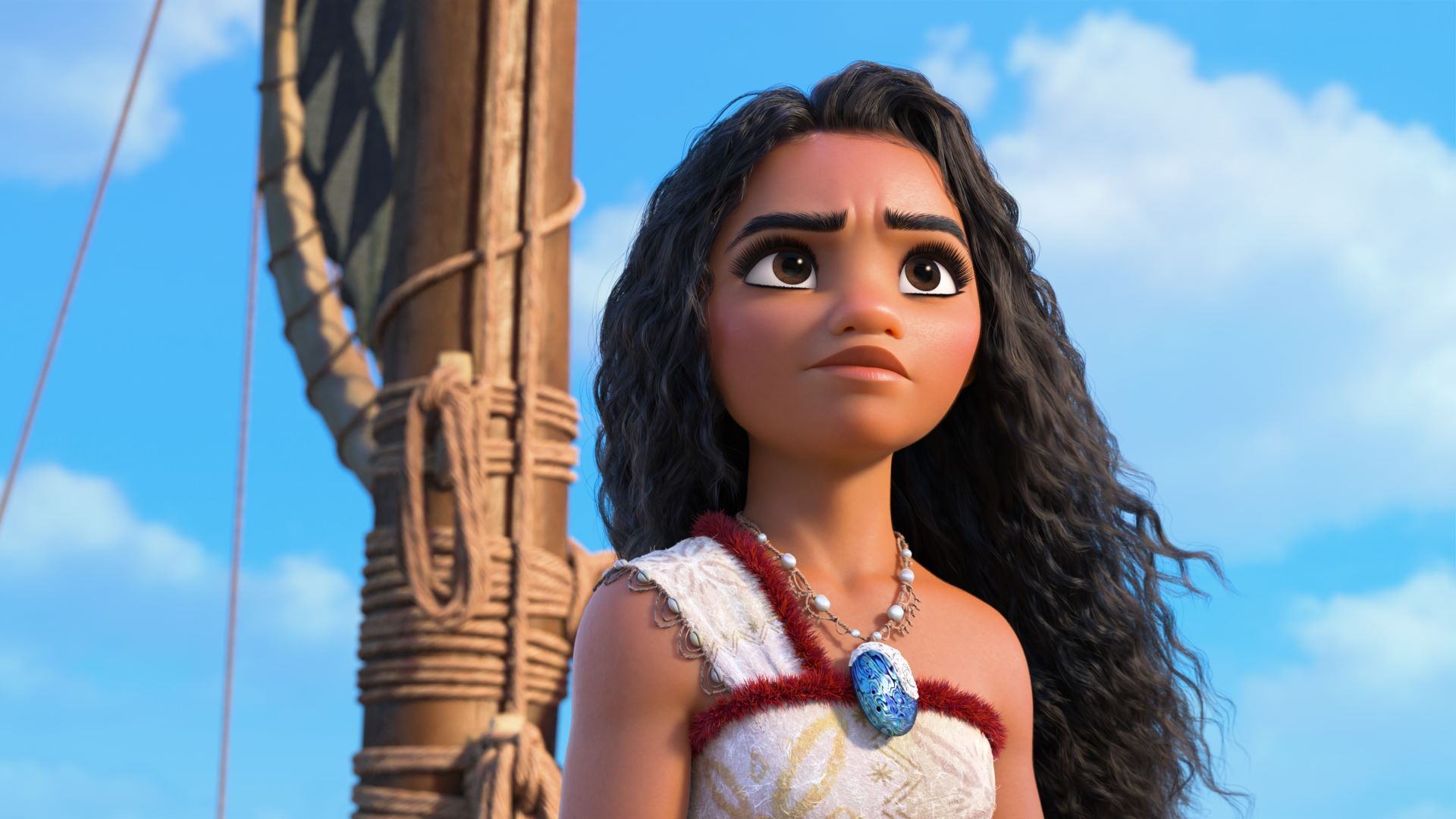
Moana (Image via Getty)
This restoration has immediate consequences, as explorers from distant lands begin to arrive on Motufetu. Moana is able to unite these new wayfinders and bring them to her home island, fostering alliances between various tribes. This expansion of the oceanic world opens the door for further exploration in future films, while also hinting at potential conflicts with these newly introduced tribes.
The True Villain: Matangi’s Tragic Role
At first, Matangi appears to be a formidable antagonist, capable of overpowering Maui with ease. However, as the story unfolds, it’s revealed that Matangi is actually an unwilling servant of Nalo, the god responsible for the curse on Motufetu. Trapped in an island-sized clam for centuries, Matangi hopes that Moana’s success in breaking the curse will free her from Nalo’s control.
Despite her attempts to aid Moana, Matangi’s journey doesn’t end on a happy note. In the film’s mid-credits scene, Matangi is shown still under Nalo’s control, hinting at a reluctant future adversary for Moana. However, her desire for freedom could eventually turn her into an ally, depending on how Moana handles the ongoing influence of Nalo.
Nalo’s Revenge: Setting the Stage for Moana 3
While Nalo is not a major presence in Moana 2 , his actions loom large over the film. Nalo is revealed to be the mastermind behind the curse that sank Motufetu, driven by a desire to protect his power from the growing threat of humanity. Even after Moana’s victory, Nalo’s thirst for revenge remains unquenched, as demonstrated by his appearance in the mid-credits scene.
In this scene, Nalo vows that Moana’s journey is just beginning, setting up a potential conflict for Moana 3 . Nalo’s anger is compounded by his control over Matangi, who could serve as a powerful tool in his quest for vengeance. Additionally, the return of Tamatoa, the giant crab from the original Moana , further complicates the situation. These elements suggest that Moana will face a much greater challenge in the next installment, making Moana 3 a highly anticipated sequel.
The Continuing Theme of Exploration
One of the key themes that both Moana and Moana 2 explore is the importance of venturing beyond familiar boundaries. In the first film, Moana sets out to restore the Heart of Te Fiti and save her people from a curse that threatens all life. In Moana 2 , the story shifts to the importance of reconnecting the ocean’s far-flung islands and tribes, underscoring the need for expansion and exploration.
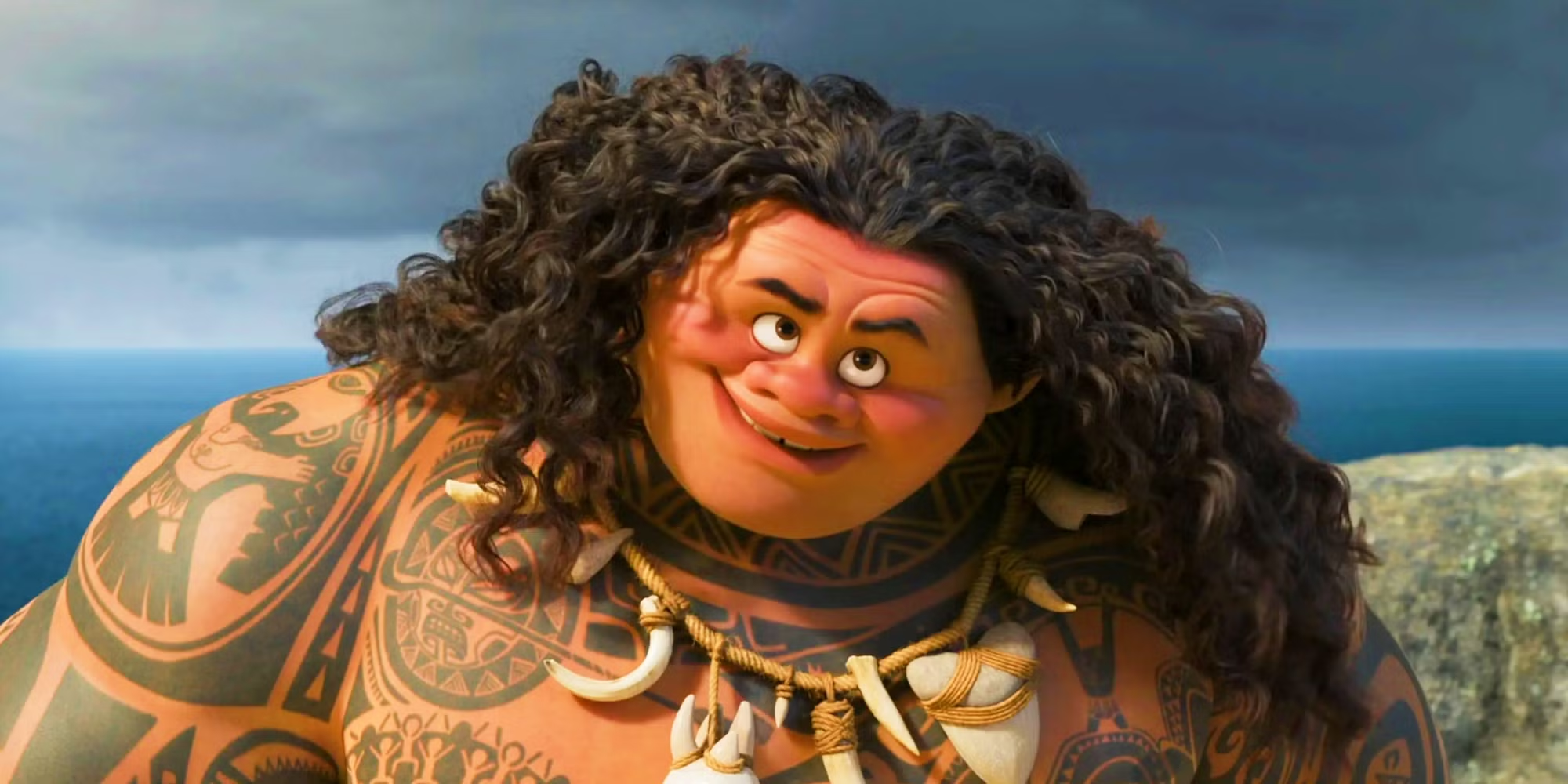
Maui (Image via Getty)
The ending of Moana 2 mirrors the conclusion of the first film, with Moana and her crew setting sail into the unknown once again. This cyclical journey of discovery reinforces the narrative arc of Moana as a Wayfinder, ready to chart new paths and confront the challenges that lie ahead.
The Philosophical Message: Embracing Change
At its core, Moana 2 is about the courage to embrace change and take risks. Throughout the film, Moana and her crew are forced to step out of their comfort zones, whether it’s Loto embracing experimentation, Moni confronting his fears, or Kele adapting to the ocean. Even Moana herself must learn to trust new paths, as evidenced by her willingness to follow Matangi’s advice to “get lost” and forge a different course.
This thematic exploration of change and growth is particularly resonant in Moana’s own evolution from a determined leader to a powerful demigod. The story emphasizes the importance of adaptability, even in the face of seemingly insurmountable odds.
The Future of Moana: More Movies and Live-Action Adaptations
While Moana 3 hasn’t been officially confirmed, the success of Moana 2 and its tantalizing setup for future conflicts strongly suggest that the story isn’t over. The upcoming live-action remake of Moana , set to release in 2026, will offer new opportunities for fans to experience Moana’s adventures. Additionally, the success of animated sequels like Frozen indicates that Moana may follow a similar trajectory, with more films on the horizon.
