While horror reality shows often seem fake or scripted, Netflix’s Haunted stands out as something truly unique. The pseudo-documentary series began in 2018 and has had three seasons, with each one scarier than the last. The show features people who have faced paranormal events. They sit with their friends and family to share their memories of these traumatic incidents.
The series includes stories about encounters with demonic beings, cults, and even alien abductions. Each episode presents a new, terrifying story. Some episodes even show true-crime tales that leave a lasting impact on those who experienced them.
Haunted also has a Mexican spinoff titled Haunted: Latin America, which taps into the culture’s folklore and supernatural beliefs. Since the show focuses on personal experiences with the supernatural, it often leaves viewers with unresolved questions, which adds to the horror.
The Authentic Storytelling of ‘Haunted’
What makes Haunted different from other paranormal reality shows is its focus on storytelling rather than ghost hunting or investigating haunted places. Many paranormal shows focus on proving whether or not ghosts exist by searching for evidence in supposedly haunted locations.
However, Haunted takes a different approach. It shines a light on the personal experiences of those who claim to have faced supernatural events. The individuals featured on the show are not trying to provide evidence or debunk any myths; they simply share their stories.
The emotional and psychological effects of these encounters are the main focus of the show. Each storyteller goes deep into how these experiences changed their lives and affected them.
The storytelling invites viewers to experience the horror these narrators went through. This approach helps create a strong connection between the viewers and the narrators, allowing the audience to empathize with their experiences.
One of the best aspects of the show is that it does not rely on shock value to scare its viewers. Instead, Haunted builds a creepy atmosphere through the sincerity of each story. This emotional connection is essential to the show’s success.
When viewers listen to someone share a personal and frightening experience, they feel the fear and tension more deeply. This makes Haunted a more immersive and emotional experience compared to other horror shows that may rely solely on jump scares.
The Show’s Self-Awareness
Haunted successfully blurs the line between reality and fiction. Pseudo-documentaries are meant to mix scripted events with realistic interviews and narratives. This approach engages viewers and often makes them question whether the stories are true.
Haunted does this effectively, claiming to tell “true stories” about horror encounters but never stating that the encounters themselves are undeniably true. This choice allows viewers to make their own judgments about the stories presented.
The show does not feature follow-up investigations to confirm the validity of the stories told. Instead, it focuses on the experiences of the storytellers.

Still from Haunted (Credit: Netflix)
This decision allows viewers to analyze everything the narrators say, leading to a unique viewing experience. The audience can reflect on the details and emotions presented in each story, which makes Haunted more engaging than many other horror reality shows.
Unlike some pseudo-documentaries that fail to capture the essence of their stories, Haunted excels in creating an atmosphere that is both creepy and engaging.
The show’s creepy music, effective sound design, and visual recreations add to the storytelling. Each element works together to enhance the eerie feeling and keep the audience on the edge of their seats.
The Emotional Impact of Audience Reactions
While Haunted might not be the scariest reality show, it brings a raw and genuine quality that is admirable. One of the standout aspects of the show is the audience’s involvement.
Instead of having random strangers listen to the storytellers, Haunted features friends, family, and loved ones as the audience. This choice adds an emotional layer to the stories being shared, especially when the stories are particularly intense.
The dynamic between the storyteller and the audience creates an intimate “fly-on-the-wall” experience. This setup blurs the lines between supernatural horror and real, personal trauma. When viewers see someone recount a traumatic experience, they can connect with the emotions being expressed.
For instance, in Season 1, Episode 2, a family shares horrifying memories of living with a serial killer. Terrilyn narrates the story along with her nephew Jacob and sister Sadie while one of their friends listens intently.
The episode is filled with tension as the three narrators recall their memories, with Jacob discussing how his grandfather groomed him to become a murderer.
As the story unfolds, the friend listening asks questions and expresses shock, prompting the narrators to dig even deeper into their experiences. This interaction creates an emotional bond, making the audience feel connected to the story.
Viewers of Haunted come from all walks of life, including those who might be skeptical about the stories being told. In Season 1, Episode 1, a man named Jacob Hawkins recounts his experience being haunted by a ghost called “The Woman in White.”
His friend, listening to the story, is skeptical and challenges the authenticity of Jacob’s account. This interaction adds another layer of intrigue to the show, as it reflects the various reactions people have when confronted with the supernatural.
The Storytelling Style
The storytelling style of Haunted is key to its success. Each episode begins with the narrator describing their experience in detail. They explain what happened, how it made them feel, and how it impacted their lives. The show often includes reenactments, which help visualize the story.
These reenactments do not overshadow the main story but instead enhance the emotional weight of the experience being shared.
The show’s creators use various techniques to keep the audience engaged. The visual elements include dark, moody lighting and dramatic music that builds tension. The combination of storytelling, visuals, and sound design creates an atmosphere that draws viewers in and keeps them engaged.
Additionally, the use of first-person narratives adds authenticity to each story. The narrators speak directly to the camera, creating a sense of intimacy and connection. When someone shares a deeply personal experience, it resonates more strongly with the audience. This personal touch makes the horror feel more real and relatable.
Themes of Trauma and Resilience
Many stories featured in Haunted touch on themes of trauma and resilience. The narrators do not just share their experiences; they also discuss how these events have affected their lives in the long term.
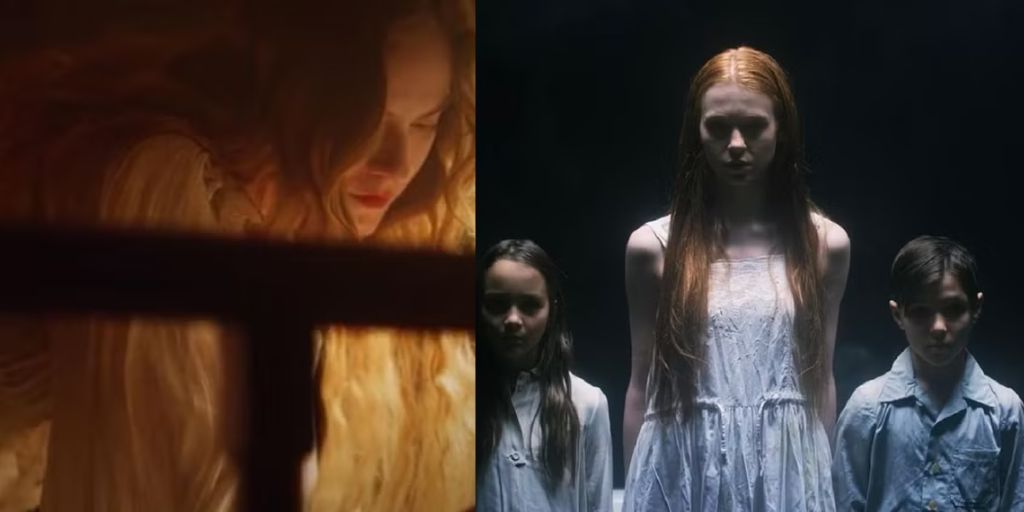
Still from Haunted (Credit: Netflix)
Some narrators reveal how they cope with their fears, while others discuss the lasting impact of their encounters. This focus on trauma adds depth to the show, making it more than just a collection of scary stories.
For example, in one episode, a narrator shares their experience of being haunted after a traumatic event in their life. They describe how the encounter changed their perception of reality and how they struggled with anxiety afterward. This vulnerability allows viewers to connect with the narrators on a deeper level, as many people have faced their own forms of trauma.
The show emphasizes the importance of sharing these experiences. By allowing individuals to tell their stories, Haunted provides a platform for people to express their fears and anxieties. This sharing can be a healing process, as it helps narrators confront their past and find strength in their experiences.
A Cultural Scheme
Haunted: Latin America offers a fresh perspective on the supernatural by incorporating cultural folklore and beliefs from Latin American countries.
This spinoff maintains the core structure of the original show while highlighting the rich scheme of stories rooted in Latin American traditions. The narratives often draw from local legends, myths, and cultural experiences, making them unique and relatable to audiences familiar with those cultures.
The incorporation of folklore adds another layer to the storytelling. The supernatural elements are not just random occurrences; they are deeply connected to the cultural context of the region. Viewers learn about the significance of certain entities or spirits within the culture, which enhances their understanding of the stories being told.
For example, one episode may focus on a well-known figure from local folklore, like La Llorona, who is said to wander near bodies of water, crying for her lost children. By sharing these stories, Haunted: Latin America allows viewers to connect with cultural heritage while also experiencing the fear that comes from these legends.
This cultural scheme is essential in showcasing how supernatural beliefs can shape personal experiences. By examining how these stories impact individuals within a cultural context, the show broadens its scope and appeals to a diverse audience.
The Role of Skepticism
Skepticism plays an important role in Haunted. The show recognizes that not everyone will accept the supernatural at face value. Viewers are encouraged to question the authenticity of each story, and the presence of skeptical friends or family members adds an interesting dynamic to the episodes.
By incorporating skeptics into the narrative, Haunted allows for healthy discussions about belief and doubt. This element encourages viewers to engage with the material critically. For instance, when a skeptic challenges a storyteller, it opens the door for discussions about the nature of fear, belief, and the unknown.
This inclusion of skepticism does not diminish the horror; instead, it enhances it. The uncertainty surrounding the truth of each story adds tension and intrigue, as viewers are left to wonder what is real and what may be a product of imagination or fear. This complexity adds depth to the show’s themes and keeps the audience engaged.
The Impact of Haunted on Horror Culture
Since its debut, Haunted has made a significant impact on horror culture. It has changed how paranormal stories are told on television and influenced other shows within the genre. By focusing on personal narratives and emotional experiences, Haunted sets itself apart from traditional horror shows that rely on jump scares or elaborate investigations.
The show has also sparked conversations about the nature of fear. It encourages viewers to reflect on their own experiences with the supernatural and consider how trauma can shape one’s understanding of fear. Many fans of the show appreciate its authenticity and the emotional depth it brings to the horror genre.
Additionally, Haunted has encouraged a new generation of storytellers to share their own experiences with the supernatural. Social media platforms have seen an increase in people sharing their personal ghost stories and paranormal encounters, inspired by the narratives presented in the show. This shift has led to a greater appreciation for storytelling as a means of processing fear and trauma.
Conclusion: Why You Should Watch ‘Haunted’
As the spooky season approaches, Haunted is a must-watch for anyone interested in the paranormal. The series offers a refreshing take on horror, focusing on personal experiences and emotional storytelling. Its unique format, compelling narratives, and deep scheme of trauma make it stand out in the reality television world.
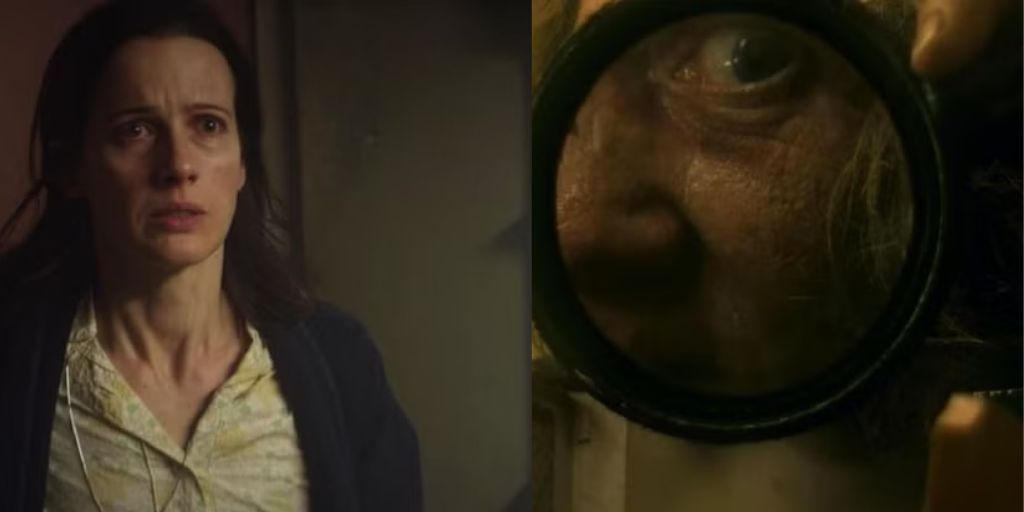
Still from Haunted (Credit: Netflix)
The emotional depth of each story, combined with the raw reactions of family and friends, creates an engaging viewing experience. By allowing viewers to connect with the narrators, Haunted successfully immerses its audience in the fear and trauma of supernatural encounters.
All seasons of Haunted are available for streaming on Netflix, and while there is no news about a fourth season yet, the existing episodes provide plenty of spine-chilling content for fans of the genre.
So grab some popcorn, settle in, and prepare for an emotional and eerie journey with Haunted this spooky season. Whether you believe in the supernatural or not, the stories told in this series will undoubtedly leave a lasting impression.
Sofia Falcone (played by Cristin Milioti) has become the star of The Penguin, taking attention away from Oswald (played by Colin Farrell). She is now everyone’s favorite serial killer. We first meet Sofia in Episode 1 after she gets out of Arkham Asylum.
Episode 2 shows us her time in Arkham, where she faced abuse and was a test subject for Bliss. Now, she suffers from PTSD because of her experience in prison.
Her new EMDR therapy has not helped her deal with this trauma. It is hard to feel sorry for Sofia since she is the infamous serial killer known as the Hangman. But is she really the Hangman like everyone is saying? Episode 3 suggests otherwise.
Who Is the Hangman in DC Comics?
The Long Halloween follows the downfall of the Falcone crime family as a new serial killer called “Holiday” kills major players in Gotham’s underworld. The story shows the ongoing war between the Falcones and the Maronis, introducing important characters who play a big role in The Penguin, like Sofia and Alberto Falcone (played by Michael Zegen).
In the sequel comic, Dark Victory, Sofia causes chaos in Gotham after her father’s death. After Batman thinks he has caught Holiday, he is surprised when the killings keep happening. A new serial killer called the Hangman appears, who is later revealed to be Sofia Falcone.
Sofia’s victims are all connected to the Gotham City Police Department (GCPD) or the District Attorney’s office. They also include people who helped Harvey Dent become DA. However, The Penguin changes some details about the character since Two-Face has not yet appeared in Matt Reeves’ Batman story.
Is Sofia the Hangman in ‘The Penguin’?
In The Penguin Episode 1, we learn that Sofia has just been released from Arkham Asylum after spending ten years there. Society fears her because they believe she is a ruthless serial killer. However, Episode 3 hints that she might be innocent.
When Victor (played by Rhenzy Feliz) brings up Sofia’s murders, Oz tells him, “Don’t believe everything you read in the papers.” This statement raises questions about Sofia’s guilt.
Later in the episode, Sofia has a conversation with Oz that suggests she is not the Hangman. Oz admits he knew she was innocent and that he does not regret making her take the fall so he could rise in Falcone’s crime organization.
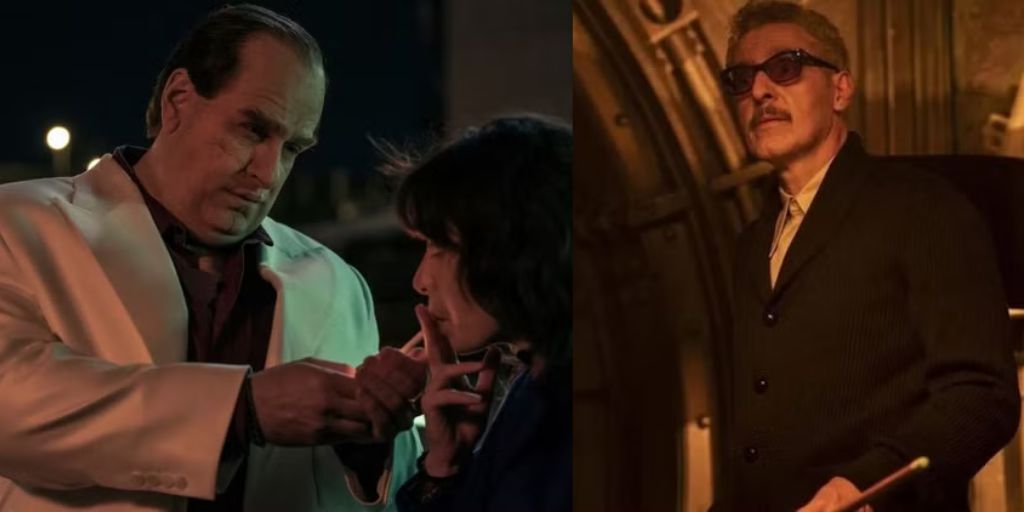
Still from The Penguin (Credit: HBO)
This adds a tragic layer to Sofia’s character. She is shunned by her family for crimes she did not commit. Instead of trying to prove her innocence, she accepts her false reputation and uses it to scare others.
If Sofia is not the Hangman, then who is the real killer?
The Real Killer Might Be Another Falcone
The real Hangman is likely not Sofia, but it may be another member of the Falcone family. In The Long Halloween, Alberto is the Holiday killer. He targets characters from The Penguin, like Johnny Viti (played by Michael Kelly) and Salvatore Maroni (played by Clancy Brown).
Episode 2 gives hints about Alberto’s past as Holiday during his wake. While Sofia watches old video clips, she sees one of Alberto wishing everyone a happy new year. This could refer to his actions in The Long Halloween, where he would kill his victims on specific holidays, which is why he is called Holiday.
However, the more likely suspect is his father, Carmine Falcone (played by John Turturro/Mark Strong). Carmine has a dark history of strangling women. In The Batman, he tries to strangle Selina Kyle (played by Zoë Kravitz) and succeeds with her girlfriend, Annika (played by Hana Hrzic), and her mother, Maria.
While the Hangman targeted law enforcement in the comics, a radio host in Episode 2 mentions that the Hangman killed at least seven women. This aligns more with Carmine’s pattern of violence.
Oz is shocked when Carmine admits Sofia to Arkham, as this seems too harsh even for him. But Carmine could have seen an opportunity for someone else to take the blame for his crimes and decided to make Sofia a scapegoat. Carmine does not hesitate to strangle Selina when he discovers she is his daughter. This fits with what we know about his character.
The Complexity of Sofia’s Character
Sofia’s character is complex and intriguing. She represents the blurred lines between good and evil in Gotham. Many characters in Gotham have dark pasts, and Sofia is no exception. Her childhood and experiences in Arkham shape who she is today. Being released from Arkham does not mean she is free from her past.
Sofia is a product of her environment. The criminal world she is a part of is ruthless, and she uses fear as a tool for survival. Instead of running from her past, she chooses to embrace it. This adds depth to her character and shows that even those labeled as villains can have their own struggles and motivations.
Sofia’s Relationship with Oswald
Sofia’s relationship with Oswald is another key aspect of The Penguin. They have a complicated dynamic. Oswald initially sees Sofia as a valuable ally. He recognizes her skills and reputation as a serial killer. However, as the series progresses, their relationship becomes strained. Oswald is a manipulative character who seeks to control those around him.
He uses Sofia’s fearsome reputation to his advantage. However, Sofia’s strength and resilience make her a challenging partner. She is not just a pawn in Oswald’s game. She has her own ambitions and goals, which sometimes clash with Oswald’s plans. Their relationship shows the power struggles within Gotham’s criminal world.
Oswald’s betrayal of Sofia at the end of Episode 3 marks a turning point in their dynamic. He uses her trust against her, leaving her in a vulnerable position. This betrayal will likely have consequences for both characters as the series continues. It highlights the theme of trust and betrayal that runs throughout The Penguin.
The Role of Trauma in Sofia’s Life
Sofia’s trauma plays a significant role in shaping her character. Her experiences in Arkham and the abuse she suffered create lasting scars. PTSD is a real issue for many individuals, and Sofia’s struggle to cope adds realism to her character.
The EMDR therapy she undergoes is intended to help her heal, but it has not been successful. This reflects the challenges many face in seeking help and recovering from traumatic experiences. Sofia’s mental health struggles make her a more relatable character. She embodies the idea that healing is not a straight path.
Despite her past, Sofia demonstrates resilience. She refuses to be defined solely by her trauma. Instead, she uses it to fuel her determination. Her character shows that even in the darkest situations, there can be a spark of strength and hope.
The Importance of Reputation in Gotham
Reputation plays a crucial role in The Penguin. In Gotham, a person’s reputation can make or break them. Sofia is aware of her reputation as the Hangman, and she uses it to her advantage. By embracing her fearsome image, she can manipulate those around her.
This theme of reputation is prevalent throughout the series. Characters must see their public images while dealing with their true selves. For Sofia, this duality creates tension in her relationships. She wants to be seen as powerful and feared, but she also longs for understanding and acceptance.
The way characters perceive Sofia impacts her actions. She grapples with the idea of being a monster versus being a victim. This internal conflict makes her a compelling character. It invites the audience to consider the complexities of identity and reputation in a city as chaotic as Gotham.
Future of Sofia in The Penguin
As The Penguin continues, Sofia’s story will likely evolve. Her relationship with Oswald has changed, and she will have to confront the consequences of his betrayal. She may seek revenge or try to regain control of her life.
The identity of the true Hangman remains a mystery, and Sofia’s journey may lead her to uncover the truth. Her quest for justice could lead to new alliances or conflicts with other characters. The series has set the stage for exciting developments in Sofia’s character arc.

Still from The Penguin (Credit: HBO)
Additionally, the scenes of her past and mental health will likely continue. The show has established a strong foundation for discussing trauma and healing. This theme can resonate with many viewers and add depth to Sofia’s character.
Conclusion
Sofia Falcone is a fascinating character in The Penguin. Her journey from a feared serial killer to a complex individual dealing with trauma attracts the audience. The scheme of her relationships, especially with Oswald, adds layers to her story.
The mystery surrounding the true Hangman keeps viewers engaged, and Sofia’s character serves as a lens through which we show themes of reputation, trauma, and survival in Gotham. As the series progresses, it will be interesting to see how Sofia faces her past and shapes her future in a city full of danger and deceit.
