Halo fans waited years for a live-action take on the iconic shooter franchise. Master Chief’s helmeted face finally hit screens in 2022 on Paramount+, promising epic battles against Covenant aliens.
Two seasons later, the plug got pulled, leaving Spartans in limbo and sparking endless online gripes. What turned hype into heartbreak?
Budget Black Hole Sinks the Show
Producing Halo screamed money pit from day one. Season 1 reportedly burned through $200 million, with massive sets for ringworlds, CGI Flood parasites, and Pablo Schreiber’s hulking Master Chief armor.
Paramount+ banked on it as a flagship series, the most-watched debut in platform history at launch. But costs kept climbing, especially with practical effects and location shoots that rivaled blockbuster films.
Season 2 wrapped in March 2024, yet numbers reportedly dipped or flatlined, failing to justify the spend. Paramount faced real pressure, too. The streamer merged with Skydance Media right around cancellation time in July 2024, forcing brutal cuts to pricey underperformers.
New bosses eyed the bottom line, and Halo, despite solid audience scores on Rotten Tomatoes, never cracked “must-watch” status like The Last of Us. Forums buzzed with theories: without merch booms or viral clips, it just wasn’t paying off.
Xbox and 343 Industries shopped it around post-axing, but a year later, crickets. Stars moved on, and sets were
dismantled, making revival a logistical nightmare.
Fan Backlash Torches the Lore
Halo diehards never bought in fully. The show kicked off with a wild “Silver Timeline” twist, splitting from game canon to let showrunners play loose.
Master Chief unmasked too soon, romanced a human sidekick, and ditched his stoic Marine roots for therapy sessions. Critics called it a caricature; gamers fumed on Reddit about butchered lore from Bungie’s originals.
Pablo Schreiber defended the changes, arguing TV needed emotional depth beyond pew-pew action. Season 1 tanked with reviewers at 47% on Metacritic, though casual viewers stuck around.
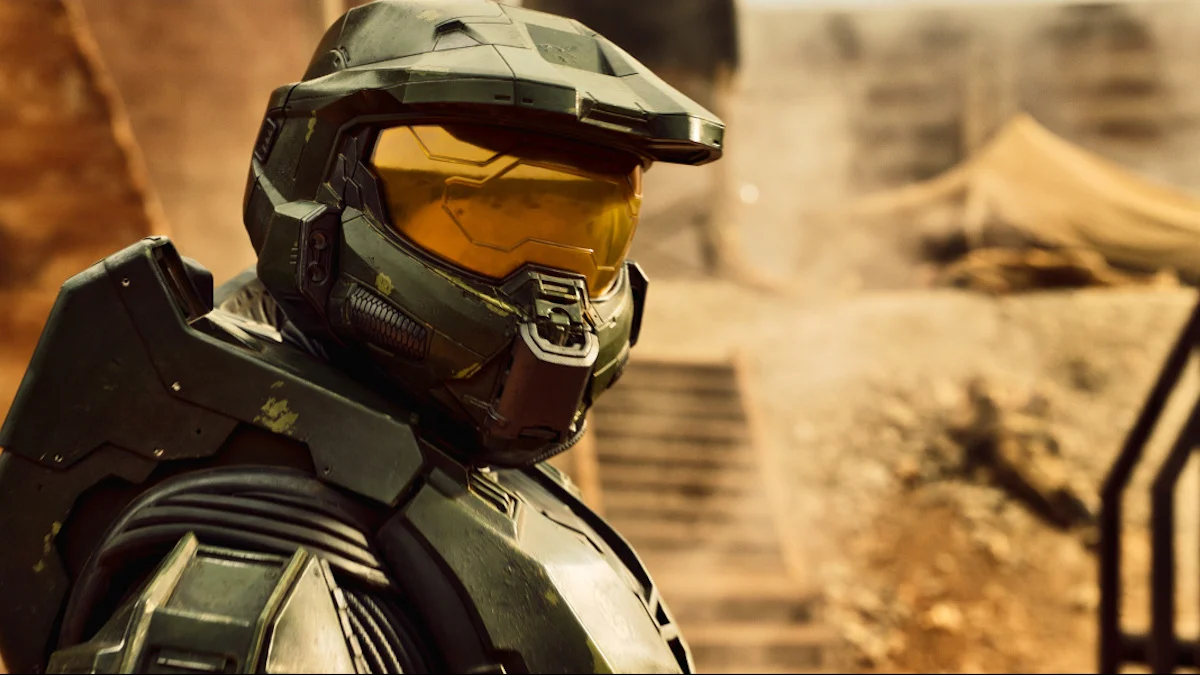
Halo (Credit: HULU)
Season 2 improved, hitting game-accurate beats like the Fall of Reach, but damage lingered. “It feels outdated next to Fallout’s success,” one Forbes piece noted, pinning weak writing and odd casting on the flop.
Social media amplified the hate. Twitter threads dissected every deviation, from Cortana’s redesign to Makee, the human Forerunner. No cohesive fanbase emerged, starving secondary revenue like comics or apparel. Paramount bet big on nostalgia but alienated core players who wanted faithful adaptation over soap opera vibes.
What’s Left for the Franchise?
Cancellation hit like a plasma grenade. Producers Amblin and 343 hoped to pitch elsewhere, but logistics killed momentum: actors aged out of roles, and budgets scared off rivals. Radio Times confirmed no Season 3 pickup by early 2026, with Microsoft refocusing on games amid Xbox struggles.
Yet Halo endures elsewhere. Infinite’s battle pass churns, and rumors swirl of a Paramount+ reboot under fresh leadership post-merger. Fans cling to highlights like Natascha McElhone’s dual-role gravitas and Season 2’s action spikes. ScreenRant argued the real lesson: game adaptations thrive on loyalty, not reinvention.
The saga spotlights streaming wars’ ruthlessness. Halo aimed high, crashed hard, but its Spartan spirit fuels calls for a do-over. Gamers keep hoping Chief’s war rages on, helmets intact, one day.
Kids in the early 2010s glued themselves to Nickelodeon for Tori Vega’s wild ride at Hollywood Arts. Victorious mixed catchy tunes, high school drama, and that scrunchie life with stars like Victoria Justice and a pre-megastar Ariana Grande.
It racked up millions of viewers weekly, with soundtracks charting on Billboard, yet vanished after three shortened seasons in 2013, with no proper goodbye. Fans still scratch their heads over the abrupt end to Jade’s sarcasm and Beck’s coolness.
Spinoff Gamble Trumps Show Loyalty
Nickelodeon brass eyed bigger plays by mid-2012. They greenlit Sam & Cat, blending Victorious’ Cat Valentine with iCarly’s Sam Puckett for crossover gold starring Ariana Grande and Jennette McCurdy.
To free up schedules, Victorious got chopped, announced casually in August 2013 after its finale aired months earlier without fanfare. Creator Dan Schneider hit Twitter back then, insisting nobody on the cast or crew wanted out, pinning it on network calls after 60 episodes hit a sweet spot.
The math checked out for execs. Victorious pulled a steady 3-4 million viewers and strong syndication cash, but Sam & Cat promised dual fanbases and merch spikes. Musical numbers jacked up budgets too, with custom songs and stage builds pricier than sitcom basics.
Deadline reported the third season shrank to wrap quickly, signaling the endgame all along. Hindsight stings: that spinoff flamed out after one messy season amid cast gripes, leaving fans bitter over sacrificed OG magic.
Backstage Buzz Blames Lead Ladies
Whispers flew fast about bad blood. Fans first targeted Ariana for ditching the headline of the spinoff, with her music blowing up with Yours Truly dropping soon after. Social media lit up with hate, but fingers soon pointed at Victoria Justice for solo tour plans and salary haggles.

Victorious (Credit: Prime Video)
Justice shot back in interviews, denying any push to quit and stressing solid ties with the cast and suits. She blamed unnamed holdouts for killing a group tour idea.
Leon Thomas and others chased music too, complicating shoots. Reddit dug into rumors of Ariana demanding script tweaks or better pay, clashing with Victoria’s top billing as Tori. Avan Jogia later nodded to set vibes, turning tense from substance issues beyond just Jennette McCurdy’s side.
No smoking gun emerged, but the combo strained a once-tight crew. Schneider’s online pleas rang defensive, fueling talk of his clout waning amid other Nick flops.
Legacy Lives in Netflix Binge Glow
Victorious wrapped without closure, but streaming revived it big. Netflix added full seasons in 2020, spiking TikTok trends and reunion pleas.
Victoria called the axe a shock in Collider chats, blindsided like everyone. Ariana shaded old drama in Thank U, Next nods, while Elizabeth Gillies thrived on Dynasty, proving the talent endured.
Network logic ruled: youth shows age out fast; better to end hot than fizzle. Creative ruts hit too; endless “put on a show” plots wear thin despite hits like Give It Up. Fans on forums lament no finale, but clips rack up millions on YouTube yearly.
The real loss? A generation’s soundtrack to awkward teen feelings, swapped for short-term bets. Stars soared solo anyway, turning canceled pain into pop empire fuel. Victorious echoes in every Grande arena sellout, a scrappy survivor tale.
