Lizzo rode high for years with hits preaching self-love and thick confidence. Then 2023 hit like a truck. A lawsuit from three former backup dancers flipped her world upside down, sparking endless online debates about accountability and fame’s dark underbelly.
Tour Horror Stories Break Wide Open
It all started in August 2023. Dancers Arianna Davis, Crystal Williams, and Noelle Rodriguez sued Lizzo, her production company, and dance captain Shirlene Quigley.
They claimed sexual harassment, weight shaming, religious bullying, and a toxic workplace on her special tour. Stories poured out about forced trips to an Amsterdam strip club, where they say Lizzo pressured them to touch nude performers. One dancer got fired right after for calling out the pressure.
Rehearsals sounded brutal, too. Plaintiffs described 12-hour sessions, leaving them exhausted, with one soiling herself from the grind. Lizzo’s team allegedly mocked body sizes and pushed disability discrimination.
A month later, stylist Asha Daniels added her suit, alleging racial and sexual harassment. Lizzo fired back hard, calling the claims “unbelievable” and “outrageous” from “disgruntled employees” looking for cash.
The fallout spread quickly. Her headlining spot at Jay-Z’s Made in America festival got axed days later, blamed on “severe circumstances” but timed perfectly with the mess.
Filmmaker Sophia Nahli Allison bailed on a doc project, citing disrespect. Social media exploded. Fans who loved “Juice” and “Truth Hurts” now questioned the gap between her lyrics and real life.
Body Love Icon Faces Brutal Irony
Lizzo built her brand on embracing curves and flipping off haters. Remember her 2017 Weight Watchers ad with Oprah? It drew hate for smelling like diet culture despite her owning it.
Fast forward, and the lawsuits made that old beef look tame. How could the queen of “I love my body” oversee shaming? Online, the hypocrisy angle dominated.

Lizzo (Credit: BBC)
Her streams and tour sales tanked. Depression kicked in, too. By 2025, she admitted to a year-and-a-half stage hiatus, blaming world chaos and personal hits from the backlash.
Reddit threads lit up with takes: some cried racism against Black women stars, others demanded straight answers. Partial wins came her way, like a court tossing some stylist claims in late 2024. Still, the “cancelled” label stuck, memes everywhere.
Perspectives split fans. Defenders pointed to messy tour dynamics common in pop, not unique evil. Critics stuck to eyewitness tales and videos. Her empowering vibe cracked, leaving a void.
She Owns the Mess, Keeps Going
Lizzo didn’t vanish quietly. In 2025, in Substack rants and interviews, she said everyone needs a cancellation once for growth. Raised Pentecostal strict, she compared old guilt trips to social media mobs. “Only God can cancel me now,” she told E! News, setting public boundaries.
By December 2025, she hit stages again, smaller crowds, but real talk on mental health. Sites like Missing Perspectives called her case a cancel culture reality check, too black-and-white for fame’s gray zones. Shows sell okay now; new music brews.
The saga shows pop stardom’s razor edge: love one day, lawsuits the next. Her story lingers as a cautionary tale, raw and unresolved.
Halo fans waited years for a live-action take on the iconic shooter franchise. Master Chief’s helmeted face finally hit screens in 2022 on Paramount+, promising epic battles against Covenant aliens.
Two seasons later, the plug got pulled, leaving Spartans in limbo and sparking endless online gripes. What turned hype into heartbreak?
Budget Black Hole Sinks the Show
Producing Halo screamed money pit from day one. Season 1 reportedly burned through $200 million, with massive sets for ringworlds, CGI Flood parasites, and Pablo Schreiber’s hulking Master Chief armor.
Paramount+ banked on it as a flagship series, the most-watched debut in platform history at launch. But costs kept climbing, especially with practical effects and location shoots that rivaled blockbuster films.
Season 2 wrapped in March 2024, yet numbers reportedly dipped or flatlined, failing to justify the spend. Paramount faced real pressure, too. The streamer merged with Skydance Media right around cancellation time in July 2024, forcing brutal cuts to pricey underperformers.
New bosses eyed the bottom line, and Halo, despite solid audience scores on Rotten Tomatoes, never cracked “must-watch” status like The Last of Us. Forums buzzed with theories: without merch booms or viral clips, it just wasn’t paying off.
Xbox and 343 Industries shopped it around post-axing, but a year later, crickets. Stars moved on, and sets were
dismantled, making revival a logistical nightmare.
Fan Backlash Torches the Lore
Halo diehards never bought in fully. The show kicked off with a wild “Silver Timeline” twist, splitting from game canon to let showrunners play loose.
Master Chief unmasked too soon, romanced a human sidekick, and ditched his stoic Marine roots for therapy sessions. Critics called it a caricature; gamers fumed on Reddit about butchered lore from Bungie’s originals.
Pablo Schreiber defended the changes, arguing TV needed emotional depth beyond pew-pew action. Season 1 tanked with reviewers at 47% on Metacritic, though casual viewers stuck around.
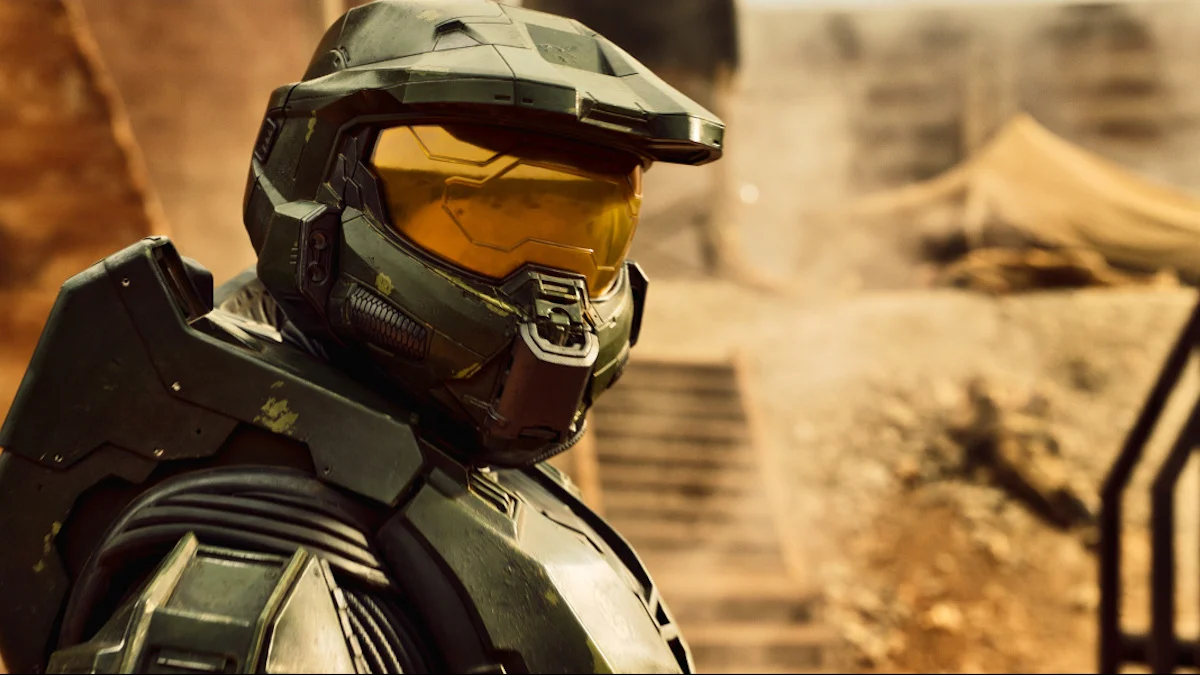
Halo (Credit: HULU)
Season 2 improved, hitting game-accurate beats like the Fall of Reach, but damage lingered. “It feels outdated next to Fallout’s success,” one Forbes piece noted, pinning weak writing and odd casting on the flop.
Social media amplified the hate. Twitter threads dissected every deviation, from Cortana’s redesign to Makee, the human Forerunner. No cohesive fanbase emerged, starving secondary revenue like comics or apparel. Paramount bet big on nostalgia but alienated core players who wanted faithful adaptation over soap opera vibes.
What’s Left for the Franchise?
Cancellation hit like a plasma grenade. Producers Amblin and 343 hoped to pitch elsewhere, but logistics killed momentum: actors aged out of roles, and budgets scared off rivals. Radio Times confirmed no Season 3 pickup by early 2026, with Microsoft refocusing on games amid Xbox struggles.
Yet Halo endures elsewhere. Infinite’s battle pass churns, and rumors swirl of a Paramount+ reboot under fresh leadership post-merger. Fans cling to highlights like Natascha McElhone’s dual-role gravitas and Season 2’s action spikes. ScreenRant argued the real lesson: game adaptations thrive on loyalty, not reinvention.
The saga spotlights streaming wars’ ruthlessness. Halo aimed high, crashed hard, but its Spartan spirit fuels calls for a do-over. Gamers keep hoping Chief’s war rages on, helmets intact, one day.
