Alan Tudyk’s voice gave life to Harry, an extraterrestrial sent to wipe out Earth but sidetracked by a human doctor’s body and a quirky Colorado town called Patience.
Premiering on Syfy in 2021 from Dark Horse Comics, the show mixed fish-out-of-water laughs with conspiracy thrills as Harry juggled his mission, ice fishing obsessions, and nosy locals. Early buzz hit big, with Tudyk earning Saturn Awards and critics praising the 92% Rotten Tomatoes score for its deadpan charm.
Seasons one through three built a cult following, especially after Netflix dropped in 2024 and sparked rewatches. Showrunner Chris Sheridan crafted Harry’s growth from cold killer to town softie, complete with killer spaghetti and alien-tech antics.
Yet by season four, simulcast on Syfy and USA in 2025, the magic faced real-world gravity. The August 8 finale capped it off, tying up Harry’s fate amid Patience’s chaos.
Network Juggles Fail to Save It
Cable TV’s shrinking pie spelled trouble. Resident Alien dodged the axe after season three via a slashed budget and platform hop from Syfy to USA, aiming for wider eyes. Simulcasts hoped to mimic hits like Suits, but live numbers stayed modest against streaming giants and cord-cutting waves.
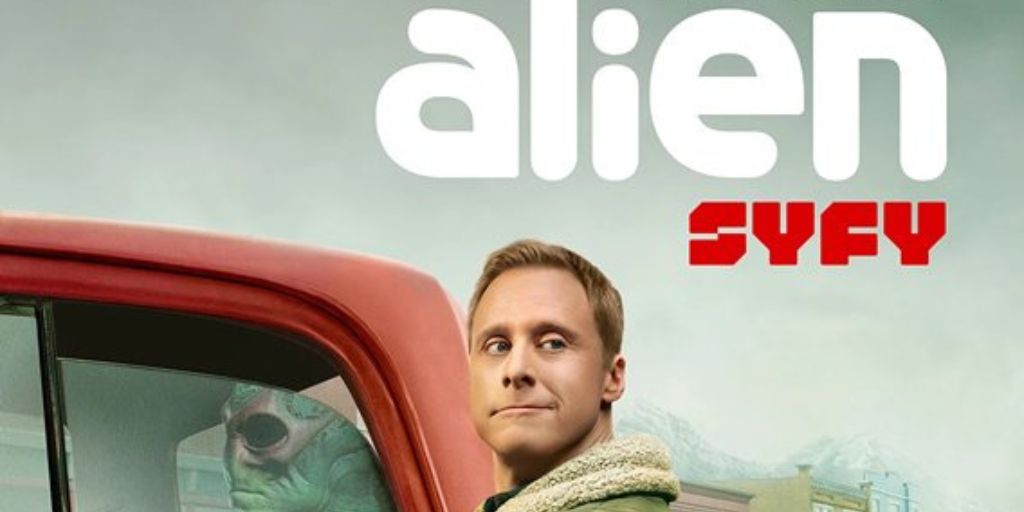
Resident Alien (Credit: Syfy)
Peacock streams saw little pickup despite the prior lift from Netflix. Sheridan saw the end coming, scripting season four as a full-circle payoff with Harry’s arc landing satisfyingly. Production wrapped, knowing no season five loomed, letting writers close loops on alien invasions and human bonds without loose ends.
Tudyk later vented on Threads about industry “disarray,” blaming evolving media models that gutted traditional cable viability. No big scandals or flops tanked it; just cold math in a Peacock-dominated NBCUniversal family.
Fans Mourn, Stars Tease Comebacks
Comic-Con 2025 panels turned bittersweet. Cast hit San Diego, spilling on the end, with Tudyk hinting at movie or spinoff dreams while lamenting TV chaos. Sara Tomko and others pushed “You guys deserve more,” fueling fan petitions and Reddit threads begging Netflix or Prime to grab rights.
Social buzz exploded post-finale, praising the wrap-up episode as peak Harry but raging at networks for killing a gem. Tudyk clarified in fan chats that it ended under Universal’s banner due to business model mismatches for both older and younger viewers.
Sheridan beamed over the strong finish, his favorite script yet. Critics noted the show’s staying power: three Critics’ Choice nods, Peabody recognition, and Tudyk’s Emmy reel submission. Streaming keeps seasons alive, drawing new converts who binge-watch Harry’s deadpan one-liners.
Patience might rest easy with Harry sorted, but fans feel the void of no more alien malapropisms or diner pie fights. Tudyk’s charm begs for another orbit, maybe movies or a fresh streamer pit stop once the dust settles.
Cable’s decline hit this oddball hard, but its heartfelt weirdness endures on demand. Fire up Syfy or Netflix drops and root for that spinoff spark. Quirky tales like this rarely stay grounded forever.
Lovecraft Country hit HBO in 2020 like a freight train of scares and social punches. Jurnee Smollett and Jonathan Majors led a cast racing through 1950s America, dodging racist sheriffs and Lovecraftian beasts straight from cosmic horror tales.
The premiere snagged close to 10 million views across platforms, a huge win for prestige TV.
Numbers slid after that high, though. Later episodes pulled under half the opener’s crowd, even as the finale spiked to 1.5 million live viewers.
Production ate up $7-10 million per hour with all the practical effects, period costumes, and sprawling sets, pushing the full season past $150 million. HBO execs pointed to this mismatch, plus the story wrapping the source novel tight with no obvious sequel hook.
Casey Bloys, HBO’s programming boss, framed it as a one-season gem, not a flop. Critics loved the early vibe for mixing Tulsa race riots with tentacle monsters, but scores dipped to 68% on Rotten Tomatoes by the end over plot stumbles. Fans flooded social media begging for more, yet the network held firm by summer 2021.
Toxic Set Vibes Reportedly Seal Fate
Insider accounts painted a darker picture off-screen. An HBO oral history book by James Andrew Miller spotlighted showrunner Misha Green’s style as fostering hostility, with writers dodging a season two return. Crew whispers described clashing egos and burnout that killed team spirit.
Green had big plans ready: Lovecraft Country: Supremacy would jump forward to kids like Diana Freeman battling zombies in a fractured U.S., split between Black strongholds and white enclaves.

Lovecraft Country (Credit: JioHotstar)
She shared concept art of that wild map online, but HBO passed. Cast shakeups factored in, too, with Majors and others eyeing Marvel after their characters bit the dust.
Green shaded HBO on Twitter post-news, nodding to past fan fights like Confederate’s drop. No one from the network confirmed toxicity, but paired with rising costs, it stacked the deck. HBO’s statement kept it classy, thanking the team without spilling tea.
Fans Mourn a Lost Horror Powerhouse
The show stood out for centering Black folks in a genre space, flipping Lovecraft’s racist roots into a mirror for real oppression. Leti’s haunted house battles and Atticus’ time-loop hell hooked viewers on raw emotion amid the gore. Sundown town nods grounded the fantasy in ugly history.
Cut to 2026, and Reddit lights up with debates tying it to the majors’ legal woes or network penny-pinching. No revival buzz stirs, even as Green’s career rolls on elsewhere. Supremacy’s zombie twist lives in fan art and what-ifs, a road not taken.
HBO bet big on bold TV and cashed in on buzz, but math won out. Lovecraft Country endures as that rare series packing a lifetime of chills into ten episodes, leaving us hungry for what slipped away.
