The much-anticipated anime adaptation of Witch Hat Atelier has officially been delayed to 2026, sparking a mix of emotions among fans. The announcement explained that the production team wants to ensure the series reaches the “highest possible quality” before release.
While many fans are relieved to hear that the studio is prioritizing quality, others are frustrated by yet another delay in seeing the beloved manga come to life on screen. This balance between excitement and disappointment has made the news one of the most talked-about topics in anime communities.
Witch Hat Atelier, written and illustrated by Kamome Shirahama, is a fantasy manga praised for its beautiful artwork and enchanting story. It follows the journey of Coco, a young girl who dreams of becoming a witch after discovering that anyone can perform magic if they know the right spells.
The manga has earned international acclaim for its detailed world-building and magical illustrations that resemble storybook art. Because of its stunning visuals, the anime adaptation has been highly anticipated, with many fans wondering how animation studios would capture Shirahama’s delicate and intricate art style.

Witch Hat Atelier Franchise (Credits: Kamome Shirahama)
Witch Hat Atelier Anime Delayed to 2026 for “Highest Possible Quality”
The delay, according to the production team, comes from a desire to maintain the manga’s unique charm and deliver a series that does justice to the source material. In their statement, they emphasized that they want Witch Hat Atelier to stand out not only as a faithful adaptation but also as a work that sets new standards for quality in anime.
The studio reassured fans that the extra time would allow animators, directors, and staff to polish the project carefully. For many, this explanation provided some comfort, as rushed anime productions in the past have often suffered from poor animation quality and disappointing adaptations.
Still, not everyone is happy with the decision. Some fans pointed out that they have already been waiting for years since the anime was first announced. With each new delay, the excitement can turn into frustration, and some worry that by the time it is released, the initial hype may have cooled.
Others compared the situation to other anime that were delayed for quality reasons, with mixed results. While some delays led to spectacular final products, others ended up being only slightly improved despite the long wait. This uncertainty adds to fan anxiety, as no one wants to see such a beloved manga mishandled.
On the other hand, many fans are strongly supportive of the delay. They argue that Witch Hat Atelier is too special to be rushed and that taking extra time is the only way to make sure the adaptation meets expectations. These fans often point to the manga’s breathtaking artwork, which would be extremely challenging to animate properly under tight deadlines. By waiting longer, they believe the studio will be able to craft something closer to a visual masterpiece, preserving the magic that made the original story so beloved.
Fans Split Between Relief and Frustration Over Witch Hat Atelier Delay
The reaction online has been divided but passionate. Social media platforms filled with debates almost immediately after the announcement, with some posts expressing relief and others voicing disappointment.
Memes and jokes about “waiting until 2026” circulated widely, showing that even frustrated fans are trying to handle the news with humor. For many, it is a reminder of the growing trend in the anime industry where studios take extra time to avoid disappointing results.
The case of Witch Hat Atelier reflects a larger conversation in the anime world about quality versus speed. As demand for adaptations of popular manga increases, production teams face pressure to deliver quickly.

Witch Hat Atelier Franchise (Credits: Kamome Shirahama)
However, audiences have also become more critical, with bad animation or rushed storytelling often leading to heavy backlash. Striking the right balance has become increasingly difficult, but in this case, the studio appears to be betting everything on quality over quick release.
For now, fans can only continue to wait patiently and trust the production team’s vision. Witch Hat Atelier remains one of the most anticipated fantasy anime, and the extra time could potentially help it live up to the expectations built by Kamome Shirahama’s masterpiece.
Whether the decision proves to be the right one will only be clear in 2026, when the anime finally premieres. Until then, fans are left with their hopes, doubts, and excitement for what could be one of the most visually stunning anime adaptations of the decade.
One Piece, one of the longest-running and most beloved anime series in the world, has found itself at the center of a storm among its own fans. After taking a much-anticipated six-month break, the series finally returned, but instead of continuing the main storyline, it released a special episode that many fans consider filler. This move has sparked widespread frustration, with viewers voicing their disappointment across social media and fan communities.
The long break had built up enormous expectations. Fans had been eagerly waiting for the story to move forward, especially since the series is entering some of its most important arcs. With the manga progressing steadily and revealing crucial details about the final saga, anime viewers expected the return to deliver meaningful developments. Instead, they were met with an episode that did little to advance the main plot, leaving many feeling let down.
For a series like One Piece, pacing has always been a delicate issue. The anime has run alongside the manga for decades, which often forces the studio to insert filler content to avoid catching up too quickly to the source material. In the past, some filler arcs have been well-received, adding lighthearted moments or character exploration that balanced the heavier main story. However, with the series now so close to its grand conclusion, fans believe filler should be minimized to keep the momentum strong.
The frustration this time is tied not only to the filler itself but also to the timing. After half a year of waiting, viewers expected to dive straight back into the central story. Instead, they were given what many describe as a stall tactic. The disappointment is amplified by the fact that the anime has been hyped as moving toward the climax of Luffy’s journey. Every delay feels like it slows the buildup to the long-promised end.

One Piece Franchise (Credits: Eichiro Oda)
One Piece Fans Angered as Six-Month Break Ends With Filler Episode
Online reactions to the special episode have been heated. On forums and social media, fans expressed that their patience was being tested. Many felt that the studio missed an opportunity to reward viewers’ loyalty after such a long pause.
Some have argued that the episode was unnecessary, while others suggested it could have been released separately rather than taking the place of the long-awaited continuation. The phrase “six months for filler” has become a common complaint.
Still, not all reactions were negative. A portion of the fanbase defended the special, pointing out that filler episodes sometimes provide breathing space for the manga and help animators maintain quality.
Some also appreciated the effort to add unique content that may not exist in the original material. But even among these supporters, there was acknowledgment that the timing felt poorly chosen, as the return from such a long break created higher expectations than usual.
From the studio’s perspective, filler can be seen as a necessary evil. Toei Animation, which has produced One Piece for decades, must carefully balance the anime’s schedule with the manga’s progress. If the anime advances too quickly, it risks catching up to Eiichiro Oda’s ongoing manga, which would cause even longer breaks or production issues. Filler episodes act as a buffer, buying time for the source material to stay ahead. However, the challenge lies in keeping fans invested without making them feel that the story is being dragged out unnecessarily.
Viewers Call Out Toei for Stalling Instead of Advancing the Main Storyline
This latest incident raises questions about how the anime will handle the final saga. The One Piece manga is already deep into its concluding chapters, revealing long-awaited mysteries and building toward the ultimate showdown.
Fans want the anime to follow that momentum closely, with fewer interruptions. If filler episodes or pacing decisions continue to frustrate viewers, it could risk dampening the excitement around one of the most historic moments in anime history.
For now, the special episode has left a sour taste for many, but it is unlikely to dent the massive popularity of One Piece in the long run. The series has weathered pacing controversies before and remains a cultural powerhouse.

One Piece Franchise (Credits: Eichiro Oda)
Yet, this situation serves as a reminder that audience expectations grow sharper as a story approaches its finale. Fans are no longer content with delays or detours; they want the narrative to move forward and deliver on decades of buildup.
As One Piece continues its voyage toward the end, the creators face the difficult task of managing time, pacing, and fan expectations. The six-month break followed by filler content has made that challenge even clearer.
Whether the studio will adjust its approach in response remains to be seen, but one thing is certain: the passion of One Piece fans will not fade, and their voices will continue to shape the conversation as the series heads into its final chapters.
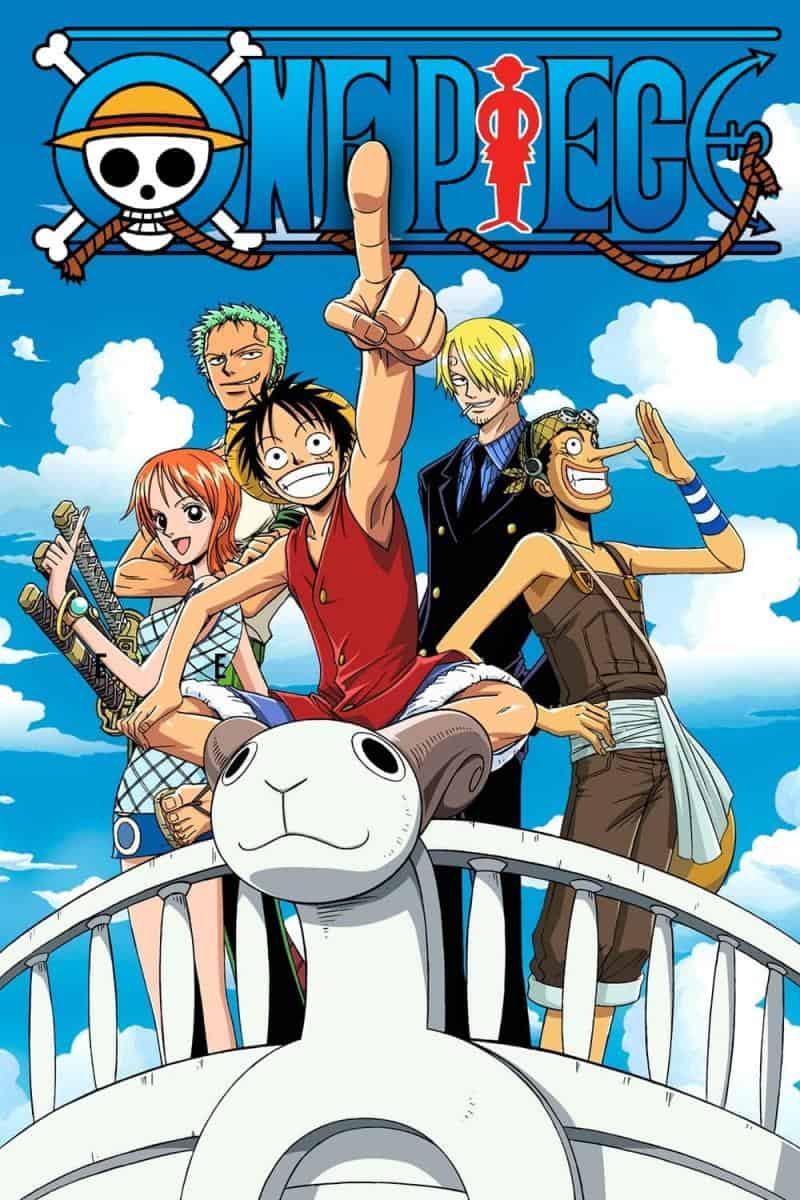
“One Piece” is a beloved Japanese manga and anime series that chronicles the adventures of Monkey D. Luffy and his pirate crew. Luffy, imbued with rubber powers from a mystical fruit Hito Hito no Mi, aspires to become the Pirate King. To achieve this, he seeks the ultimate treasure, the “One Piece,” hidden at the Grand Line’s end. Along the journey, Luffy gathers a diverse crew, confronts formidable foes, and uncovers world-altering secrets, all while promoting themes of friendship, freedom, and adventure.
