Tatsuki Fujimoto’s Chainsaw Man has attracted the readers with its dark, inventive storytelling and complex characters.
In recent developments, particularly in Chapter 176, one character has taken center stage: the War Devil, Yoru.
This chapter has introduced a profound revelation about Yoru’s self-perception and her intricate relationship with Asa Mitaka.
As Yoru grapples with her role and identity, her actions and interactions offer deeper insights into her character, especially her view of herself as a mother.
This article goes into these revelations, exploring how Yoru’s maternal instincts influence her behavior and her evolving relationship with Asa.
Yoru’s Achievement: Echoing Makima’s Feats
In Chapter 176 of Chainsaw Man , Yoru achieves a remarkable feat that parallels the accomplishments of only one other character: the Control Devil, Makima.
Utilizing the Angel Devil’s unique ability, Yoru summons the Tank and Gun Devils and transforms them into the Right Gun Gauntlet and Left Tank Gauntlet.
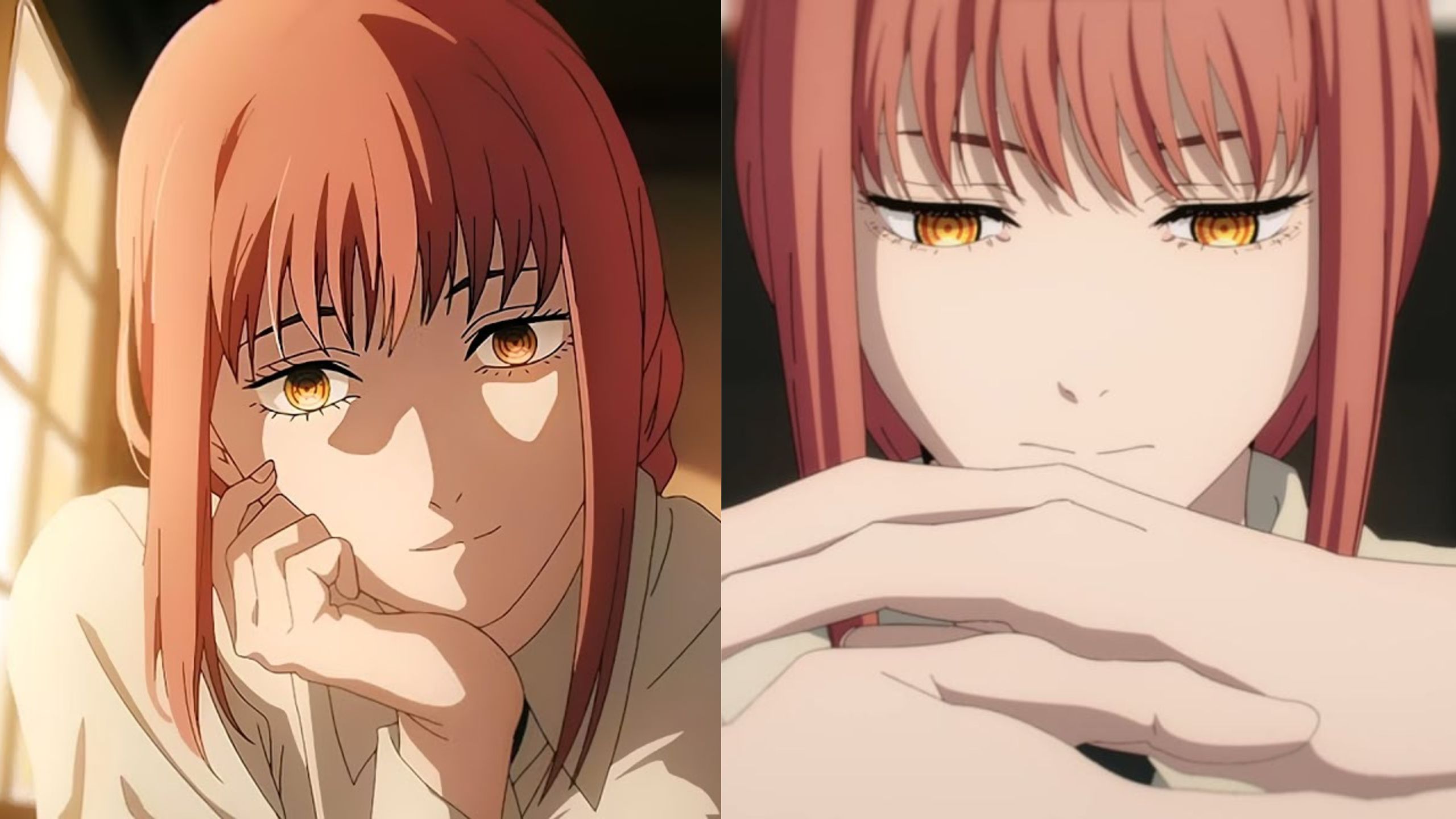
Makima From Chainsaw Man Anime (Via MAPPA)
This transformation proves to be a game-changer, enabling Yoru to inflict severe damage on Pochita’s Hero of Hell form and even liberate the Mouth Devil from within him.
The significance of this accomplishment goes beyond the mere display of power.
Yoru’s ability to wield such destructive force is closely tied to her emotional state, particularly the guilt she harbors over the sacrifices she has made.
In this chapter, Yoru’s admission that she views herself as a mother to the Tank and Gun Devils adds a layer of emotional depth to her actions.
This self-perception influences her actions and interactions, providing a richer understanding of her character and motivations.
Yoru’s Authoritative Approach: A Maternal Perspective
From the beginning of Part 2, known as the Academy Saga, Yoru’s interactions with Asa are characterized by a notable sense of parental authority.
This dynamic is evident from their first significant conversation, where Yoru essentially coerces Asa into attending school and following her orders under the threat of death.
While this authoritative approach may initially seem harsh, it also hints at a deeper, more complex relationship between Yoru and Asa.
Yoru’s behavior towards Asa can be seen as a reflection of a mother’s guidance, albeit delivered with a degree of severity and insistence.
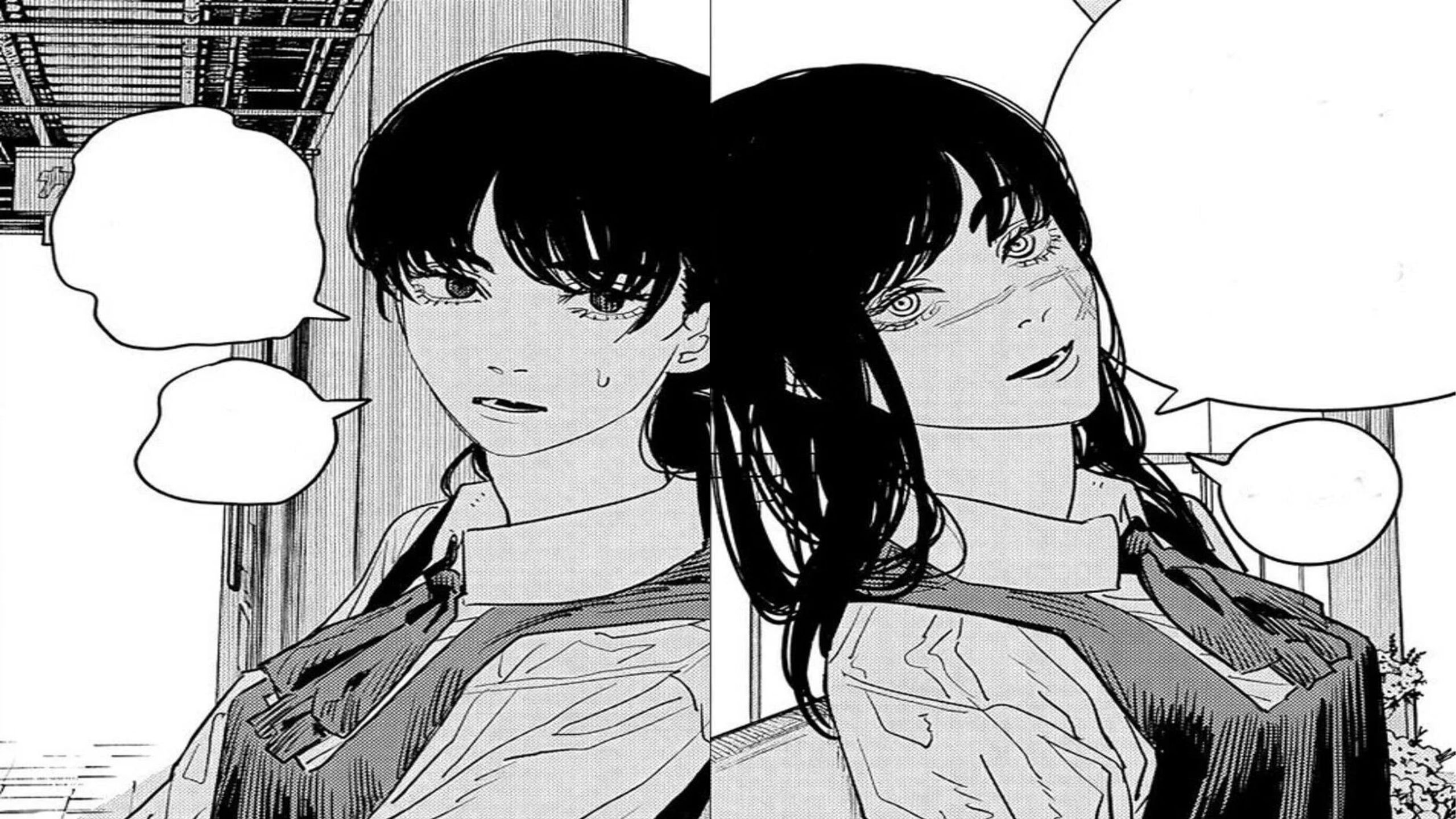
Yoru And Asa From Chainsaw Man Manga (Shueisha)
She frequently assigns tasks and imposes her will on Asa, regardless of Asa’s protests or reluctance.
This authoritative manner underscores Yoru’s struggle to balance her commanding instincts with genuine concern for Asa’s well-being.
Yoru’s attempts to guide Asa often result in missteps, as she struggles to understand Asa’s emotions and needs accurately.
The Transition: From Authority to Genuine Friendship
As the series progresses, the relationship between Yoru and Asa evolves from a strictly authoritative dynamic to one that resembles genuine friendship.
This transformation mirrors how a mother and child might develop a deeper bond over time, moving from a relationship characterized by control and instruction to one marked by mutual respect and understanding.
Although Yoru’s role in Asa’s life is far from that of a traditional mother, her maternal instincts significantly shape their interactions.
Fujimoto’s portrayal of Yoru subtly reinforces her mother-like qualities, illustrating how her self-perception as a mother impacts her behavior and relationship with Asa.
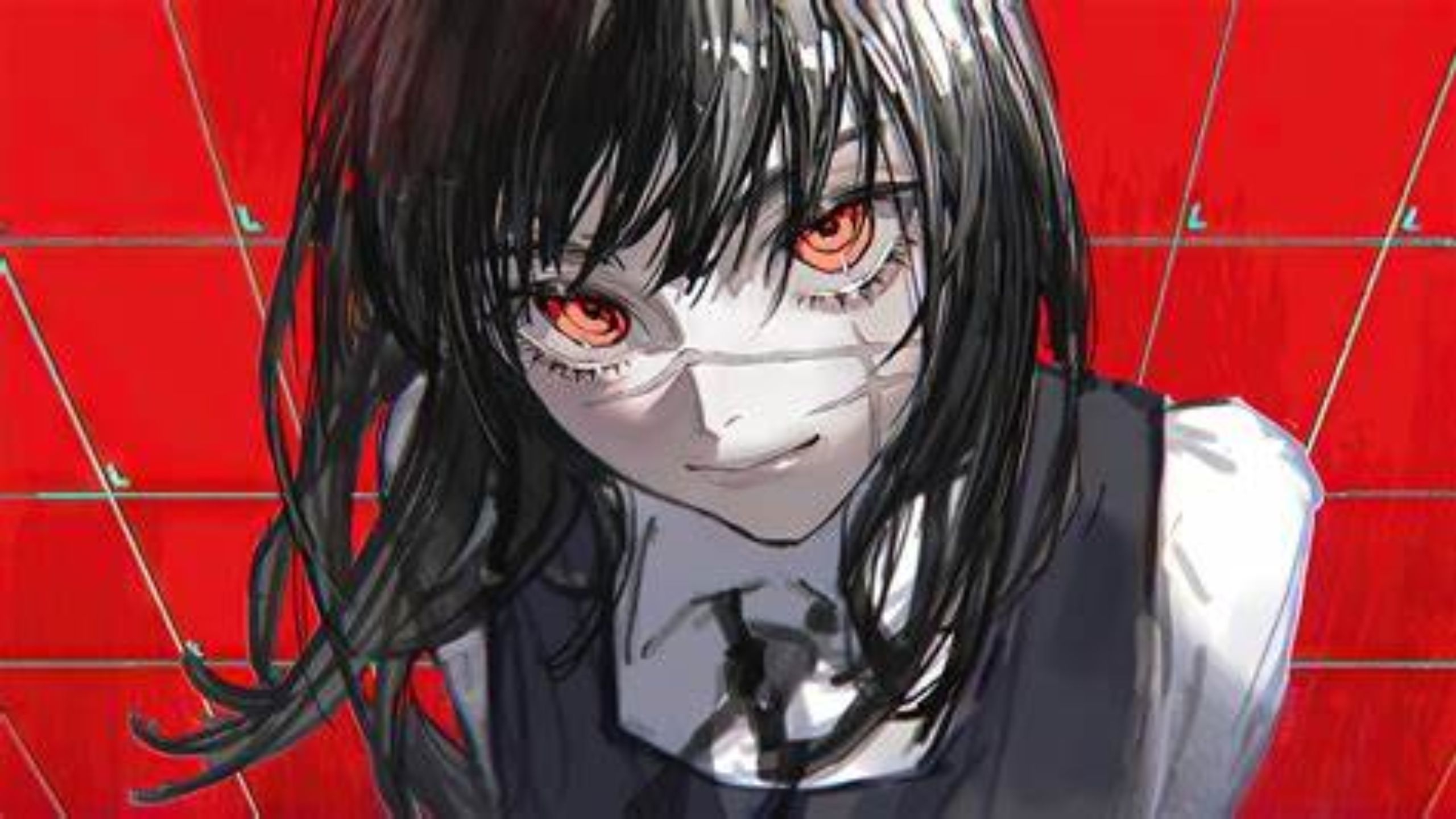
Yoru From Chainsaw Man (MAPPA)
A notable example of this evolving relationship is seen when Yoru and Asa prepare for their date with Denji.
As they argue over their outfits, the scene evokes the familiar dynamic of a parent helping a child to find a social event.
Yoru’s concern for Asa’s appearance and her ability to impress Denji, while different in purpose from a mother’s hopes for her child’s romantic success, shares similar emotional undertones.
This moment highlights the complexity of Yoru’s feelings and how her maternal instincts influence her interactions with Asa.
Date Preparation: Maternal Subtext
The scene where Yoru and Asa prepare for their date with Denji is particularly revealing.
Their interaction, characterized by bickering over outfits, reflects the familiar dynamic of a parent guiding a child through a social experience.
Yoru’s investment in Asa’s ability to charm Denji, although different in purpose from a mother’s traditional hopes for her child’s romantic success, echoes similar emotional undertones.
This moment underscores Yoru’s maternal instincts and how they shape her interactions with Asa.
the chapter revealing that yoru is a mother figure actually makes the hand chapter so so so so much worse. makima parallels pic.twitter.com/71lObMgmYR — jay is messmerized (@voxsouls) September 3, 2024
The seemingly trivial argument over outfits belies a deeper care and concern that Yoru has for Asa, reflecting the way a mother might guide her child through important social experiences.
This scene provides a clear illustration of how Yoru’s role as a mother-like figure influences her behavior and relationship with Asa.
Guilt of Sacrifice: Yoru’s Emotional Burden
Yoru’s profound sense of guilt over the sacrifice of the Tank and Gun Devils further emphasizes her self-perception as a mother.
In Chapter 176, the immense damage inflicted on Pochita, coupled with the liberation of the Mouth Devil, illustrates the formidable power of Yoru’s weapons.
This power is intricately linked to her emotional state, particularly the guilt she experiences about the sacrifices she has made.
The severity of Pochita’s injuries in his true Hero of Hell form, only the second time such damage has occurred, underscores the potency of these weapons and the weight of Yoru’s emotional burden.
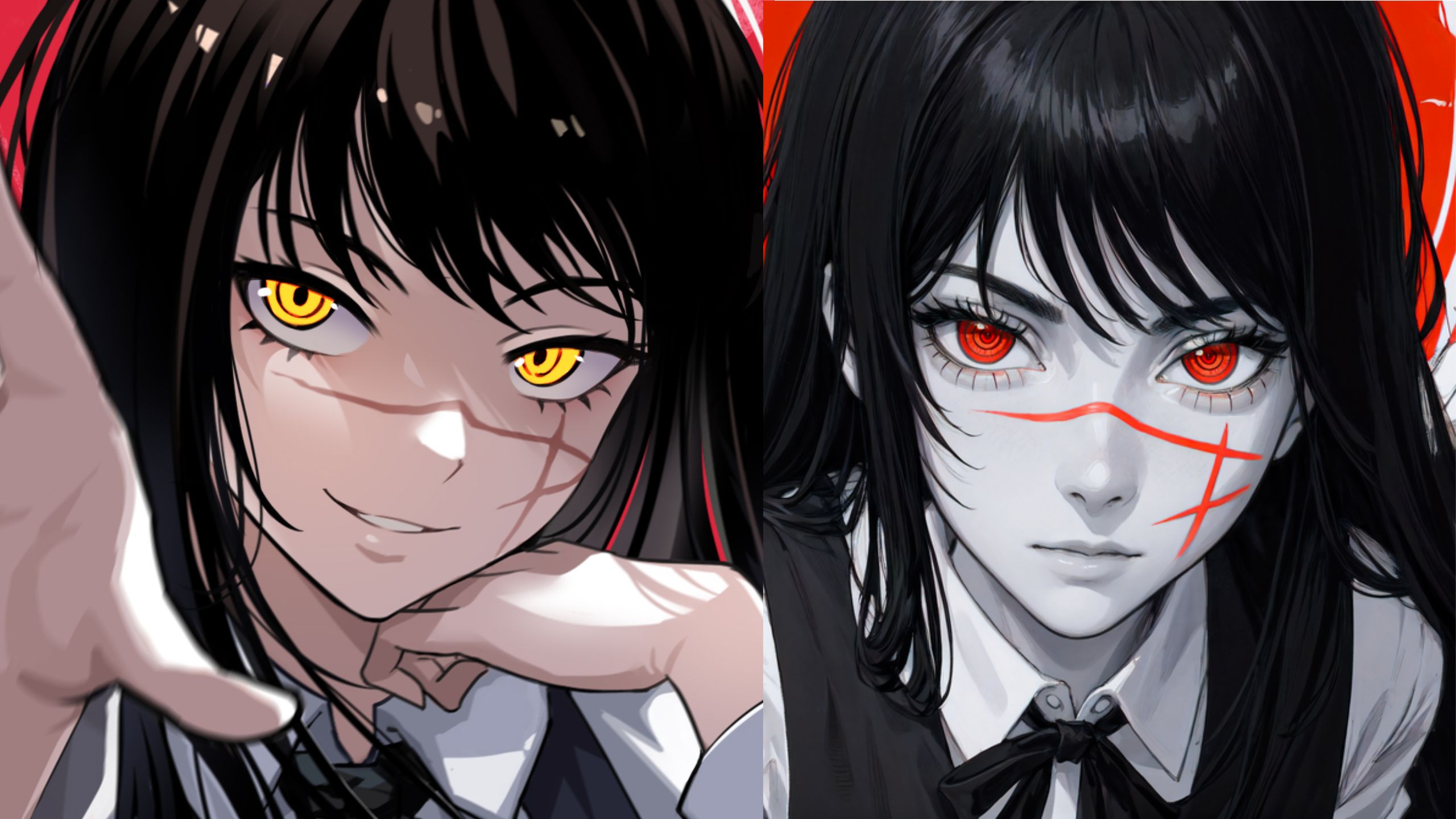
Yoru From Chainsaw Man (MAPPA)
Her guilt is not merely an emotional reaction but a fundamental aspect of her character, shaping her actions and interactions throughout the series.
This emotional burden adds depth to Yoru’s character, highlighting the complexity of her motivations and behaviors.
Maternal Instincts and Character Complexity
Yoru’s self-view as a mother adds significant complexity to her character, influencing her actions and relationships with other characters.
Her maternal instincts are not a superficial trait but a defining element of her personality, shaping her behavior and interactions throughout the narrative.
This self-perception as a mother enhances Yoru’s character depth, providing a richer understanding of her motivations and actions.
The ongoing exploration of Yoru’s character promises to reveal even more intriguing developments.
Her role as a mother-like figure and her evolving relationship with Asa add layers of complexity to the story, making Yoru one of Chainsaw Man’s most compelling characters.
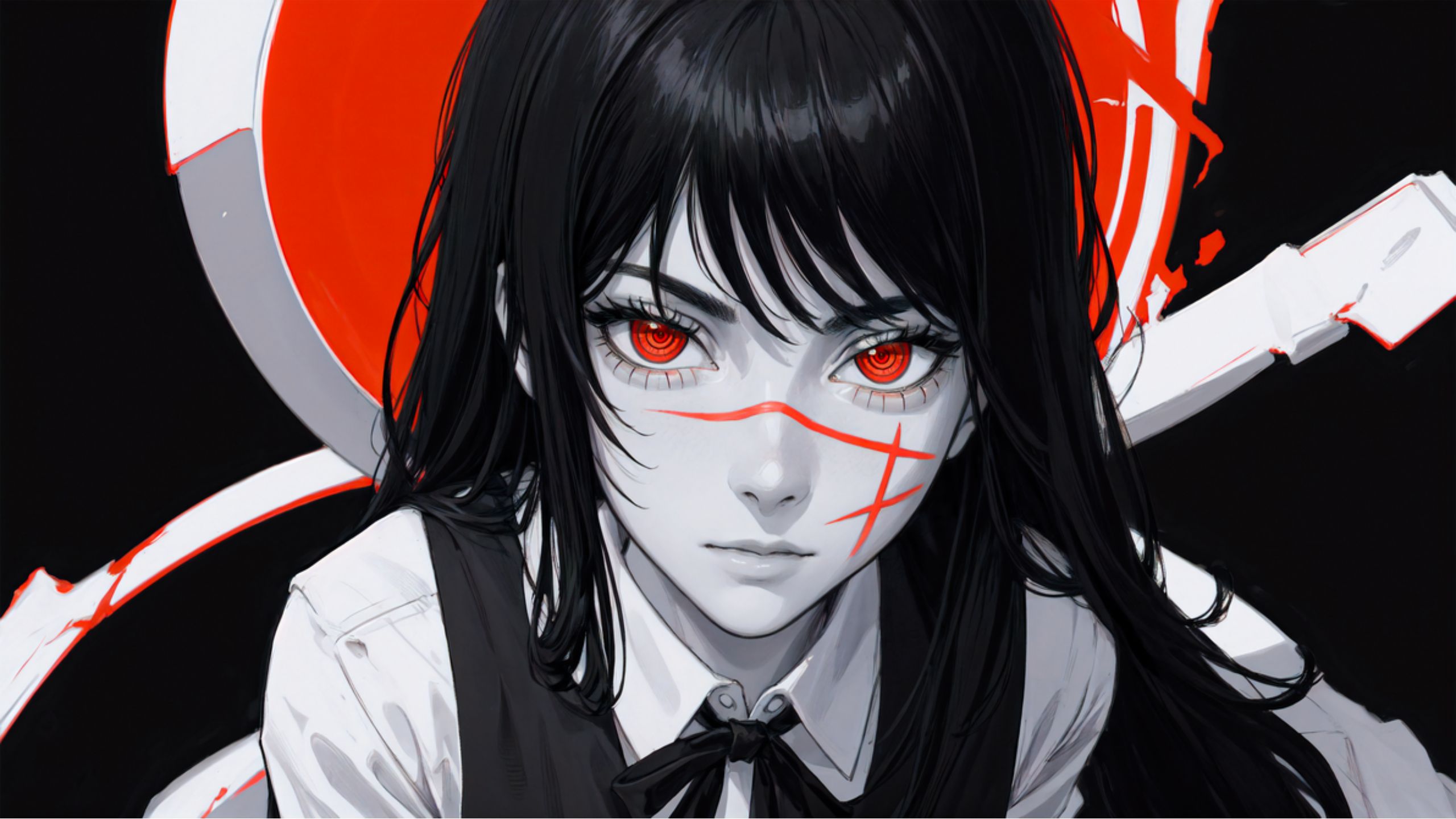
Yoru From Chainsaw Man (Shueisha)
Fujimoto’s storytelling effectively integrates Yoru’s maternal qualities into the broader context of the series, enriching the final narrative and contributing to the series’ depth and appeal.
Impact of Yoru’s Maternal Instincts on the Narrative
Yoru’s role as a mother-like figure and her evolving relationship with Asa significantly impact the narrative of Chainsaw Man.
Her maternal instincts influence not only her interactions with Asa but also her broader role within the story.
The emotional depth and complexity of Yoru’s character enrich the final narrative, making her one of the most compelling figures in Part 2.
It explains why she behaved like a mother #csm176 pic.twitter.com/Gih0gSXYgO — dannyさん (@danny_saaan) September 3, 2024
Fujimoto’s storytelling weaves Yoru’s maternal qualities into the larger context of the series, highlighting how her self-perception as a mother shapes her actions and relationships.
This integration of Yoru’s character into the broader narrative adds layers of depth and complexity to the story, making it one of the most engaging aspects of Chainsaw Man.
Yoru’s Role in Chainsaw Man Part 2
The exploration of Yoru’s character in Chapter 176 of Chainsaw Man provides valuable insights into her self-perception as a mother and her evolving relationship with Asa Mitaka.
Tatsuki Fujimoto’s masterful storytelling ensures that Yoru remains a central and multifaceted figure, whose maternal instincts and emotional complexity continue to attract the readers.
As the series progresses, Yoru’s character promises to offer even more intriguing developments.
Her role as a mother-like figure and her dynamic with Asa add significant layers to the narrative, solidifying her place as one of Chainsaw Man’s most well-crafted and compelling characters.
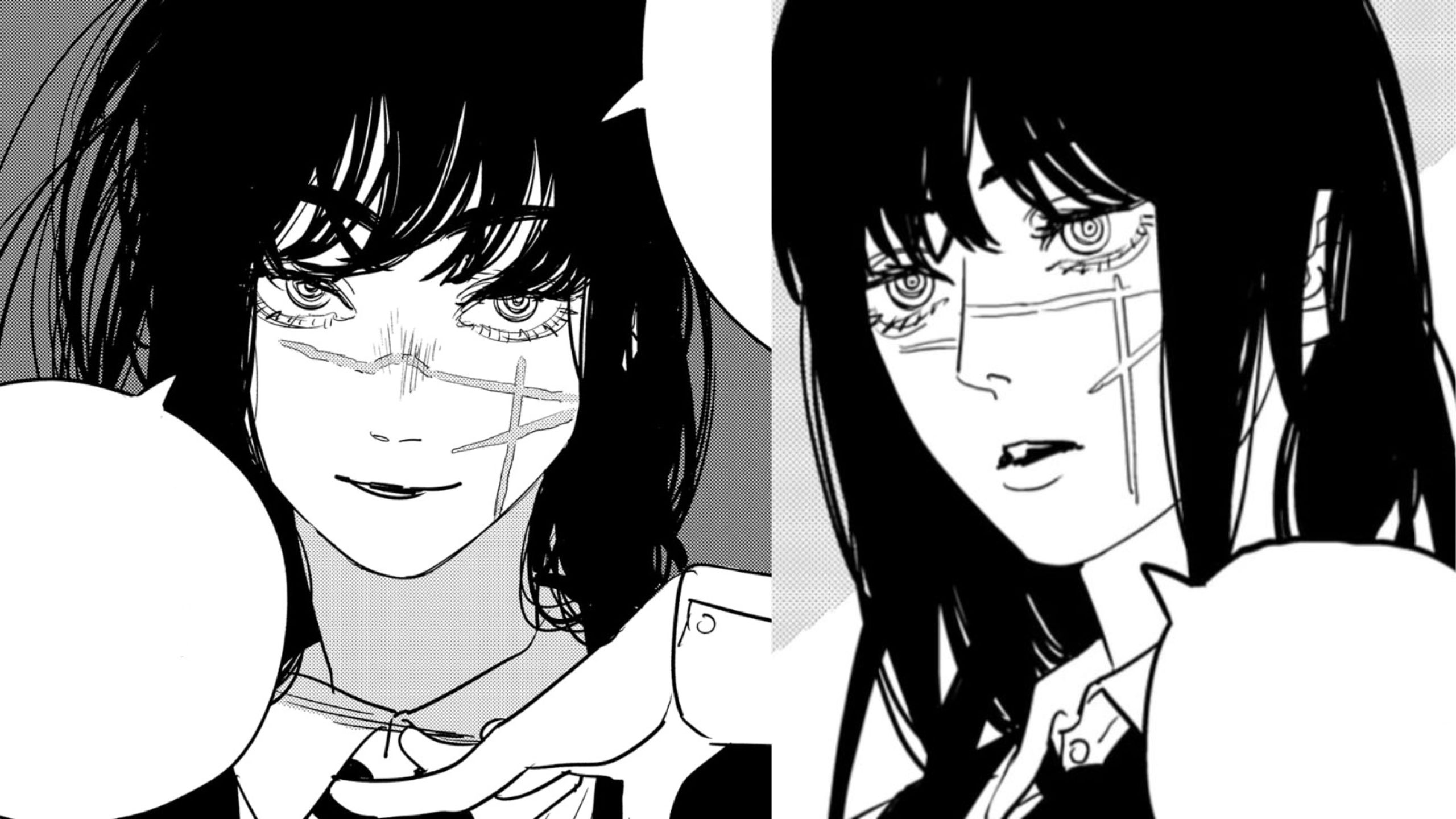
Yoru From Chainsaw Man Manga (Shueisha)
The ongoing exploration of Yoru’s character will undoubtedly contribute to the richness of the story, making it one of the most engaging aspects of Chainsaw Man Part 2.
Chapter 176 reveals crucial aspects of Yoru’s character, particularly her self-view as a mother and how it influences her relationship with Asa.
The depth and complexity of Yoru’s character, shaped by her maternal instincts and emotional burdens, add significant layers to the narrative, enriching the final experience for readers.
As the story unfolds, the continued exploration of Yoru’s character promises to deliver even more attracting and thought-provoking developments, further solidifying her role in the intricate world of Chainsaw Man.
In the recent ending of the Jujutsu Kaisen manga, the final battle against Ryomen Sukuna saw Yuji Itadori landing the decisive blow on the King of Curses.
This moment was monumental, not only because it brought closure to the epic saga but also because it signaled the incredible growth and transformation of Yuji as a character.
Throughout the series, fans had witnessed Yuji’s development, but the climax of this arc showcased him reaching an unprecedented level of power, one that allowed him to stand toe-to-toe with Sukuna, the most feared entity in the cursed world.
While Yuji’s new techniques and sheer willpower during the battle were enough to illustrate his growth, some fans on Reddit have noticed a subtle, yet significant, change in his character design that hints at something more profound.
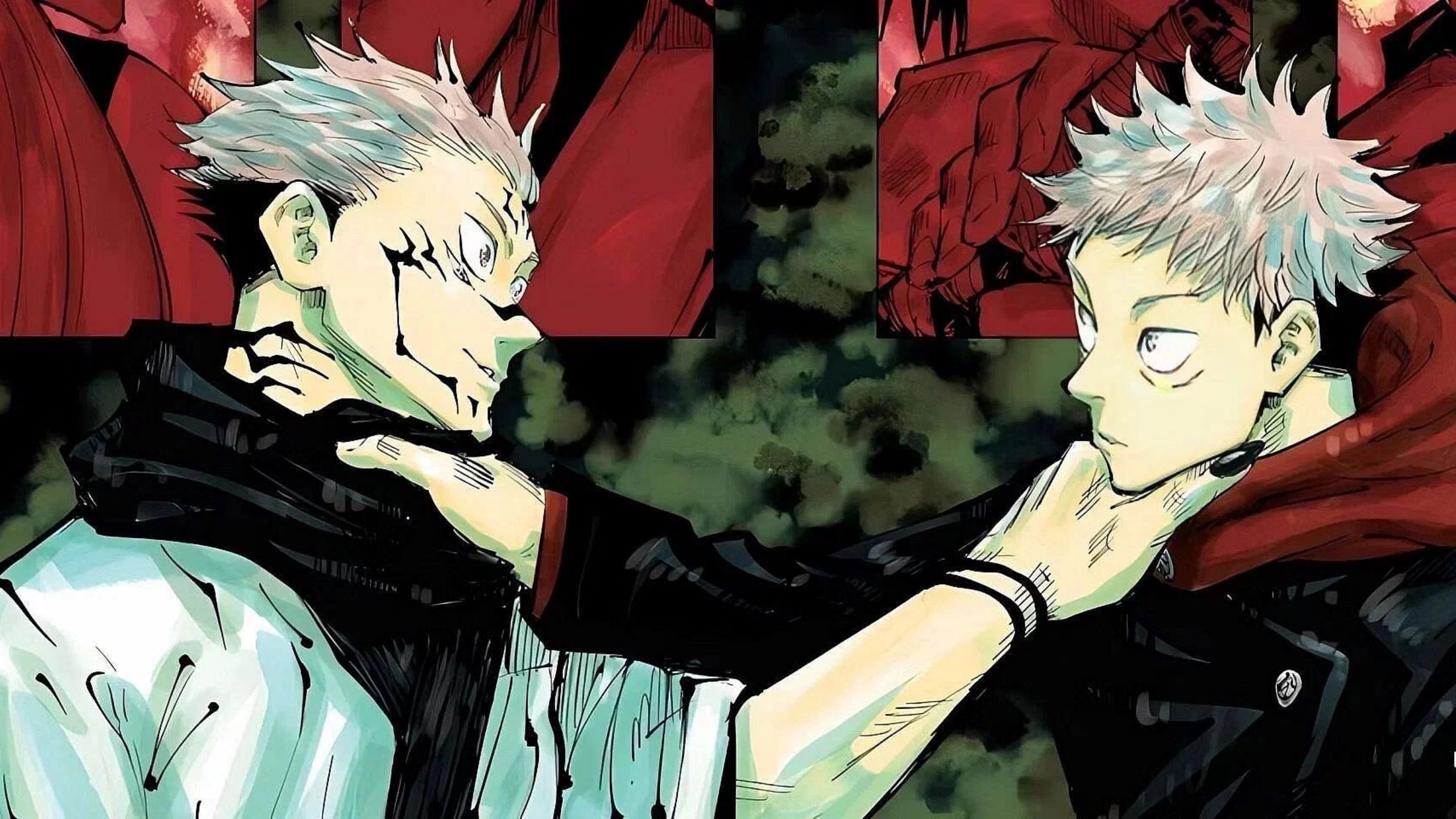
Sukuna and Yuji (Image via Shueisha)
This shift in his design is most evident in his eyes, which have undergone a notable transformation during the final battle.
Whereas Yuji’s eyes traditionally appeared with a yellowish hue, in the climactic scenes, they resemble the eyes of Sukuna now red and marked with multiple circular irises.
This alteration in Yuji’s appearance has stirred up a lot of discussion among fans. Some see it as a mere stylistic choice by the series’ creator, Gege Akutami.
However, others believe that this change in his eyes could represent something far deeper perhaps a symbol of Yuji’s evolution as a sorcerer and his final ascension to a level of strength that rivals Sukuna’s.
The Transformation of Yuji’s Eyes: A Visual Indicator of Growth
Throughout most of the Jujutsu Kaisen manga, Yuji Itadori’s eyes have consistently been depicted with brown tones and slight hints of yellow, particularly when the pages are colored.
This color scheme has been relatively consistent, helping to distinguish Yuji’s more grounded and human nature from the more ominous and threatening appearances of the curses he fights.
In contrast, Ryomen Sukuna’s eyes have always been much more menacing red, with several distinct circular irises.
The design of Sukuna’s eyes effectively conveyed his overwhelming power and malevolent nature.
However, during the intense final battle between Yuji and Sukuna , this clear visual distinction between the two begins to blur.
Yuji’s eyes shift to a reddish hue and adopt a design similar to Sukuna’s, with the same multi-iris pattern.
This is an intriguing detail, as it suggests that Yuji has not only grown in terms of physical strength and combat ability but also in terms of his inherent connection to Sukuna.
yuji’s eyes changing once he decided it was time to lock back in was a beautiful detail #JJK265 pic.twitter.com/izcbfUAW5D — baeli 💫 (@BIGDADDYGOJO) August 5, 2024
Fans have taken to Reddit and other online forums to discuss the possible implications of this design choice.
Some argue that this change in Yuji’s eyes is a stylistic decision by Gege Akutami, perhaps intended to visually enhance the intensity of the final battle.
Others, however, see it as a symbolic representation of Yuji’s growth. By the end of the fight, Yuji has reached a new plateau as a sorcerer one that puts him on equal footing with the King of Curses.
This transformation could be a way of showing that, after everything he’s endured, Yuji has finally become powerful enough to challenge Sukuna directly, not just as a vessel but as a fighter in his own right.
This change in Yuji’s eyes also evokes comparisons to other pivotal moments in the series, such as Satoru Gojo’s battle with Toji Fushiguro.
That fight allowed Gojo to unlock new levels of power and cemented his status as the strongest sorcerer of the modern era.
In a similar vein, Yuji’s battle with Sukuna might be his defining moment, the point at which he transcends the limitations that have held him back and fully realizes his potential as a sorcerer.
A Deeper Connection Between Yuji and Sukuna
While the change in Yuji’s eyes could be seen as a purely stylistic decision or a representation of his growth, there is another layer to consider Yuji’s familial connection to Sukuna.
As revealed in the manga, Yuji’s father, Jin Itadori, is Sukuna’s twin brother. This revelation adds an entirely new dimension to Yuji’s character and the story as a whole.
It means that Yuji is not merely Sukuna’s vessel by chance; there is a deeper, more intrinsic connection between the two that goes beyond their current circumstances.
The transformation of Yuji’s eyes during the final battle could be interpreted as a manifestation of this blood connection.
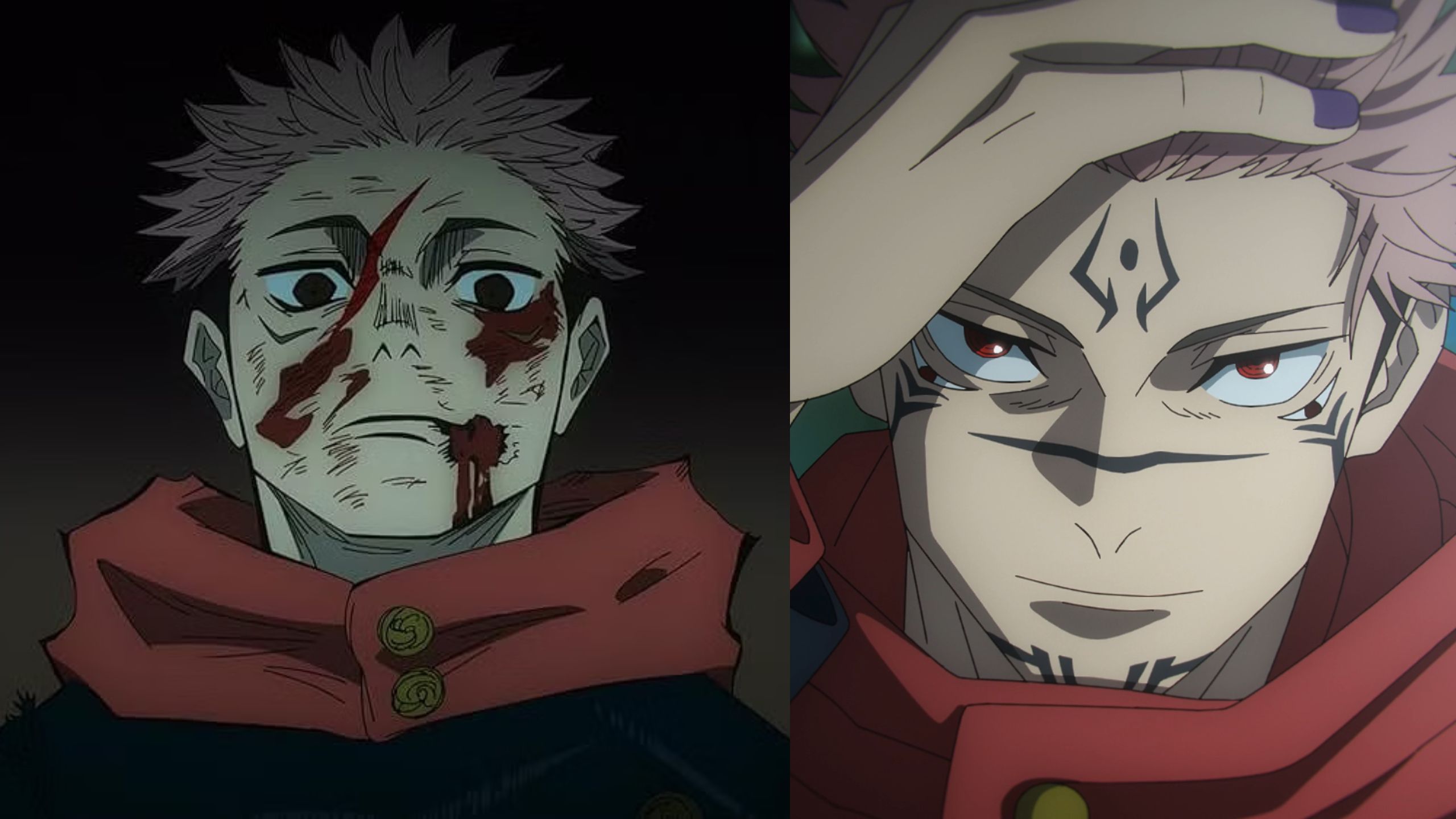
Itadori Yuji And Sukuna (image via MAPPA)
Just as Sukuna’s eyes have always symbolized his immense power and malevolence, Yuji’s eyes changing to resemble Sukuna’s might indicate that he is tapping into the same primal power that runs through their shared bloodline.
This idea aligns with the broader themes of Jujutsu Kaisen, where lineage and inherited power play significant roles in shaping the abilities and fates of the characters.
In this context, Yuji’s eye transformation is not just a visual representation of his growth as a sorcerer but also a reflection of his acceptance of the power that comes with his heritage.
Throughout the series, Yuji has struggled with the burden of being Sukuna’s vessel, often seeing it as a curse rather than a blessing.
However, in this final battle, he seems to embrace the power that comes with his connection to Sukuna, allowing him to fight on equal terms with the King of Curses.
The Role of Yuji Itadori as the Protagonist
Yuji Itadori’s journey in Jujutsu Kaisen has been anything but straightforward. While he is undeniably the protagonist of the series, there have been numerous moments where his role in the story has been overshadowed by other characters.
This is particularly evident in the Culling Games arc, where much of the focus shifts away from Yuji to characters like Megumi Fushiguro and Yuta Okkotsu.
Even during the earlier stages of the conflict with Sukuna, Yuji often takes a backseat to other key players, such as Satoru Gojo and Sukuna himself.
This narrative choice has led to some criticism from fans, who feel that Yuji’s role as the protagonist has not always been fully realized.
In many ways, Yuji’s journey has been more of a slow burn, with his growth and development unfolding gradually over the course of the series.
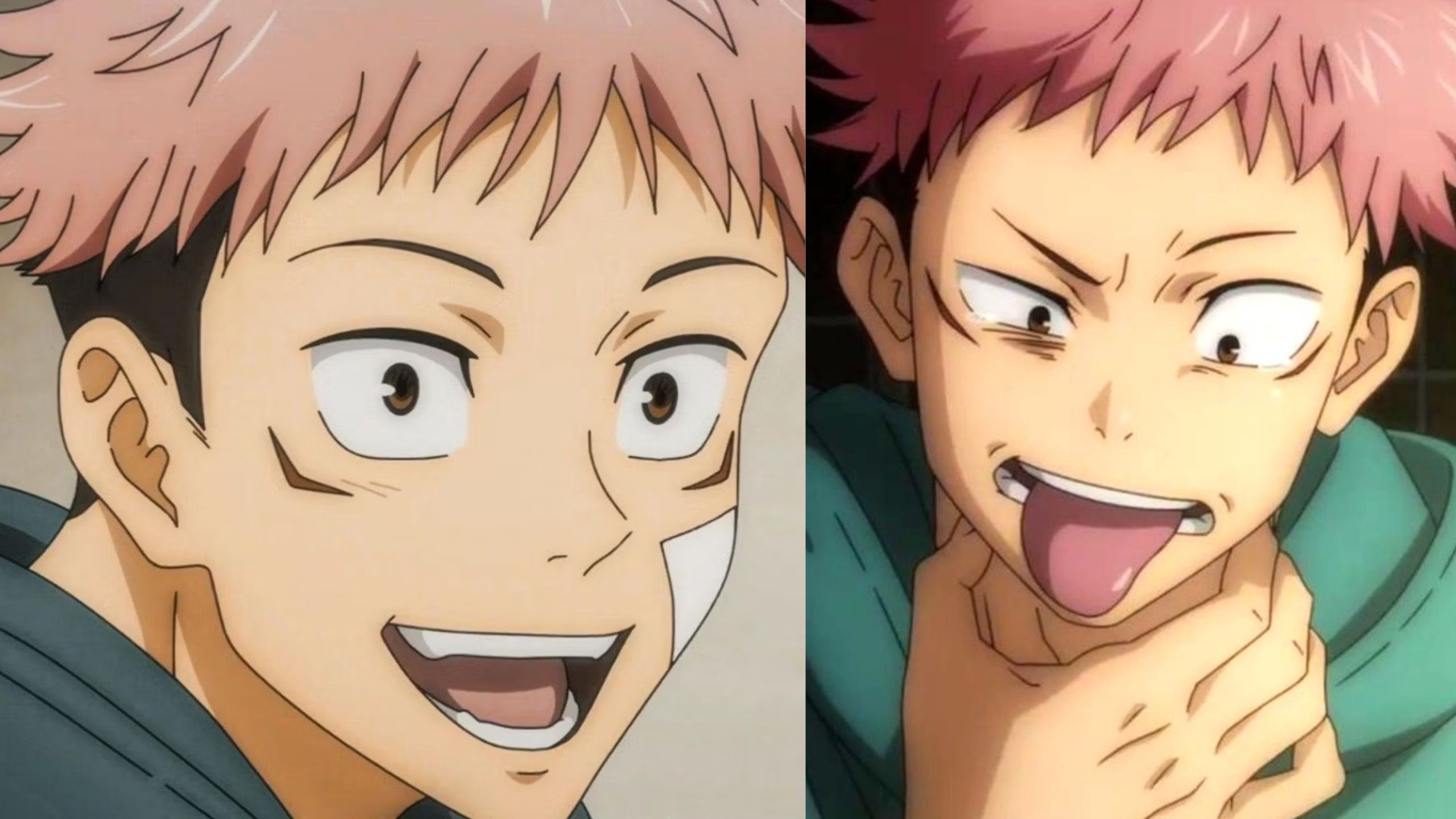
Yuji Iatdori From Jujutsu Kaisen (MAPPA)
This is in stark contrast to characters like Gojo, who are presented as fully realized from the start, or Megumi, whose potential is hinted at early on.
However, despite these criticisms, it is important to recognize that Yuji’s conflict with Sukuna has always been the driving force behind the story.
From the moment Yuji consumed Sukuna’s finger, setting the stage for their complex relationship, the tension between the two has been at the heart of Jujutsu Kaisen.
While other characters may have taken the spotlight at times, Yuji’s journey has always been central to the overarching narrative.
The final battle against Sukuna serves as the culmination of this journey. By defeating Sukuna, Yuji not only resolves the central conflict of the series but also proves his worth as a protagonist.
His growth, both in terms of power and character, is fully realized in this moment. The change in his eyes, whether symbolic or literal, is a testament to how far he has come since the start of the series.
Duality of Yuji and Sukuna
One of the most fascinating aspects of Yuji’s character is the duality he shares with Sukuna.
From the beginning of the series, Yuji has been portrayed as a kind-hearted and selfless individual, someone who cares deeply about the people around him and is willing to sacrifice himself for the greater good.
In contrast, Sukuna is the embodiment of malevolence, a curse who cares for nothing but his own power and desires.
This stark contrast between the two has been a key element of the series, as Yuji constantly struggles with the burden of housing Sukuna within him.
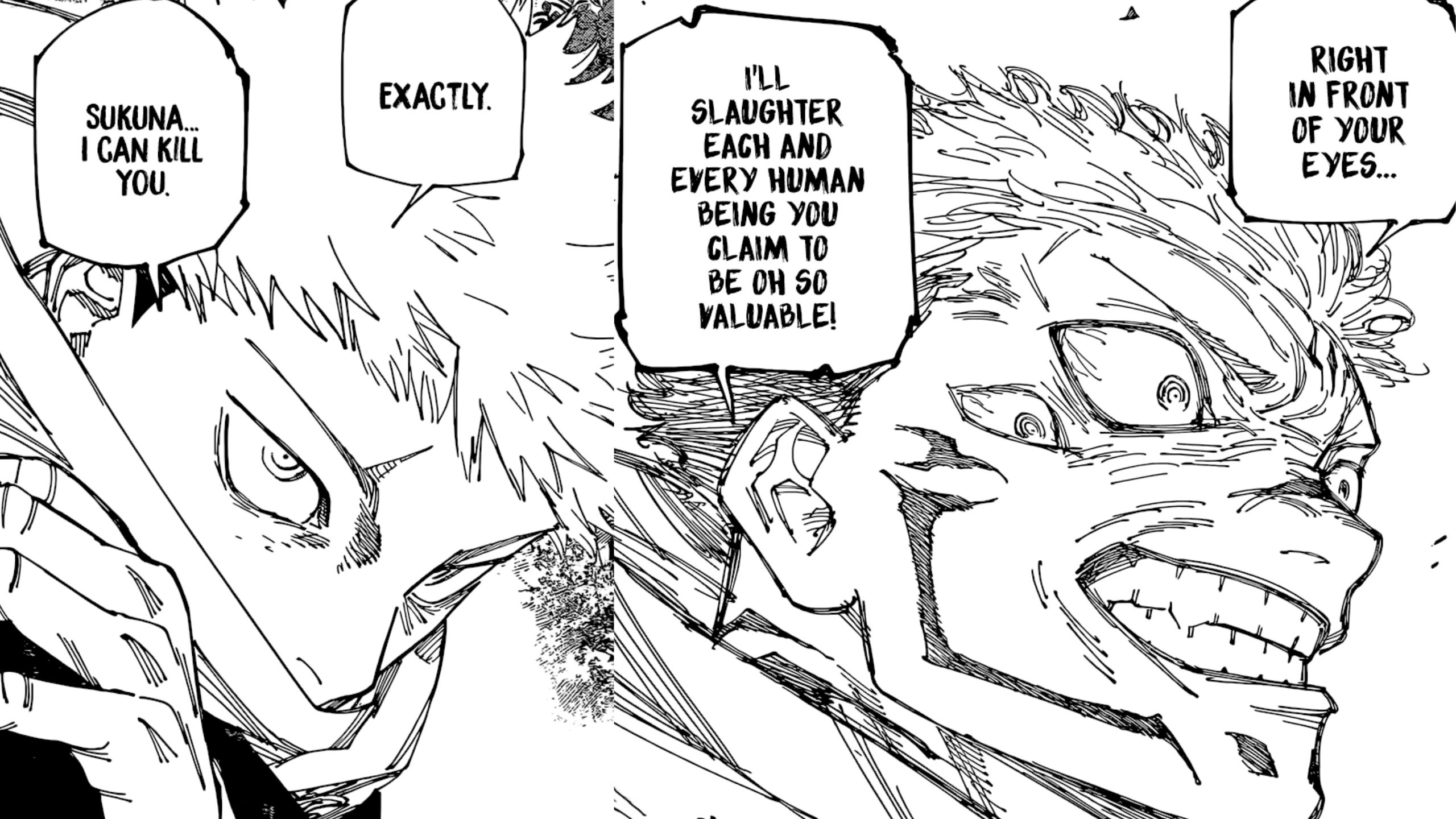
Yuji (Left) And Sukuna – Chapter (Right) (Via Jump Comics)
At times, it seems as though Yuji’s kind nature is at odds with the darkness that resides inside him. However, as the series progresses, it becomes clear that this duality is not as simple as it initially appears.
In many ways, Yuji and Sukuna are two sides of the same coin. Both characters are defined by their immense strength and their ability to overcome seemingly insurmountable odds.
However, whereas Sukuna revels in his power and uses it for his own gain, Yuji’s strength is always directed toward helping others.
This contrast highlights one of the central themes of Jujutsu Kaisen the idea that power in itself is neither good nor evil; it is how that power is used that defines its nature.
The transformation of Yuji’s eyes during the final battle can be seen as a visual representation of this duality.
On the surface, Yuji may appear to be growing more like Sukuna, adopting his visual traits and perhaps even tapping into the same source of power.
However, unlike Sukuna, Yuji uses this power for a noble purpose. This duality is a key part of Yuji’s character and serves as a reminder that even in a world filled with curses and malevolence, there is still room for compassion and selflessness.
A Symbolic Passing of the Torch
The ending of Jujutsu Kaisen and Yuji’s defeat of Sukuna can also be seen as a symbolic passing of the torch.
Throughout the series, Sukuna has represented the pinnacle of power in the curses world.
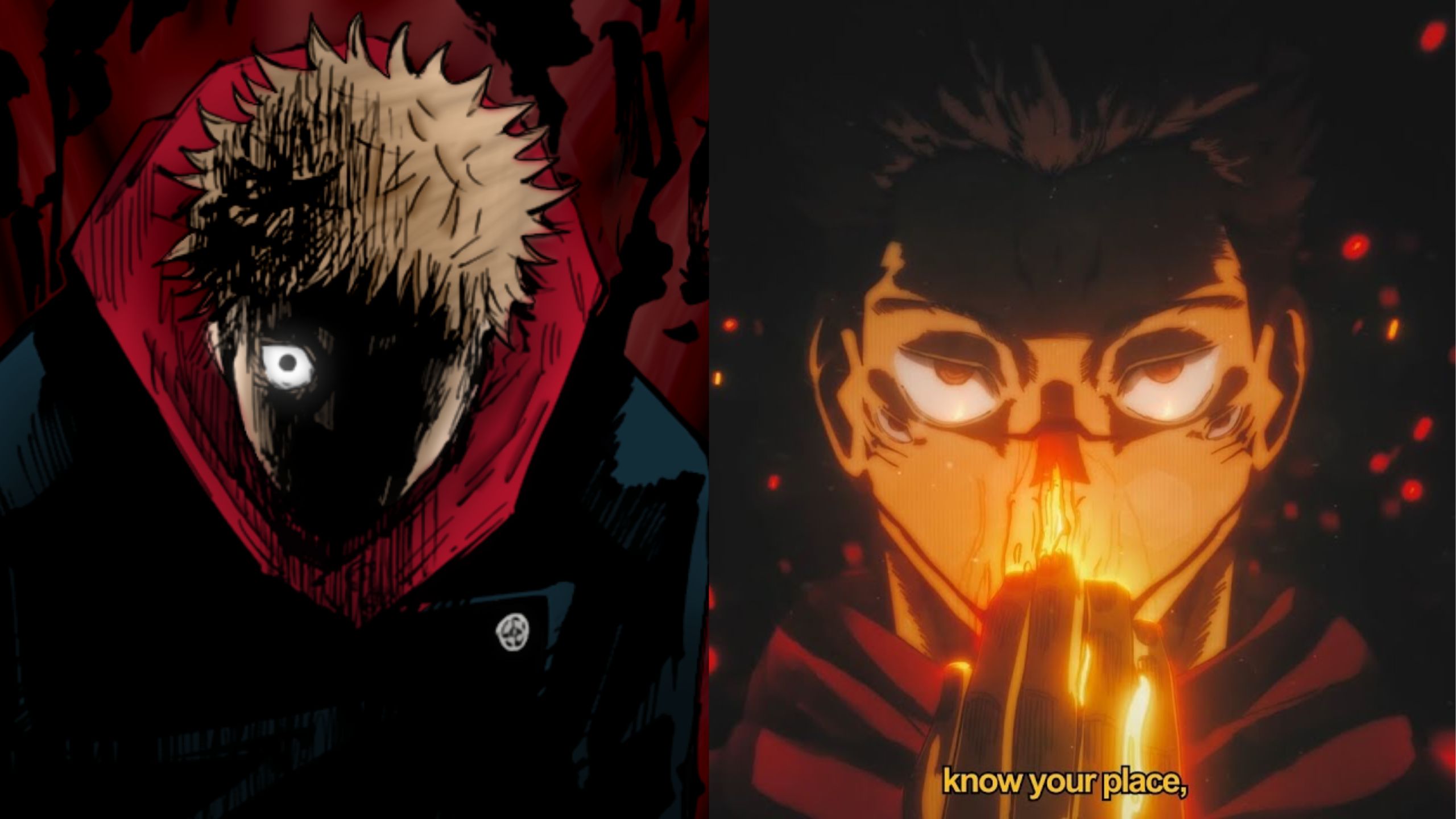
Yuji Itadori And Sukuna (MAPPA)
His strength is unmatched, and his presence has loomed large over the story, even during moments where he was not directly involved in the action.
For Yuji to defeat him is not just a personal victory but also a shift in the balance of power within the jujutsu sorcery world.
By defeating Sukuna, Yuji has proven that he is now the one who holds that power. He is no longer just a vessel or a pawn in the larger game; he has become a force to be reckoned with in his own right.
The change in his eyes could be seen as a visual marker of this passing of the torch, as Yuji takes on the mantle of strength that once belonged to Sukuna.
This moment is significant not only for Yuji’s character but for the series as a whole. Jujutsu Kaisen has always been a story about the balance between strength and compassion, power and selflessness.
With Sukuna’s defeat, Yuji represents a new kind of strength one that is not defined by cruelty or domination but by the willingness to protect and care for others.
In this way, Yuji’s transformation is not just a personal victory but a victory for the values he has embodied throughout the series.
Yuji’s Journey to Power
The hidden change in Yuji’s character design during the final battle with Sukuna serves as a powerful symbol of his growth throughout Jujutsu Kaisen.
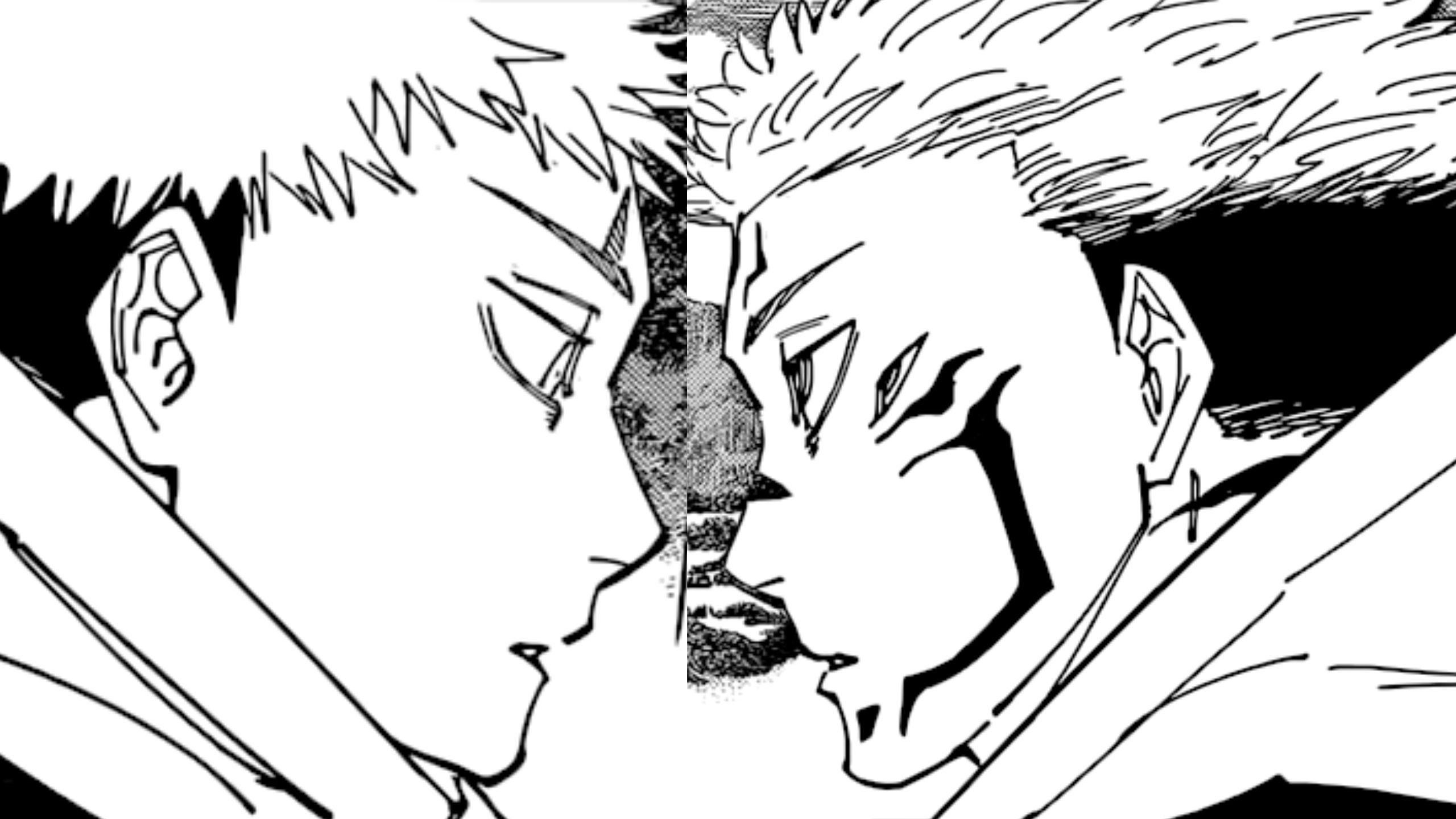
Yuji Itadori (Left) And Sukuna (Right) (Via Jump Comics)
Whether this change in his eyes is purely a stylistic choice or a deeper reflection of his connection to Sukuna, it is clear that Yuji has reached a new level of strength by the end of the series.
Throughout his journey, Yuji has struggled with the burden of being Sukuna’s vessel, but in the end, he proves that he is more than just a pawn in the cursed king’s game.
By defeating Sukuna, Yuji not only resolves the central conflict of the series but also solidifies his place as one of the strongest sorcerers in the Jujutsu Kaisen world.
His transformation in the final battle is a testament to how far he has come and serves as a fitting ending to his character arc.
