Spotify has shared a revealing statistic about anime music: nearly 70% of global anime-related music streams come from listeners under the age of 29. This insight shines a light on how deeply anime culture has rooted itself in younger audiences around the world.
Anime has always had a strong connection to music. From iconic opening themes to emotional ending tracks, songs from anime series often become cultural staples. For many fans, these songs are more than just background music, they’re an emotional connection to the stories and characters they love. Platforms like Spotify allow listeners to keep that connection alive long after an episode ends.
The fact that such a large percentage of this music consumption comes from people under 29 is no surprise to those who follow anime trends. Many anime fans today discovered the medium through streaming services, social media, or YouTube. Younger audiences especially are quick to create playlists, share their favorite tracks, and explore music beyond their language or culture.
Popular anime songs like “Gurenge” by LiSA (from Demon Slayer) or “Blue Bird” by Ikimono Gakari (from Naruto) are well-known even to casual fans. These tracks often appear on viral TikToks, Instagram reels, or YouTube videos, helping them spread beyond just anime watchers. Anime music has crossed into pop culture, and younger listeners are at the center of that growth.

Bocchi The Rock Franchise (Credits: HAMAJI Aki)
Spotify Reveals 70% of Anime Music Streams Come from Fans Under 29
Streaming platforms have also made it easier to access music from Japan. In the past, anime fans outside Japan had to rely on fan uploads or obscure downloads. Now, major artists like Aimer, YOASOBI, and Kenshi Yonezu are regularly featured on global charts, thanks to streaming accessibility. This ease of access has helped anime music become a daily part of life for many fans.
Spotify’s data reflects a wider trend: anime is not just a niche interest anymore. It’s a mainstream global phenomenon, especially among Gen Z and young Millennials. These generations are more open to international content and are used to jumping across languages, cultures, and genres with a single tap. They’re just as likely to listen to an anime opening as they are to the latest pop hit.
The anime boom during the 2020s, fueled by series like Jujutsu Kaisen, Attack on Titan, Spy x Family, and Chainsaw Man, has played a big role in this. Each of these shows features striking soundtracks and memorable opening and ending themes, many of which become hits independently from the show itself.
Music labels and anime studios are also starting to take anime music more seriously. They are launching special anime playlists, collaborating with popular music artists, and releasing official albums that cater directly to international fans. Concerts, anime music festivals, and virtual performances have all grown in popularity as part of this trend.
Young Listeners Drive Global Anime Music Boom, Says Spotify Report
With the rise of anime music, artists who contribute to anime soundtracks are also finding new international fans. Some artists who were once only known in Japan now have millions of streams globally. It’s a win-win for both the anime industry and the music world.
As younger listeners continue to support anime music, we can expect this genre to grow even more. New artists will enter the scene, international collaborations may increase, and anime soundtracks will likely play a bigger role in both anime and global pop culture.

K On Franchise (Credits: Kakifly)
Spotify’s report reminds us that anime is more than just animation, it’s also sound. And it’s clear that the next generation of fans is listening.
You can tune into Spotify through here .
For more than two decades, Dracule Mihawk has fascinated One Piece readers as the world’s strongest swordsman and one of the enigmatic Seven Warlords of the Sea. Despite his prominence, almost nothing is known about his past. This vacuum has allowed fans to spin elaborate theories about his lineage.
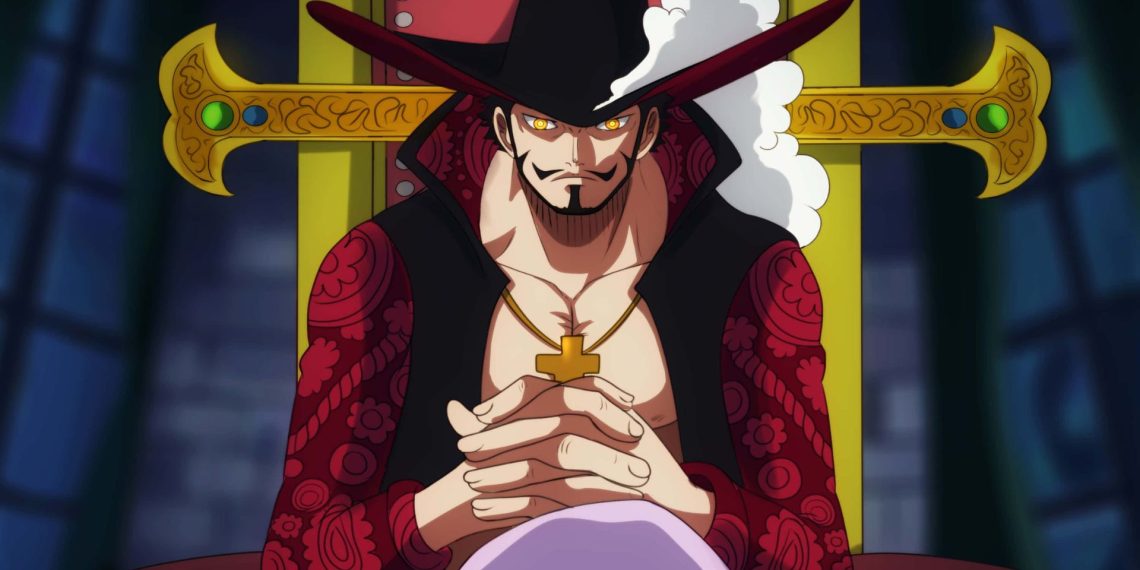
Mihawk (Credits: Eiichiro Oda)
The characters
Dracule Mihawk was introduced early in the manga as a fearsome swordsman whose title as “world’s greatest” even Marine admirals respect. He is roughly the same age as many of the characters who participated in the current era’s biggest events. As a former Marine hunter who rarely talks about his past, he leaves readers without any clues about his parents or birthplace.
Silvers Rayleigh, known as the “Dark King,” served as Gol D. Roger’s right‑hand man. After the Roger Pirates disbanded, he chose a quieter life as a ship coating specialist on Sabaody. Even in old age he remains powerful enough to train Luffy and fend off admirals. His close partnership with Shakky implies a deep bond, possibly marriage, though the series never explicitly labels it that way.

Why fans connect Mihawk to Rayleigh and Shakky
The theory that Mihawk is Rayleigh and Shakky’s son rests on three major pillars: the timeline, their ages and subtle design cues.
Timeline coincidence
A key event driving the theory is a flashback set roughly four decades before the current storyline. In that flashback, Kaidō is invited to join the Rocks Pirates at age fifteen. Since he is nearly sixty in the present, this places the flashback more than forty years in the past.
Mihawk is about forty‑three years old, meaning he would have been born around the same time the Rocks Pirates were wreaking havoc. Fans speculate that if Rayleigh and Shakky met as pirates during this turbulent period, they could have had a child who grew up to become the world’s greatest swordsman.
Age alignment
The ages of the three characters appear to line up. Rayleigh is in his late seventies, Shakky is in her mid‑sixties and Mihawk is in his early forties. When Mihawk was born, Rayleigh would have been in his mid‑thirties and Shakky around twenty. Those ages make their potential parenthood biologically plausible.
Additionally, Shakky’s retirement from the Kuja throne occurred a little more than forty years ago. The Kuja suffer from a condition known as “love sickness,” which forces a reigning empress to abandon her duties if she falls in love with someone off the island. Some fans theorize that Shakky stepped down because she fell for Rayleigh and later gave birth to their son.
Visual resemblance
Fans also point to subtle similarities in character design. Mihawk and Shakky share sharp, angular faces, black hair that comes to a point below the ears and strong jawlines.
Mihawk’s distinctive goatee features a single strip running down the centre of his chin, while flashbacks show a younger Rayleigh with multiple strips of similarly aligned facial hair.
Creator Eiichiro Oda has been known to hint at familial ties through visual traits — Zoro resembles members of the Shimotsuki clan and Sanji’s distinctive eyebrows hint at his Vinsmoke heritage — so it would not be unprecedented for Mihawk’s design to echo his parents’ features.
Despite these tantalising coincidences, the theory faces several challenges:
Neither Rayleigh nor Shakky has ever hinted at having a child, and Mihawk has never mentioned his family or origins. In a story that often emphasizes the importance of bloodlines, such a major revelation would likely be foreshadowed.
Most of the series’ major lineage twists (for example, Portgas D. Ace being Gol D. Roger’s son) carry significant plot consequences. It is unclear how revealing Mihawk’s parentage would affect the story, given his largely solitary role.
Oda’s art style frequently repeats facial features across unrelated characters. The hair and facial similarities could simply be aesthetic choices. And while the ages line up, there are hundreds of nameless pirates who could have fathered or mothered a child in that era.
The idea that Dracule Mihawk is the son of Silvers Rayleigh and Shakuyaku is a fascinating fan theory that ties together timelines, character ages and visual cues. It offers an elegant solution to Mihawk’s enigmatic past and gives added depth to Rayleigh and Shakky’s long‑standing relationship.
However, without explicit hints from Eiichiro Oda, the evidence remains speculative. Until the manga addresses Mihawk’s origins, his lineage will remain one of One Piece ’s many enduring mysteries.
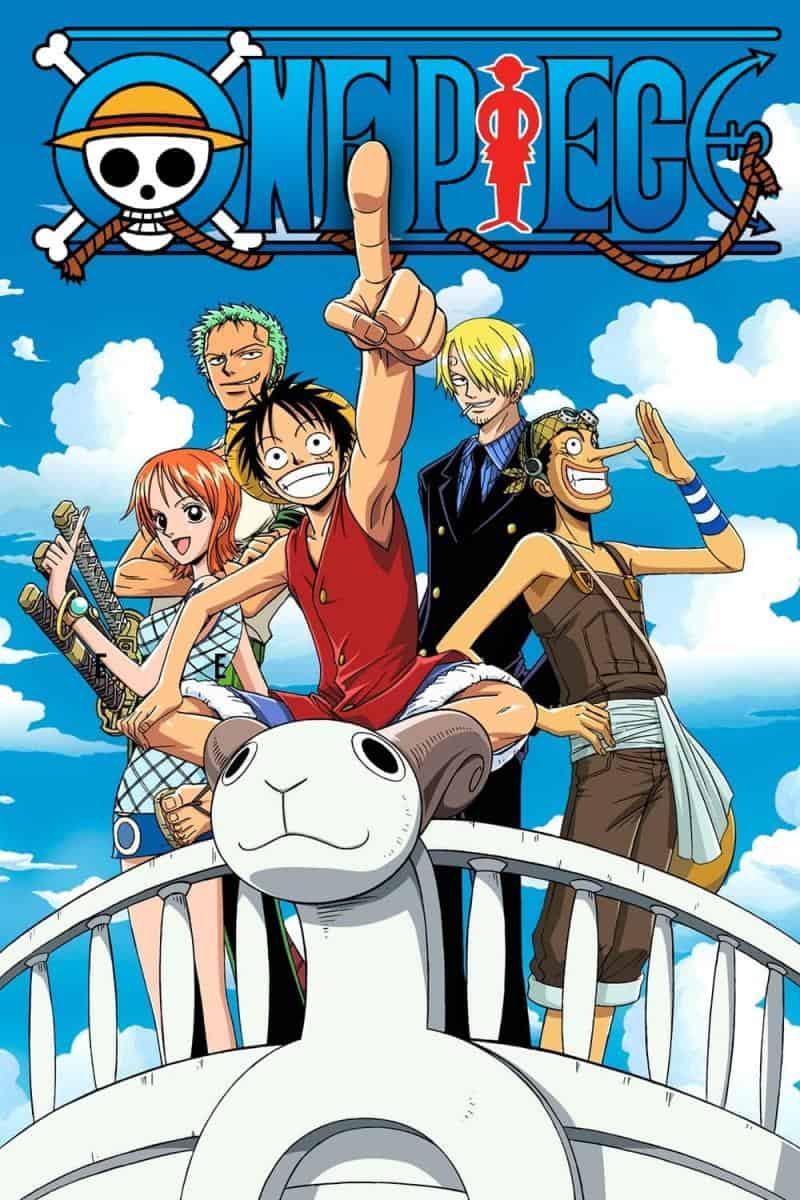
“One Piece” is a beloved Japanese manga and anime series that chronicles the adventures of Monkey D. Luffy and his pirate crew. Luffy, imbued with rubber powers from a mystical fruit Hito Hito no Mi, aspires to become the Pirate King. To achieve this, he seeks the ultimate treasure, the “One Piece,” hidden at the Grand Line’s end. Along the journey, Luffy gathers a diverse crew, confronts formidable foes, and uncovers world-altering secrets, all while promoting themes of friendship, freedom, and adventure.
