In recent weeks, YouTube creators focused on anime have reported a disturbing trend: ecchi content is being demonetized en masse. Even mild fanservice or suggestive thumbnails now get flagged under “sexually gratifying content,” resulting in reduced reach and the loss of ad revenue. This change, rolled out without warning, has blindsided hundreds of creators worldwide.
Channels that had spent years building a following around anime breakdowns, top ten lists, or fan compilations are now struggling to remain afloat. The platform’s AI moderation tools appear to be overly sensitive, with creators saying even innocuous scenes are being penalized. While YouTube hasn’t issued a detailed clarification, creators fear this marks a permanent shift in platform policy.
Financial Fallout for Anime Creators

Please Put Them On, Takamine-san
One long-time content creator, speaking anonymously to Dexerto , said their income dropped by over 70% after several videos were demonetized for “sexual content,” despite following community guidelines. The creator emphasized they do not post NSFW clips, only edited content from legally licensed shows.
Others have shared screenshots of takedown notices, showing thumbnails labeled as “gratuitously sexual” despite featuring no nudity or explicit acts. Many creators now feel forced to self-censor or shift their content entirely. For smaller channels, this has been financially devastating—prompting some to halt production altogether or move to alternative platforms.
Artistic Expression or Algorithmic Targeting?
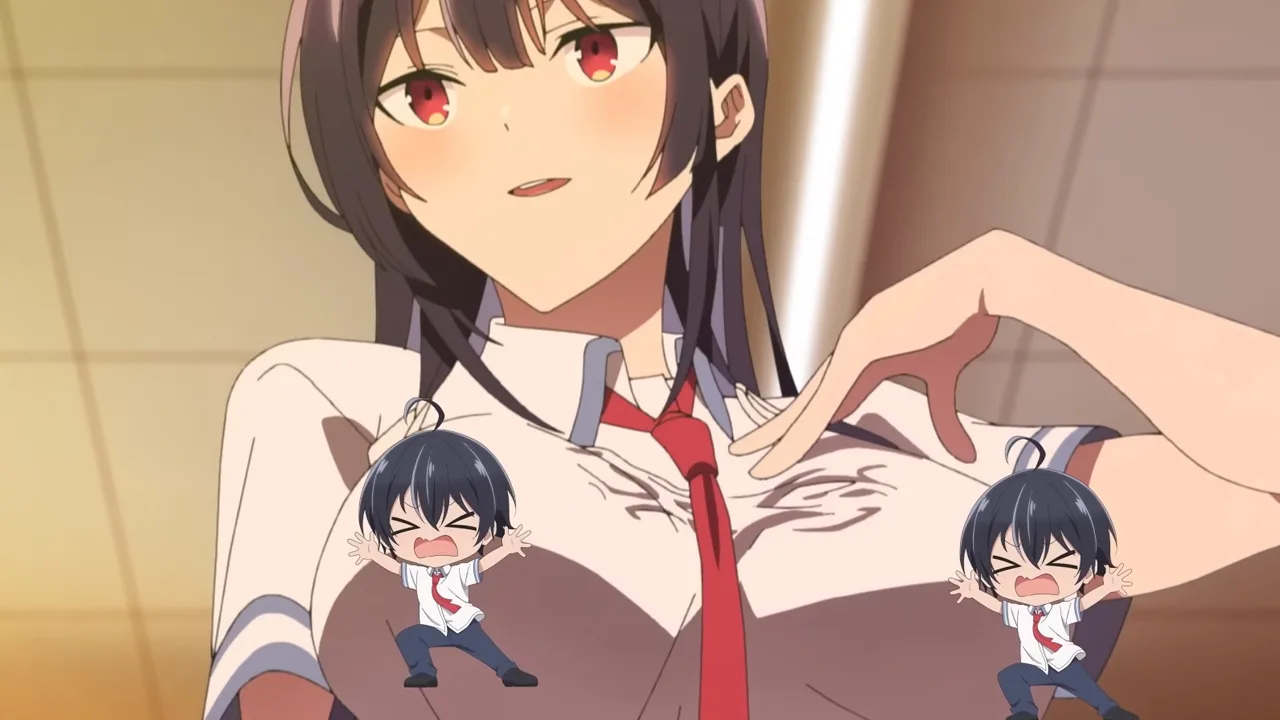
Please Put Them On, Takamine-san
The crackdown has raised concerns over what defines “appropriate” anime content in Western tech spaces. While Japan has long embraced fanservice as part of its animation culture, global platforms like YouTube are imposing broader, Western-centric standards. Critics argue this results in unfair policing of artistic styles and genre norms.
Fans and content creators alike are calling for more transparency and consistency. Some have shifted to platforms like Rumble or Patreon to maintain income, while others demand clearer guidelines and real human review. The broader question remains: can anime exist online without falling victim to automated purging?
An elementary school in Illinois is facing a lawsuit after a student reportedly watched several minutes of Chainsaw Man during class. The parents claim the content caused the child psychological harm, citing recurring nightmares, fear responses, and a drop in academic performance. The teacher allegedly left the class unsupervised while the student accessed the anime on a school-issued tablet.
Chainsaw Man is known for intense violence, mature themes, and graphic visuals. Though highly popular among older teens and adults, the anime is widely considered unsuitable for children. The parents argue that the school failed in its duty of care by not restricting access to explicit content, especially on devices meant for learning.
The Legal Case and Public Response

Chainsaw Man (Credits: Mappa)
According to ABC7 Chicago , the lawsuit claims the school violated child protection standards. The legal filing demands compensation for emotional trauma and seeks a mandate to block streaming platforms on school networks. The case has sparked debate over whether educators should be responsible for pre-filtering digital content.
Many parents online have echoed similar concerns, stating that while Chainsaw Man has artistic value, its explicit nature makes it highly inappropriate for young viewers. Education experts warn that schools must set stronger boundaries as technology use expands in classrooms. The story also went viral on Reddit and X, where users debated whether anime censorship in schools should be normalized.
Oversight in Digital Learning Environments
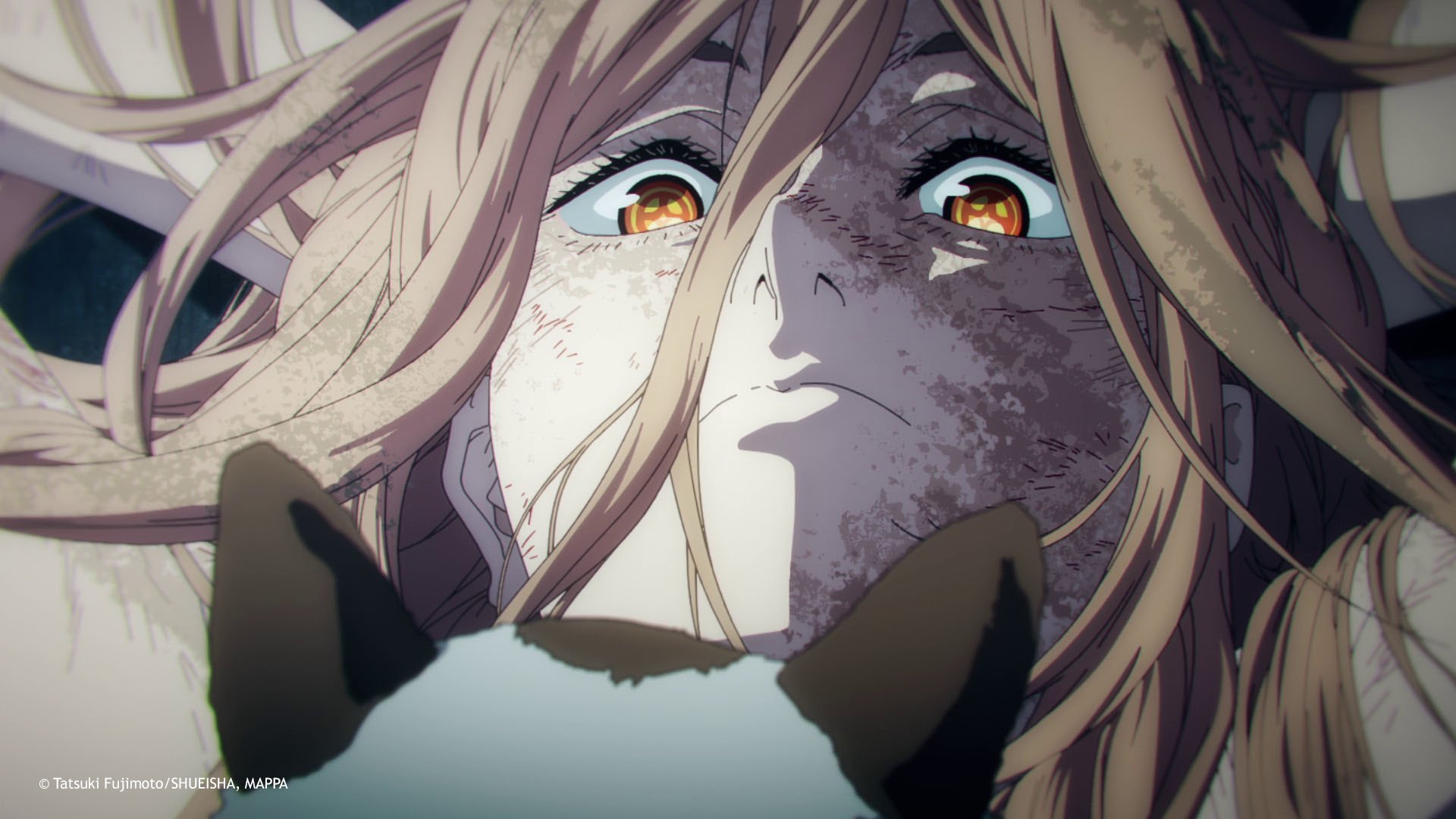
Chainsaw Man (Credits: Mappa)
The incident highlights the growing need for better content filters in schools using 1:1 tablet programs. Teachers often rely on district-level firewalls, but those tools are not foolproof. Critics argue that anime, in particular, sits in a grey area: visually appealing to children yet often thematically mature. The result can be unintended exposure to violence or explicit content.
Advocates for anime argue that responsibility also lies with parents to educate their children about what is suitable. However, this case could push districts to adopt stricter policies. Whether the lawsuit succeeds or not, it has already reignited the conversation on digital media safety, student well-being, and the boundaries of art in educational settings.
