The phrasing in the ad was described as “groin-stirring” and deliberately provocative, which made many users question how it passed YouTube’s content filters. Parents, teachers, and even some fans of the show criticized both the studio and YouTube for allowing such a suggestive message to appear in public recommendations.
High School DxD is a long-running anime series known for its mix of supernatural action and heavy fan service. It follows a high school boy who becomes involved with a group of demons after being killed on his first date.
While the show has always been controversial due to its erotic themes, its advertising has typically stayed within certain limits. This new ad, however, went much further. The promotional clip featured short, flashy scenes from the anime alongside a text overlay that used sexual innuendo to draw attention. It reportedly contained language implying physical arousal, something that crossed a clear line for many viewers.
What made the situation worse was the lack of an age gate. The ad appeared in the Shorts feed, which is designed for quick, mobile-friendly viewing and often includes content for all ages. Viewers as young as thirteen could have easily seen the ad without warning. Several users took screenshots and shared them on social media, expressing disbelief that YouTube had approved such content.

High School DxD Franchise (Credits: Ichiei Ishibumi)
High School DxD YouTube Ad Sparks Outrage Over Sexual Language and No Age Gate
Some noted that similar posts by regular users would have been flagged or taken down, suggesting that advertisers were being held to a different standard. Others argued that even though High School DxD is an adult-oriented series, promoting it in this way on a general platform was irresponsible.
As the backlash grew, fans began debating who should take responsibility. Some blamed the anime’s marketing team, accusing them of using “shock value” to get attention. They argued that the team deliberately leaned into the show’s sexual reputation to draw clicks, even at the cost of appropriateness.
Others turned their criticism toward YouTube, saying the platform’s automated ad approval system should have caught the problem. Many questioned how an ad with such phrasing could appear freely when so many harmless videos by smaller creators are often demonetized or restricted for minor reasons. The double standard became a major talking point.
The controversy also reignited an old debate about how anime is marketed outside Japan. While Japan has a long history of mature-themed anime aimed at older teens and adults, international audiences often include younger viewers.
When platforms like YouTube run ads globally, they have to consider different cultural standards. What might be tolerated in Japan could be seen as inappropriate or even offensive elsewhere. In this case, the ad’s explicit wording clashed with Western guidelines for what is acceptable in public spaces online. This raised further questions about whether anime distributors and advertisers are adapting their marketing strategies responsibly for international audiences.
Fans and Parents Blast YouTube for Allowing “Groin-Stirring” Anime Promotion
Within a few days, reports surfaced that the High School DxD ad had been quietly removed. Neither YouTube nor the marketing agency behind the campaign issued a formal statement, though the disappearance of the ad was taken as an acknowledgment of the criticism.
The situation highlights a larger issue about online advertising and content responsibility. As platforms like YouTube rely more heavily on automated systems, it becomes easier for questionable ads to slip through unnoticed. This case also shows how anime marketing can sometimes push boundaries too far, prioritizing shock over sensitivity. While provocative ads may attract short-term attention, they also risk damaging the reputation of the series and the platform hosting them.

High School DxD Franchise (Credits: Ichiei Ishibumi)
In the aftermath, discussions on forums and social media have turned toward whether stricter rules should apply to anime-related ads. Many users have called for YouTube to add clearer age controls, especially for shows that include mature or sexual content.
Others believe advertisers should exercise more judgment and recognize that not all platforms are appropriate for every type of campaign. The High School DxD controversy may fade over time, but it has already left a lasting impression on both fans and industry observers. It serves as a reminder that even in a digital landscape filled with bold marketing, there are still boundaries that should not be crossed, especially when younger audiences are just a scroll away.
In recent months, a growing number of One Piece fans have voiced frustration toward Toei Animation, accusing the studio of intentionally reducing Sanji’s importance in the anime. The debate started after several viewers noticed that Sanji, one of the main members of the Straw Hat crew, appeared to be missing or downplayed in certain key scenes. Some fans believe this is not accidental and claim that Toei has been “hating” Sanji by cutting his moments, altering his lines, or replacing him with other characters in places where he originally stood out in the manga.
Sanji, known as the Straw Hat crew’s cook and one of Luffy’s most trusted fighters, has been a major fan favorite since his introduction. His mix of strength, charm, humor, and emotional depth has made him one of the pillars of the crew. However, in recent arcs of the One Piece anime, especially during the Wano and Egghead arcs, many viewers have begun to notice changes in how he is portrayed. Online discussions point out that scenes showcasing his intelligence, bravery, and skill are either shortened or omitted altogether, while other characters receive more attention.
This pattern has fueled speculation that Toei Animation might be intentionally reducing Sanji’s presence. On social media platforms like X (formerly Twitter) and Reddit, the topic has sparked intense debate. Fans have shared side-by-side comparisons between the manga and the anime, showing moments where Sanji played an important role in the manga but was sidelined or cut from the animated version.
Some examples include group shots where Sanji’s position is altered or scenes where his dialogue is given to another character. These instances have led some fans to accuse Toei of “hating” Sanji or showing favoritism toward other characters such as Zoro or Luffy.

One Piece Franchise (Credits: Eichiro Oda)
Toei Animation Accused of “Hating Sanji” as Fans Notice Missing Scenes
One theory suggests that this could be part of an internal production decision. Because anime episodes take longer to produce and sometimes require pacing adjustments, certain scenes are restructured for time or animation balance. This means that even though it might look like Sanji is being removed on purpose, the decision could come from timing or visual direction rather than bias. However, many fans are unconvinced, arguing that Sanji’s absence in emotional or significant moments feels too frequent to be coincidental.
Others believe that Toei’s treatment of Sanji may be tied to how his character is perceived by different parts of the audience. Sanji is often written as both a comic relief character and a serious fighter, and balancing these traits can be difficult.
Some fans think the studio has leaned too much on his comedic side, undermining his development and strength. In contrast, in the manga, creator Eiichiro Oda has consistently treated Sanji as one of the central pillars of the crew, giving him major emotional arcs such as the Whole Cake Island storyline, which focused on his family background and struggles.
The debate over Sanji’s portrayal also reflects a larger discussion about adaptation choices in long-running anime. Fans have become more aware of how studios modify material from the manga to fit production needs, pacing limits, or episode counts. In some cases, these changes are minor. But in others, especially with beloved characters, even small alterations can lead to major backlash. Sanji’s fans are among the most vocal in the One Piece community, and many feel protective of how he is represented.
One Piece Viewers Debate Whether Studio Is Undermining Sanji’s Role in Recent Arcs
Not everyone agrees that Toei is to blame, though. Some fans defend the studio, saying that while Sanji’s scenes may have been shortened, he still receives meaningful moments throughout the series. They argue that not every episode can give equal time to every character, especially in arcs where multiple storylines run at once. Others believe that once the current arc finishes, Sanji will again take center stage, as he has in previous storylines.
Regardless of which side fans are on, the controversy highlights the passion and attention to detail that One Piece viewers bring to the series. Few anime have such a dedicated fanbase willing to analyze every frame, line, and gesture to see how their favorite characters are being treated. The ongoing debate about Sanji shows just how deeply fans care about the legacy of One Piece and its characters, who have been part of their lives for decades.

One Piece Franchise (Credits: Eichiro Oda)
For now, Toei has not publicly responded to the claims about Sanji’s reduced role. Whether the changes are deliberate or just part of normal production choices, the discussion has reminded everyone of how emotionally invested fans are in One Piece and its world.
Sanji’s character remains one of the most complex and beloved in the series, and his fans continue to hope that upcoming episodes will restore his balance of humor, heart, and heroism that made him such a standout in the first place.
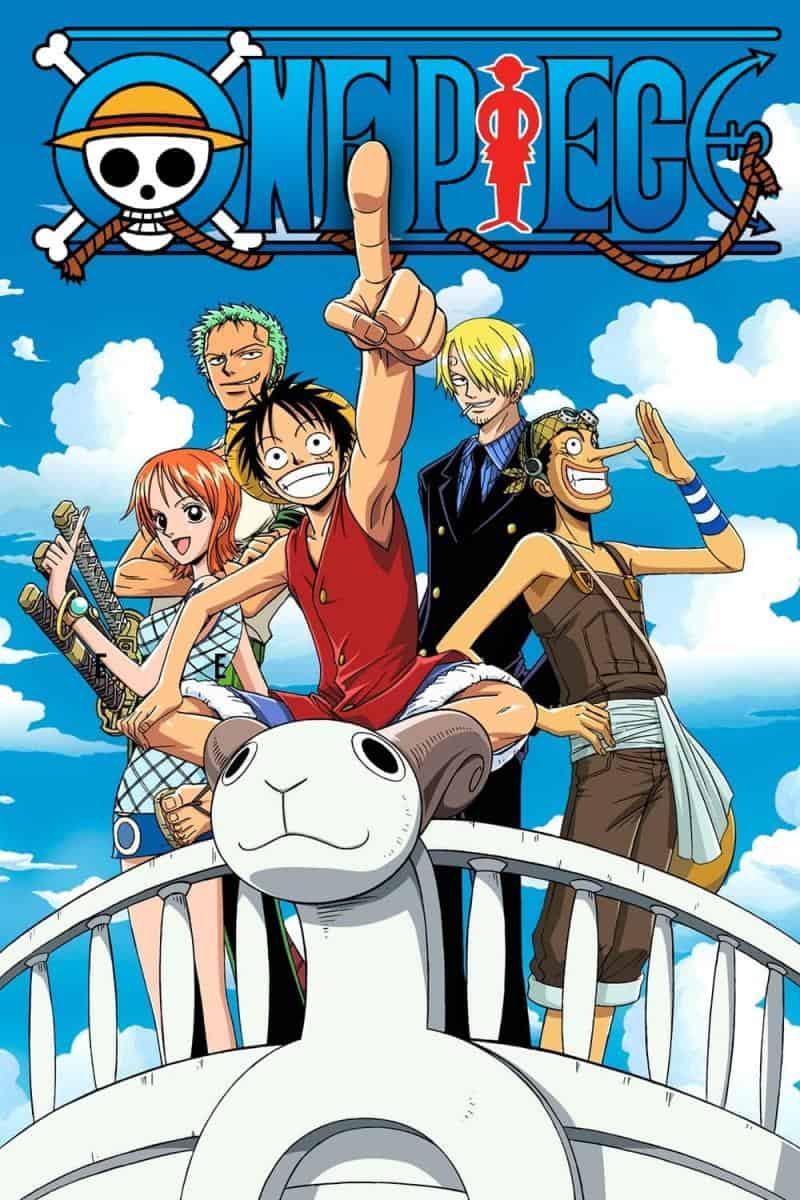
“One Piece” is a beloved Japanese manga and anime series that chronicles the adventures of Monkey D. Luffy and his pirate crew. Luffy, imbued with rubber powers from a mystical fruit Hito Hito no Mi, aspires to become the Pirate King. To achieve this, he seeks the ultimate treasure, the “One Piece,” hidden at the Grand Line’s end. Along the journey, Luffy gathers a diverse crew, confronts formidable foes, and uncovers world-altering secrets, all while promoting themes of friendship, freedom, and adventure.
