Ziyu, the breakout face of the hit Chinese web drama Revenged Love, is currently facing a major image crisis. Known for his soft-spoken charm and meteoric rise, the young actor and idol is now under fire after allegations of infidelity and mistreatment of fans surfaced online.
The controversy has caused a stir across Weibo and fan communities, placing Ziyu under intense scrutiny and raising concerns about the authenticity of his public image.
Allegations Begin with a Private Chat Leak
The scandal began when screenshots of an alleged private conversation between Ziyu and a woman, rumoured to be his girlfriend, went viral. The messages suggested that Ziyu had been in a relationship during the time he publicly claimed to be single.
More shockingly, one of the leaked messages included a disrespectful comment directed at his fans. In the chat, he allegedly referred to fans as “easy to manipulate,” sparking widespread disappointment and anger.
Fans who had supported him since his early debut in idol survival shows began expressing feelings of betrayal, stating that his clean image was now questionable.
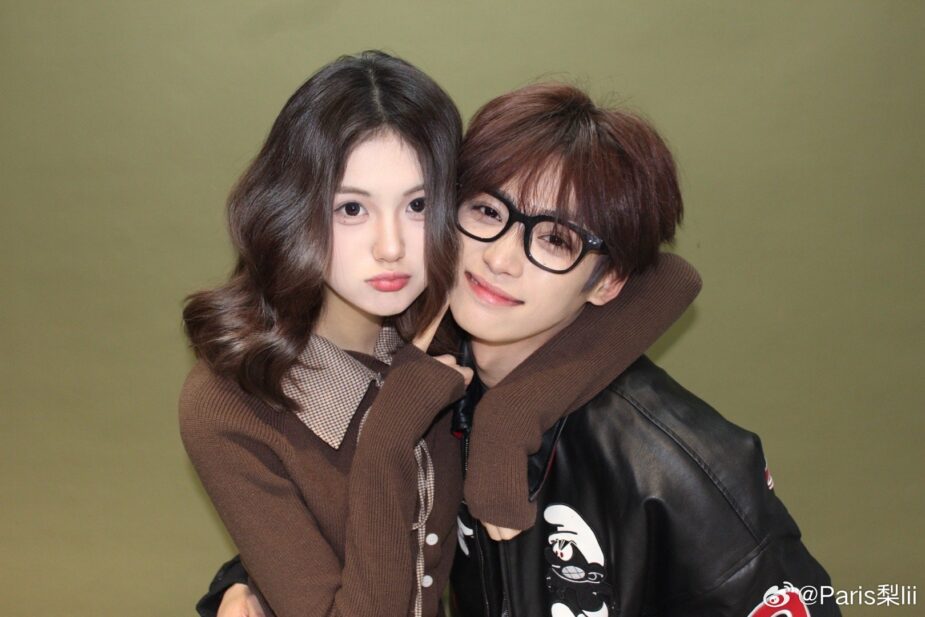
Ziyu with his x-girlfriend (Credits: Weibo)
Public Response Sparks Online Uproar
Shortly after the messages circulated, fans and netizens began digging deeper into Ziyu’s recent activities. Many pointed out inconsistencies in his interviews and fan interactions.
Several fan sites closed down in protest, with longtime followers stepping back from supporting the actor. Some even returned their purchased merchandise, symbolising the fracture in his once-solid fan base.
What made the situation worse was Ziyu’s silence in the initial hours following the controversy. No immediate statement was released, allowing speculation to snowball on Chinese social media platforms.
Studio’s Late Statement Draws Mixed Reactions
After a full day of mounting backlash, Ziyu’s studio released a statement denying the claims. They insisted that the screenshots were “maliciously edited” and warned of legal action against those spreading false information.
However, the damage was already done. Fans questioned the authenticity of the denial, especially given the lack of a direct response from Ziyu himself. His studio’s defensive tone and failure to acknowledge the emotional impact on fans only fueled more criticism.
Several marketing brands reportedly paused collaborations with the actor as his name trended online, not for his performance in Revenged Love , but for all the wrong reasons.

Ziyu’s still from Revenged Love (Credits: X)
Fans Demand Accountability and Transparency
Online forums were flooded with calls for accountability. Fans asked for a personal explanation rather than a filtered agency response. Many expressed the desire for Ziyu to take responsibility for his actions, whether the accusations were true or not.
Some industry insiders shared that a scandal at this early point in his career could significantly affect his long-term prospects in both the idol and acting world. His trustworthiness, which played a key role in his appeal, is now under serious question.
Rising Star with a Tumultuous Turn
Ziyu became a household name following his role in Revenged Love , a drama that became a sleeper hit earlier this year. His character’s layered emotions and screen presence gained him a wide fanbase both in China and internationally.
Previously known for his cheerful energy and relatable behind-the-scenes moments, Ziyu’s image was built on fan trust and transparency. His past interactions with fans, including livestreams and Weibo updates, painted the picture of a humble rising star.
This recent controversy, however, has shattered much of that carefully crafted image. Even though the actor hasn’t addressed the issue directly, the silence has been interpreted by many as evasion.
Future Projects Hang in Uncertainty
Before the scandal broke out, Ziyu had been preparing for multiple projects. Industry reports hinted at a possible lead role in another upcoming web series and a brand endorsement campaign set to launch in August.
Now, with the ongoing backlash, these plans appear to be on shaky ground. Although his drama Revenged Love continues to stream successfully, the actor’s public reputation is now affecting how viewers engage with the show.
Several fans took to social media to express how difficult it has become to separate the actor’s real-life controversy from his onscreen character.

Revenged Love Official Poster (Credits: X)
About Ziyu andRevenged Love
Ziyu first gained attention as a trainee on a Chinese idol survival program, but it was his acting debut in Revenged Love that earned him critical praise and fan support. The drama, which is based on a popular web novel, follows a tangled story of betrayal and second chances in a toxic love triangle.
Ziyu played a mysterious lead who gradually revealed deeper emotional layers, winning over fans with his acting potential. His role quickly propelled him into the limelight and landed him on several trending lists.
However, this rapid rise may have come with challenges the actor wasn’t prepared for. As he now faces the consequences of public backlash, his next steps will determine whether he can regain fan trust or fade from the spotlight.
The “Sister Hong” scandal has rattled South Korea, not just for its disturbing revelations but also for sparking urgent conversations around digital crimes, particularly spycam abuse. The case centres on influencer Hong, who secretly filmed intimate encounters with men without their consent and shared the footage on Telegram.
While similar cases have typically focused on women as victims, this time, it’s the male victims who have come forward, shattering stereotypes and shedding light on a rarely discussed issue.
What Was “Sister Hong’s” Method?
Jiao reportedly used wigs, silicone breast implants, and a trained female voice to pass as “Sister Hong.” He found potential partners online, posed as a married woman, and hosted them for sex encounters. Rather than money, he required small gifts to gain entry.
He filmed these intimate moments from hidden cameras in his rented apartment, creating private groups on platforms like Telegram to distribute the videos for around 150 yuan (~US$21) per member.

China’s “Sister Hong” spycam scandal (Credits: X)
Public Reaction: Horror or Ridicule?
Despite the gravity of non-consensual recordings, much of the response online has been mocking. Followers mimic “Sister Hong’s” look in memes and costume challenges. Conversations on social platforms have reduced male victims to punchlines. Reddit threads actively criticised the disregard for victim dignity and pointed out the homophobic tones in online mockery.
Some commentators suggest that men cannot experience lasting harm in these situations—but this case proves otherwise.
Invisible Victims in Spycam Culture
While most spycam crimes in countries like South Korea target women, men are not immune. Between 2012 and 2017, over 16,000 perpetrators were arrested in South Korea, with 98 per cent identified as male. Most victims, 84 per cent, were female, but incidents involving men are underreported and overlooked.
One Reddit user described how male victims are sometimes dismissed or asked to remain silent when reporting violations. That invisibility reinforces social stigma and discourages male survivors from speaking out.

China’s “Sister Hong” makeup is going viral (Credits: X)
Silence Turns Into Trauma
Spycam filming, or molka, causes severe emotional harm to victims. Public humiliation, stalking, relationship breakdowns, and mental distress are common consequences. Human Rights Watch has highlighted stories of survivors, both male and female, who suffered depression, anxiety, and suicidal thoughts after private footage leaked
Legal protections exist, but enforcement is weak. Even severe crimes receive light sentences, a fine or a suspended term, for most offenders. Male victims find even fewer legal or social resources tailored to their needs.
Legal Blind Spots Leave Men Unheard
Legal definitions of gender-based violence often focus on women. Male victims, especially of voyeurism or non-consensual recordings, fall through the cracks. Dr. Rebecca Fisico and others note that societal expectations—such as assuming a recorded man was consenting—skew public perception and deter reporting.
Outdated gender stereotypes, like assuming real men welcome any sexual situation, further silence victims. Lack of awareness, limited support hotlines, and minimal infrastructure for male survivors worsen the issue.
Why the Sister Hong Case Matters Worldwide
While the case happened in China, it points to a global crisis: digital vilification of men who fall victim to spycam crimes. As of now, authorities confirm substantial video distribution, health risks, and emotional fallout, all while mocking carried on under the guise of humour.
Public health advisors in Nanjing have begun offering screenings for those potentially exposed, recognising the urgency of transmission control.
Beyond Gender: A Wider Epidemic
South Korea’s battle with molka shows how technological ease and societal misogyny have spread spycam abuse. Hidden cameras can be built into everyday objects. Despite widespread protests and legislative reforms, only a few offenders see serious punishment.
In protests across Seoul, some activists highlighted that a female spycam offender was swiftly punished when the victim was a man, prompting anger over double standards.
What Needs to Change Now
There must be a shift toward inclusive legal definitions that cover all genders equally. Emergency services and victim support must also expand to include male survivors. Education campaigns should counter stereotypes and normalise male victimhood. Platform accountability must increase to stop the spread of illegal content.
Legal reforms are underway in some regions, but enforcement remains a challenge. Victim silencing only perpetuates harm.
Final Thoughts: Every Victim Deserves Visibility
The Sister Hong scandal is a harsh reminder: sexual privacy violations do not discriminate by gender. Men may be fewer in number, but their suffering is no less real. If society continues to treat them as a laughing matter, the epidemic will live on unseen.
It is not enough to protest when women are targeted. Acknowledging the trauma of male victims must become standard practice. Justice begins when empathy replaces ridicule.
